
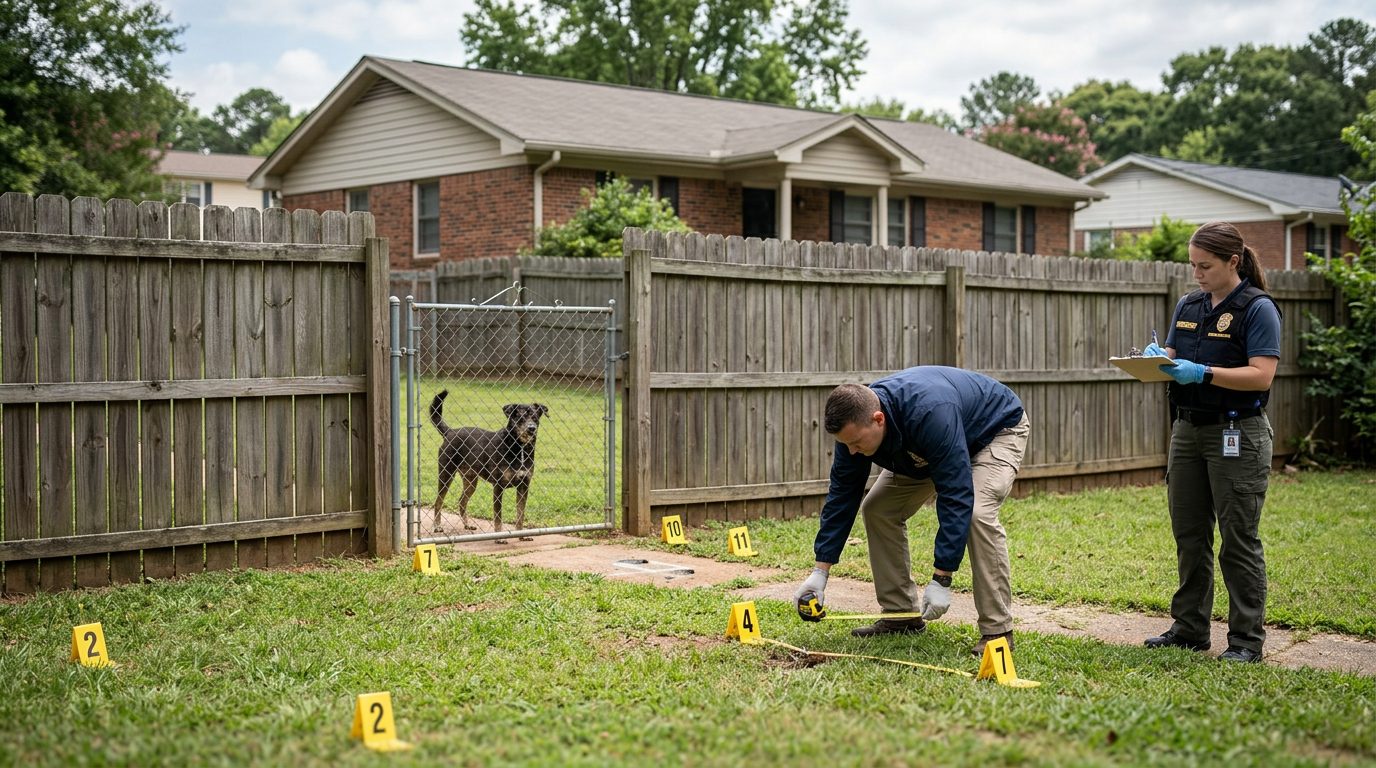
Dog Bite Injuries | Duluth, Georgia
Lasting Dog Bite Injuries: Understanding Your Options in Georgia
Scarring, nerve damage, and injuries that affect you for months or years can change your daily life. Slam Dunk Attorney helps people across metro Atlanta understand their options after a dog attack. Your first consultation is free, confidential, and comes with no obligation to continue.
By Peter F. Jaraysi · Published October 29, 2026
Can I Sue for Permanent Injury From a Dog Attack in Georgia?
Yes, a dog attack that causes lasting harm can support a personal injury claim in Georgia. Whether a specific claim holds up depends on the facts of the bite and what the dog’s owner or keeper did. This page covers who can be responsible, what makes an injury permanent in a claim, which damages may be recoverable, what proof matters, the filing deadline, and how fault can affect a case.
If you were hurt, or you are caring for someone who was, questions about lasting harm can feel heavy. The points below will help you sort through them.
Quick Answers
Can I sue for permanent injury from a dog attack in Georgia?
Yes, a lasting injury can support a claim when careless management of the dog caused it.
How long do I have to file?
Georgia generally allows two years to file a lawsuit for an injury to a person (O.C.G.A. § 9-3-33; Kenneth B. Cameron v. Jmp Pizza, Inc (2026)).
Can a spouse bring a claim too?
A spouse may have a loss of consortium claim, which has a four-year limit under Georgia law.
If a dog attack left you or someone you love with lasting harm, you may have a claim, and our team is ready to talk through the facts with you. Talk it through with our team — the first consultation is free, confidential, and carries no obligation.
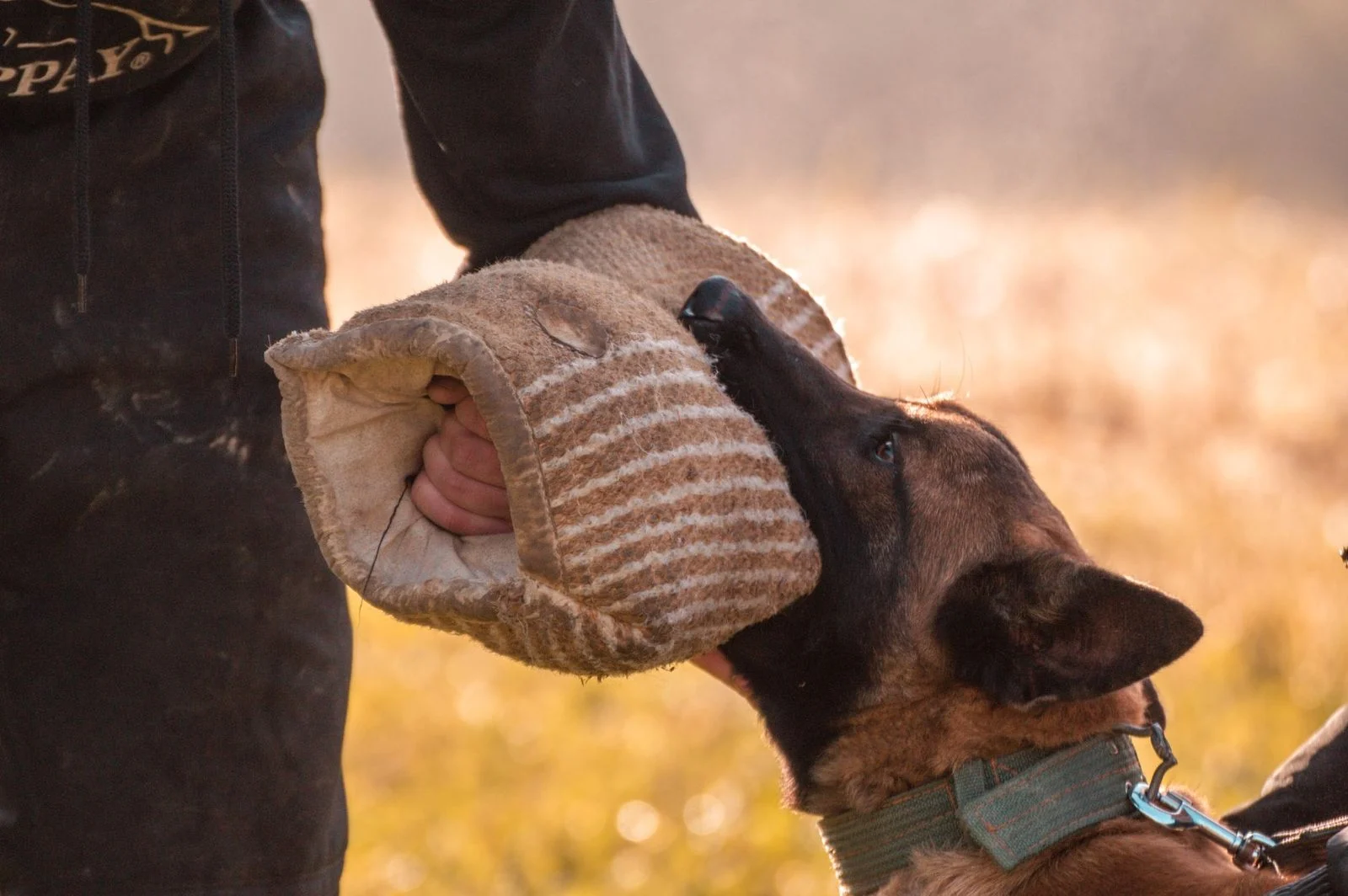
How Georgia Law Decides Who Is Responsible for a Dog Bite
Georgia law can hold a dog’s owner or keeper responsible when careless management causes an injury. Under O.C.G.A. § 51-2-7, a person who owns or keeps a vicious or dangerous animal of any kind and who, by careless management or by allowing the animal to go at liberty, causes injury to another person who does not provoke the injury by his own act may be liable in damages to the person so injured. It says a person who owns or keeps a vicious or dangerous animal may be liable when careless management, or letting the animal go at liberty, causes injury to someone who does not provoke it.
Two parts of that rule matter most. First, the law reaches a person who keeps the dog, not only the registered owner. Second, the statute focuses on how the owner or keeper managed the animal, including careless management and letting it go at liberty.
A bite alone does not decide the case. The claim turns on who had control of the dog and what that person did, or failed to do, before the attack.
Does Georgia Have a One-Bite Rule?
Georgia’s main dog statute focuses on how the owner managed the dog, not on counting bites. Many websites describe a “one-bite rule,” but the statute’s text is built around careless management and letting an animal roam.
That means a first bite can still lead to a claim. Examples include a gate left open so the dog got out, or a dog kept in a way the owner should have known was unsafe. Whether the owner’s conduct was careless depends on the facts of each bite.
The statute also includes a leash rule. If a city, county, or consolidated government ordinance required the dog to be on a leash, and the dog was not on one at the time, that alone is enough to show the dog’s vicious propensity. The statute’s wording is the same O.C.G.A. § 51-2-7 text cited above.
What “Permanent Injury” Means in a Dog Bite Claim
A permanent injury is one that does not fully heal and still affects the person after medical treatment ends. In a dog bite case, lasting harm often shows up in a few common forms. These include scarring and disfigurement, especially on the face, neck, or hands. They also include nerve or tendon damage, muscle loss, limited range of motion, and injuries that need reconstructive surgery.
Some nerve and spinal injuries can cause a loss of movement. Medical references describe paralysis as a loss of muscle function, and it can follow serious nerve or spinal cord injuries. MedlinePlus explains this condition in plain terms. For more context on severe harm, see our catastrophic injuries in Georgia guide.
Permanence is often unclear right after a bite. Doctors may wait to see how a wound heals before they describe lasting effects. A claim generally needs medical records showing the injury is lasting, from the doctors who treat it. Ongoing notes about daily limits can show how the injury changes everyday life.
What Damages May Be Recoverable for Lasting Dog Bite Injuries
Georgia law separates general damages from special damages. General damages are the harms the law presumes from a harmful act. O.C.G.A. § 51-12-2 says these can be recovered without proof of any exact amount. Pain, suffering, and scarring often fall into this group.
Special damages are losses that actually flow from the attack, such as medical bills and lost wages. These must be proved. Medical expenses are limited to the reasonable value of medically necessary care, as stated in O.C.G.A. § 51-12-1.1.
Permanent injuries often raise questions about future care and lost earnings. Georgia law lets the trier of fact reduce future economic losses to present value, using a 5 percent rate or another rate it finds appropriate, under O.C.G.A. § 51-12-13. Future needs usually require medical support from treating providers.
What Proof Is Needed for a Dog Bite Claim in Georgia?
A dog bite claim usually rests on medical records, proof of the dog’s history, and a clear account of the attack. Each piece helps show what happened and how the injury affects the person.
Start with medical records from the first visit through ongoing treatment. Photos of wounds at each stage of healing are useful. So are notes from surgeons, therapists, and treating doctors who track lasting limits.
Next, gather evidence about the dog. This includes prior complaints, animal control or police reports, and any earlier incidents. Records showing who owned or kept the dog also matter. So does proof of any local leash rule that applied at the location.
Witness statements, photos or video of the place, and a daily journal help too. A journal of pain, limits, and missed activities can document how the injury changes life over time. Medical bills also get reviewed closely. Georgia law lets both sides challenge whether charges were reasonable and needed, under O.C.G.A. § 51-12-1.1.
Not sure what your next step is?
Talk it through with our team — the first consultation is free, confidential, and carries no obligation.
How Long Do You Have to File a Dog Bite Lawsuit in Georgia?
Georgia generally gives two years to file a lawsuit for an injury to a person. O.C.G.A. § 9-3-33 sets this two-year limit. The clock runs from when the right of action accrues.
The statute also sets a four-year period for actions involving loss of consortium. This can matter for a spouse who has lost companionship because of the injury. The same statute sets different periods for other claims, so dates should be checked early.
Permanence may take months to become clear. How long a case takes depends on the injuries, the medical picture, and whether the claim settles or goes further. No one can name a set length before the facts are known. Keep a dated file of every visit, bill, letter, and call from the start.
How Georgia’s Comparative Fault Rules Can Affect a Dog Bite Claim
Georgia reduces a damage award by the injured person’s share of fault. It bars recovery entirely at 50 percent or more. O.C.G.A. § 51-12-33 states that a judge reduces damages in proportion to the plaintiff’s percentage of fault. It also says a plaintiff who is 50 percent or more responsible cannot receive any damages.
Dog bite cases often raise questions about provocation. The injury must not be provoked by the injured person’s own act under O.C.G.A. § 51-2-7. Some defendants argue that the person reached toward the dog, teased it, or entered a yard without permission. Whether those arguments fit depends on the facts of each incident.
Fault can also be assigned to other people or entities. These details need careful review from the start.
Talk With Our Team About a Possible Dog Bite Claim
A free, confidential first consultation can help you see how the facts of a bite fit Georgia law. If you are reading this for a parent, spouse, or child who is still healing, you may be juggling appointments, bills, and hard decisions. You don’t have to sort out permanence, deadlines, and fault on your own.
Our team can review what happened, the medical picture, and your questions about lasting harm. The first consultation comes with no obligation to continue. You can contact our team to request a free case review.
Important Information About This Page
This page is general information about Georgia law. It is not legal advice, and reading it does not create an attorney-client relationship. The law may change after publication, so check current law before relying on any point.
Peter F. Jaraysi is the responsible lawyer for this page. Slam Dunk Attorney is based in Duluth, Georgia, and represents people in Georgia. You can reach the firm through its contact page.
What We Look at in a Dog Bite Injury Claim
Medical records
Emergency care, surgical notes, imaging, and treatment plans help document how the injury happened and how it has affected your health.
Ongoing and long-term effects
Permanent scarring, nerve damage, and reduced movement are often best understood over time, with input from your treating providers.
Where the bite happened
Whether the attack occurred on private property, in a rental, or in a public place can shape the questions we ask about the dog's care and control.
The people involved
Information about the dog's owner, any witnesses, and prior incidents helps us build a clear picture of what happened.
Get Medical Care First
Your health comes first. Seek prompt medical attention for any bite, even if it looks minor, and follow your providers' instructions. Keep copies of bills, prescriptions, and photos of your injuries as they heal.
Injuries That Can Last Beyond the Bite
Scarring and disfigurement
Facial and visible scars can affect appearance, confidence, and daily routines for years after the wound heals.
Nerve and muscle damage
Bites to the hands, arms, or legs can injure tendons and nerves, leading to numbness, weakness, or limited movement.
Orthopedic injuries
Fractures, joint damage, and crush injuries may need surgery or long-term therapy and can change how you work and move.
Emotional impact
Fear of dogs, anxiety, and sleep problems after an attack are real effects that deserve attention alongside physical healing.