
Car Accidents | Duluth, Georgia and Metro Atlanta
Who Is at Fault After a Car Accident in Georgia?
A plain-language look at how fault comes up after a crash, and the practical steps that can help you protect your position while you recover.
By Peter F. Jaraysi · Published November 12, 2026
Who is at fault in a car accident in Georgia? The answer comes from the facts of the crash, not from one rule about who usually causes it. Each driver’s actions, the traffic rules that applied, and the available evidence all matter. This guide covers what to do first after a crash, then explains how fault is generally discussed under Georgia law. It is general information, not legal advice.
What to Do First After a Car Accident in Georgia
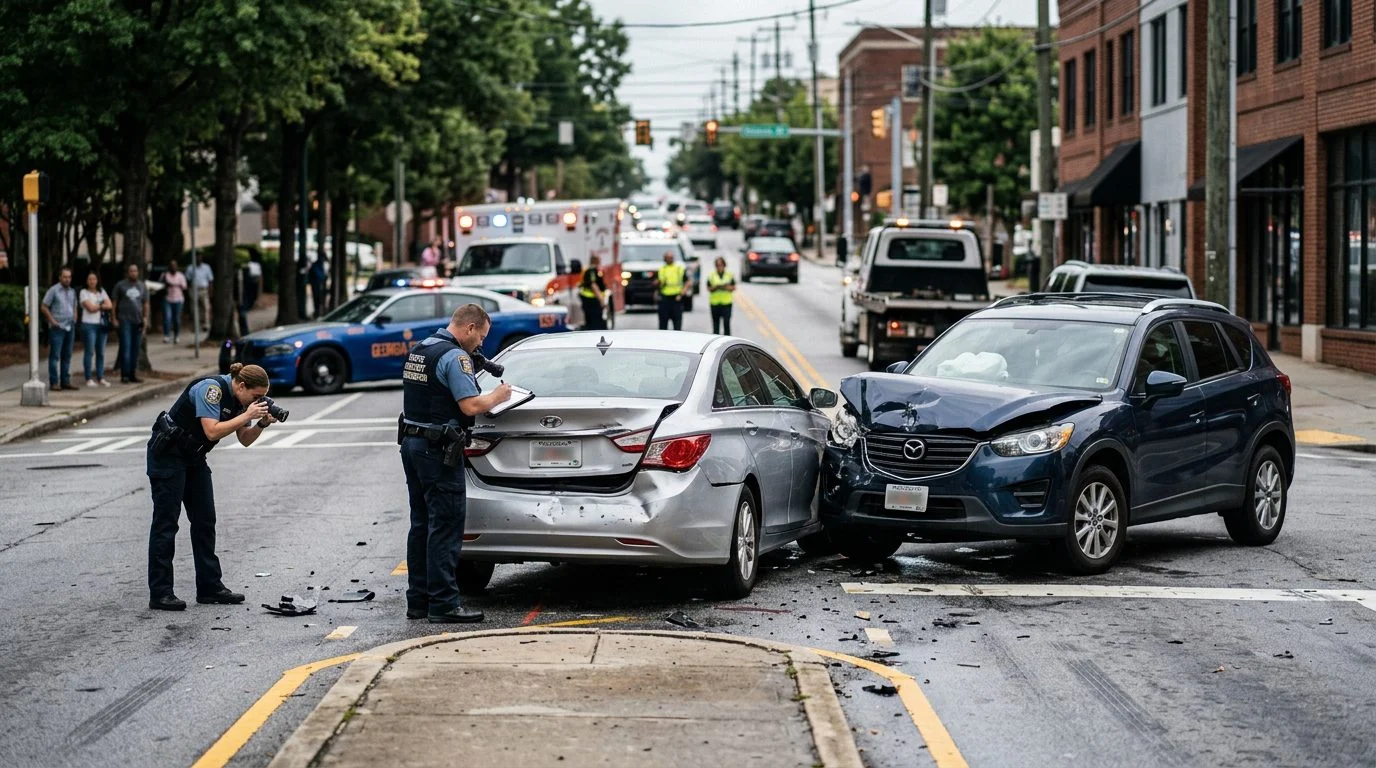
The first steps after a car accident are to check for injuries, call 911 when someone is hurt, move to safety if it is possible, exchange information, and seek medical care. These steps protect people first. They also help you keep track of key details while memory is fresh. The order below is one many people find useful, but your situation may call for a different order. Treat this checklist as general information, not legal advice.
If you are standing on a Georgia roadway, unsure who may be responsible, and deciding what to do next, you can talk it through with our team. Talk it through with our team — the first consultation is free, confidential, and carries no obligation.
Step 1: Check for Injuries and Call 911 When Needed
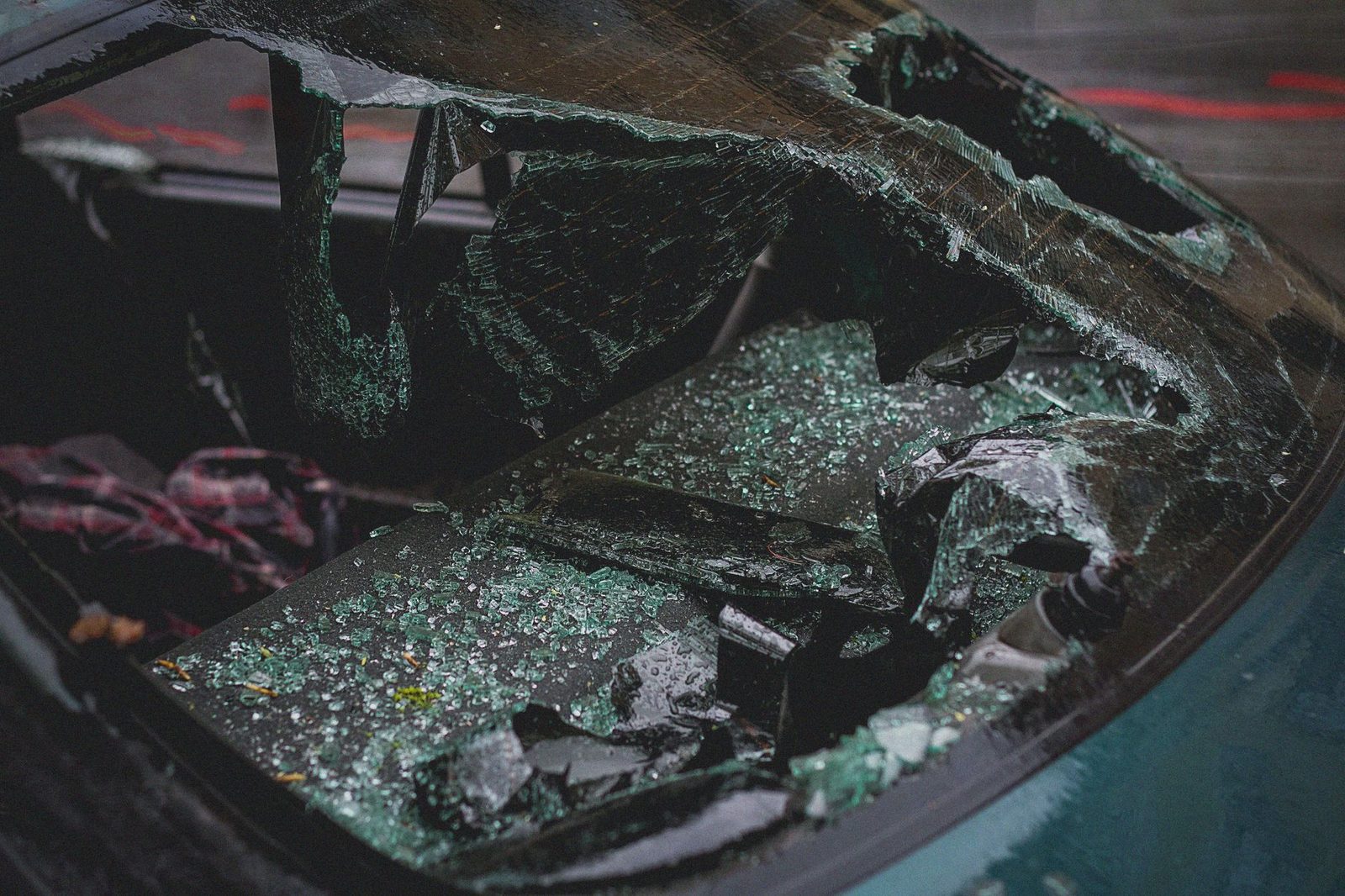
Start by checking yourself, your passengers, and anyone else involved for injuries. Stay still if moving could make an injury worse, unless you are in danger from fire or traffic. Call 911 when someone is hurt, when a vehicle blocks traffic, or when the other driver is uncooperative or drives away. Tell the dispatcher your exact location and any visible injuries. Ask for a police response. Some symptoms may not appear right away, so mention any pain you notice later to a medical provider.
Step 2: Move to Safety When It Is Possible
If the vehicles can be moved safely and the roadway is not blocked, move them to the shoulder or a nearby safe spot. Turn on your hazard lights. Use flares or reflective triangles if you have them, and stay away from active lanes. Do not move a vehicle if the move could cause more harm, or if someone may have a neck or spine injury. In that case, wait for emergency responders. Getting out of traffic can help reduce the risk of a second collision on busy roads, such as those across metro Atlanta.
Step 3: Exchange Information and Document the Scene
Collect the other driver’s name, phone number, address, insurance company, and policy number. Write down the license plate and a description of the other vehicle. Note the names and contact details of passengers and witnesses. Take photos of vehicle positions, damage, skid marks, traffic signals, road conditions, and the scene from several angles. Write down the date, time, weather, and location. Then write your own account of what happened. At the scene, describe what you saw and did. Avoid guessing about who was to blame, because guesses can be hard to walk back later.
Step 4: Seek Medical Care and Keep Records of Treatment
Some injuries are not obvious right after a crash. Soft tissue and head injuries can take time to show symptoms, so consider a medical evaluation even if you feel fine. Keep copies of visit notes, imaging results, prescriptions, and bills. These papers document the care you received. They do not, by themselves, decide who was at fault. Follow the treatment plan your provider recommends. A simple log of symptoms and appointments can help you describe your condition accurately later.
Step 5: Ask How to Obtain the Crash Report
If police responded, ask the officer for the report number and the agency that prepared the report. That agency may have its own process and timeline for providing a copy, so ask how to request it. When you receive the report, review it for accuracy. Look for errors in names, plate numbers, dates, or the description of events. A report may not capture every detail, so keep your own notes and photos. Ask the agency directly about any forms or charges, since those vary.
Not sure what your next step is?
Talk it through with our team — the first consultation is free, confidential, and carries no obligation.
Who Is at Fault in a Car Accident in Georgia?
Fault is decided by looking at the facts of the crash, including what each driver did and which traffic rules applied. Georgia’s comparative-fault statute, O.C.G.A. § 51-12-33, addresses how damages may be reduced when the injured person shares some fault. Under O.C.G.A. § 51-12-33, a judge reduces the damages in proportion to the plaintiff’s percentage of fault. The statute also provides that a plaintiff who is 50 percent or more responsible for the injury or damages claimed is not entitled to receive any damages. Police reports, witness statements, photos, and vehicle damage may be relevant to how fault is discussed. Whether a claim exists turns on the specific facts, so a lawyer can review your situation.
Who Is at Fault If Someone Cuts You Off?
A cut-off crash is a situation where fault is commonly questioned. A lane change, merge, or sudden move in front of another vehicle can lead to a collision. Several factors may be relevant. These include signaling, speed, following distance, lane position, traffic conditions, and what each driver could see. Dashcam video and witness accounts may also help show what happened. The driver who made the move is not automatically at fault, and the driver who was cut off is not automatically free of responsibility. How any law applies turns on the details of your situation, so please consult a lawyer about your own case.
Rear-End Collisions and Left-Turn Crashes: Common Fault Questions
Rear-end collisions and left-turn crashes raise fault questions that are often examined. In a rear-end crash, questions may include following distance, braking, signals, and whether the front vehicle stopped suddenly. In a left-turn crash, questions may include right-of-way, signal timing, oncoming traffic, sight lines, and whether the turning driver had a safe gap. No scenario is automatically one driver’s fault. Road conditions, traffic signals, and each driver’s actions may all bear on the outcome. Simple rules of thumb can miss details, so a review of the specific crash is the more reliable starting point.
What If I Think the Crash Was My Fault?
If you believe you caused the crash, still follow the same safety steps. Check for injuries, call 911 when needed, and get medical care. Your own share of fault may matter. Under the comparative-fault statute, the damages in a claim can be reduced by the injured person’s percentage of fault, and the statute bars recovery of any damages if the plaintiff is 50 percent or more responsible for the injury or damages claimed (O.C.G.A. § 51-12-33). Your own insurance is a separate question. Coverage turns on your policy terms, including liability coverage and any optional coverages. Read your policy or ask your insurer to explain it. A lawyer can explain how fault allocation may apply to your situation.
What Happens After a Hit-and-Run in Georgia?
If the other driver left the scene, call 911 right away. Describe the vehicle, its color and make if you can, and the direction it traveled. Note any plate numbers, even partial ones. Write down what you remember while it is fresh. If the driver cannot be identified, your own auto policy may include uninsured motorist coverage, so read your policy or ask your insurer how it applies to your crash. Whether that coverage applies turns on your policy and the specifics of the crash.
If you are standing on a Georgia roadway, unsure who may be responsible, and deciding what to do next, you can talk it through with our team. Talk it through with our team — the first consultation is free, confidential, and carries no obligation.
Talking With Insurance Companies After a Crash
Insurers may ask for a recorded statement or for medical authorizations. How you respond may turn on your policy and the details of your crash. Before you give a recorded statement or sign forms, you may want to speak with a lawyer. That is general guidance, not legal advice. Keep a copy of anything you sign. Stick to facts you know, and say so when you don’t know something. You can ask for requests in writing. Many people keep one folder with the crash report number, claim numbers, and the adjuster’s name.
Frequently Asked Questions About Car Accident Fault in Georgia
What happens if you do a hit and run in Georgia?
Call 911 right away and note what you can about the vehicle. Uninsured motorist coverage may apply, depending on your policy and the facts.
Who is at fault if someone cuts you off?
Fault is commonly questioned in cut-off crashes. Signaling, speed, following distance, and what each driver could see may all be relevant.
What happens if I crash my car and it’s my fault?
Georgia’s comparative-fault statute can reduce damages by a share of fault, and the statute bars any damages if the plaintiff is 50 percent or more responsible for the injury or damages claimed (O.C.G.A. § 51-12-33).
How do I look up an accident report in Georgia?
Ask the officer for the report number and the agency. Then ask that agency how to request a copy.
Is medical documentation required after a crash?
Medical records document the care you receive. Ask a medical provider about an evaluation, even if you feel fine at first.
Talk With Peter F. Jaraysi About Your Accident
Crash scenes are stressful, and a question about fault can come up quickly. If you are standing on a Georgia roadway, unsure who may be responsible, and deciding what to do next, you can talk it through with our team. Our first consultation is free, confidential, and comes with no obligation to continue. Reach out through our contact form to talk about your own accident with Peter F. Jaraysi of Slam Dunk Attorney in Duluth, Georgia.
Disclaimer: This page is general information, not legal advice, and reading it does not create an attorney-client relationship. Responsible lawyer: Peter F. Jaraysi, Slam Dunk Attorney, Duluth, Georgia. Contact information is available through the contact form.
Why Drivers Bring Their Questions to Our Team
Confidential first consultation
Your first consultation is free, confidential and comes with no obligation to continue.
Plain-language answers
We explain the questions that come up after a crash in terms you can follow, without legal jargon.
Focused on Georgia crashes
Our firm is based in Duluth and focuses on car, truck and motorcycle accident cases across metro Atlanta and Georgia.
Respect for what you are going through
Injuries, time off work and insurance calls are stressful. We aim to take as much of that load off you as we can.
Be Careful With Recorded Statements
An insurance adjuster may ask for a recorded statement soon after a crash. Before you answer, consider speaking with a lawyer, because your words can be used in ways you do not expect.
Practical Steps After a Georgia Car Accident
Get medical care
See a doctor even if you feel okay. Some injuries take days to show up, and a medical record helps document what happened.
Document the scene
If it is safe, photograph vehicles, road conditions, traffic signals and visible injuries. Write down names and contact details of anyone involved.
Keep your records
Save the police report number, repair estimates, receipts and notes about missed work. Organized records make it easier to review your situation.
Talk with our team
Contact us for a free case review. We can listen to what happened and explain your options in plain language.