

Personal Injury Claims · Duluth, Georgia
Understanding the Losses an Injury Claim Can Cover
Medical bills, lost income, daily life after an injury, and the other costs that come with a serious accident. Here is how these pieces are usually discussed.
By Peter F. Jaraysi · Published November 9, 2026
Accident Injury Compensation in Georgia: What You Can Recover
Not sure what your next step is?
Talk it through with our team — the first consultation is free, confidential, and carries no obligation.
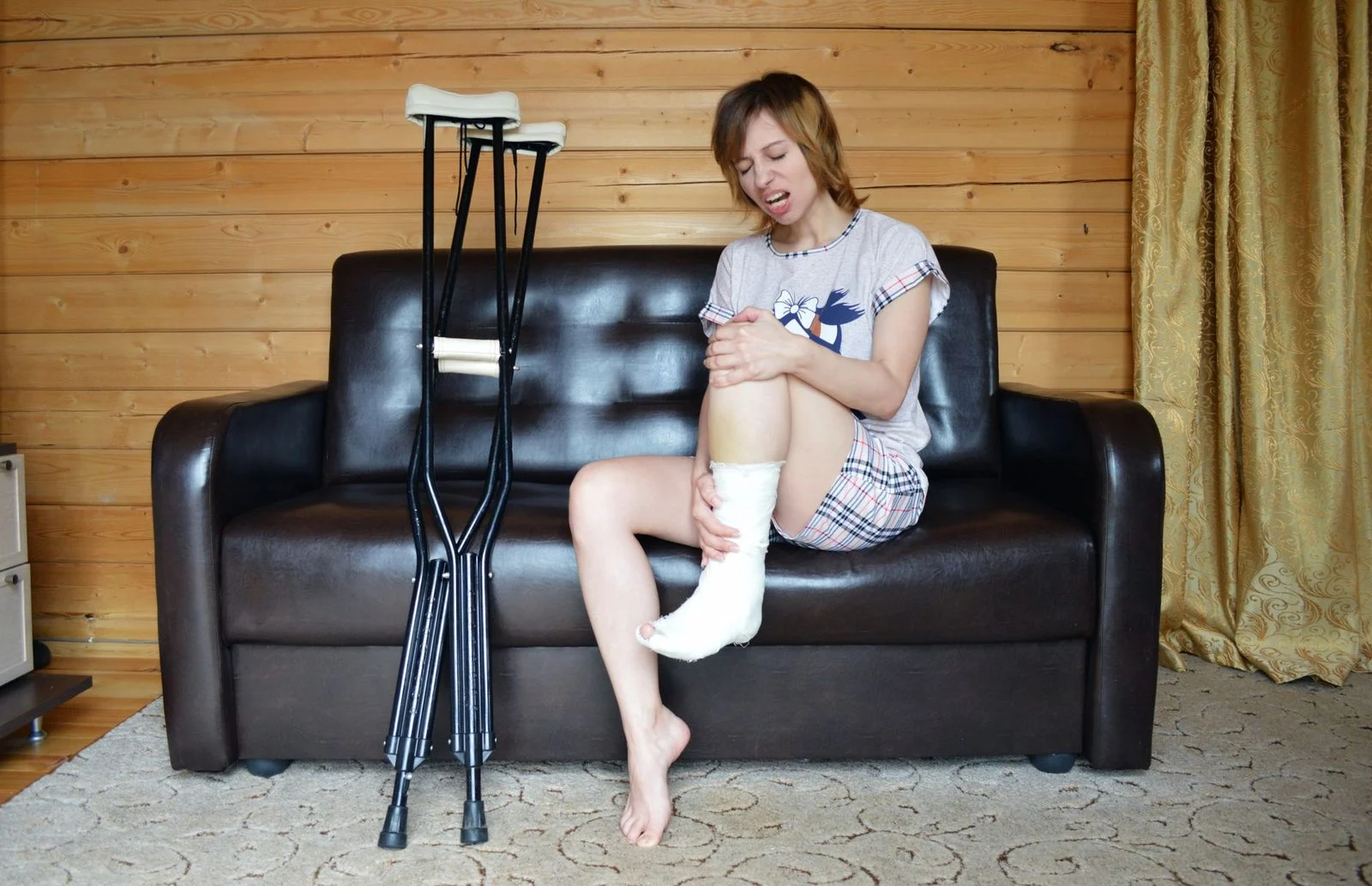
What accident injury compensation in Georgia can include: medical bills, lost wages, and pain and suffering?
Accident injury compensation in Georgia can cover several kinds of losses. In some cases, punitive damages may also be available. What you can actually recover depends on the facts of the crash and your injuries.
Georgia law sorts losses into groups. O.C.G.A. § 51-12-2 says some damages are presumed to follow from a wrongful act and can be recovered without proof of an amount. Other damages actually flow from the act, and you must prove them.
“Realistic” means tied to records. No formula produces a total. Each claim is built from documents that show what happened, what treatment you needed, and how the injury changed your daily life. Insurers and courts look for that proof.
The sections below cover each category, the fault rule that can reduce a recovery, the filing deadline, and how to talk with our team about your situation.
Economic damages: medical bills and other out-of-pocket losses
Economic damages are losses with a dollar value you can show on paper. Medical care is usually the largest item. It can include emergency transport, hospital stays, surgery, imaging, prescriptions, physical therapy, and equipment such as braces or a wheelchair.
Georgia allows recovery of medical and healthcare expenses from an injury, limited to the reasonable value of medically necessary care, treatment, or services. O.C.G.A. § 51-12-1.1 sets this rule.
Medical bills have a limit. Under O.C.G.A. § 51-12-1.1, medical expenses are limited to the reasonable value of medically necessary care. If the plaintiff has any form of public or private health insurance, including benefits under a governmental workers’ compensation program, the evidence relevant to the reasonable value of medically necessary care includes both the amounts charged and the amounts actually necessary to satisfy those charges under the insurance contract or the applicable program (O.C.G.A. § 51-12-1.1). One is the amount charged. The other is the amount actually necessary to satisfy those charges under the insurance contract or program. That is true whether or not you used your insurance.
Some providers treat patients under a letter of protection, which is a promise to be paid from a settlement or judgment.
Keep receipts, mileage logs, and every itemized bill.
Lost wages and loss of future earning capacity
Lost wages are income you missed because of the injury, from the accident date through recovery. Pay stubs, tax forms, and a letter from your employer showing time off are the strongest proof. A doctor’s note that says you could not work also helps.
Future losses are different. If the injury limits your ability to earn later, your claim may include lost earning capacity. This usually needs medical records that describe lasting restrictions. It may also need proof of how those limits affect the work you did before.
Self-employed people and workers with irregular pay face extra work. Invoices, booking calendars, bank deposits, and client messages about canceled jobs can show the loss. Many people skip writing these records down at the time. That makes proof harder later.
Pain and suffering and other non-economic damages
Pain and suffering covers physical pain, emotional distress, mental anguish, and loss of enjoyment of life. It does not come with a receipt. That makes it harder to prove than a medical bill.
Proof usually comes from medical records, the treatment history, and a journal of symptoms. Statements from family, friends, and coworkers can also show how daily life changed.
Severity and permanence matter. The Georgia Brain and Spinal Injury Trust Fund Commission publishes facts about spinal cord injury, including injuries tied to motor vehicle crashes. Lasting effects from a spinal cord injury, traumatic brain injury, or amputation can weigh heavily in this category.
Consistent follow-up care is part of the proof. Missed appointments give an insurer a reason to question how much you were hurt. Keep every appointment, and tell your provider every symptom.
When punitive damages may come into play
Punitive damages punish a defendant. They do not pay the injured person’s losses. Under O.C.G.A. § 51-12-5.1, the statute says punitive damages are awarded “not as compensation to a plaintiff but solely to punish, penalize, or deter a defendant.”
Not sure what your next step is?
Talk it through with our team — the first consultation is free, confidential, and carries no obligation.
How Georgia’s fault rules can reduce what you recover
Georgia uses modified comparative fault, which means your share of blame affects your recovery. O.C.G.A. § 51-12-33 says the judge reduces your damages in proportion to your percentage of fault. If you are 50 percent or more responsible, you recover nothing.
Here is a simple example. Suppose a jury finds your total losses at a set amount and assigns you 20 percent of the fault. Your award drops by 20 percent.
Each at-fault person pays only their own share. The statute says these damages are not joint liability and are not subject to contribution. The jury also considers the fault of everyone who contributed to the injury, even people who were never sued.
Insurers often look for reasons to put blame on the injured person. That is why the scene matters. Photos, the police report, witness names, and early medical care all help show what happened.
Why the facts of each accident injury compensation claim determine what is recoverable
Several factors shape what a claim can recover. These include the type and severity of the injury, the length of treatment, the strength of the fault evidence, available insurance, and how the injury affects daily life and work.
No two accidents are the same. A general average cannot show the value of your case. The Insurance Information Institute publishes Georgia’s minimum liability limits, which help set the coverage picture. Your own policy and the at-fault party’s policy both matter.
Evidence that commonly supports a claim includes the police report, photos of the scene and vehicles, witness statements, vehicle damage records, and medical documentation. A simple daily journal of pain, sleep, and activities can also support the claim.
Your facts are your own. The strength of your case depends on how these pieces fit together.
Georgia’s two-year deadline for an accident injury compensation claim
Most personal injury lawsuits must be brought within two years. Claims for loss of consortium, which means a spouse’s loss of companionship, have four years under the same statute. O.C.G.A. § 9-3-33 sets these time limits.
The clock runs from when the right of action accrues.
Claims against government entities can have shorter notice rules. These deadlines are short and easy to miss.

Talk with our team about your accident and your options
If you are reading this while handling hospital bills, missed paychecks, a damaged vehicle, or a loved one’s recovery, you are carrying a lot. You do not have to sort it all out on your own, and you do not have to decide anything today.
A conversation can help you see how these categories fit your injuries, your records, and your deadlines. Slam Dunk Attorney represents people hurt in car, truck, motorcycle, pedestrian, and rideshare accidents across metro Atlanta and Georgia. The first consultation is free, confidential, and carries no obligation to continue.
If a crash has left you with hospital bills, missed paychecks, or a long recovery, you may have a claim, and our team can walk through it with you. Request a free consultation to start.
Frequently asked questions
Can I recover pain and suffering in Georgia?
The answer varies with each case, so this is a question to discuss with our lawyers.
Does being partly at fault stop my claim?
In an action brought against one or more persons for injury to person or property, where a plaintiff is to some degree responsible for the injury or damages claimed, the trier of fact determines the plaintiff’s percentage of fault and the judge shall reduce the amount of damages otherwise awarded to the plaintiff in proportion to his or her percentage of fault, but the plaintiff shall not be entitled to receive any damages if the plaintiff is 50 percent or more responsible for the injury or damages claimed (O.C.G.A. § 51-12-33).
How long do I have to sue after a crash?
Most personal injury lawsuits must be brought within two years under O.C.G.A. § 9-3-33.
This page is general information, not legal advice. Peter F. Jaraysi is the responsible lawyer for this page at Slam Dunk Attorney in Duluth, Georgia.
How we can help you start
Plain-language answers
We explain the legal process in everyday terms so you can make informed decisions about your case.
A confidential first step
Our first consultation is free, confidential and comes with no obligation to continue.
Serving metro Atlanta and Georgia
Our firm is based in Duluth, Georgia, and represents injured people across metro Atlanta and the state.
Lawyers and support staff
Our lawyers and support staff work together to keep you informed at every stage of your claim.
Protect the details early
Keep copies of medical records, bills, repair estimates, pay stubs and any messages about the accident. Avoid posting details about your injuries or the crash on social media, since those posts can be used in discussions about your claim.
Common categories of loss
Medical expenses
Costs of treatment, from emergency care and surgery to physical therapy and future medical needs, are often part of the discussion.
Lost income
Time away from work, reduced hours and changes to your earning ability can all affect a claim.
Pain and suffering
Physical pain, emotional distress and the effect of an injury on your daily life are considered losses that can be discussed.
Property and other costs
Damage to vehicles or belongings, and out-of-pocket costs such as transportation and home care, are often documented as part of a claim.