
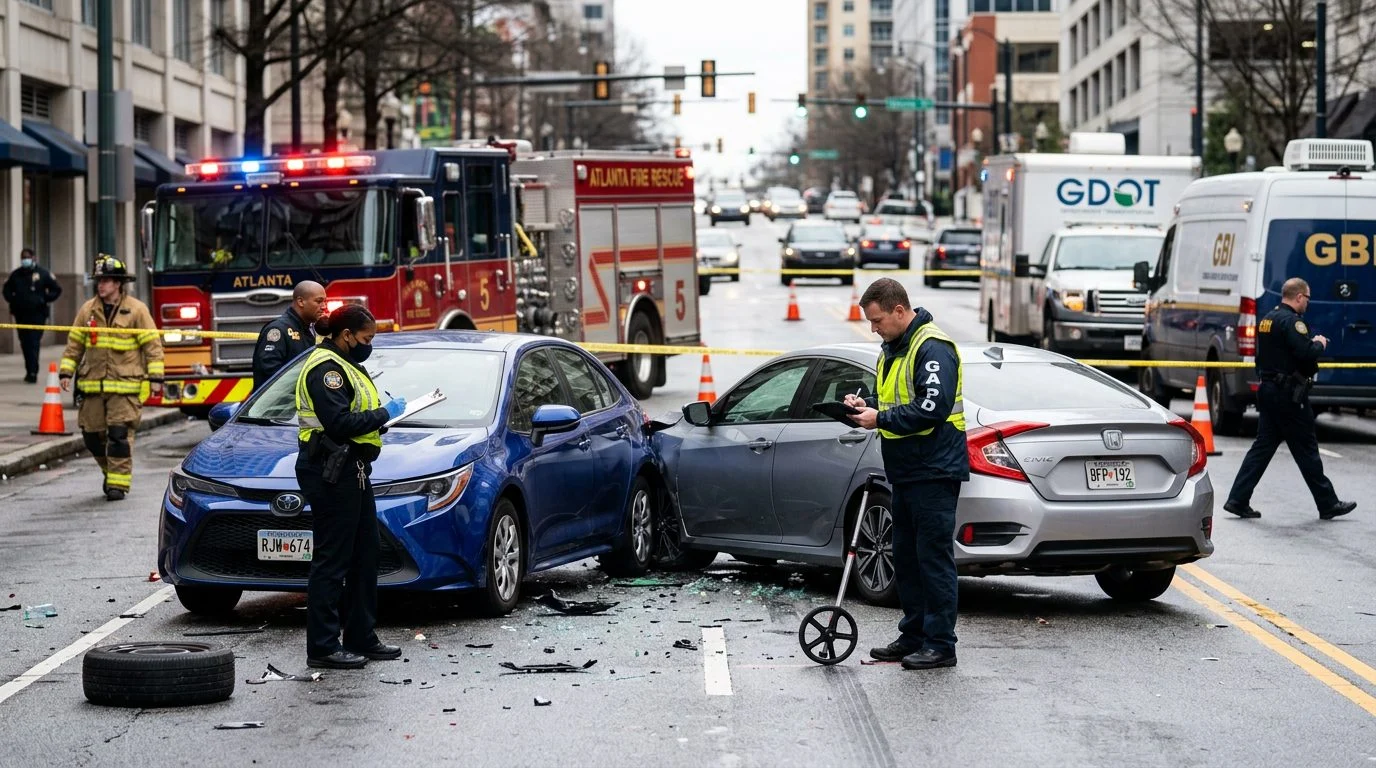
Car Accidents | Duluth, Georgia
Know What to Do After a Crash on Georgia Roads
Simple, practical steps that help protect you, your passengers and your options in the hours and days after a collision.
Habits That Help Prevent a Second Crash
Stay Visible and Aware
Keep your headlights on in poor weather, scan mirrors often and watch for drivers changing lanes without signaling.
Leave Room to Stop
Following distance gives you time to react when traffic slows suddenly, which is one of the most common causes of rear-end collisions.
Put Your Phone Away
Use hands-free settings before you drive, and let calls and messages wait until you have pulled over safely.
Drive Rested and Sober
Fatigue, medication side effects and alcohol all slow reaction time. If you feel impaired, arrange another way to get home.
By Peter F. Jaraysi · Published November 12, 2026
Car accident prevention starts the moment the crash happens. Your first job is to protect yourself and others from a second collision and from injuries you may not feel yet. After that, you can handle the paperwork, insurance calls, and deadlines in order. This guide walks through what to do right after a car accident in Georgia, step by step.
Check for Injuries and Call 911 First
Call 911 first if anyone is hurt or if the crash is blocking traffic. Then check yourself, your passengers, and the other drivers for injuries.
Some injuries don’t show up right away. Concussions and internal bleeding can hide behind a person who feels fine at the scene. Feeling okay in the first few minutes doesn’t mean you’re uninjured.
Check children and older passengers carefully. They may not describe pain clearly, so watch how they move and act.
When the dispatcher answers, give three details. Share your exact location, whether anyone is hurt, and whether any vehicle is blocking a lane. Name the road, the nearest exit or cross street, and your direction of travel. If you’re unsure whether you’re hurt, say so. Let the responders check you.
Not sure what your next step is?
Talk it through with our team — the first consultation is free, confidential, and carries no obligation.
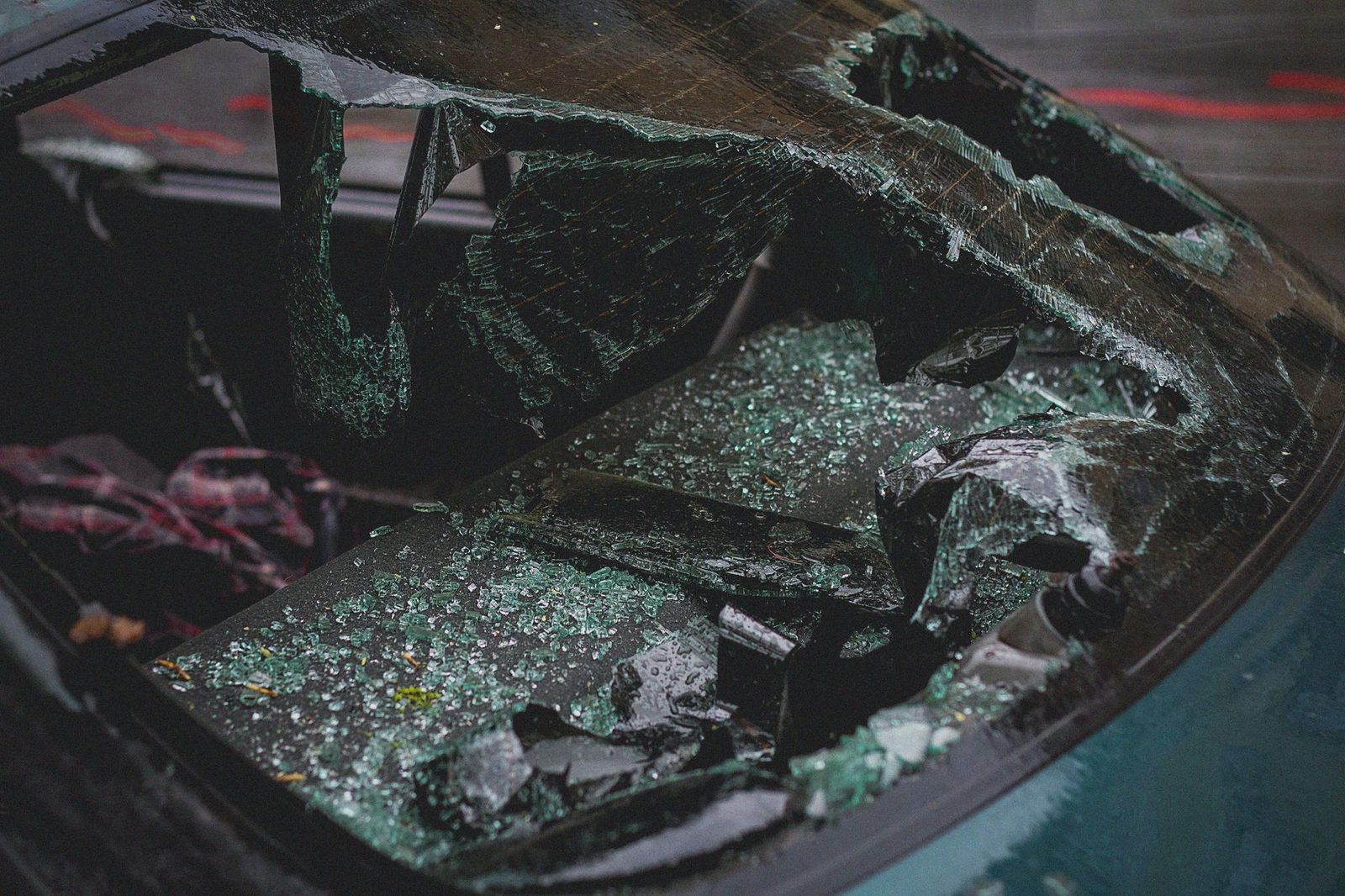
Car Accident Prevention at the Scene: Avoid a Second Crash
Preventing a second crash is the most urgent part of car accident prevention after the first impact. Turn on your hazard lights first. Then move vehicles out of active lanes, if the cars can roll and it’s safe to do so.
A second collision is a real risk. It’s most likely on busy highways, where drivers may be looking at the wreck instead of the road ahead. Low visibility, such as rain, fog, or night driving, adds to the danger.
If moving isn’t safe, stay away from traffic. Stand behind a guardrail or barrier, well off the roadway. Don’t stand between cars in an active lane. When the shoulder is narrow, many people wait inside a seat-belted car instead. For broader road-safety context, read our car accident guide.
Prevention also starts before a crash. Georgia law states that a person shall not drive while under the influence of alcohol, drugs, or other intoxicating substances to the extent that it is less safe for that person to drive. Wearing a seat belt matters as well. Under O.C.G.A. § 40-8-76.1, if an occupant of any motor vehicle with seat belts fails to wear one, in any seat, that may be considered as evidence in a civil action on issues such as negligence, comparative negligence, causation, and fault, and may be used to diminish recovery for damages, subject to the court’s rules on admissible evidence.
Stop, Exchange Information, and Report the Crash
Exchange these details with the other driver. Get their name and contact information, driver’s license number, license plate, insurance company and policy number, and a description of the vehicle. Write them down yourself. Don’t rely on memory or a photo of a card you might lose.
A police report matters most when there’s an injury or major damage. Ask the responding officer for the report number and write it down. If the crash involves injury or death, stay at the scene. Leaving can create problems on top of the crash itself.
Document the Scene With Photos, Notes, and Witnesses
Take photos of vehicle damage from several angles, including the license plates. Also photograph skid marks, traffic signals, road conditions, weather, and any visible injuries. Take more photos than you think you need.
Write down the time, the location, your direction of travel, and a short account of what happened. Do this soon, while your memory is fresh. Stick to facts you saw. Avoid guessing about what caused the crash.
Collect names and phone numbers from witnesses before they leave. Independent witnesses can describe the crash in ways the drivers can’t. Their accounts can help fill gaps later.
Keep receipts for towing, storage, and rental cars. These costs add up quickly. Also avoid posting about the crash or your injuries online.
Get Medical Care and Keep Every Record
See a medical provider the same day, even when your pain seems minor. Some injuries take hours or days to show symptoms. A same-day evaluation creates a record of how you felt right after the crash.
Medical records build a timeline that links your treatment to the crash. Follow the care plan you’re given. Gaps in treatment can make it harder to show how the crash affected you.
Keep everything in one place. Use a simple symptom journal, an appointment list, prescriptions, and bills. Note how pain, sleep, and daily tasks change from day to day. Those notes help when memory fades.
Also track missed work. Ask your employer for written records of time off.
Be Careful With Insurance Calls and Statements
Be careful with what you say to insurance companies. Adjusters often call quickly. You can ask for time to understand your injuries before you give a recorded statement.
Don’t guess about fault, speed, or injuries. Stick to facts you know. Don’t sign a release or accept a settlement until you understand what you’re giving up.
Fault matters in a Georgia injury claim, because a person’s own share of fault can reduce what they recover. Explaining how fault applies to your situation takes a close look at the facts.
If you choose to have a lawyer involved, the lawyer can speak with the insurer for you.
Not sure what your next step is?
Talk it through with our team — the first consultation is free, confidential, and carries no obligation.
Know the Deadlines That Apply in Georgia
Georgia sets time limits for filing injury lawsuits, and those limits can differ depending on who may be responsible for the crash. Crashes that involve a crime, such as a hit-and-run, can also raise timing questions, so it helps to ask early. Claims involving a city or the state can have different notice requirements.
Deadlines depend on the facts of your case. Write the date of the crash down, and set calendar reminders for key dates.
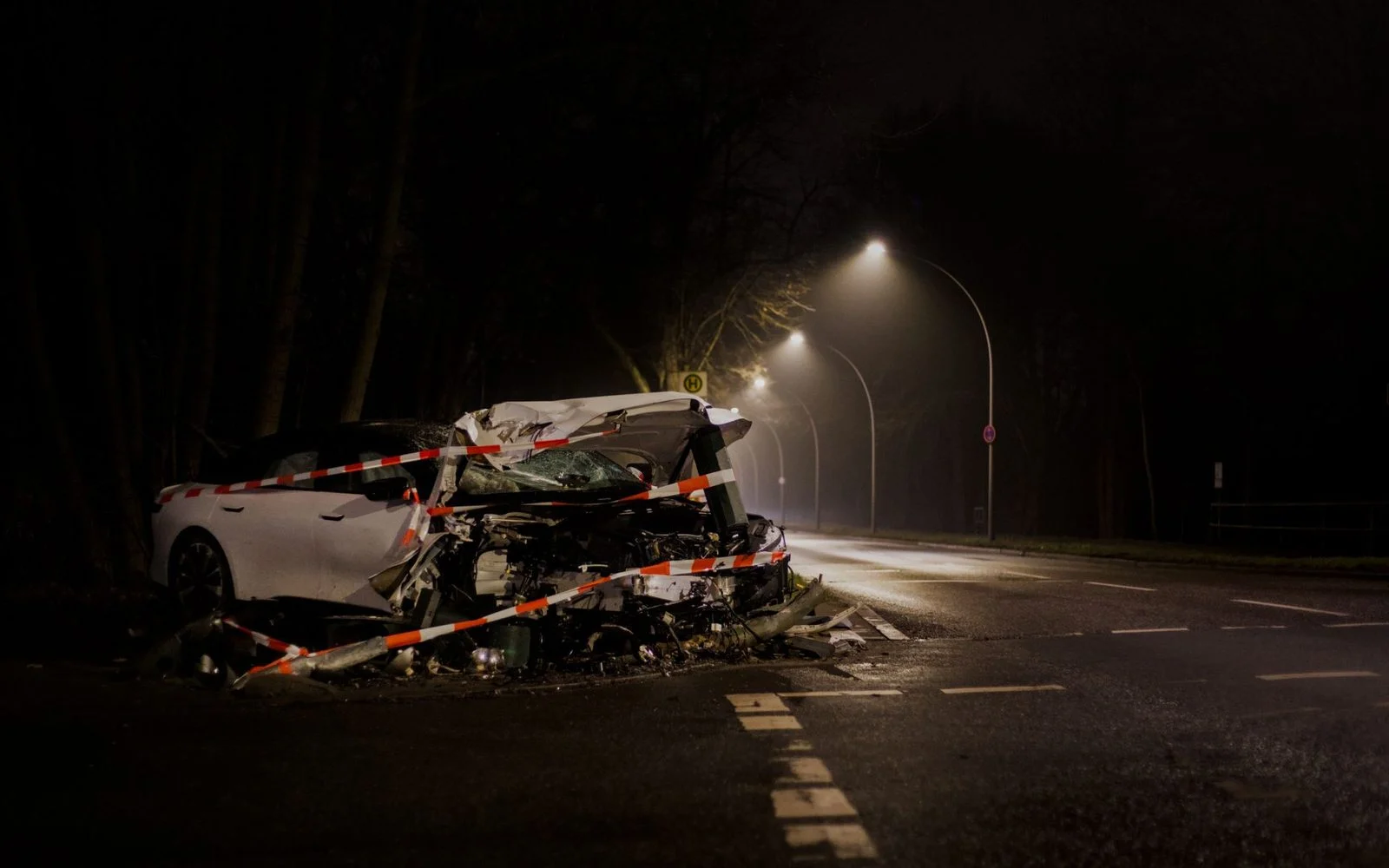
If You Are Deciding What Comes Next
If you’re in pain, missing work, dealing with a damaged car, and taking insurer calls, the next choice can feel heavy. That’s especially true if you’re handling this for an injured parent, child, or friend.
The decisions in front of you are concrete. Should you keep handling the insurance claim yourself? Is the injury serious enough to need a broader review? Do the deadlines above apply to your situation? Each answer shapes what comes next.
Slam Dunk Attorney is based in Duluth, Georgia. Our team can talk through those questions with you in a free first consultation. It’s confidential and carries no obligation to continue. Reach out through our contact page when you’re ready.
Frequently asked questions
What is car accident prevention at the scene?
It means avoiding a second crash. Turn on your hazard lights and move out of active traffic if it’s safe.
Do I have to stop after a crash in Georgia?
Stopping at the scene is important. Leaving a crash that involves injury can create problems on top of the crash itself.
How long do I have to file an injury lawsuit in Georgia?
Georgia sets a time limit for injury lawsuits, so it is important to act early.
Does my own fault affect a claim in Georgia?
Yes. A person’s own share of fault can reduce what they recover in a Georgia injury claim.
Disclaimer: This page is general information, not legal advice. Peter F. Jaraysi is the responsible lawyer for this page at Slam Dunk Attorney, Duluth, Georgia. Contact the firm through the contact page.
A Quick Word of Caution
Be careful about what you say at the scene and afterward. Avoid guessing about fault, and talk with a lawyer before giving a recorded statement to an insurance company.
What to Do Right After a Crash
Check for Injuries
Call 911 if anyone is hurt. Turn on your hazard lights and, if it is safe, move out of active traffic.
Document the Scene
Take photos of vehicles, license plates, road conditions, traffic signs and visible injuries from several angles.
Exchange Information
Get names, phone numbers, insurance details and driver's license information from everyone involved. Note witnesses too.
Get Medical Care
Some injuries, including whiplash and head trauma, may not show symptoms right away. A prompt medical evaluation creates an important record of your condition.