
Lawrenceville, Georgia | Road Safety
Lawrenceville's Busiest Crash Corridors and What to Do If You're Hurt
Knowing where crashes tend to cluster can help drivers, motorcyclists and pedestrians stay alert. If you were injured, Slam Dunk Attorney is ready to talk through what happened.
By Peter F. Jaraysi · Published October 21, 2026
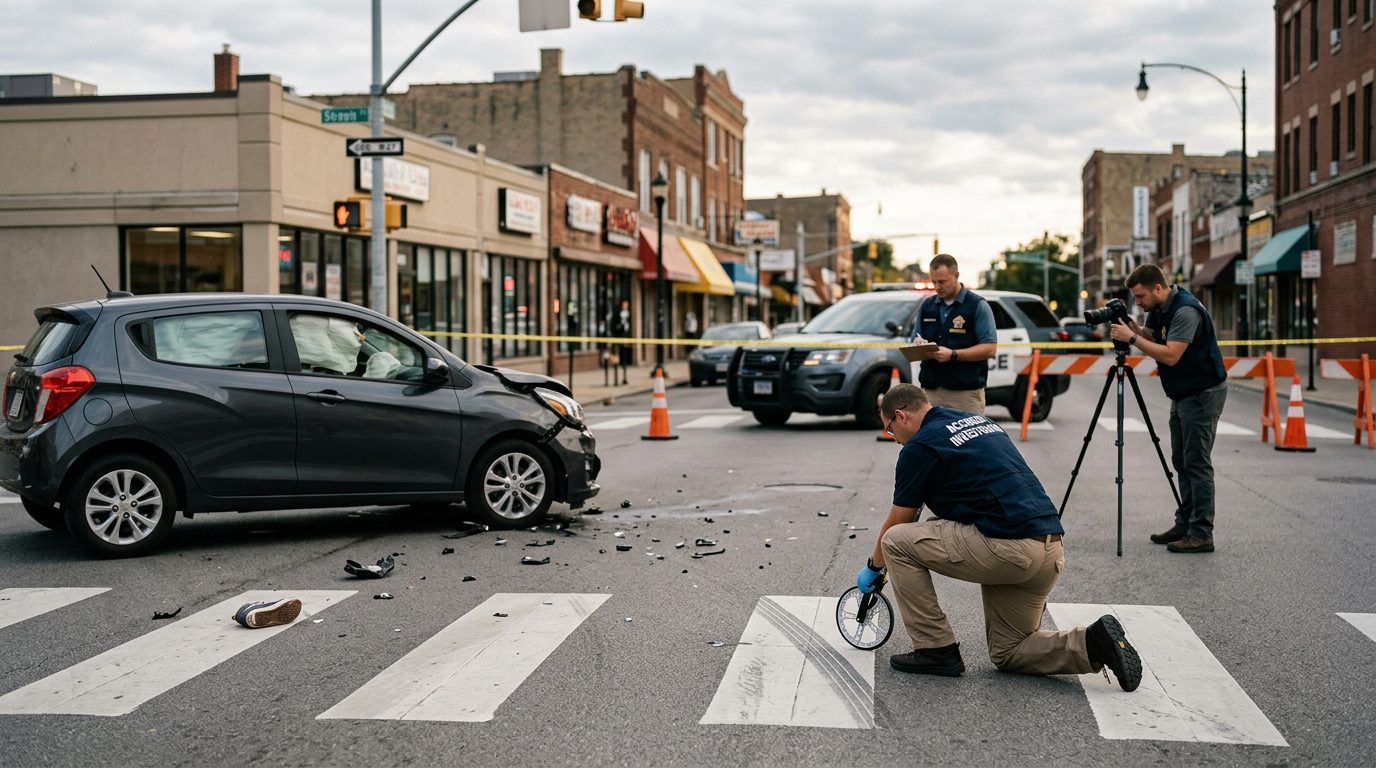
Accident hotspots in Lawrenceville are intersections and road stretches where reported crashes add up over time. Most share the same traits: heavy traffic, many turning vehicles, higher speeds and people walking nearby. This guide explains what drives those counts, how to read official crash data, and what to keep in mind if you were hurt at one of these places.
Why Lawrenceville intersections come up when people search for crash locations
Lawrenceville draws attention because a lot of traffic moves through it every day. As the county seat of Gwinnett County, the city sits on busy arterial roads and state routes that connect to Interstate 85 and nearby communities. Many readers drive these roads daily. Others search after a crash hurt them or someone they love.
A hotspot is a place with a higher count of reported crashes over time. It is not a prediction about any single trip, and most trips on busy roads end without a crash. Still, the statewide numbers show why road risk matters. The Insurance Institute for Highway Safety reports that Georgia had 1,403 motor-vehicle crash deaths in 2024, a rate of 12.5 deaths per 100,000 people (IIHS state-by-state fatality statistics).
If a crash on one of these Lawrenceville roads left you or someone you love hurt, our team can talk it through with you, with a free, confidential first consultation and no obligation to continue. Talk it through with our team — the first consultation is free, confidential, and carries no obligation.
What makes an intersection a crash hotspot
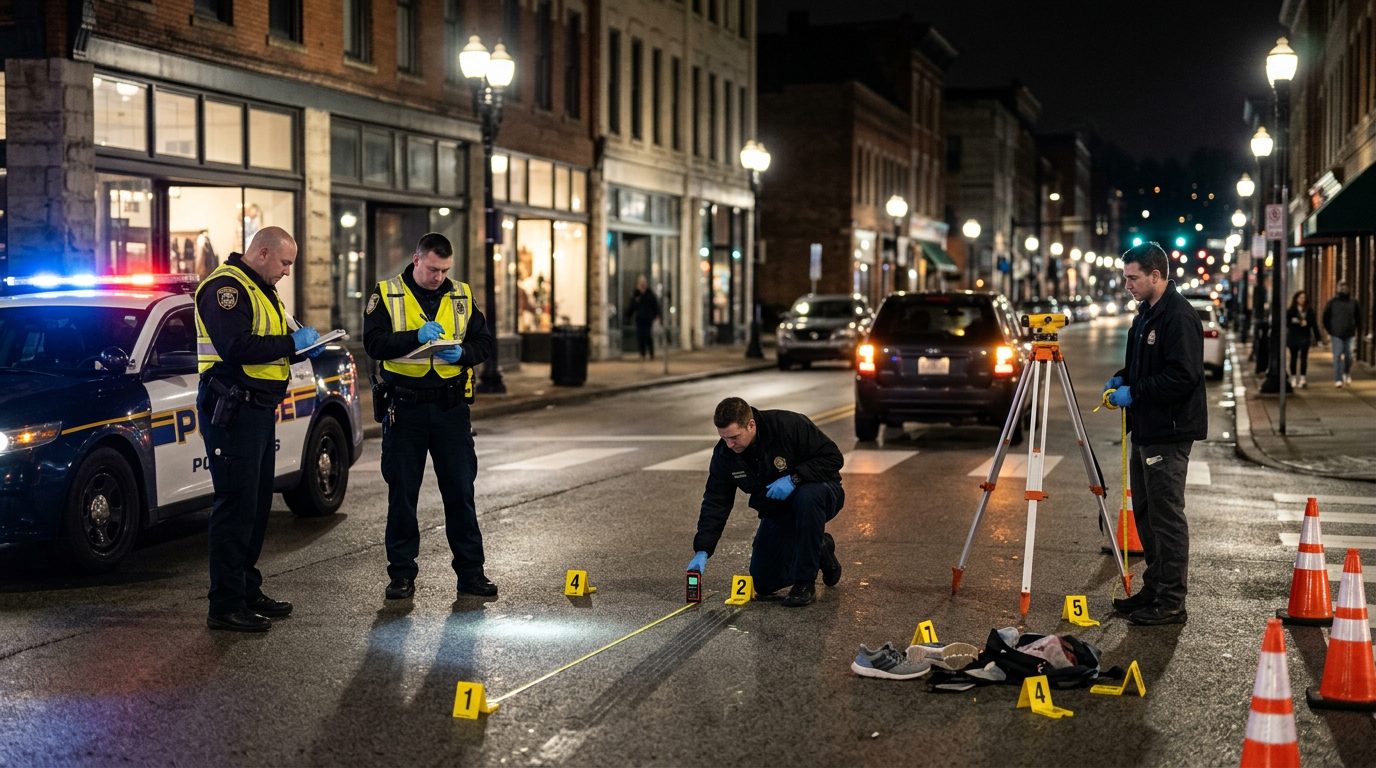
Crash hotspots usually combine heavy traffic, turning movements, speed and people on foot. Each factor adds risk.
Volume comes first. When many vehicles reach an intersection from several directions, drivers have more cars to watch. Sudden stops and missed signals become more likely.
Turning is the second factor. Left turns across oncoming traffic, shared turn lanes and driveways close to a signal all create conflict points. A driver turning left must judge gaps in fast-moving traffic.
Speed and signal timing matter too. Multi-lane arterials often carry faster traffic. A yellow light can send mixed cues, so some drivers stop hard while others try to clear the intersection.
Pedestrians add a final layer, since sidewalks, bus stops and parking lots often meet busy roads. Georgia law sets clear duties here. Under O.C.G.A. § 40-6-91(a), a driver must stop for a pedestrian in a crosswalk. This applies when the pedestrian is on the driver’s half of the road or approaching within one lane of it. Under O.C.G.A. § 40-6-92(c), between adjacent signalized intersections, pedestrians may not cross anywhere except a marked crosswalk.
How to check official crash data for Lawrenceville and Gwinnett County
Official crash data is the best starting point for seeing where crashes were reported. Start with the year range. One year can look very different from a three-year span, so compare several years. Next, check whether the count covers all crashes, injury crashes or fatal crashes. Then confirm whether the location is a single intersection or a longer road segment.
Gwinnett County and City of Lawrenceville traffic and engineering information can add context. Signal changes and road projects often explain shifts in traffic patterns. The Governor’s Office of Highway Safety also explains Georgia’s pedestrian right-of-way rules for crosswalks, intersections and signals. If you have a crash report, compare its date, time and location against the data.
Corridors and intersections that appear in the data
Crash patterns can change from year to year at the same location. Two crash types are tied to busy signal-controlled intersections. A rear-end collision happens when one vehicle strikes the back of another, often when traffic stops suddenly at a light. A left-turn collision happens when a turning driver and an oncoming vehicle meet inside the intersection.
Crash types often tell you more than a total count does. Look at what kinds of crashes the data records at a location, not only how many. Because one year can be unusual, look for a pattern across several years before drawing conclusions.
Road changes can shift those counts. Construction, a new traffic signal or a change in traffic flow can all affect where crashes happen. When you read any location’s numbers, compare the data years against the road changes you know about.
If a crash happened at a busy Lawrenceville intersection
Your health comes first after any crash. Get a medical evaluation promptly, even if you feel fine at the scene. Some injuries, including concussions and soft-tissue injuries, can appear hours or days later. Keep records of every visit.
Next, make sure a police report is filed. Write down the report number, the other driver’s insurance details and the names of any witnesses. If it’s safe, photograph the scene, traffic signals and road conditions. Keep a record of any time missed from work.
Fault can shape a claim. Georgia reduces damages by a person’s share of fault. Under O.C.G.A. § 51-12-33(a), the judge reduces the damages awarded in proportion to the plaintiff’s percentage of fault (O.C.G.A. § 51-12-33; Quynn v. Hulsey, 310 Ga. 473 (2020)). Under O.C.G.A. § 51-12-33(g), a plaintiff who is 50 percent or more responsible may not receive any damages (O.C.G.A. § 51-12-33; Quynn v. Hulsey, 310 Ga. 473 (2020)). Right-of-way rules help show fault. The Georgia Department of Driver Services publishes right-of-way rules, including duties at stop signs and intersections.
Timing matters as well. Georgia’s two-year filing deadline generally requires a personal-injury lawsuit to be filed within two years after the right of action accrues. Whether any claim succeeds depends on the facts of the crash, the injuries and the evidence.
Talk with a Lawrenceville car accident lawyer about your crash
Reading about road hazards is a sensible first step when you’re trying to understand what happened. A few common questions come up at this stage.
What are the accident hotspots and dangerous intersections in Lawrenceville?
Hotspots are locations where official crash counts run higher over a stated period. They are usually busy intersections with heavy traffic and turning movements.
What makes an intersection a crash hotspot?
Heavy traffic, turning movements, higher speeds and people walking nearby all add to crash risk.
Do pedestrians have to use crosswalks in Georgia?
Between adjacent signalized intersections, pedestrians may not cross outside a marked crosswalk, under O.C.G.A. § 40-6-92(c). O.C.G.A. § 40-6-92 reads: “(d) No pedestrian shall cross a roadway intersection diagonally unless authorized by official traffic-control devices.”
How long do I have to file a lawsuit in Georgia?
Georgia generally requires a personal-injury lawsuit to be filed within two years. The two-year rule comes from O.C.G.A. § 9-3-33.
Can I recover damages if I was partly at fault?
Georgia reduces damages by your share of fault. Under O.C.G.A. § 51-12-33, recovery is barred at 50 percent or more (O.C.G.A. § 51-12-33; Quynn v. Hulsey, 310 Ga. 473 (2020)).
If a crash on one of these Lawrenceville roads left you or someone you love hurt, our team can talk it through with you. The first consultation is free, confidential and comes with no obligation to continue. Contact Slam Dunk Attorney to start that conversation.
Disclaimer: This page is general information, not legal advice. Slam Dunk Attorney is based in Duluth, Georgia. The responsible lawyer for this page is Peter F. Jaraysi. Contact: https://slamdunkattorney.com/contact-us/
Why busy intersections call for extra caution
Heavy traffic and turning movements
Many crashes happen where vehicles merge, turn across oncoming lanes or wait for a gap in traffic.
Rush-hour congestion
Stop-and-go traffic and drivers in a hurry can raise the chance of rear-end and sideswipe collisions.
Pedestrians and cyclists nearby
Crosswalks, shopping centers and transit stops put people on foot close to fast-moving vehicles.
Changing conditions
Construction zones, faded markings, poor lighting and wet pavement can make a familiar intersection harder to navigate.
After a crash at an intersection
Get medical attention right away, even if you feel fine. Write down the time and location, take photos of the scene and vehicles, and keep records of your treatment. Be careful about discussing fault with other drivers or insurance adjusters before you have information about your rights.
Staying safer on Lawrenceville roads
Drivers
Check intersections carefully before turning, leave extra following distance in heavy traffic, and avoid distractions when approaching signals.
Motorcyclists
Watch for vehicles turning across your path, and assume drivers may not see you at busy crossings.
Pedestrians
Use marked crosswalks where available, make eye contact with drivers before stepping off the curb, and avoid crossing between parked cars.
Rideshare passengers
When possible, choose a safe pickup spot and buckle your seat belt. If a rideshare trip ends in a crash, our team can help you understand your options.
Hurt in a crash near a busy Lawrenceville intersection? Your first consultation is free, confidential and without obligation.
Related practice areas
- Wrongful Death Claims in Georgia: Can Family File Together?