
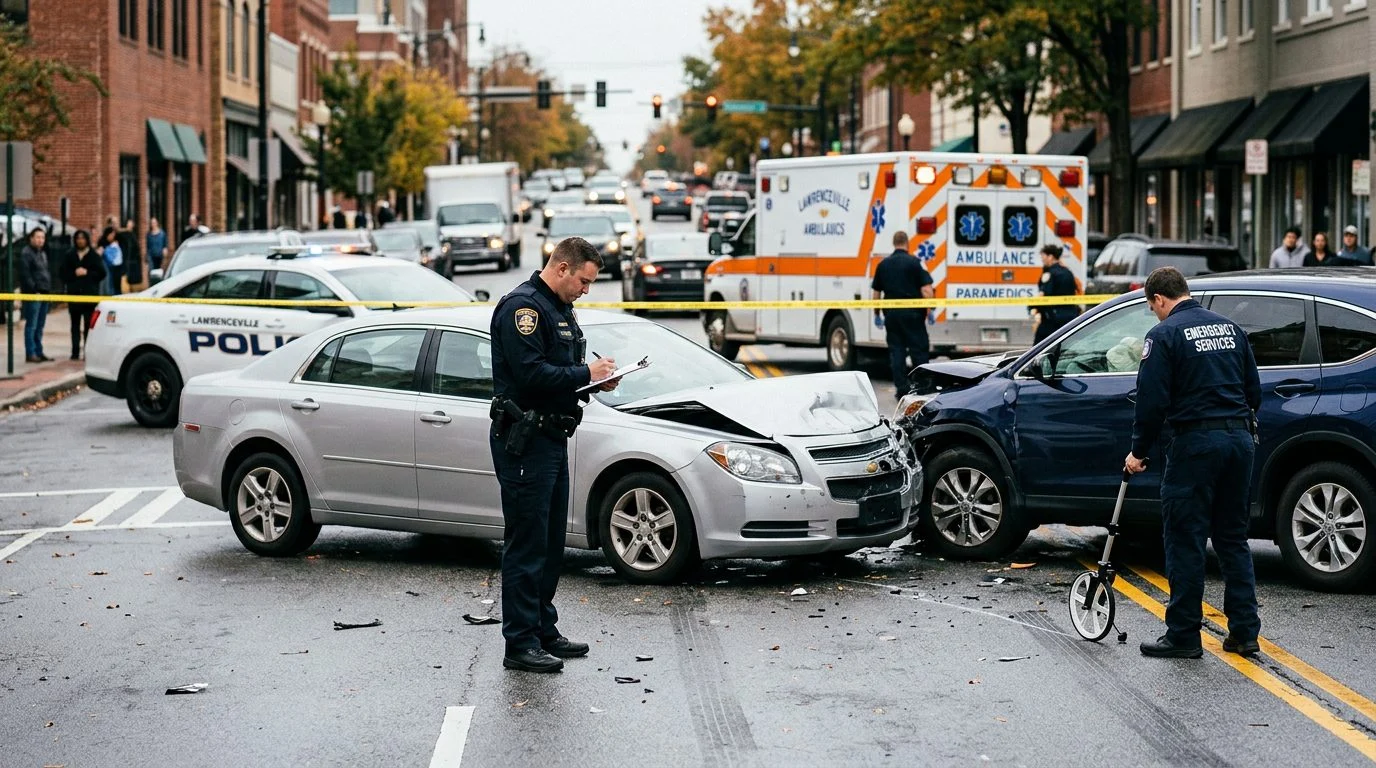
Car Accidents in Lawrenceville, Georgia
Factors That Increase Car Accident Risk in Lawrenceville
Understanding the everyday conditions behind many collisions can help you drive more defensively. If you have been hurt, our team is ready to listen and explain your options.
By Peter F. Jaraysi · Published November 15, 2026
What Factors Increase the Risk of Car Accidents in Lawrenceville?
What factors increase the risk of car accidents in Lawrenceville? Several factors work together. Driver behavior, heavy traffic, intersection design, weather and light, and vehicle type all add to the risk. This guide explains how each one plays a role on local roads.
Not sure what your next step is?
Talk it through with our team — the first consultation is free, confidential, and carries no obligation.
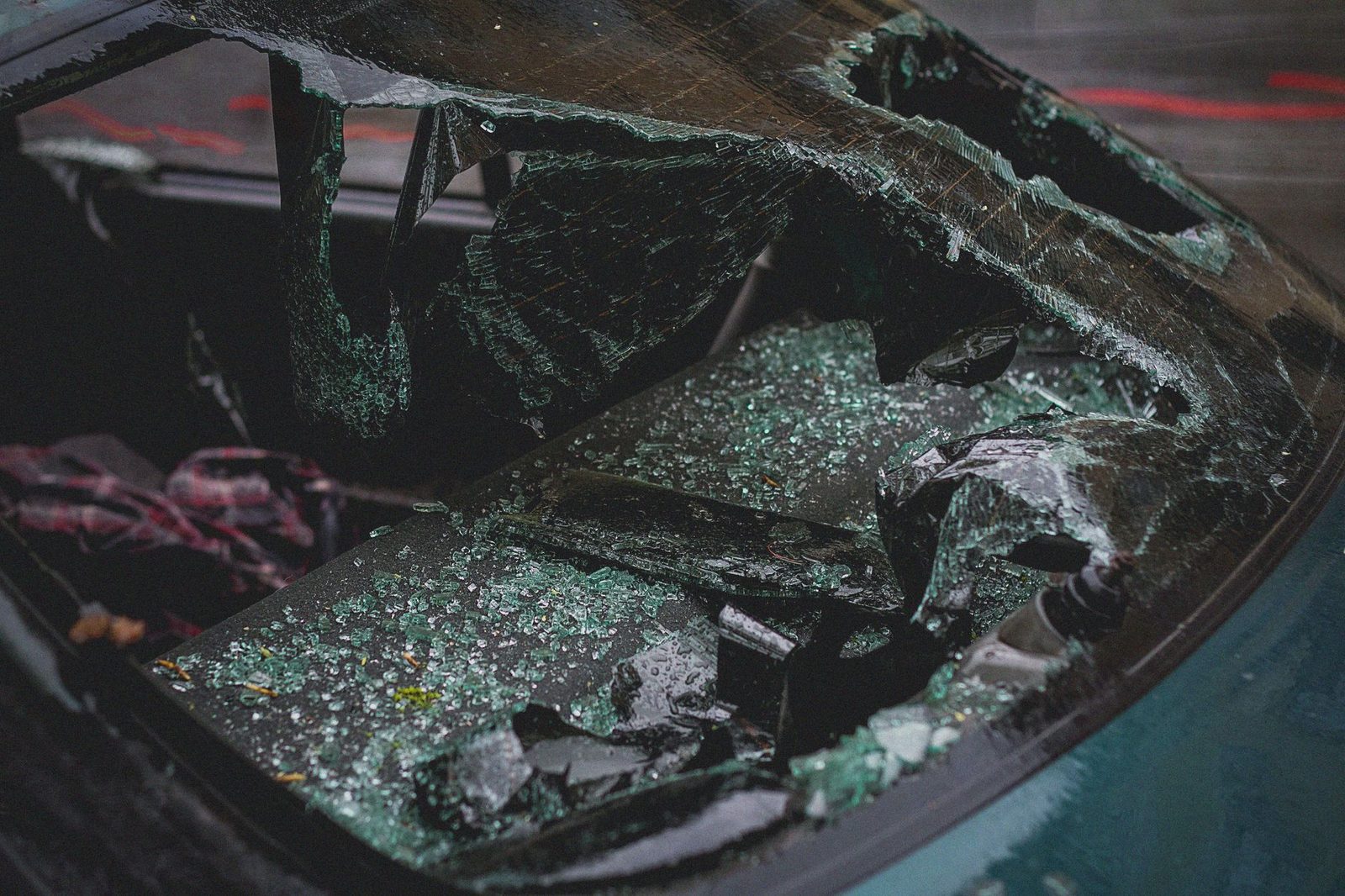
Why Crash Risk in Lawrenceville Depends on Several Factors at Once
Crash risk in Lawrenceville comes from several factors working together. The driver, the vehicle, the road, and the conditions at the time all matter.
A crash rarely has one cause. A tired driver on a wet road at a busy intersection faces more risk than an alert driver on a dry road with light traffic. Each added factor leaves less room for error.
This guide covers driver behavior, traffic on the main corridors, intersection design, weather and light, and vehicle type. It also covers pedestrians and motorcyclists, who face higher injury risk because they have less protection.
Keep one point in mind. A factor that raises risk in general does not decide who was at fault in a particular crash. Fault turns on the facts of each crash.
What Are the Most Common Causes Behind Car Accidents?
Speeding, distraction, impairment, fatigue, and failure to yield are among the most common driver behaviors behind crashes.
- Speed. Higher speeds increase crash severity and the likelihood of serious injury, according to the IIHS speed research.
- Distraction. Phones, touch screens, eating, and other tasks pull attention from the road.
- Impairment. Alcohol and drugs slow reaction time and weaken judgment.
- Fatigue. A tired driver reacts more slowly and may drift out of a lane.
- Failure to yield or follow signals. Running a red light, rolling through a stop sign, or turning in front of oncoming traffic.
These behaviors matter most on multilane roads. Drivers there have less time to react when traffic slows suddenly. A small lapse can turn into a rear-end crash in seconds.
How Heavy Traffic Increases the Risk of Car Accidents in Lawrenceville
Heavy traffic raises risk because more vehicles share the same space and change speed at the same time. Commuters, shoppers, school traffic, and delivery vehicles all use the same roads. Peak morning and evening periods bring the most conflicts between vehicles.
Several main roads carry much of this flow:
- I-85 (Norcross to Lawrenceville) carries heavy commuter traffic, and merging near interchanges is common.
- GA-316 (Athens to I-85) mixes through traffic with local trips.
- US-29 (Lawrenceville Highway) is a busy local route with many driveways and turning vehicles.
- GA-20 (Loganville to Lawrenceville) connects local and regional drivers.
- I-985 (Buford to Oakwood) links to the same regional network and carries commuter and freight traffic.
Stop-and-go congestion, sudden braking, and merging near interchanges are linked to rear-end and sideswipe crashes. The statewide numbers show the stakes. The Georgia Department of Public Health crash data also tracks hospitalizations and emergency-room visits from crashes.
Intersections and Road Design That Raise Risk
Intersections raise risk most when many vehicles cross, turn, or stop in the same small area. Left turns across oncoming traffic are a common source of collisions. The turning driver must judge a gap in traffic, and a misjudged gap can cause a crash.
Turning vehicles and through traffic meet there, so drivers must watch several directions at once. Closely spaced driveways add more points where cars enter or leave the flow.
Road design adds to the risk. Poorly timed signals, faded lane markings, and limited sight lines can each make it harder to see a hazard in time. Heavy turning volume adds more conflicts to the same space.
Interchange ramps and merge lanes also create speed differences. A driver entering the flow may need to match speed quickly. A driver exiting may need to slow sharply. Those differences are where collisions can occur.
Weather, Lighting, and Time of Day
Rain, wet pavement, and low light make crashes more likely because they reduce grip, sight, and reaction time. Safety researchers have linked bad weather and low light to higher crash rates.
Rain lengthens stopping distances. On multilane roads, standing water can cause hydroplaning, when tires lose contact with the pavement. A driver following too closely has even less room to stop in wet conditions.
Dusk, dawn, and nighttime driving reduce visibility. Drivers have less time to see pedestrians and cyclists, who can be hard to spot in dim light.
Time of day matters for different reasons. Rush hour adds risk through congestion and stop-and-go traffic. Late-night hours add risk through impairment and fatigue.
Not sure what your next step is?
Talk it through with our team — the first consultation is free, confidential, and carries no obligation.
Commercial Vehicles, Trucks, and Rideshare Drivers on Local Roads
Commercial vehicles add risk because their size changes how they stop and turn. Heavy trucks need longer stopping distances than cars. They also have larger blind spots, which raises risk around merges and lane changes.
Federal rules set limits on commercial drivers. Under 49 C.F.R. § 392.80, no driver may engage in texting while driving, except when necessary to communicate with law enforcement officials or other emergency services, and that rule covers a truck stopped in traffic. 49 C.F.R. § 392.82 bars hand-held phone use while driving a commercial vehicle, except when necessary to communicate with law enforcement officials or other emergency services.
Rideshare cars add stops, pickups, and drop-offs on busy streets. Under O.C.G.A. § 40-1-193, drivers must also keep digital identification on their smartphones while active on the network.
When a commercial vehicle is involved, additional parties and records may be relevant. What applies depends on the facts.
Pedestrians, Motorcycles, and Other Vulnerable Road Users
Pedestrians and motorcyclists face higher injury risk because they have little protection when a crash happens. Georgia law sets duties for both drivers and people on foot.
Under O.C.G.A. § 40-6-92, a pedestrian crossing outside a crosswalk must yield to vehicles, unless the pedestrian has already, and under safe conditions, entered the roadway. Between adjacent signalized intersections, pedestrians may not cross except in a marked crosswalk. O.C.G.A. § 40-6-93 requires every driver to use due care to avoid colliding with any pedestrian on the roadway.
Under O.C.G.A. § 40-6-315, a rider must wear protective headgear that meets state standards. A motorcycle without a windshield requires an approved eye-protective device. O.C.G.A. § 40-6-315 reads: “(b) No person shall operate or ride upon a motorcycle if the motorcycle is not equipped with a windshield unless he or she is wearing an eye-protective device of a type approved by the commissioner of public safety.”
Motorcyclists are also hard for drivers to see, especially when a driver is turning or changing lanes. These crashes often follow the same patterns as other collisions: rear-end, lane-change, left-turn, and failure-to-yield.
If Someone You Care About Was Hurt in a Crash Here
If you’re reading this for a family member or friend, you may be facing a crash you did not choose. The questions can feel heavy. What caused the crash, who may be responsible, and what paperwork comes next? You may be trying to help someone while managing your own worry.
The decision in front of you is whether to contact Slam Dunk Attorney for a free, confidential first consultation about the crash, the injuries, and the paperwork that may follow, with no obligation to continue. Peter F. Jaraysi is the responsible lawyer for this page. Our team offers a free, confidential initial consultation with no obligation to continue. You can reach out through the Slam Dunk Attorney contact page.
Frequently Asked Questions
What are common causes of car accidents?
Common causes include speeding, distraction, impairment, fatigue, and failure to yield. These are contributing factors, and they do not decide fault by themselves.
Does a risk factor decide who was at fault?
No. A risk factor describes a pattern, and fault in any crash turns on its own facts.
Can I recover damages if I was partly at fault?
Georgia reduces damages by the injured person’s share of fault. Under O.C.G.A. § 51-12-33, a person 50 percent or more at fault recovers nothing (O.C.G.A. § 51-12-33; Quynn v. Hulsey, 310 Ga. 473 (2020)).
How Our Team Can Help After a Crash
Listening first
We start with your account of what happened and how you are doing, so we understand the full picture before discussing next steps.
Organizing the facts
Our team looks at crash reports, photos, medical records and other documentation to build a clear picture of the collision.
Standing up for injured people
We focus on protecting injured people and pursuing the compensation their recovery may require, with honest communication at every stage.
Clear, plain-language updates
You will know what is happening with your case and why, without legal jargon getting in the way.
Do Not Wait to Get Checked
Some injuries, including whiplash, concussions and internal injuries, may not show symptoms right away. Seek medical evaluation after any crash, even if you feel fine, and keep records of your visits.
Common Conditions That Raise Crash Risk
Speeding and aggressive driving
Higher speeds leave less time to react and make collisions more severe, especially on busy corridors around Lawrenceville.
Distracted driving
Phones, navigation screens, eating and conversations pull attention away from the road for seconds that can matter a great deal.
Impaired or drowsy driving
Alcohol, drugs, medication side effects and fatigue all slow reactions and weaken judgment behind the wheel.
Busy intersections and left turns
Congested intersections, signal changes and turns across traffic create frequent points of conflict between drivers.