
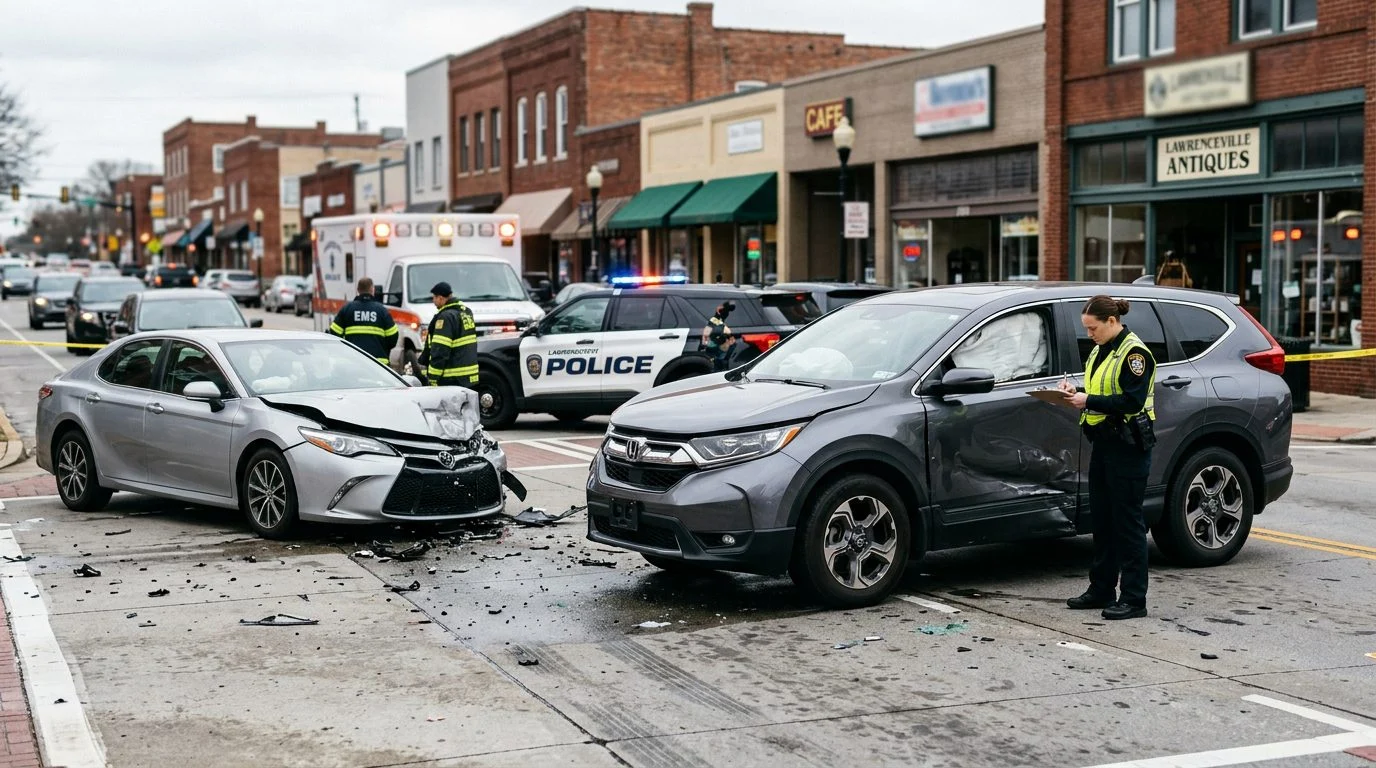
Lawrenceville, GA | Car Accidents
What Commonly Leads to Car Crashes on Lawrenceville Roads
Knowing the usual patterns can help you make sense of what happened after a collision. Here is what to look for, and how our team can talk through your situation.
By Peter F. Jaraysi · Published November 11, 2026
What Are the Most Common Causes of Car Accidents in Lawrenceville?
Not sure what your next step is?
Talk it through with our team — the first consultation is free, confidential, and carries no obligation.
The Short Answer: What Are the Most Common Causes of Car Accidents in Lawrenceville?
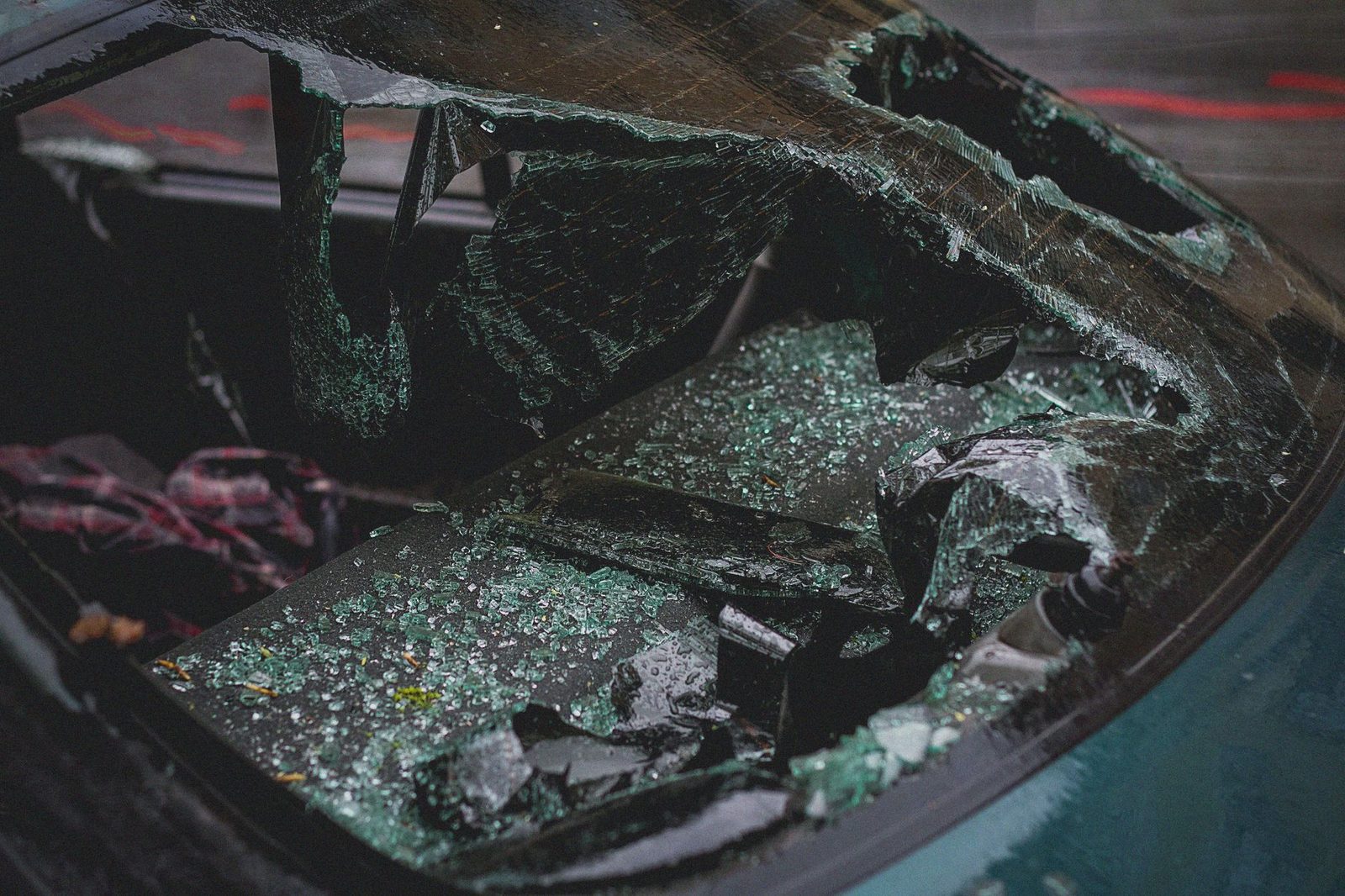
What are the most common causes of car accidents in Lawrenceville? The main causes are driver behaviors: distraction, speeding, impairment, failure to yield, drowsy driving, and poor weather or road conditions. Highway safety researchers have long linked crashes to choices like these.
Lawrenceville sits in Gwinnett County, northeast of Atlanta. Its roads carry local drivers, commuters heading into metro Atlanta, and people passing through. That mix means several causes often overlap. A driver who looks at a phone in slow traffic and then brakes hard is dealing with two problems at once.
Each section below covers one pattern, the Georgia or federal rule that applies to it, and what usually matters after a crash. These are common patterns, not predictions about any one trip. Every crash has its own facts, and the same cause can play out differently from one crash to the next.
Distracted Driving on Lawrenceville and Metro Atlanta Roads
Distracted driving is any activity that pulls your attention away from the road. Stop-and-go traffic on busy corridors such as Interstate 85 gives distraction many chances to cause a crash.
Distraction usually comes in three forms. Visual distraction takes your eyes off the road. Manual distraction takes your hands off the wheel. Cognitive distraction takes your mind off driving. A driver who reads a text can do all three at once.
Common distractions include handheld phones, texting, eating, adjusting navigation, and turning to talk with passengers or screens. Many people think a quick glance is harmless. In heavy traffic, a short glance is often enough to miss the car ahead slowing down.
Distraction often leads to rear-end collisions and lane drifting. A driver who looks away may not notice traffic slowing until it is too late to stop. Commercial drivers face stricter federal rules. 49 C.F.R. § 392.80 bars texting while driving a commercial motor vehicle. 49 C.F.R. § 392.82 bars using a hand-held mobile telephone while driving one, with narrow emergency exceptions.
Speeding and Aggressive Driving
Speeding causes crashes because it shortens the time a driver has to react. It also makes crashes more severe. The Insurance Institute for Highway Safety states that higher vehicle speeds increase crash severity and the likelihood of serious injuries (IIHS speed research).
Speed affects more than the moment of impact. At higher speeds, a car covers more ground before the driver can brake. That makes it harder to stop when traffic slows suddenly. Sudden slowdowns are a common setup for chain-reaction crashes on congested roads.
Aggressive driving often goes with speeding. Common examples include tailgating, weaving between lanes, and running a yellow or red light to beat traffic. Each move leaves less room for error for the driver and for everyone around them.
Speeding deserves extra attention on wide roads where the posted limit changes quickly. A driver who misses a lower limit can enter a slower zone at a dangerous speed. Commercial trucks have a related rule. 49 C.F.R. § 392.6 says motor carriers may not schedule runs that would require speeds above the posted limits.
Impaired Driving in the Atlanta Area
Impaired driving means driving after alcohol, illegal drugs, or certain medicines have reduced your ability to drive safely. Impairment slows reaction time and weakens judgment, and it can happen at any hour.
Impairment is not limited to alcohol. Some prescription and over-the-counter medicines cause drowsiness or slow reactions. Many drivers do not realize how much a medicine affects them until they are behind the wheel.
Impaired drivers often show clear signs. Their lane changes may be erratic. They may brake late or brake too hard. They may misjudge gaps when merging or turning. Other drivers have little time to react when these signs appear.
Teen drivers face a related risk. The Insurance Institute for Highway Safety’s research on teen drivers lists alcohol, nighttime driving, and inexperience among the factors that raise teen crash risk (IIHS teen driver research).
Impairment can matter in a civil injury claim, too. Under Georgia’s fault rules, the trier of fact divides fault among the people who contributed to a crash (O.C.G.A. § 51-12-33). A criminal case and a civil injury claim are separate matters.
Failure to Yield, Red-Light Running, and Intersection Crashes
Many intersection crashes happen when a driver fails to yield, runs a red light, or misjudges a gap in traffic. These crashes often involve left turns, side-street exits, and busy commercial areas.
Left turns across oncoming traffic are a frequent setup. A driver may judge that a gap is big enough and be wrong. Drivers pulling out from a side street or parking lot face the same problem when parked cars or landscaping block their view.
Red-light running and failure to yield at four-way stops are common in suburban commercial areas. A driver who rushes a light or rolls through a stop sign can cross into the path of a car that has the right of way.
Pedestrians are part of this picture. A driver must stop and stay stopped to let a pedestrian cross within a crosswalk when the pedestrian is on the driver’s half of the road or approaching within one lane of it (O.C.G.A. § 40-6-91). A pedestrian may not suddenly leave a curb and walk into the path of a car that is too close to stop. Every driver must also use due care to avoid colliding with any pedestrian on the road (O.C.G.A. § 40-6-93).
Not sure what your next step is?
Talk it through with our team — the first consultation is free, confidential, and carries no obligation.
Fatigued and Drowsy Driving
Drowsy driving causes crashes because a tired driver reacts more slowly and pays less attention. It works much like impairment. Tired drivers often do not realize how sleepy they are until they start drifting.
Common situations include long commutes, early-morning or overnight shifts, and long highway trips. A driver who has been awake for many hours and then drives a long stretch faces higher risk. Trips through the Atlanta region can run long, even for people who know the roads.
Watch for warning signs. Drifting between lanes, missed exits, yawning, and trouble keeping your eyes open are all signals to pull over safely and rest.
Commercial drivers have specific federal limits. 49 C.F.R. § 392.3 says no driver may operate a commercial motor vehicle while fatigue, illness, or any other cause has left the driver’s ability or alertness so impaired that driving is unsafe.
Drowsy driving can be hard to prove after a crash. The driver may not admit being tired, and no passenger may have noticed. That is why it helps to keep any records of the trip and the driver’s schedule that are available.
Weather, Road Conditions, and Construction
Weather and road conditions contribute to crashes when they reduce traction or visibility. They often add to other causes rather than acting alone. Summer storms in Georgia can bring sudden downpours that make pavement slick.
After a dry spell, oil can build up on the road surface. The first heavy rain can then make roads especially slippery. Standing water can cause hydroplaning, where tires lose contact with the pavement. Heavy rain can also cut visibility sharply, especially at night.
Construction zones create their own risks. Lane shifts, uneven pavement, and reduced speed limits can catch drivers off guard, especially when traffic is moving fast. Faded lane markings and road debris can contribute to crashes too.
A slick road or construction zone does not, by itself, settle who was at fault. Georgia divides fault by percentage, based on the facts of each crash (O.C.G.A. § 51-12-33). The Georgia Department of Public Health publishes state crash data, including crash deaths and emergency-room visits (Georgia DPH crash data).
If You Are Researching a Crash That Hurt Someone You Care About
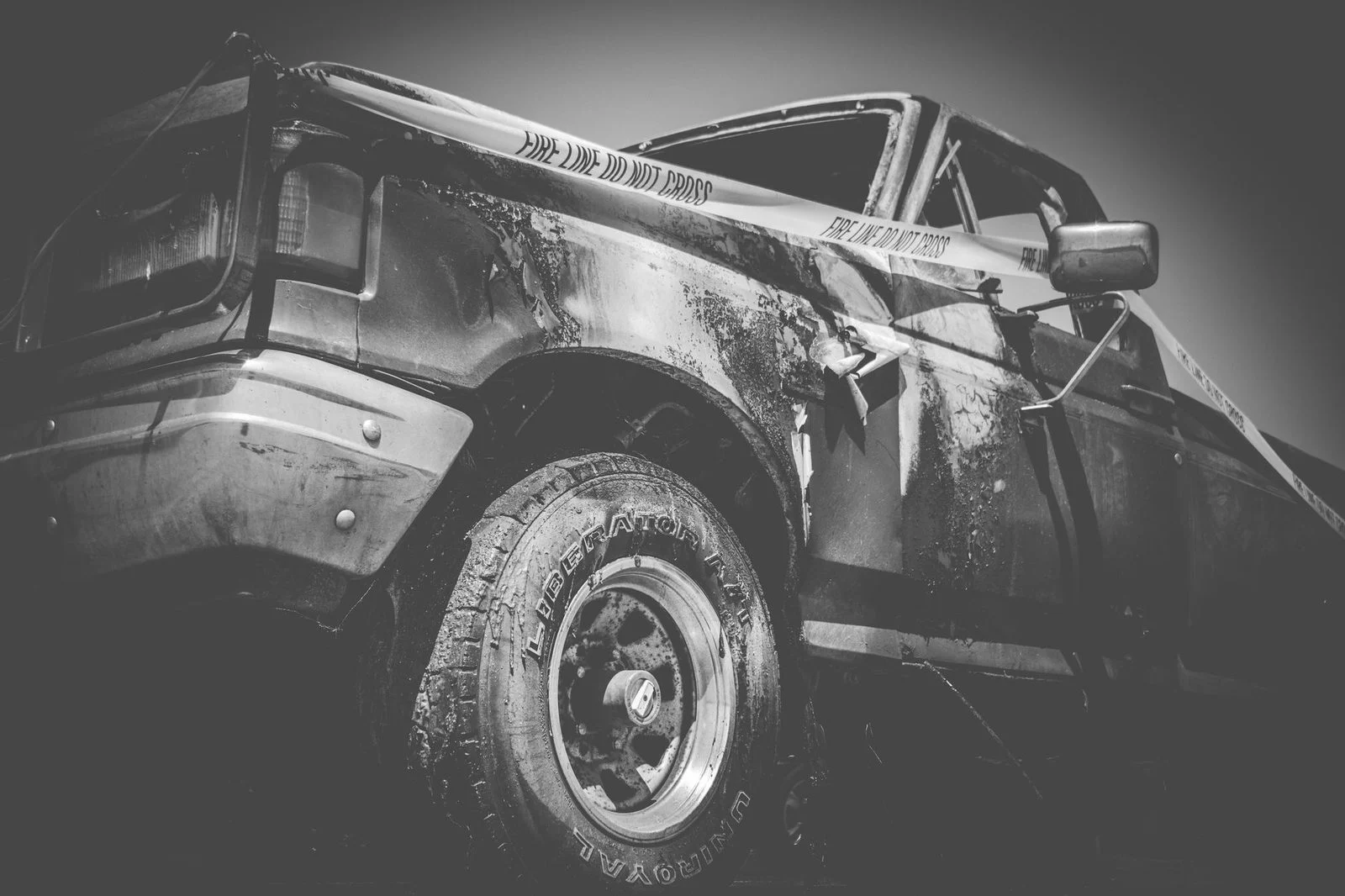
Looking into why a crash happened is a common step after someone you love is hurt. It can feel stressful and confusing, especially when you are juggling medical visits, insurance calls, and work.
Understanding the likely cause can matter for insurance questions, medical records, and decisions about any claim. Georgia reduces damages in proportion to the injured person’s percentage of fault. A person who is 50 percent or more responsible for the injury or damages claimed is not entitled to receive any damages (O.C.G.A. § 51-12-33). Another rule says a plaintiff who could have avoided the consequences of the defendant’s negligence through ordinary care is not entitled to recover (O.C.G.A. § 51-11-7).
Georgia’s deadline to sue for injuries to a person is generally two years after the right of action accrues, except as otherwise provided in this article, and for actions for injuries to the person involving loss of consortium, which must be brought within four years, under O.C.G.A. § 9-3-33.
Frequently Asked Questions
What are the most common causes of car accidents in Lawrenceville?
Distraction, speeding, impairment, failure to yield, drowsy driving, and weather or road conditions are common patterns. Each crash still turns on its own facts.
Does Georgia reduce damages if the injured person was partly at fault?
Yes. Georgia reduces damages in proportion to the injured person’s share of fault, and bars recovery at 50 percent or more (O.C.G.A. § 51-12-33).
How long do you have to sue after a car accident in Georgia?
Georgia generally allows two years to sue for injuries to a person (O.C.G.A. § 9-3-33). Contact Slam Dunk Attorney soon so you understand your options.
If a crash has hurt you or someone you care about, our team can talk through what happened in a free, confidential first consultation with no obligation to continue. You can reach out on the Slam Dunk Attorney contact page.
Responsible lawyer for this page: Peter F. Jaraysi, Slam Dunk Attorney, Duluth, Georgia. This page is general information, not legal advice.
Common Patterns Behind Car Crashes
Distracted Driving
Phones, navigation screens, eating, and other distractions pull attention away from the road, often at the moment traffic changes.
Speeding
Driving faster than conditions allow shortens reaction time and makes it harder to stop or avoid a collision.
Impaired Driving
Alcohol, drugs, and fatigue slow reactions and judgment, and can turn an ordinary stop or turn into a serious crash.
Failure to Yield
Drivers who misjudge right-of-way at intersections, merges, and turns are a frequent source of injury collisions.
Get Checked After Any Crash
Seek medical attention after a collision, even if you feel fine at the scene. Some injuries take hours or days to show symptoms, and a prompt evaluation protects your health.
How Our Team Can Help
Free First Consultation
Our initial consultation is free, confidential, and comes with no obligation to continue.
Plain-Language Answers
We explain your situation and options in clear terms, so you can decide what makes sense next.
Focused on Injury Claims
We focus on car, truck, motorcycle, and rideshare accident cases, along with other personal injury matters.
Based in Duluth, Georgia
We represent people injured in Lawrenceville and across metro Atlanta and the rest of Georgia.