
Truck and Motorcycle Accidents | Duluth, Georgia
Hurt in a Truck or Motorcycle Crash? Talk With Our Team First
Large trucks and motorcycles put riders and drivers at serious risk. Here is how these claims are different and what to do in the days after a crash.
By Peter F. Jaraysi · Published November 10, 2026
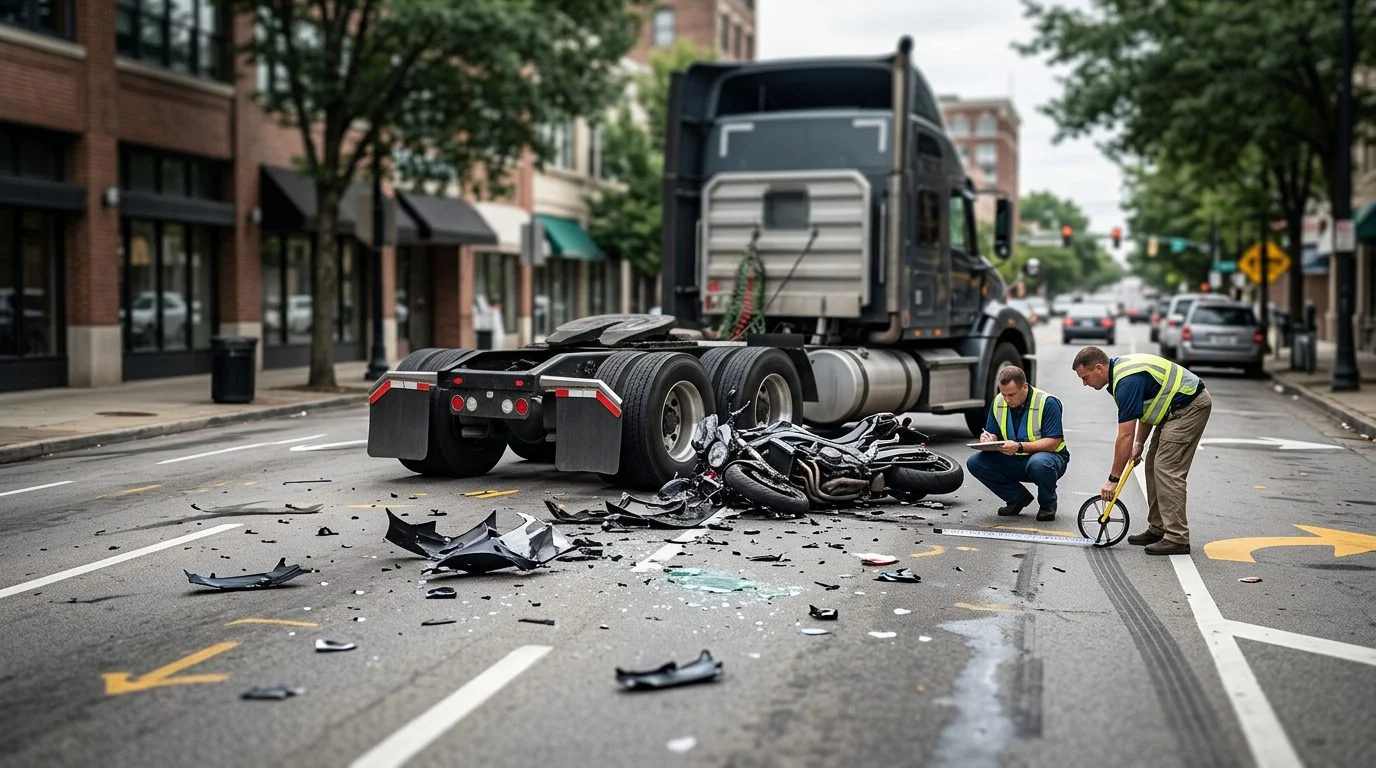
Truck and motorcycle accident claims in Georgia start with the same basic negligence rules as car crash claims. But they often involve more records, more possible defendants, and more fault arguments. This guide explains those differences in plain language, along with the deadlines and early steps that matter most.
What special rules or additional evidence apply to truck and motorcycle accident claims in Georgia compared with ordinary car crashes?
Truck and motorcycle claims in Georgia follow the same core rules as car crashes. The injured person still has to show that the other side owed a duty, broke it, and caused the harm. The differences lie in the evidence, the number of possible defendants, and the fault arguments that come up.
Three things usually set these cases apart. Federal trucking rules create records that car crashes rarely produce. A truck crash can involve several companies and insurers. Motorcycle cases often turn on whether the other driver saw the rider.
For the broader picture, read our car accident guide.
Not sure what your next step is?
Talk it through with our team — the first consultation is free, confidential, and carries no obligation.
How Truck Crash Evidence Differs From Car Crash Evidence
Trucking companies operate under federal safety rules. Those rules can create records that many car crashes never produce.
Federal hours-of-service rules limit how long a truck driver may drive. For example, a driver may not drive after a period of 14 consecutive hours that begins after coming on duty following 10 consecutive hours off duty. A driver may drive a total of 11 hours in that period (49 C.F.R. § 395.3). Driver logs and other records of duty time can show whether these limits were followed.
Records may not be kept indefinitely, so timing matters.
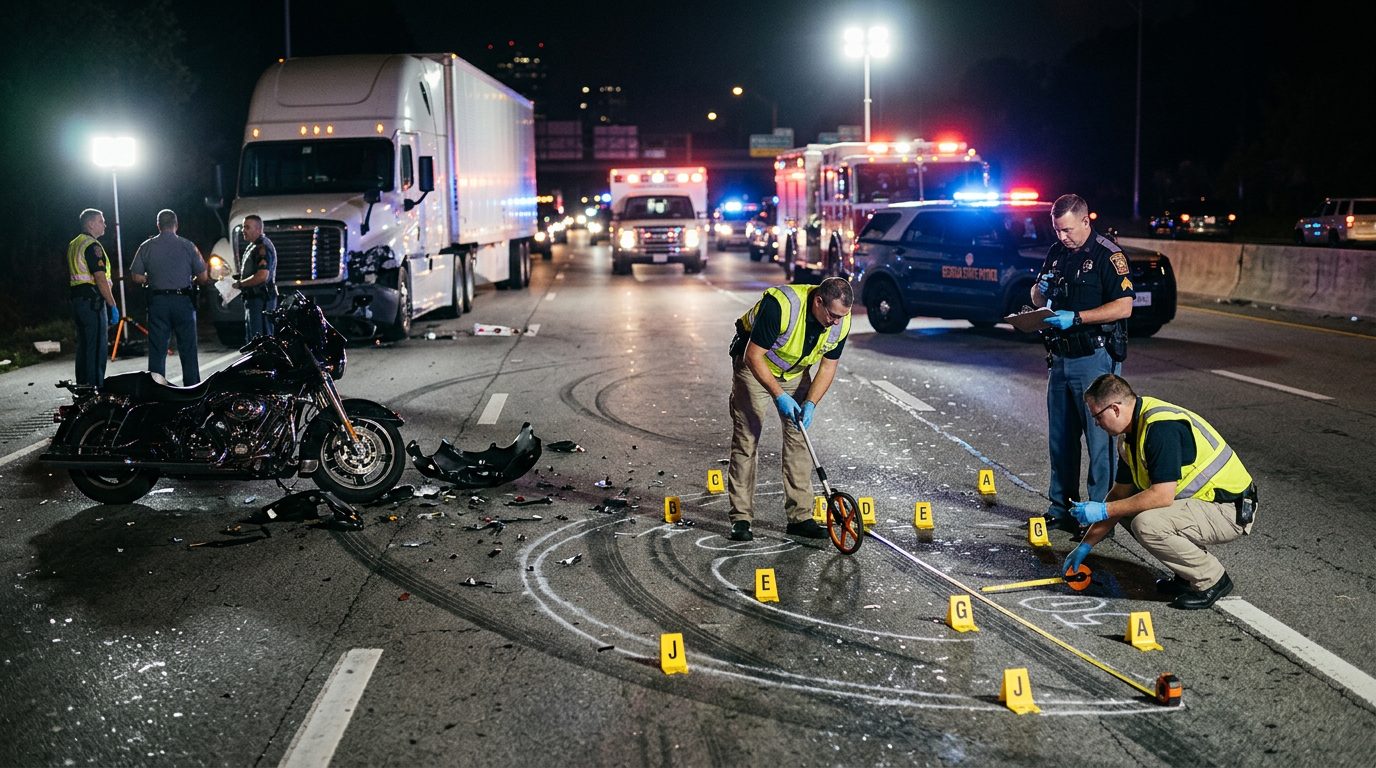
Evidence that often matters includes driver logs or electronic logging device (ELD) data, dispatch messages, maintenance reports, the truck’s event data, and drug testing records. A preservation letter asks the carrier and its insurer to keep these records. What exists varies by carrier and crash.
Who Can Be Named in a Truck Accident Claim in Georgia
In a truck crash, the driver is only one possible defendant. Depending on the facts, the trucking company or vehicle owner may also share responsibility.
Georgia law makes a person liable for torts committed by a servant in the prosecution and within the scope of his business, whether by negligence or voluntarily (O.C.G.A. § 51-2-2). This is often called respondeat superior, meaning the employer answers for work-related conduct.
Other possible parties include a maintenance contractor, a cargo loader, or a parts maker. A single crash can involve several insurance policies. That can make these claims harder to organize than a simple two-car crash.
Motorcycle Accident Claims in Georgia: Evidence and Fault Arguments
Motorcycle claims often turn on one argument: that the other driver did not see the rider. Helmet use and protective gear also come up.
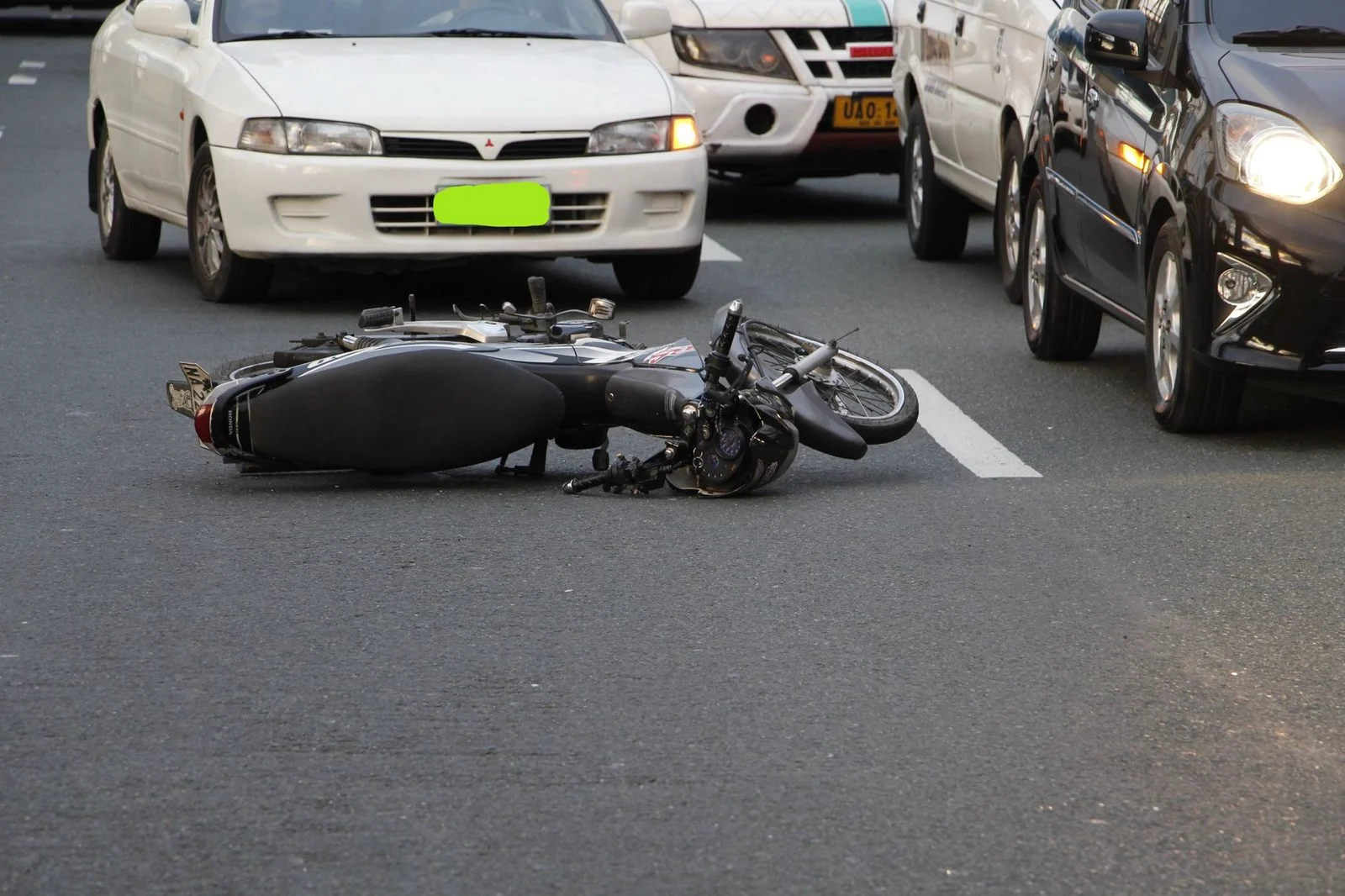
The “I didn’t see the rider” argument often appears when a driver turns left or changes lanes into a rider’s path. Physical evidence helps answer what happened. That includes where vehicles came to rest, road marks and debris, and damage patterns on both vehicles. Camera footage, police and 911 records, and independent witness statements can also matter. Physical evidence can change or disappear, so early documentation helps.
Georgia requires riders to wear protective headgear that meets state standards (O.C.G.A. § 40-6-315). The rule does not apply inside an enclosed cab or motorized cart. It also does not apply to a person operating a three-wheeled motorcycle used only for agricultural purposes. Questions about whether a helmet affected injuries depend on the facts.
How Georgia Comparative Negligence Affects Truck and Motorcycle Accident Claims
Georgia reduces your damages by your share of fault. If you are 50 percent or more responsible, you cannot recover damages (O.C.G.A. § 51-12-33).
Under Georgia’s apportionment statute, the fact-finder sets your percentage of fault. If you are 50 percent or more responsible, you cannot recover any damages (O.C.G.A. § 51-12-33; Quynn v. Hulsey (2020)). The judge then reduces the award in proportion to your fault. Each at-fault party pays its own share, not a joint share.
The statute also says: “The trier of fact shall consider the fault of all persons or entities who contributed to the alleged injury or damages, regardless of whether the person or entity was, or could have been, named as a party to the suit.” (O.C.G.A. § 51-12-33)
In motorcycle cases, defendants often raise the rider’s speed, lane position, or ability to avoid the crash. In truck cases, they may argue another driver contributed. Each argument can shift how fault is divided.
Deadlines and Early Steps After a Truck or Motorcycle Crash
For most personal injury claims in Georgia, the deadline is two years after the right of action accrues (O.C.G.A. § 9-3-33).
Early steps help. Get medical care and keep every treatment record. Photograph the scene and vehicles if it is safe. Write down witness names, and keep receipts. Avoid signing releases until you understand the claim.
The at-fault party’s insurer may ask for a recorded statement. Think before you speak, and keep notes of each call.
Not sure what your next step is?
Talk it through with our team — the first consultation is free, confidential, and carries no obligation.
Talking With Our Team About a Truck or Motorcycle Crash
If a truck or motorcycle crash has left you or a family member dealing with medical care, insurance calls, and missed work, you do not have to sort it out alone. This can be a hard time, with a loved one still recovering and a choice about whether to pursue a claim ahead.
Our lawyers, Peter F. Jaraysi and Brian D. Wright, and our support staff can review your crash details, the records that may exist, and your questions. We cannot promise any particular result. We can explain the options your facts may allow.
Our first consultation is free, confidential, and carries no obligation to continue. To talk through your situation, contact us for a free case review.
Frequently asked questions
How long do I have to file a truck or motorcycle claim in Georgia?
Most claims for injuries to the person must be brought within two years after the right of action accrues. Check the timing early.
Do motorcycle riders in Georgia have to wear helmets?
Yes. Georgia requires riders to wear protective headgear that meets state standards.
Does Georgia reduce damages if I was partly at fault?
Yes. Damages are reduced by your percentage of fault, and recovery is barred at 50 percent or more (O.C.G.A. § 51-12-33).
This page is general information, not legal advice. The responsible lawyer for this page is Peter F. Jaraysi, Slam Dunk Attorney, Duluth, Georgia. Contact details are on our contact page.
How Our Team Approaches Your Case
Plain-language answers
We explain the process in terms you can follow, so you know what is happening at each stage of your claim.
Support for you and your family
Our lawyers and support staff keep you informed and handle communication with insurance companies so you can focus on recovering.
Careful investigation
We work to gather crash reports, photos, medical records and other evidence that shows what happened on the road.
Advocacy for fair compensation
We press for a fair resolution that reflects your injuries, your medical needs and the impact on your life.
Crashes Involving Trucks and Motorcycles
Large truck collisions
Tractor-trailers, delivery trucks and other commercial vehicles can cause severe harm because of their size and weight.
Motorcycle crashes
Riders have less protection than people in cars, so even a moderate collision can lead to serious injuries.
Driver fatigue or distraction
Long hauls, tight schedules and phone use can contribute to crashes, and the causes are often documented in records.
Catastrophic injuries
Spinal cord injuries, traumatic brain injuries, amputations and severe burns often require long-term care and planning.
Protect Your Evidence Early
Photos, damaged vehicles or gear, and witness names can be lost quickly after a crash. Keep what you have, and speak carefully with insurance adjusters until you have talked with a lawyer.
Your First Consultation Is Free, Confidential and Without Obligation
Related practice areas
- Accident Injury Compensation Georgia
- Car Accident Attorneys in Suwanee, GA
- Lawrenceville Accident Hotspots and Dangerous Intersections