
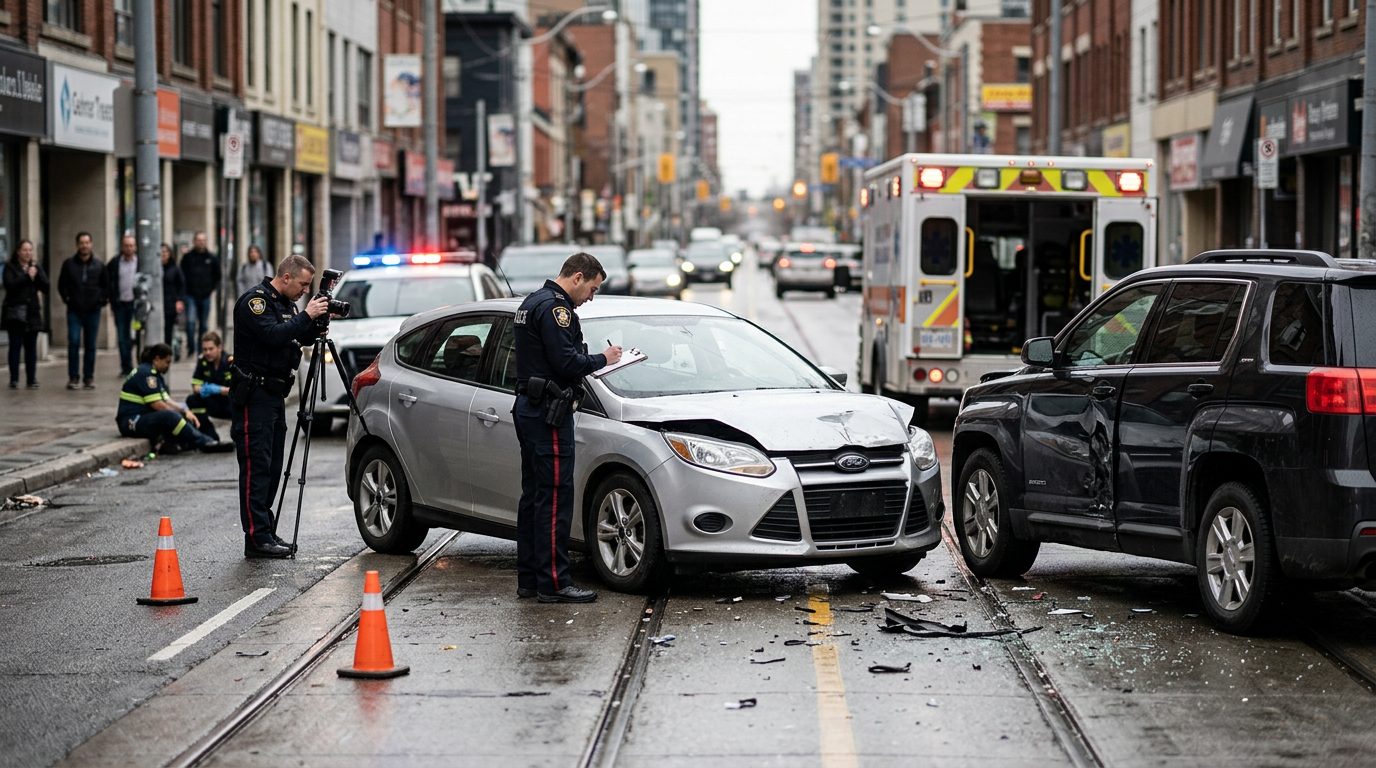
Car Accident Causes
What Causes 90% of Car Accidents? Human Error & Driver Behavior
Most crashes are preventable. Understand the leading causes—and what to do if you're injured by another driver's mistake.
By Peter F. Jaraysi · Published September 30, 2026
What Causes 90% of Car Accidents? Understanding Human Error and Driver Negligence
Understanding what the 90% statistic actually means, and which driver errors cause most crashes, helps you make sense of what happened in your accident and whether negligence played a role.
If another driver’s error caused your accident, you may wish to talk with a lawyer about the facts of your situation. Talk it through with our team — the first consultation is free, confidential, and carries no obligation.
The 90% Human Error Statistic: What It Really Means
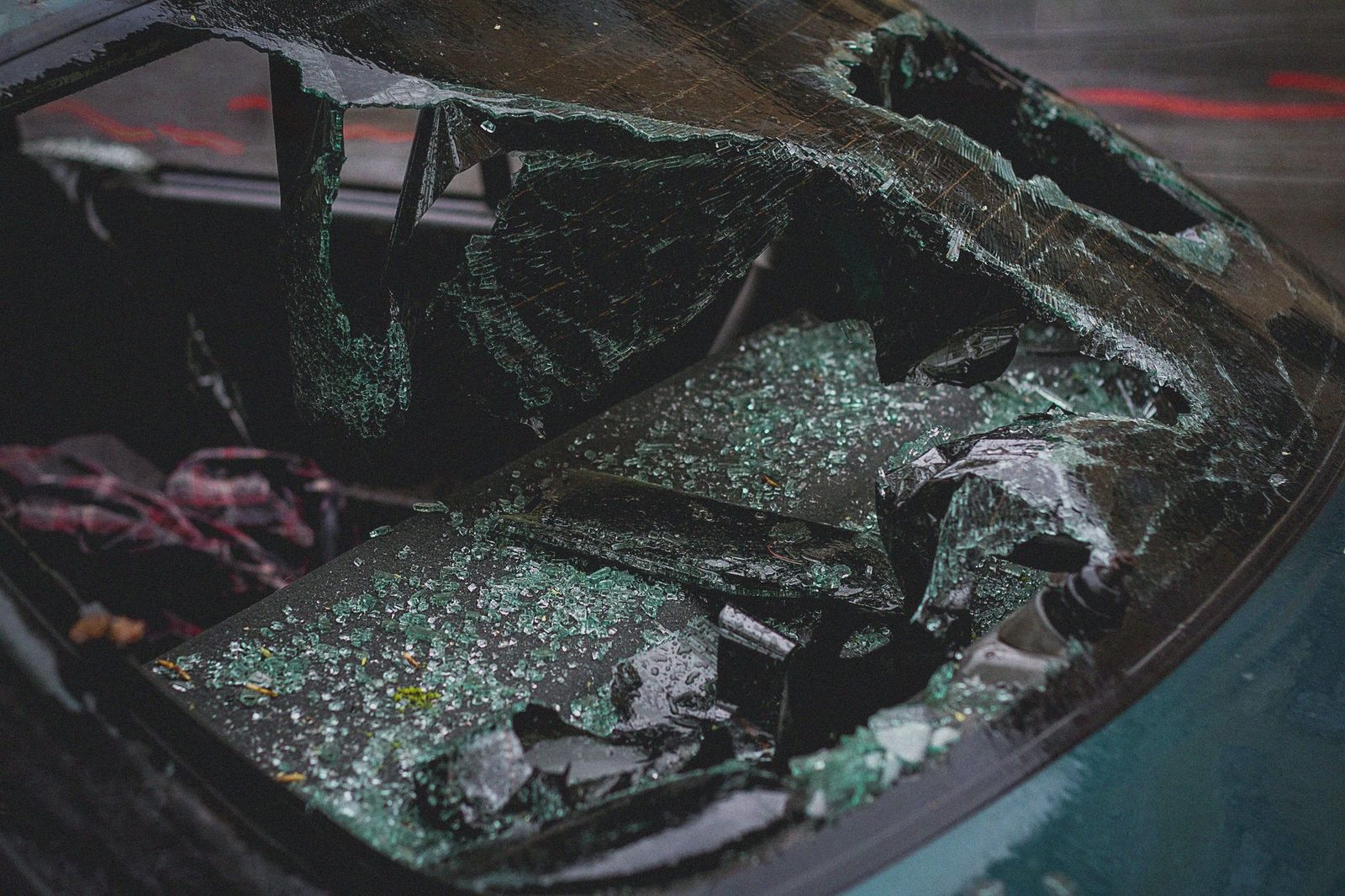
The widely cited figure that 90–95% of car accidents involve human error reflects driver behavior and decision-making as the primary factor in most crashes. This doesn’t mean every driver involved is equally at fault—it means human choices (whether to speed, check a phone, or follow too closely) are present in the vast majority of accidents.
This statistic underscores a simple truth: most accidents are preventable. When you understand what caused yours, you’re better positioned to understand whether negligence was involved and what your options may be.
What Causes the Majority of Car Accidents?
Driver errors fall into distinct categories. Knowing them helps you recognize what may have happened in your crash.
Distracted driving is among the leading causes of car accidents in the United States. Texting, phone use, eating, adjusting controls, or looking away from the road eliminates your ability to react to hazards. Even a two-second glance away at highway speeds covers the length of a football field.
Speeding and driving too fast for conditions reduce reaction time and increase crash severity. A driver traveling 10 miles per hour over the limit has less time to brake or steer around an obstacle. In poor weather or heavy traffic, this error becomes even more dangerous.
Failing to yield at intersections, stop signs, and traffic lights accounts for a significant share of collisions. This driver error violates another vehicle’s right-of-way and often results in T-bone or broadside crashes—some of the most severe accident types.
Following too closely (tailgating) prevents safe stopping distance. If the vehicle ahead brakes suddenly, a tailgating driver cannot stop in time, leading to rear-end collisions that can cause whiplash, spinal injuries, and other serious harm.
Improper turning and unsafe lane changes create side-impact and multi-vehicle crashes. Drivers who fail to check blind spots, signal, or misjudge gaps between vehicles can contribute to these accidents, and whether negligence was involved depends on the facts of each case, so consult a lawyer about your own situation.
Disobeying traffic signals and signs is a form of driver negligence that puts other road users at risk. Running a red light or ignoring a stop sign violates traffic rules designed to prevent collisions, but how fault is assigned depends on the facts of each case, so consult a lawyer about your own situation.
Impaired driving—from alcohol, drugs, or fatigue—severely impairs judgment, motor control, and reaction time.
Is It True That 94% of Car Crashes Are Caused by Human Error?
Yes. Research consistently shows that driver behavior and decision-making are factors in the vast majority of crashes. This does not mean every crash is the driver’s “fault” in a legal sense—it means human choices are present in most accidents.
Mechanical defects and poor road conditions do cause accidents, but they account for a smaller percentage of total crashes compared to human error. When a brake failure or a pothole is the primary cause, liability may rest with the vehicle manufacturer, maintenance provider, or road authority—not the driver alone.
The statistic emphasizes that most accidents are preventable through safer driving choices.
How Driver Errors Cause Car Accidents
Understanding the mechanism behind each error helps clarify what may have happened in your accident.
Inattention takes your eyes, mind, or hands off the road. Even seconds of lost focus eliminate your ability to react to hazards. A distracted driver cannot brake, steer, or warn other road users of danger.
Poor judgment involves misjudging speed, distance, or another vehicle’s movement. A driver who thinks they have time to turn left across oncoming traffic or believes they can merge safely when they cannot is exercising poor judgment that causes collisions.
Delayed reaction occurs when fatigue, impairment, or distraction slows your response time in an emergency. By the time you react, avoiding a crash may no longer be possible.
Ignoring road conditions means failing to adjust speed or following distance for rain, ice, heavy traffic, or reduced visibility. A driver who maintains highway speed on a wet road or follows closely in fog is ignoring conditions and inviting a crash.
Where Do Many Crashes Occur?
Intersection crashes represent a significant portion of all accidents. Intersections are high-risk zones because multiple vehicles and pedestrians converge, and driver errors—misjudging gaps, failing to check blind spots, running red lights, or turning unsafely—are common.
Failing to yield the right of way is one type of driver error that can lead to intersection crashes.
Not sure what your next step is?
Talk it through with our team — the first consultation is free, confidential, and carries no obligation.
How Mechanical Defects and Road Hazards Cause Car Accidents
While less common than human error, mechanical defects do cause accidents. Brake failure, tire blowouts, steering defects, and suspension problems can cause loss of control without driver error.
Poor road maintenance, potholes, debris, and inadequate signage also contribute to some accidents. When a pothole damages your tire or a missing sign fails to warn of a hazard, the road authority or maintenance provider may bear responsibility.
When a mechanical defect or road hazard is the primary cause of an accident, liability may rest with the vehicle manufacturer, maintenance provider, or road authority—not the driver alone. Determining the true cause often requires investigation and expert analysis.
How You Can Prevent Car Accidents
Safer driving choices reduce your risk of being in a crash.
- Stay focused. Keep both hands on the wheel and eyes on the road. Put your phone away or use hands-free mode.
- Adjust speed. Drive at or below the posted limit. Slow down in poor weather, heavy traffic, or unfamiliar areas.
- Maintain safe distance. Follow the three-second rule (or more in bad conditions) behind other vehicles.
- Obey traffic signals. Stop at red lights and stop signs. Yield when required.
- Avoid impairment. Never drive under the influence of alcohol, drugs, or when fatigued.
- Check blind spots. Always look before changing lanes or turning.
- Stay alert at intersections. Assume other drivers may not follow the rules. Look both ways even on green.
What If You Were Hit by a Negligent Driver?
If another driver’s error caused your accident, that driver’s negligence may be a basis for a claim for your injuries and damages, but whether it is depends on the facts of your case, and you should consult a lawyer about your own situation. Understanding the cause—through police reports, witness statements, and photos—may help in evaluating fault, but how fault is determined depends on the facts of your case.
Writing down what happened is one way to keep track of the facts of your accident. In Georgia, you may have a claim against a negligent driver who caused your injuries, but whether you do depends on the facts of your case and on any applicable exceptions, so consult a lawyer about your own situation. The process begins with a clear understanding of what happened and who was responsible.
Frequently Asked Questions
What should I do immediately after a car accident?
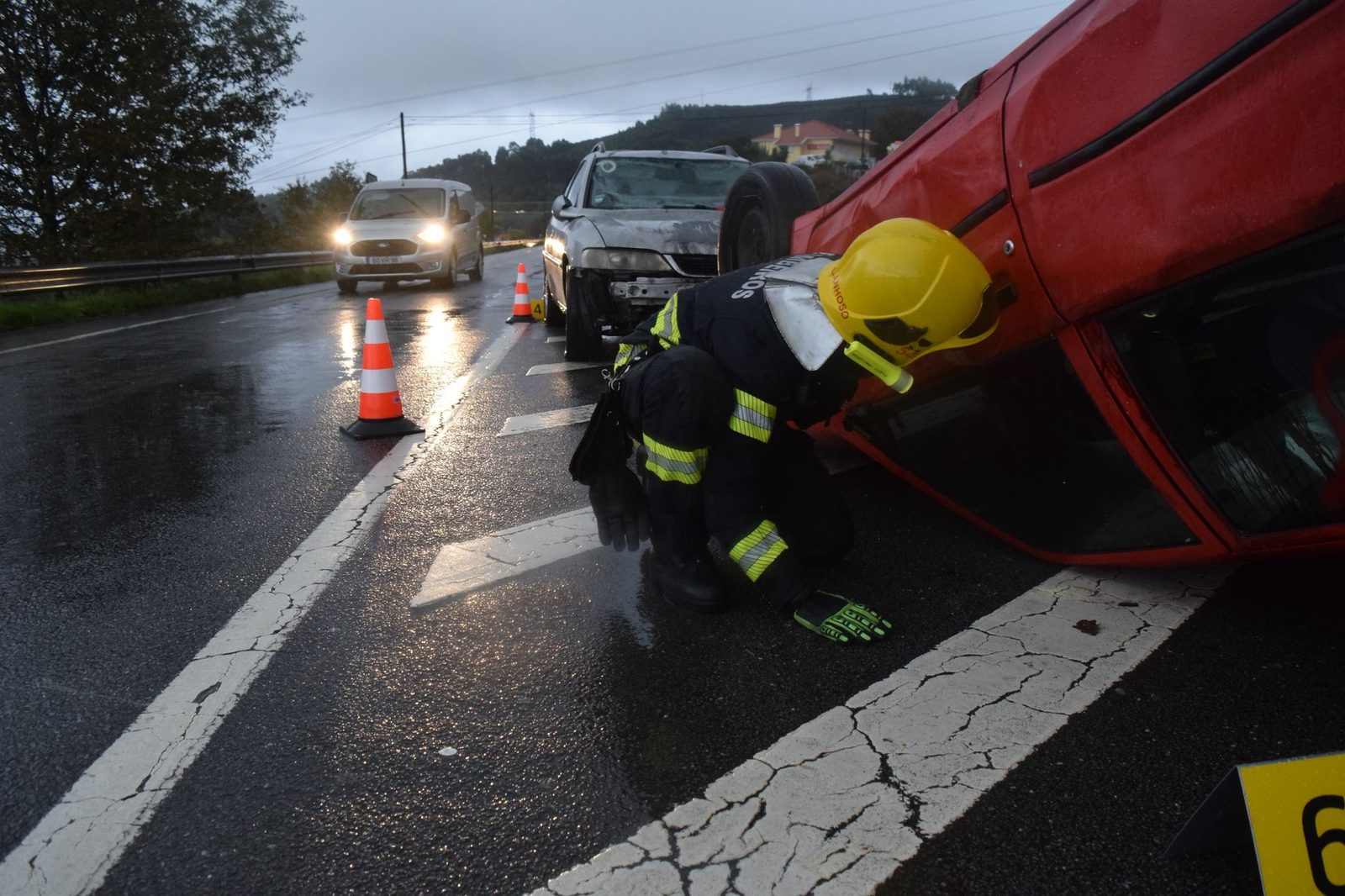
Check for injuries, call 911 if anyone is hurt, move to safety if possible, exchange information with the other driver, take photos, and get witness contact information.
Is the driver always at fault if human error is involved?
Not necessarily. Fault can sometimes be shared between drivers, and how it is divided depends on the facts of your case, so consult a lawyer about your own situation. An attorney can help determine your degree of fault.
What if a mechanical defect caused my accident?
You may have a claim against the vehicle manufacturer or maintenance provider, depending on the defect and when it occurred.
If you’ve been in a car accident and another driver’s negligence caused your injuries, you’re likely facing questions about what happened next and whether you have a claim. We can help you understand what caused your accident and whether you may have a right to compensation. Contact us for a free consultation to discuss what happened and explore your options.
The Top Causes of Car Accidents
Distracted Driving
Texting, phone calls, eating, or adjusting controls take a driver's attention off the road. Even a few seconds of distraction can cause a collision.
Speeding & Reckless Driving
Driving too fast for conditions or the posted limit reduces reaction time and increases crash severity.
Failing to Yield
Running red lights, stop signs, or not yielding the right of way causes intersection and multi-vehicle accidents.
Impaired Driving
Alcohol and drugs slow reflexes, impair judgment, and reduce coordination—making crashes far more likely and more severe.
How We Help After a Driver-Caused Accident
Gather Evidence
Police reports, witness statements, vehicle damage, and scene photos all help establish fault and support your claim.
Handle Insurance & Liability
Insurance claims and liability questions can involve several parties, and how the rules apply depends on the facts of each case. Consult a lawyer about your own situation.
Plain-Language Guidance
We explain your rights and options in straightforward terms—no legal jargon, no surprises.
.
Don't Admit Fault at the Scene
Even if you think you caused the accident, avoid saying so to the other driver or police. Fault is determined through investigation, not statements made in shock or stress. Let the evidence speak.
What to Do After a Car Accident
Check for Injuries & Call 911
Safety first. If anyone is hurt or the vehicles are unsafe, call emergency services immediately.
Document the Scene
Take photos of vehicle damage, road conditions, traffic signs, and the accident location. Get contact info from witnesses.
Report to Police
File a police report. Get the report number and officer's name. This becomes key evidence.
Notify Your Insurance
Report the accident to your insurer, but avoid detailed statements about fault until you've spoken with an attorney.
Fees & Costs
Details about fees and case costs are explained in our written fee agreement.