
Car Accidents | Duluth, Georgia and Metro Atlanta
Feeling Shaken After a Car Accident? You Don't Have to Sort It Out Alone
Anxiety, numbness, sleep trouble and flashbacks can follow a crash. Learn what emotional shock can look like, and talk with a Duluth, Georgia personal injury firm about your accident.
By Peter F. Jaraysi · Published October 11, 2026
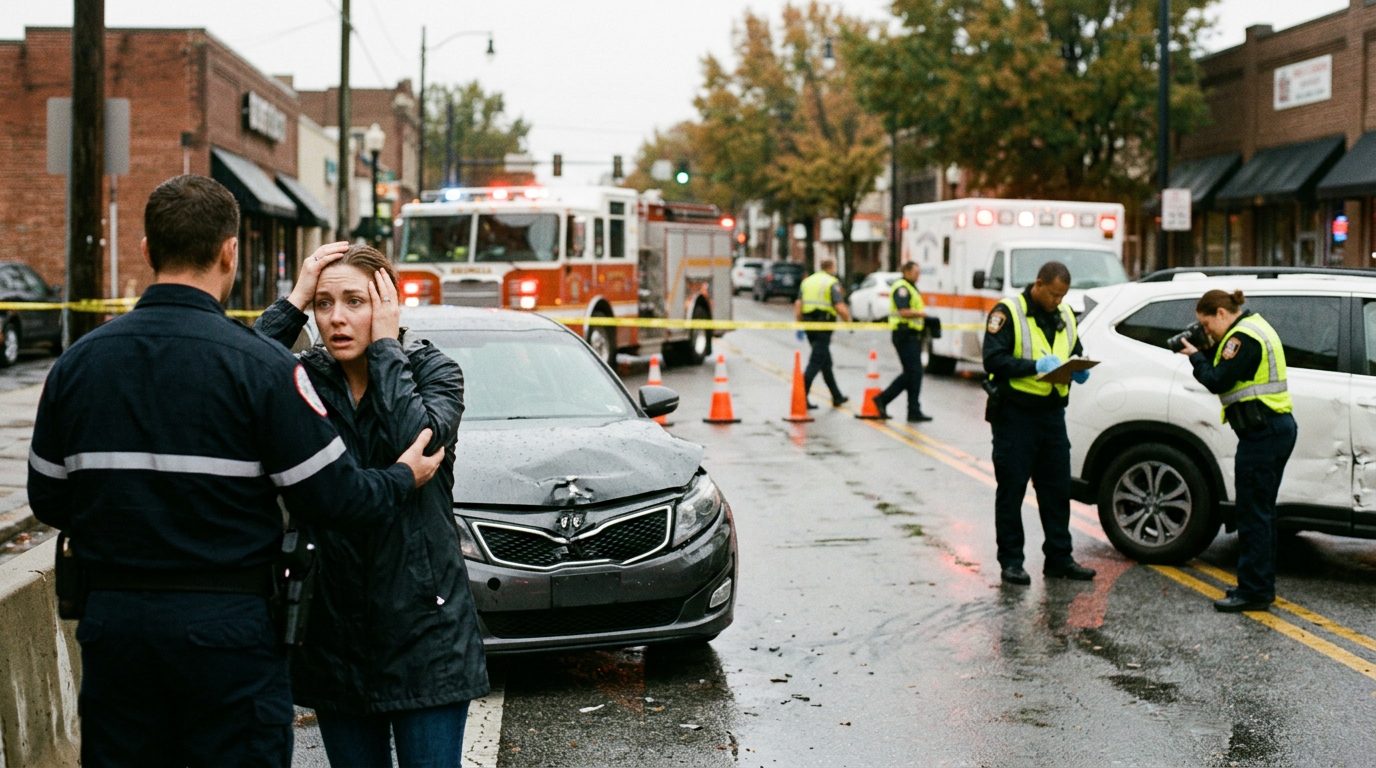
Emotional shock after car accident is common. It is a stunned, numb, or overwhelmed feeling that can follow a sudden crash, even one that seemed minor. This page explains what it can look like, when to get medical help, and how Georgia law may relate to a claim. It is general information, not medical advice or a prediction about your case.
What Emotional Shock After a Car Accident Means
Emotional shock is a state of feeling stunned, overwhelmed, or disconnected after a frightening event. It is different from medical shock, which is a serious body-wide emergency caused by problems such as severe blood loss.
Clinicians use more specific terms, such as acute stress reaction and posttraumatic stress disorder (PTSD). Only a qualified clinician can tell which, if any, applies to you.
People react in very different ways. Some feel shaky or confused for a short time. Others feel detached or on edge for longer. Drivers, passengers, pedestrians, motorcyclists, and family members who watch a loved one struggle can all be affected.
You can have a reaction even when no injury is visible at the scene. Having a strong reaction is not a sign that you are weak or overreacting. It is a common response to a frightening event, and it deserves attention.
Not sure what your next step is?
Talk it through with our team — the first consultation is free, confidential, and carries no obligation.

Common Emotional and Physical Reactions to Watch For
Common reactions include flashbacks, nightmares, fear of traffic, and physical signs such as a racing heartbeat. Many people notice more than one of these at once.
Emotional signs:
- Flashbacks or unwanted memories of the crash
- Nightmares or trouble sleeping
- Fear of driving or riding in a car
- Anxiety in traffic, or panic at the sound of brakes or horns
- Irritability, or feeling cut off from people you care about
- Guilt or self-blame, such as replaying what you could have done differently
Guilt after a crash is common. Talking it through with a clinician can help.
Physical signs tied to stress:
- Racing heartbeat, trembling, or sweating
- Dizziness, nausea, or headaches
Some symptoms, such as headaches or neck pain, can come from injury, stress, or both. A medical evaluation is how you sort out the cause.
Call 911 right away if you have: fainting, confusion, pale or clammy skin with weakness, chest pain, trouble breathing, or new numbness or severe pain.
How Long Emotional Reactions Can Last
There is no single timeline for emotional shock. For some people, reactions ease over days or weeks. For others, symptoms last longer.
Several factors can affect how a person recovers. These include past stress or trauma, the support they have, how soon they get care, and whether symptoms get in the way of work, sleep, or daily tasks. These factors can matter, but no one can predict how your reactions will go.
If symptoms continue, get worse, or interfere with daily life, don’t wait to contact a doctor or mental health professional. Early care gives you a chance to talk through what you’re feeling with someone trained to help.
This section is general health information. It is not a prediction about your own recovery.
When and How to Get Medical and Mental Health Care
See a medical provider after any crash, even if you feel fine. Some injuries and stress symptoms are not obvious at first.
When you visit a provider, tell them:
- The details of the crash, as you remember them
- Every symptom, including sleep problems, mood changes, and fear of driving
- How your symptoms change over time
Several types of providers can help. Primary care doctors, counselors, psychologists, and psychiatrists each play a different role. A referral may be possible from a primary care visit.
Consider keeping a simple written log of your symptoms and appointments. This log supports your own care conversations with providers. It is for your health, not for any claim.
Coping Steps and Support While You Recover
Simple coping steps can help you feel more in control while you get care. Try these when stress rises:
- Slow breathing: breathe in for a count of four, then out for a count of six.
- Grounding: name five things you can see and four things you can hear.
- Short walks: take a brief walk in a safe, familiar place.
- Limited replays: cut back on news and on replaying the crash in your mind.
- Steady routines: keep a regular sleep schedule where possible.
- Caution with substances: avoid relying on alcohol or other substances to manage symptoms.
Many people feel anxious about returning to the road. You can ease back in gradually. Start with lower-traffic routes, and ask a trusted person to ride along if that helps. Ask your clinician for guidance too.
Lean on family, friends, or community support groups. If thoughts of harming yourself appear, call or text 988 Suicide and Crisis Lifeline right away. In an emergency, call 911. Asking for help is a normal part of recovery.
How Emotional Distress May Relate to a Georgia Injury Claim
Whether emotional reactions play a role in a Georgia injury claim depends on the facts of the case and on Georgia law. No result can be promised.
Deadlines matter. Georgia’s statute of limitations for personal injury, O.C.G.A. § 9-3-33, says that, “except as otherwise provided in this article,” actions for injuries to the person must be brought within two years. Exceptions may apply depending on the facts, so talk with a lawyer about the deadline in your own case. The same statute sets a four-year period for certain loss of consortium actions. A 2026 Georgia Court of Appeals opinion, Cameron v. Jmp Pizza opinion, quotes this statute. Because exceptions exist, don’t rely on this general statement for your own situation. Talk with a lawyer about your deadline.
Medical records, a symptom history, and the crash report may be relevant to your facts. This page does not say that any document or step changes the value of a claim.
Insurance companies may handle claims in different ways. How any insurer responds depends on the facts of each case.
Slam Dunk Attorney is a personal injury firm based in Duluth, Georgia. The firm represents people hurt in car, truck, and motorcycle accidents and other injury matters across metro Atlanta and Georgia. If you want to know how Georgia law may apply to your facts, you can request a free consultation through the Slam Dunk Attorney contact page. Fee terms are explained in a written fee agreement. Review it before you sign anything.
Not sure what your next step is?
Talk it through with our team — the first consultation is free, confidential, and carries no obligation.
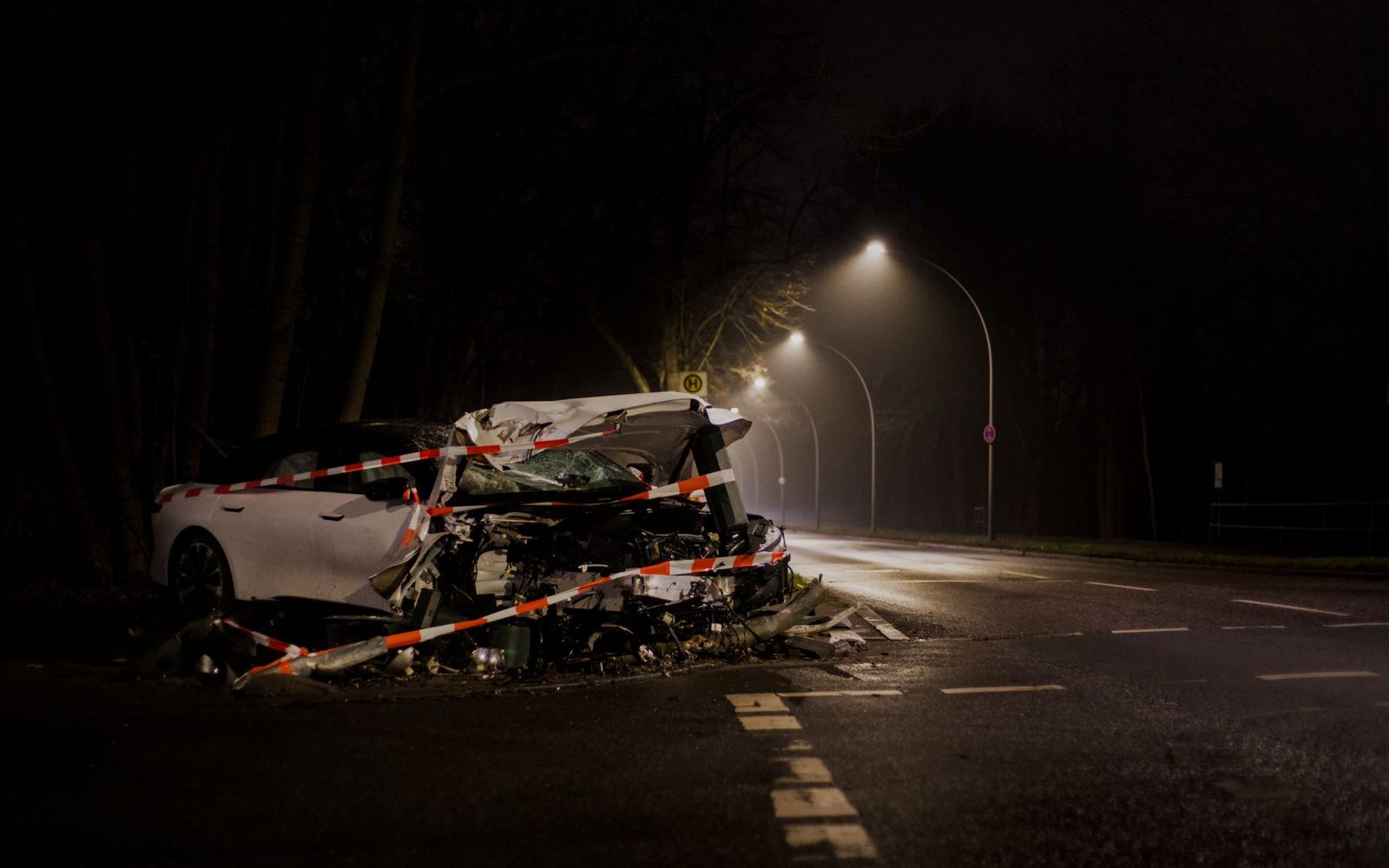
Common Questions About Shock and Guilt After a Crash
Here are short answers to the questions people ask most often about these reactions.
How long does emotional shock last after a car accident?
It varies from person to person. See a clinician if symptoms persist, get worse, or affect your daily life.
How long does it take to mentally recover from a car accident?
There is no set timeline. Recovery depends on the person, the symptoms, and the care and support they receive.
Is it normal to feel guilty after an accident?
Guilt and self-blame are common reactions. A clinician can help you work through them.
How do I calm down after a car accident?
Slow breathing, grounding, rest, and support can help. Seek medical care if symptoms interfere with daily life.
Do I need a lawyer to talk about emotional symptoms?
You can get medical care without a lawyer. A lawyer can explain how Georgia law may apply to your facts.
If the crash has you struggling to sleep, drive, or face ordinary days, and you’re weighing what to do next, call Slam Dunk Attorney today for a free case review. Bring your questions about your own situation.
Emotional Reactions That Are Worth Discussing With a Clinician
Replaying the crash
Intrusive memories, nightmares or flashbacks of the collision can feel overwhelming. If they keep returning, talk with a doctor or mental health professional.
Feeling numb or detached
Some people feel disconnected from family, work or their own feelings after a crash. Persistent numbness is a reason to ask for a clinical evaluation.
Fear of driving or riding
Avoiding roads, intersections or any vehicle can limit daily life. Changes like this are worth raising with a healthcare provider.
Sleep, mood and focus
Trouble sleeping, irritability, low mood or difficulty concentrating may be linked to the accident. Symptoms that persist or worsen call for professional care.
How Our Firm Can Help While You Focus on Recovery
Start with your health
Medical care comes first. We encourage you to seek evaluation from a doctor or mental health professional for any symptoms you are experiencing.
Plain-language answers
We explain the Georgia personal injury process in clear terms, so you understand your options before making any decisions.
Organized information
We can help you think through the records, bills and details you may want to keep together as you learn about your situation.
A free, no-pressure conversation
Tell us what happened and ask your questions. There is no obligation to move forward.
If You Are in Crisis, Get Help Right Away
If you have thoughts of harming yourself or someone else, call 911 or the 988 Suicide & Crisis Lifeline by dialing or texting 988 at any time. Do not wait for a legal consultation to reach out for immediate support.