

Wrongful Death | Georgia
What Happens After a Fatal Car Accident in Georgia
Understanding the legal process, your rights, and the steps to pursue a wrongful death claim.
By Peter F. Jaraysi · Published September 29, 2026
What Happens After a Fatal Car Accident in Georgia: A Guide for Families
When someone dies in a car accident caused by another driver’s negligence in Georgia, the family has the legal right to file a wrongful death claim to recover damages. The process is complex, involves multiple steps, and moves on a timeline governed by Georgia law—but understanding what comes next can help you protect your family’s interests during an overwhelming time.
If someone you love was killed in a car accident in Georgia, you're facing decisions you never expected to make—and many families in your situation reach out to discuss what comes next and what rights they may have. Talk it through with our team — the first consultation is free, confidential, and carries no obligation.

The Immediate Aftermath: What Happens at the Scene
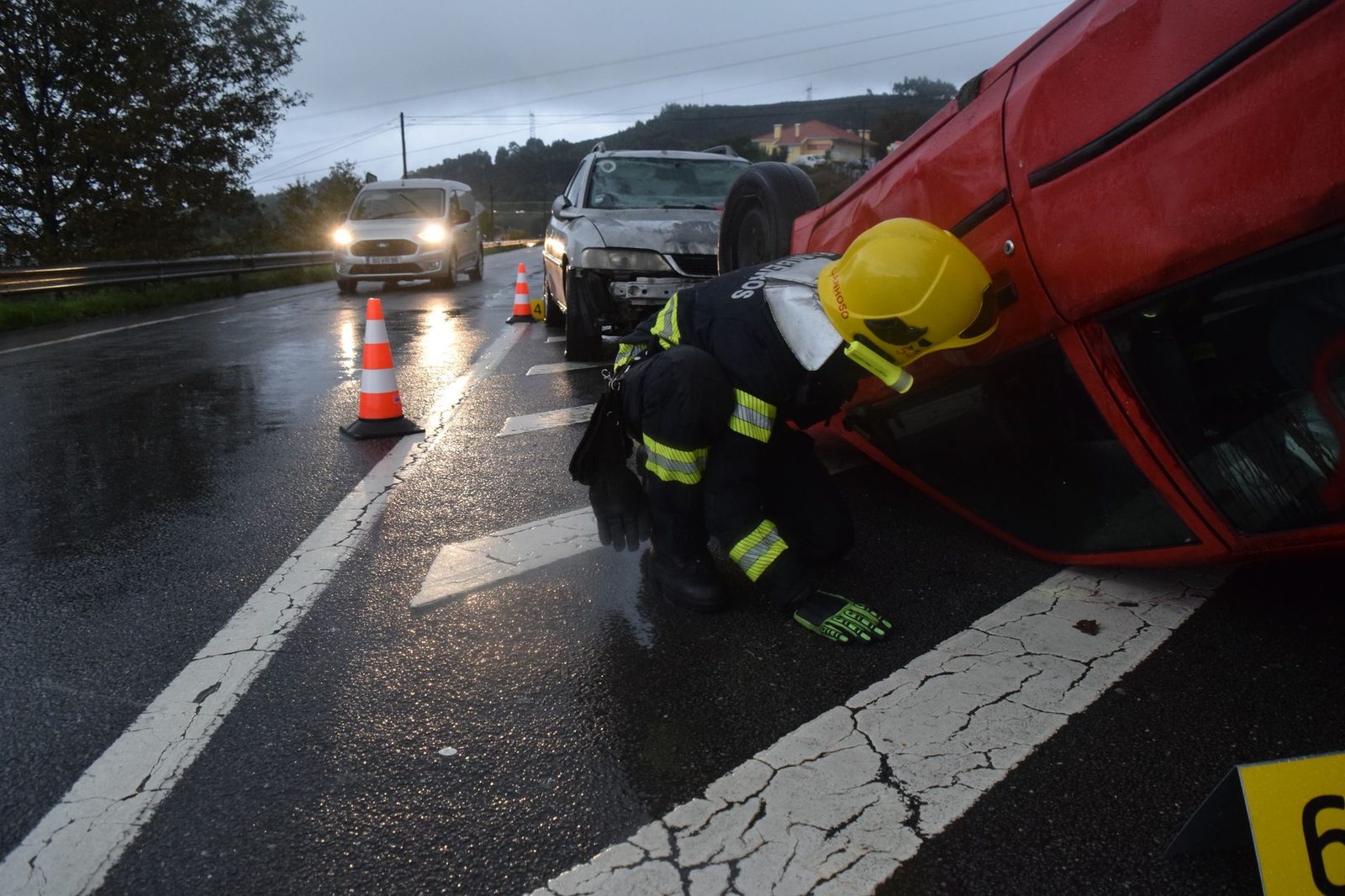
Police officers respond to fatal accidents and document everything in a detailed incident report that becomes a public record you can obtain. Georgia law enforcement follows a standard protocol: they secure the scene, collect statements from the driver at fault and any witnesses, photograph the vehicles and road conditions, and note any traffic violations or citations issued.
The medical examiner’s office is also notified. An autopsy is typically performed to establish the official cause of death. This documentation becomes critical evidence later—both for any criminal charges the at-fault driver might face and for your civil wrongful death claim.
You can request a copy of the police report from the law enforcement agency that responded. Having this report early is important because it contains facts, witness contact information, and preliminary findings that your legal team will need.
Georgia’s Legal Definition of Wrongful Death
Wrongful death in Georgia is a civil claim—separate from any criminal case—that arises when someone’s death is caused by another person’s wrongful act, negligence, or failure to act. Under Georgia law, your family may recover damages if the at-fault driver owed a duty of care (which all drivers do), breached that duty (by driving recklessly, drunk, or distracted, for example), and that breach directly caused the fatal accident.
A wrongful death claim is not the same as a criminal prosecution. The at-fault driver could face criminal charges for vehicular homicide or reckless driving, but your family’s civil claim proceeds independently. You can pursue a wrongful death claim even if criminal charges are never filed or result in acquittal.
The Two-Year Deadline
Georgia law sets a strict two-year statute of limitations for wrongful death claims. This means the claim must be filed within two years of the date of death, or your family permanently loses the right to pursue it. This deadline is one reason it’s critical to act quickly after a fatal accident—not out of panic, but out of necessity.
Who Has the Right to Pursue a Wrongful Death Claim
In Georgia, the personal representative of the deceased’s estate—typically named in a will or appointed by the probate court—must file the wrongful death claim on behalf of the surviving family members. This person acts as a legal representative and holds the claim in trust for the beneficiaries.
The law prioritizes who can benefit from the claim:
- Surviving spouse and children are the primary beneficiaries.
- Parents of the deceased can recover if there’s no spouse or children.
- Other dependents may have standing in limited circumstances.
If the deceased left no will, the probate court appoints a personal representative. If one exists, the executor named in the will typically takes on this role. This person works with an attorney to file the claim and ensure the family’s interests are protected.
The Investigation and Evidence-Gathering Process
Once a wrongful death claim is underway, the investigation deepens. Your legal team will work to gather and preserve evidence before it’s lost or destroyed.
Accident reconstruction experts analyze vehicle damage patterns, skid marks, traffic signals, and road conditions to determine how the crash happened and who was at fault. These experts use data from vehicle black boxes—devices that record speed, braking, and impact information—to reconstruct the accident with precision.
Witness statements are collected and documented. Medical records and autopsy findings establish the cause of death and any injuries sustained. Vehicle maintenance records may be obtained to determine if mechanical failure played a role.
Why does speed matter? Evidence can be lost. Vehicles are repaired or scrapped. Witnesses move or forget details. Acting quickly to preserve evidence—by sending preservation letters to the at-fault driver’s insurance company and any other potentially liable parties—protects your family’s case.
Types of Damages in a Georgia Wrongful Death Case
Georgia law allows families to recover both economic and non-economic damages:
Economic damages include: – Funeral and burial costs – Medical expenses incurred before death – Lost wages the deceased would have earned – Loss of financial support the family depended on
Non-economic damages include: – Loss of companionship and society – Mental anguish and grief – Loss of parental guidance (if a child is killed) – Loss of spousal comfort and support
Punitive damages may be available if the at-fault driver’s conduct was willful or wanton—for example, if they were driving at extreme speeds, under the influence, or engaged in street racing. Punitive damages are meant to punish egregious behavior, not to compensate the family.
Damages are calculated based on the deceased’s age, earning capacity, life expectancy, and the family’s relationship to the deceased. A wrongful death claim for a working parent will typically be valued differently than one for a retiree, for example.
Not sure what your next step is?
Talk it through with our team — the first consultation is free, confidential, and carries no obligation.
Insurance and Liability in Fatal Accidents
Georgia requires all drivers to carry minimum liability insurance of at least $25,000 per person and $50,000 per accident. If the at-fault driver carries this coverage, the insurance company becomes the primary source of recovery.
However, many drivers carry no insurance or carry limits far below the actual damages in a fatal case. This is where uninsured or underinsured motorist coverage becomes critical. If your household carries this coverage, it can bridge the gap between what the at-fault driver’s insurance will pay and the full value of your claim.
Insurance claims and civil lawsuits are different processes. An insurance claim is typically faster but may result in a lower settlement. A lawsuit gives your family more leverage and the opportunity to present evidence before a jury, but it takes longer.
The Timeline: What to Expect
The process unfolds in phases:
Immediate (Days to Weeks): Obtain the police report. Notify the at-fault driver’s insurance company. Consult with a wrongful death attorney. Begin evidence preservation.
Investigation Phase (Weeks to Months): Your legal team gathers medical records, accident reconstruction reports, witness statements, and vehicle data. Experts are retained. The scope of damages is documented.
Claim Filing and Negotiation (Months): The wrongful death claim is filed. The insurance company investigates. Settlement discussions may begin. Many cases resolve during this phase.
Litigation (If Necessary) (6 Months to Years): If settlement talks fail, the case proceeds to court. Discovery (exchange of evidence) occurs. Depositions are taken. The case may be resolved before trial or proceed to a jury verdict.
Wrongful death cases often take time to resolve because the stakes are high, the damages are substantial, and insurance companies defend aggressively. Patience, combined with skilled legal representation, typically yields better outcomes than rushing to settle.
Common Challenges Families Face
Insurance company tactics: Adjusters may minimize the value of the claim, dispute liability, or pressure you to settle quickly. Never accept an initial offer without legal guidance.
Disputes over fault: If the deceased was partially at fault for the accident, Georgia’s modified comparative fault rule applies—your recovery is reduced by your percentage of fault. The at-fault driver’s insurance will argue for shared responsibility.
Multiple liable parties: Sometimes more than one driver, a vehicle manufacturer, a government entity (for dangerous road conditions), or a business is partially responsible. Your attorney must identify all liable parties to maximize recovery.
Emotional and financial strain: Families are grieving while managing legal proceedings, probate court, and financial uncertainty. Having professional guidance reduces the burden and protects your interests.
Why Legal Representation Matters
Georgia wrongful death law is complex. The insurance company has experienced adjusters and defense attorneys working to minimize what they pay. Your family deserves the same level of experience on your side.
An experienced wrongful death attorney: – Ensures the two-year deadline is met and the claim is properly filed. – Preserves critical evidence before it’s lost. – Identifies all liable parties and sources of recovery. – Negotiates with insurance companies from a position of strength. – Presents evidence effectively if the case goes to trial. – Protects the family’s interests and ensures damages are fairly distributed among beneficiaries.
The complexity of the law, the stakes involved, and the tactics insurance companies employ make legal representation not just helpful—it’s essential.
Frequently Asked Questions
What is the statute of limitations for filing a wrongful death claim in Georgia?
You have two years from the date of death to file a wrongful death claim in Georgia. Missing this deadline means losing the right to pursue the claim permanently.
Who can file a wrongful death lawsuit in Georgia?
The personal representative of the deceased’s estate files the claim on behalf of surviving family members—typically a spouse, children, or parents.
What damages can a family recover in a wrongful death case?
Families can recover economic damages (funeral costs, lost wages, medical expenses) and non-economic damages (loss of companionship, mental anguish), and punitive damages if the driver’s conduct was willful or wanton.
Can I pursue a wrongful death claim if the at-fault driver was uninsured?
Yes. Uninsured or underinsured motorist coverage on your own policy can provide recovery. Your attorney will also explore other sources of liability.
How long does a wrongful death case take to resolve?
Cases vary widely. Some settle within months; others take a year or more if litigation is necessary. The complexity of the accident, the number of liable parties, and whether the case goes to trial all affect the timeline.
If someone you love was killed in a car accident in Georgia, you’re facing decisions you never expected to make—and many families in your situation reach out to discuss what comes next and what rights they may have. Contact us for a free case review to speak with an attorney who understands Georgia wrongful death law and can guide your family through this process.
Time Matters
Under Georgia law, the personal representative of the deceased's estate has two years from the date of death to file a wrongful death claim. This deadline is strict and cannot be extended.
Key Steps in a Georgia Wrongful Death Claim
Establish the Estate
A personal representative (often a family member) is appointed by the court to manage the deceased's estate and file the wrongful death claim on behalf of eligible beneficiaries.
Prove Negligence
The claim must show that the at-fault driver's negligence—such as reckless driving, impairment, or traffic violations—directly caused the fatal accident.
Calculate Damages
Recoverable damages may include medical and funeral expenses, lost income, loss of companionship, and pain and suffering experienced before death.
Negotiate or Litigate
Your attorney will pursue settlement discussions with the at-fault driver's insurance company or take the case to trial if a fair resolution cannot be reached.
How We Support Your Family
Compassionate Guidance
We understand the grief and shock of losing a loved one. We handle the legal complexities so your family can focus on healing.
Complete Case Investigation
We gather police reports, witness statements, accident reconstruction evidence, and medical records to build a strong claim.
Advocacy for Fair Recovery
We work to hold the at-fault party accountable and pursue fair compensation for your family's losses and suffering.
No Fees Unless There Is a Recovery
We work on a contingency basis. You may still owe case costs, but there are no attorney fees unless we recover compensation for you.