
Car Accidents | Duluth, Georgia and Metro Atlanta
Car Accident Evidence in Georgia: What to Gather and Why It Matters
Clear, organized evidence can make it easier to tell what happened after a crash. Here is what to collect, and how our team can help you keep track of it.
By Peter F. Jaraysi · Published October 20, 2026
What evidence, such as police reports, medical records, photos, and witness statements, should be gathered after a car accident in Georgia?
The core evidence after a Georgia car accident is the police report, photos and video of the scene and vehicles, witness names and statements, medical records, vehicle damage and any data the car holds, and your own written notes. Gather these early, because scenes clear, cars get repaired, and witnesses drive away.
This guide covers the evidence after car accident Georgia drivers and passengers should gather, and why each item matters. The Insurance Institute for Highway Safety reports that Georgia recorded 1,403 motor-vehicle crash deaths in 2024, a rate of 12.5 deaths per 100,000 people. Serious injuries are part of that picture too. Many people leave a crash hurt in ways they did not expect.
Treat the list below as a starting point. The most useful items depend on how the crash happened and what injuries followed. A rear-end collision on a busy metro Atlanta road leaves different traces than a turn across traffic in Duluth. Start with what you can safely reach on the day of the crash, then keep adding over the following weeks.
If you're dealing with a crash, injuries, and insurance calls right now, our team is glad to talk through what happened at no cost to you. Talk it through with our team — the first consultation is free, confidential, and carries no obligation.
Why does evidence matter so much in a Georgia car accident claim?
Evidence matters because Georgia reduces an injury award by the injured person’s share of fault. Someone found 50 percent or more responsible cannot recover damages at all (O.C.G.A. § 51-12-33; Quynn v. Hulsey, 310 Ga. 473 (2020)).
Under O.C.G.A. § 51-12-33, the judge reduces the damages awarded in proportion to the injured person’s percentage of fault. The same law says a plaintiff who is 50 percent or more responsible for the injury or damages claimed gets no damages. This is called modified comparative fault, or shared fault.
Fault can also belong to people who are not parties to the suit. Another driver’s actions can change the result, so the record of who did what matters.
Timing matters too. Under O.C.G.A. § 9-3-33, actions for injuries to the person must be brought within two years after the right of action accrues, except for actions for injuries to the person involving loss of consortium, which must be brought within four years after the right of action accrues. Evidence gets harder to find as time passes. Insurers also judge claims by what is in the file, so an organized record gives a clearer picture.
How do photos and video of the scene and vehicles help after a car accident?
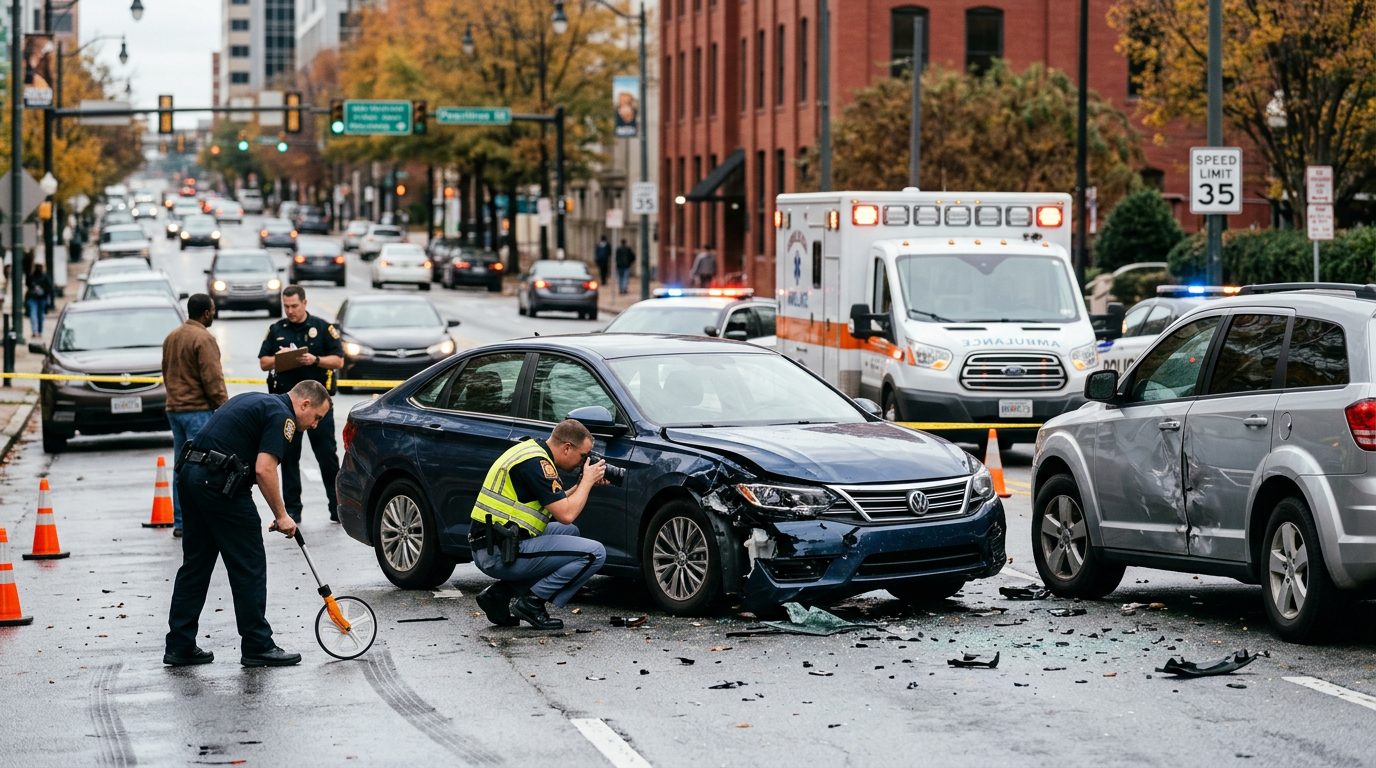
Photos and video capture the scene before the road is cleared and the cars are moved. They show positions, damage, and conditions that memory often gets wrong.
Take wide shots of the whole scene. Show traffic signals, stop signs, lane markings, skid marks, debris, road surface, weather, and lighting. Photograph where each vehicle came to rest, and include the direction each one was traveling.
Then take close-up and wide-angle photos of damage on every vehicle involved, not just your own. Capture the points of impact and any damage you cannot see from one angle. Photograph license plates too. A common mistake is photographing only your own car, which leaves gaps in the story.
If you have visible injuries like bruising, cuts, or swelling, photograph them as soon as it is safe. Take new photos over the following days as they change. Keep the original files with their time stamps on your phone or cloud account.
Is a police report enough evidence of a car accident, and how do you get one?
A police report is an official record of the crash, but it is one piece of the evidence, not the whole story. It records what the responding officer observed, the parties’ information, and any citations issued.
Ask the responding agency for the crash report and write down the report number. When the report arrives, check names, addresses, insurance details, the order of events, and any diagram. If something is wrong, note the error and keep your own written timeline showing what happened.
Officers usually arrive after a crash ends. The report reflects what the officer could see and what drivers and witnesses reported at the time. Pair it with photos, witness accounts, and your own notes.
How long a report takes to become available depends on the investigating agency and the details of the crash. Ask the agency when it expects the report to be ready. Write down the date you asked and the name of the person you spoke with.
Why do witness statements and contact information matter after a crash?
Witness accounts matter because a neutral person can confirm what happened when drivers disagree. Collect names and contact details before anyone leaves the scene.
Ask anyone who saw the crash for a name, phone number, and email. That includes passengers, pedestrians, nearby drivers, and employees of nearby businesses. If someone is willing, write down what they say in their own words, along with where they stood and what they could see.
Witnesses move, change phone numbers, and forget details over time. A short written statement made the same day is often more useful than a memory from months later. Never pressure someone to say something they did not see. A witness who saw a light change can answer a question the report leaves open.
How do medical records and a treatment timeline support a Georgia car accident claim?
Medical records show what injuries you had, how they were treated, and what that care cost. A clear treatment timeline links the crash to your injuries, so keep it as complete as you can.
Get medical care promptly and follow the plan your providers give you. Gaps in care and delayed visits are often questioned by insurers. Some injuries, like soft tissue injuries and conditions with delayed symptoms, can take days or weeks to show up. Early visits help document them.
Keep copies of emergency room notes, imaging results, physician and therapy records, prescriptions, and bills. Note the date and the symptoms you reported at each visit. A simple journal of pain, sleep, missed work, and daily tasks you could not do can help too.
Georgia law focuses on the value of medical care. Under O.C.G.A. § 51-12-1.1, medical expenses are limited to the reasonable value of medically necessary care, treatment, or services. The statute also says a copy of any letter of protection is relevant and discoverable. Under O.C.G.A. § 51-12-2, special damages must be proved to be recovered.
Not sure what your next step is?
Talk it through with our team — the first consultation is free, confidential, and carries no obligation.
Why should you preserve your vehicle and its data after a car accident?
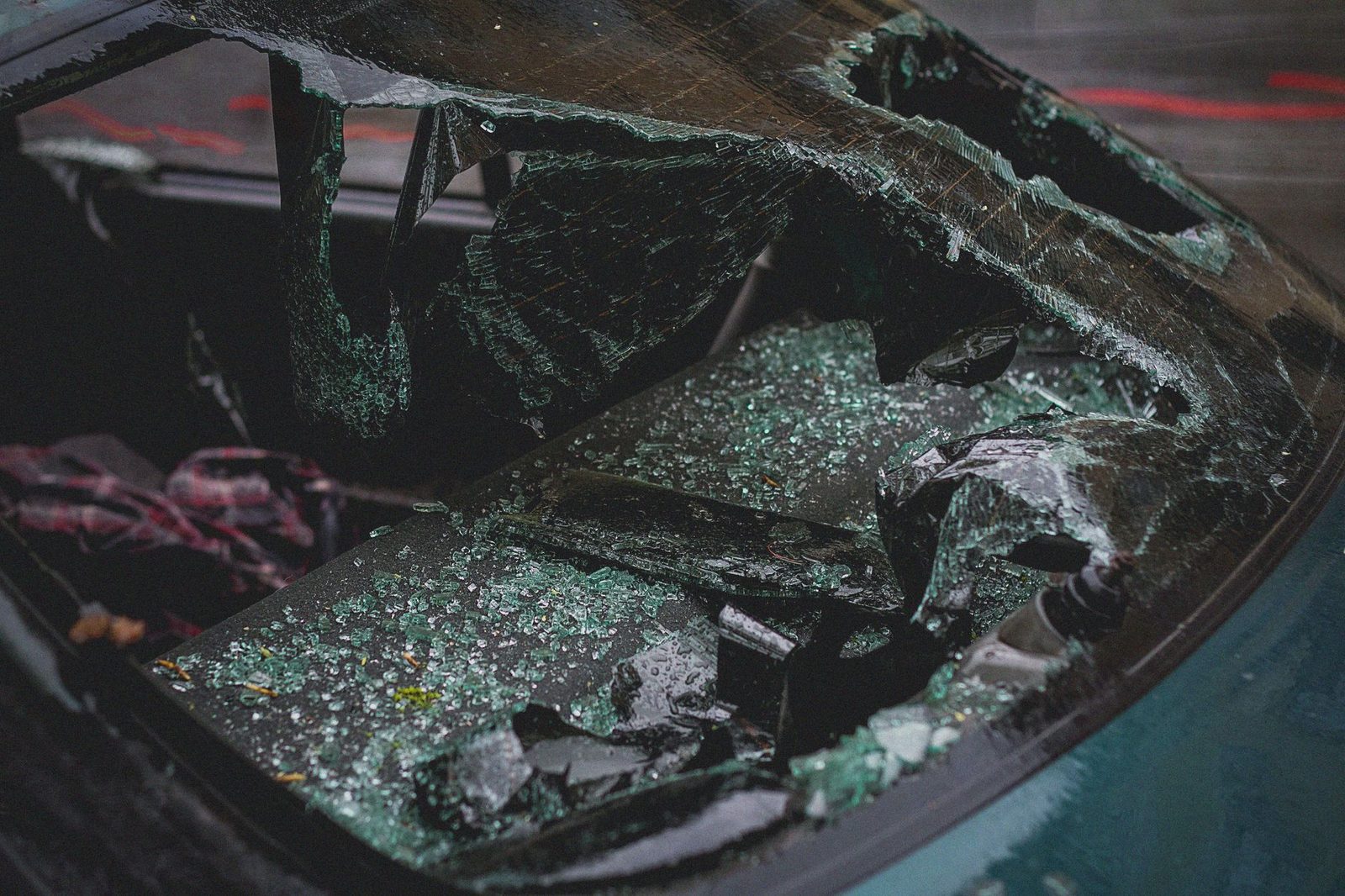
Keep your vehicle unrepaired and unsold until its damage and data are documented. Repairs and crushing can erase physical and electronic proof.
Many modern vehicles record event data, often called black box data. Depending on the vehicle, it can show speed, braking, and throttle before a crash. That information sits in a module that can be lost if the car is repaired, the module is replaced, or the vehicle is crushed.
Ask the shop or storage yard to hold the vehicle. Keep a written record of who has custody of it and when you asked them to keep it. Save repair estimates, towing and storage receipts, and any letters about the car.
Lost or altered evidence can make a claim harder to prove. A preserved vehicle and a clear custody record protect proof you may need later.
What should you write down and keep in an evidence checklist after a car accident?
A written timeline and organized records give you a usable file from the start. Write your account as soon as you can, while the details are fresh.
Record the time, the location, each vehicle’s direction of travel, the weather, road conditions, and what was said at the scene. Write down the other driver’s name, license, insurance company, and policy number, plus each license plate and vehicle make and model. Note the employer or owner if a vehicle belonged to someone other than the driver.
The Georgia Office of the Commissioner of Insurance and Safety Fire advises promptly notifying police and your insurer, gathering identifying information and evidence, and avoiding statements that admit responsibility.
Build a simple checklist: scene photos and video, vehicle photos, the police report number, witness contacts, medical records and bills, repair estimates, insurance letters, and a daily journal of symptoms and missed work.
Want help organizing your evidence after a Georgia car accident?
You can start organizing this evidence today, and you don’t have to sort through it alone.
Common questions about evidence after a Georgia car accident
Is a police report enough evidence of a car accident?
A police report helps, but it works best alongside photos, witness details, and medical records.
How long do I have to file a lawsuit in Georgia?
Under O.C.G.A. § 9-3-33, most actions for injuries to the person must be brought within two years.
What if I was partly at fault?
Under O.C.G.A. § 51-12-33, damages are reduced by your share of fault, and you cannot recover if you are 50 percent or more responsible.
Should I give a recorded statement?
Georgia’s insurance regulator advises avoiding statements that admit responsibility, so think carefully before you speak.
If you’re dealing with injuries, a damaged car, and insurance calls after a crash, our team at Slam Dunk Attorney is glad to talk through what happened. You can request a free, confidential initial consultation, with no obligation to continue, through our contact page.
Responsible lawyer: Peter F. Jaraysi, Slam Dunk Attorney, Duluth, Georgia. Contact: contact page. This page is general information, not legal advice.
How Our Team Can Help You Organize Your Evidence
Organized records
We help you sort police reports, medical bills, repair estimates, and insurance correspondence in one place.
Clear communication
You will know what we are working on and what we still need from you, with plain-language updates.
Attention to your recovery
We understand that gathering information can be hard while you are injured. We focus on the details so you can focus on healing.
A free first consultation
Your initial consultation is free, confidential, and comes with no obligation to continue.
Be Careful What You Share
Avoid posting about the crash, your injuries, or your activities on social media, and talk with a lawyer before giving a recorded statement to any insurance company. What you say and post can be used in ways you may not expect.
What to Gather After a Car Accident in Georgia
Police and crash reports
Get the report number from the responding officer and keep a copy of any crash report that is issued. Note the names and badge numbers of officers at the scene.
Photos and video
Photograph vehicle damage, the road, traffic signs, skid marks, weather, and your injuries. Take wide shots and close-ups, and save any dashcam or nearby security footage quickly.
Witness and driver information
Collect names and phone numbers of anyone who saw the crash, plus the other driver's name, contact information, insurance details, license plate, and vehicle description.
Medical records and a symptom journal
Keep every doctor visit, test result, prescription, and bill. Write down pain, sleep problems, and daily limits as they happen, since small details often matter later.