
Duluth, Georgia | Slip and Fall & Short-Term Rental Injuries
Hurt at an Airbnb or VRBO? Talk With Our Team About Your Options
Slip and fall injuries at short-term and vacation rentals can be confusing to sort out. Our lawyers focus on premises liability and help injured people across metro Atlanta and Georgia understand their next steps. Your first consultation is free, confidential, and comes with no obligation to continue.
By Peter F. Jaraysi · Published October 23, 2026
A slip and fall at an Airbnb or VRBO may lead to a claim against the people responsible for the unsafe spot. Georgia law asks whether the property owner or occupier used ordinary care to keep the property safe. If you were hurt, a slip and fall lawyer 30067 can explain your options in plain language. Slam Dunk Attorney is based in Duluth, Georgia, and represents injured people across metro Atlanta, including Marietta (ZIP 30067).
What a Short-Term Rental Slip and Fall Claim Is
A short-term rental slip and fall claim is an injury claim for a fall caused by an unsafe condition at a vacation rental. Airbnb and VRBO stays are often houses, condos, or cabins that someone owns or manages, so the claim usually looks at the property itself.
Common hazards include:
- Wet bathroom or kitchen floors
- Loose stair railings
- Broken deck boards
- Icy walkways
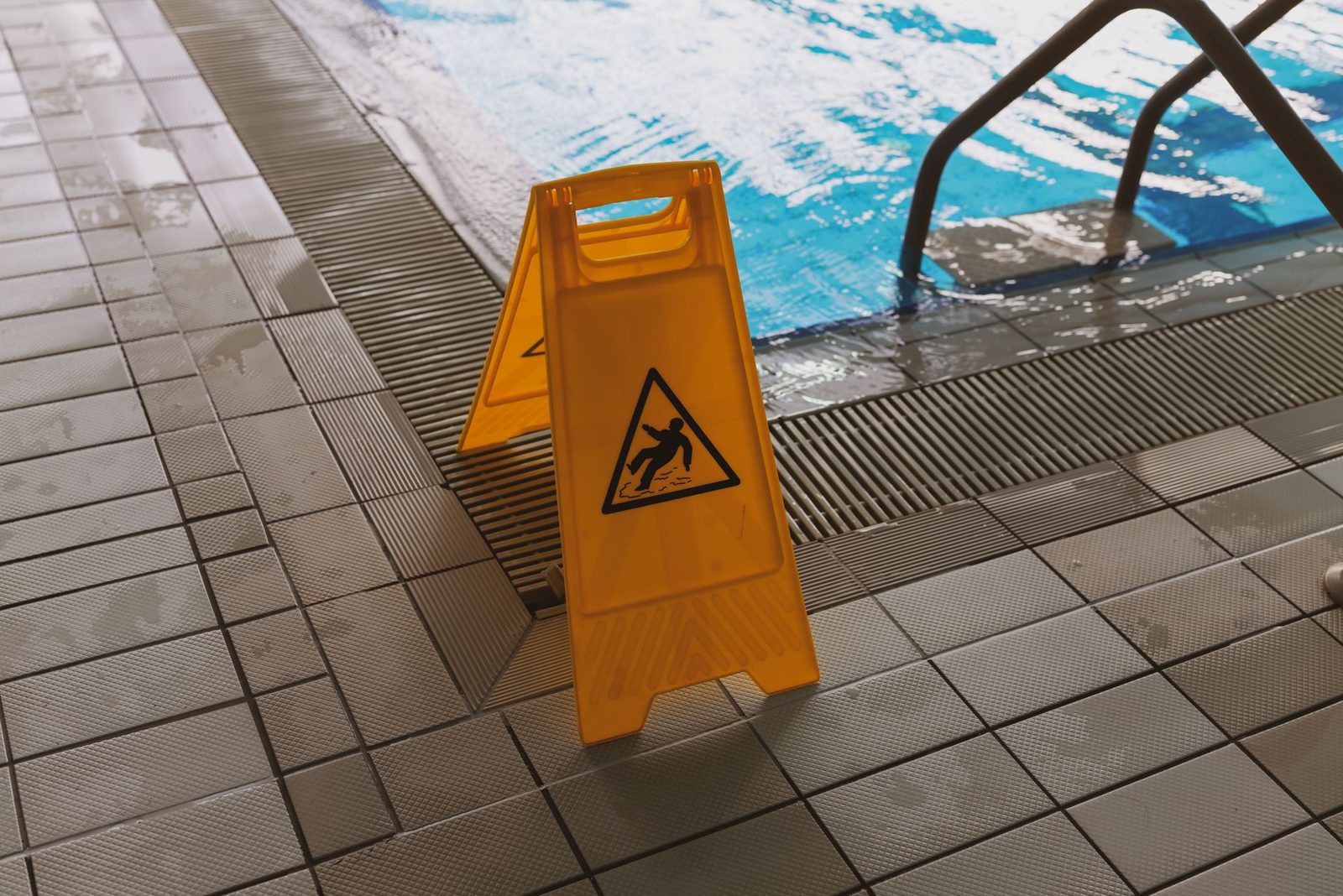
- Uneven pool areas
Georgia’s slip-and-fall prevention guidance for offices lists housekeeping, removing obstructions, fixing spills, and keeping walkways safe as core steps. The same hazards show up at rentals.
This page is for the injured guest, a family member acting for them, or a traveler whose trip ended in an emergency room. A fall far from home adds stress. You may not know the property, the host, or the local medical care. A fall can happen at check-in, during the stay, or in shared areas like a stairway or parking lot.
If you were hurt in a fall at a rental you booked, you may have a claim, and our team is here to talk it through with you. Talk it through with our team — the first consultation is free, confidential, and carries no obligation.
Who Can Be Held Responsible for a Rental Injury
It depends on who controlled the hazard. Responsibility usually turns on who controlled the spot and who knew, or should have known, about the danger.
Evidence that shows control and notice includes:
- Repair requests and maintenance logs
- Complaints from earlier guests
- House rules and listing details
- Messages with the host or property manager
Georgia’s apportionment rule matters here. Damages are reduced by the injured person’s share of fault. The remaining award is divided among the liable parties by their percentage of fault, and those shares are not joint (O.C.G.A. § 51-12-33). Which parties and insurance apply depends on the facts of each case.
What a Claim Can Cover
A claim can seek payment for the losses a fall caused, including medical bills, lost income, and other harm. Under O.C.G.A. § 51-12-2, general damages are those which the law presumes to flow from any tortious act, and they may be recovered without proof of any amount. Special damages are those which actually flow from a tortious act, and they must be proved in order to be recovered.
Concrete items may include:
- Emergency care, imaging, surgery, physical therapy, and future treatment a doctor recommends
- Lost wages when injuries keep you from work
- Prescriptions, mileage to appointments, medical equipment, and home changes
- General harm, such as pain and limits on daily life
For medical bills, Georgia limits recovery to the reasonable value of medically necessary care (O.C.G.A. § 51-12-1.1). Necessary expenses after an injury are a legitimate part of the damage estimate (O.C.G.A. § 51-12-7). Keep receipts, mileage logs, and pay records from the start.
If a fall is fatal, Georgia’s wrongful death statute covers claims tied to the death of a spouse or parent. It also sets out who may recover (O.C.G.A. § 51-4-2).
Georgia Rules That Shape These Cases
Georgia requires a property owner or occupier who, by express or implied invitation, induces or leads others to come upon his premises for any lawful purpose to use ordinary care to keep the premises and approaches safe. Most personal injury suits must be filed within two years. Here are the rules that matter most early on.
- Duty of care. An owner who invites people onto property for a lawful purpose is liable for injuries caused by failing to use ordinary care to keep the premises and approaches safe (O.C.G.A. § 51-3-1).
- Deadline. Except as otherwise provided in this article, actions for injuries to the person must be brought within two years after the right of action accrues, except that actions involving loss of consortium must be brought within four years (O.C.G.A. § 9-3-33).
- Shared fault. Damages are reduced by your share of fault. If you are 50 percent or more responsible, you are not entitled to any damages (O.C.G.A. § 51-12-33).
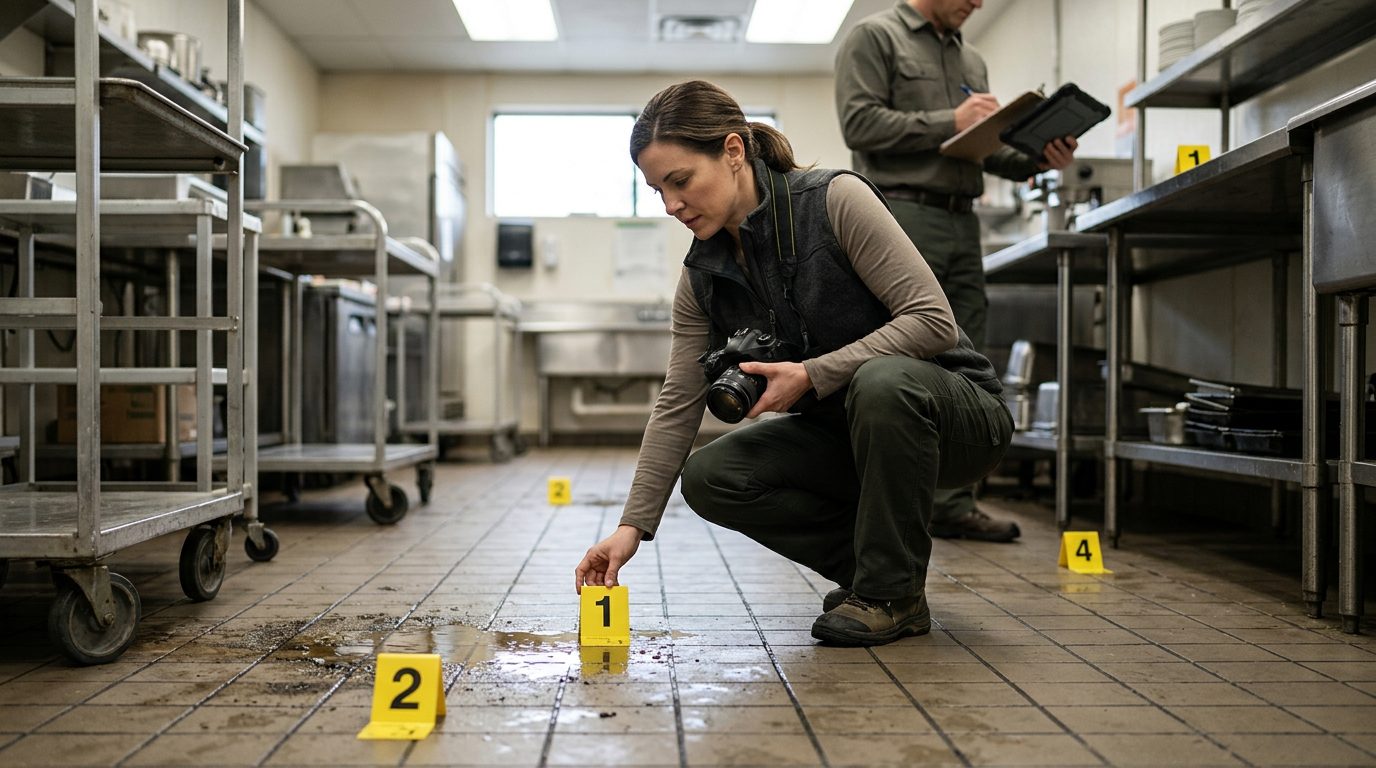
Early evidence matters for practical reasons. Hazards get fixed and listings change. Photos of the spot, the booking confirmation, the listing, and texts with the host can help document what happened.
What to Expect: The Claim Process Step by Step
A typical claim moves from medical care and evidence gathering to a consultation, investigation, negotiation, and, if needed, a lawsuit. Here is how it usually flows.
- Get medical care. Follow the treatment plan. Medical records document the injury and how it happened.
- Preserve evidence. Save photos of the hazard, the booking, the listing, house rules, messages with the host, and names of anyone who saw the fall.
- Talk with our team. The first consultation is free, confidential, and carries no obligation to continue. You can ask questions before you decide anything.
- Investigate. The review may include maintenance records, prior complaints, insurance information, and medical documentation.
- Evaluate and negotiate. The claim is presented to the responsible parties and their insurers. You are updated at key stages.
- File a lawsuit if needed. If a fair resolution isn’t reached, the case may be filed in court. Timing varies with the injuries and the parties involved.
Why Work With Slam Dunk Attorney
Slam Dunk Attorney is based in Duluth, Georgia, and represents injured people across metro Atlanta and Georgia. The firm handles slip and fall, premises liability, negligent security, car and truck accidents, nursing home abuse, wrongful death, catastrophic injuries, and short-term rental injuries.
Our lawyers include Peter F. Jaraysi and Brian D. Wright. They explain options in plain language, so you can understand your choices. Peter F. Jaraysi is the responsible lawyer for this page.
The firm serves clients in Marietta (ZIP 30067), Lawrenceville, Johns Creek, Alpharetta, Dunwoody, and Norcross. For more on premises claims in Marietta, read our premises liability guide for Marietta.
Not sure what your next step is?
Talk it through with our team — the first consultation is free, confidential, and carries no obligation.
Common Questions About Airbnb and Vacation Rental Injuries
Most people ask whether they have a claim, how long they have, and whether treatment must end first.
Can I make a claim after a fall at a rental booked on Airbnb or VRBO?
Many rental falls are premises claims. The right parties turn on who controlled the hazard.
Do I have to finish treatment before I talk to a lawyer?
No. Talking with a lawyer early can help preserve evidence while treatment continues.
How long do I have to act?
Georgia’s general deadline for personal injury actions is two years after the right of action accrues (O.C.G.A. § 9-3-33; Kenneth B. Cameron v. Jmp Pizza, Inc (2026)).
What if I was partly at fault?
Georgia reduces your damages by your share of fault. You cannot recover if you are 50 percent or more responsible (O.C.G.A. § 51-12-33; Quynn v. Hulsey (2020)).
Can a slip and fall lawyer 30067 review a fall at a vacation rental?
Yes. Our team can review the facts of your fall with you during an initial consultation.
If you’re still sorting out a fall at a rental you booked, you don’t have to work out the next steps alone. Contact our team to talk through what happened.
How We Can Help
Premises Liability Focus
We focus on injuries caused by unsafe property conditions, including slip and falls at homes, rentals, and businesses.
Rental Claim Investigation
We look at who controlled the hazard, what was booked, and what records may help show how the fall happened.
Attention to Your Recovery
We understand that medical care comes first. We work to keep your claim organized while you focus on healing.
Plain-Language Answers
We explain your situation clearly, without legal jargon, so you can make informed decisions at your own pace.
Protect Your Evidence Now
If you can, photograph the hazard, the surrounding area, and any visible injuries. Keep your booking confirmation, messages with the host or property manager, and any medical records. Early notes can make a difference when details are still fresh.
After a Fall at a Rental Property
Get Medical Care
See a doctor or go to urgent care, even if your injuries seem minor at first. Some symptoms appear hours or days later.
Document the Scene
Take photos or video of the spot where you fell, including lighting, flooring, stairs, railings, and any spills or damage.
Save Your Booking Records
Keep reservation details, listing information, house rules, and all messages with the host, platform, or property manager.
Talk With a Lawyer Early
Speaking with a lawyer early can help preserve evidence while your treatment continues. Your first consultation is free and confidential.