

Premises Liability | Georgia
Slip and Fall on Stairs & Escalators: Get Help Now
If you were injured on someone else's property due to unsafe stairs or escalators, you may have a claim. Slam Dunk Attorney focuses exclusively on premises liability across Georgia.
By Peter F. Jaraysi · Published September 27, 2026
Slip and Fall on Stairs & Escalators in Georgia: Your Premises Liability Rights
A slip and fall on stairs or escalators is a premises liability claim—a legal case in which a property owner or manager is held responsible for your injury because they failed to maintain safe conditions or warn you of a known hazard. Unlike a simple slip on a wet floor, stair and escalator injuries involve unique hazards: broken steps, missing handrails, mechanical failure, poor lighting, and design defects that create serious injury risks.
If you’ve been hurt on stairs or an escalator in Georgia, you have legal rights. Property owners must maintain their premises in a reasonably safe condition or warn of known dangers. This guide explains what premises liability means, what compensation may be available, and how Slam Dunk Attorney handles these claims from start to finish.
If you've fallen on stairs or an escalator at a commercial property and suffered injury, you may have a premises liability claim—and many people in your situation reach out to us for a free case review. Talk it through with our team — the first consultation is free, confidential, and carries no obligation.

What Is a Slip and Fall Claim on Stairs or Escalators?
A slip and fall claim on stairs or escalators is a premises liability case arising from a property owner’s or manager’s negligence in maintaining safe conditions.
Stairs and escalators present hazards that differ from general slip-and-fall claims. A simple slip on a wet floor is one thing; a fall down a flight of broken stairs or an entrapment in a malfunctioning escalator is another. These claims often involve design defects, mechanical failure, inadequate maintenance, or failure to warn of a known danger.
Who can be liable:
- Retail stores and shopping malls
- Apartment complexes and residential buildings
- Office buildings and commercial properties
- Hospitals and medical facilities
- Public transit systems
- Employers and workplaces
- Hotels, restaurants, and hospitality venues
Under Georgia law, property owners and managers owe you a duty of reasonable care. They must maintain stairs and escalators in safe condition, inspect them regularly, repair hazards promptly, and warn you of dangers they know about or should know about.
What Causes Stair and Escalator Slip-and-Fall Injuries?
Stair and escalator falls result from specific, preventable hazards that property owners should address.
Stair hazards include:
- Worn, cracked, or damaged steps
- Missing or broken handrails
- Poor or inadequate lighting
- Uneven step heights or depths
- Slippery surfaces (wet, waxed, or worn treads)
- Debris, obstacles, or clutter on steps
- Inadequate warnings or signage
Escalator hazards include:
- Mechanical malfunction or failure
- Missing or broken steps or treads
- Inadequate or broken handrails
- Sudden, unexpected stops
- Entrapment risks (loose clothing, hair, jewelry caught in machinery)
- Worn or slippery treads
- Lack of regular maintenance or inspection
Environmental and design factors:
- Wet surfaces from spills or weather
- Ice or snow on outdoor stairs
- Inadequate warning signs or barriers
- Stairs or escalators built to unsafe specifications
- Non-compliance with building codes or safety standards
In the premises liability cases our attorneys handle, we often find that property owners knew about hazards—prior complaints, maintenance records showing deferred repairs, or prior incidents—but failed to act. That knowledge, combined with inaction, strengthens your claim.
What Injuries Result From Stair and Escalator Falls?
Falls on stairs and escalators can cause severe, life-altering injuries.
Common injuries include:
- Broken bones: ankles, legs, hips, wrists, ribs, and vertebrae
- Head and spinal injuries: concussions, traumatic brain injury, spinal cord damage, and paralysis
- Soft tissue injuries: sprains, strains, torn ligaments, and torn tendons
- Lacerations and contusions: deep cuts, bruising, and permanent scarring
- Crush injuries: from escalator entrapment or mechanical failure
- Long-term effects: chronic pain, permanent mobility loss, cognitive impairment, and disability
Some injuries heal within weeks; others require months of rehabilitation or result in permanent disability. Medical expenses mount quickly, and lost wages add financial strain on top of physical pain.
What Must Be Proven in a Georgia Stair or Escalator Slip-and-Fall Claim?
To succeed in a premises liability claim in Georgia, you must establish four elements: duty, breach, causation, and damages.
1. Duty
The property owner owed you a legal duty to maintain safe premises or warn of known hazards. This duty exists if you were a lawful visitor, customer, or invitee—not a trespasser.
2. Breach
The owner failed to maintain the stairs or escalator safely, or failed to warn of a hazard they knew about or should have known about. This might mean neglecting repairs, ignoring maintenance, or failing to post adequate warnings.
3. Causation
The unsafe condition directly caused your fall and injury. You must show a clear link between the hazard and your harm.
4. Damages
You suffered measurable harm: medical expenses, lost income, pain and suffering, or permanent disability.
Comparative negligence in Georgia
Georgia’s comparative negligence law is a key advantage. Under O.C.G.A. § 34-7-2, you can recover damages even if you were partially at fault—as long as the property owner was more than 50% responsible. If you were distracted or not paying full attention when you fell, that doesn’t automatically bar your claim. We evaluate the full circumstances.
What Compensation May Be Available?
Georgia premises liability law allows recovery for both economic and non-economic damages.
Economic damages (out-of-pocket costs):
- Emergency room and hospital care
- Surgery and anesthesia
- Rehabilitation and physical therapy
- Ongoing medical treatment and medication
- Medical equipment (braces, crutches, wheelchairs)
- Lost wages during recovery
- Lost earning capacity if injury causes permanent disability
Non-economic damages (pain and suffering):
- Physical pain and discomfort
- Emotional distress and anxiety
- Reduced quality of life and enjoyment of activities
- Permanent disfigurement or scarring
- Permanent disability or loss of mobility
- Cognitive or behavioral changes from head injury
Other recoverable costs:
- Damaged personal property (clothing, glasses, phone)
- Future medical care and anticipated treatment
- Home care or in-home assistance if needed
The goal is to make you whole—to restore you, as much as possible, to the condition you were in before the fall.
Not sure what your next step is?
Talk it through with our team — the first consultation is free, confidential, and carries no obligation.
How Slam Dunk Attorney Handles Your Stair or Escalator Claim
We handle your case from intake through resolution with a clear, step-by-step process.
Step 1 – Free Consultation
We listen to your account of the fall, review any photos or video you have, and explain your rights under Georgia premises liability law. There’s no cost, no obligation.
Step 2 – Investigation
We obtain maintenance records, building code compliance documents, prior incident reports at the property, and surveillance footage of the fall or the hazard. We don’t accept the property owner’s account; we dig into the facts.
Step 3 – Medical Documentation
We coordinate with your healthcare providers to establish the full scope of your injuries, treatment, and prognosis. Complete medical records are essential to proving damages.
Step 4 – Liability Analysis
We determine who is responsible and whether the property owner knew or should have known of the unsafe condition. Did they ignore maintenance complaints? Did prior incidents occur at the same location? We build the case for liability.
Step 5 – Demand & Negotiation
We prepare a detailed demand letter and negotiate with the property owner’s insurance company. We present evidence, medical records, and legal arguments for fair compensation.
Step 6 – Resolution
Most claims settle through negotiation. If a fair settlement isn’t reached, we prepare your case for trial in Georgia courts and represent you at every stage.
Why Choose Slam Dunk Attorney for Your Stair or Escalator Injury?
Georgia-based experience
We know Georgia premises liability law, local court procedures, and how regional property managers and insurers operate. We’re based in Duluth and serve metro Atlanta and Georgia.
Premises liability focus
Slip-and-fall and premises liability claims are our specialty—not a sideline. We understand the nuances of stair and escalator hazards, building codes, and maintenance standards.
Thorough investigation
We don’t accept surface-level explanations. We pull maintenance records, building code compliance documents, prior incident reports, and expert analysis of the hazard.
No upfront cost
We handle your case on a contingency basis. You pay no attorney fees unless we recover compensation for you. You also remain responsible for case costs (filing fees, expert fees, court costs), which we discuss transparently.
Transparent communication
We explain the process, timeline, and realistic options at every stage. You know where your case stands and what to expect next.
Local presence and community roots
We’re part of the communities we serve. We understand the neighborhoods, the properties, and the people of metro Atlanta and Georgia.
Common Questions About Stair and Escalator Slip-and-Fall Claims
Q: Am I at fault if I wasn’t paying attention when I fell?
Not necessarily. Georgia’s comparative negligence rule allows recovery even if you were partially at fault, as long as the property owner was more than 50% responsible. We evaluate the full circumstances.
Q: How long do I have to file a claim?
Georgia’s statute of limitations for premises liability is two years from the date of injury. Don’t delay—evidence fades, witnesses move away, and memories fade.
Q: What if the property owner says I was trespassing?
Property owners owe a duty of care to lawful visitors and customers. If you were invited or had a right to be there, trespassing is not a defense.
Q: Do I need medical records to file a claim?
Yes. Medical documentation establishes the injury, its cause, and the damages you suffered. Seek treatment promptly and keep all records.
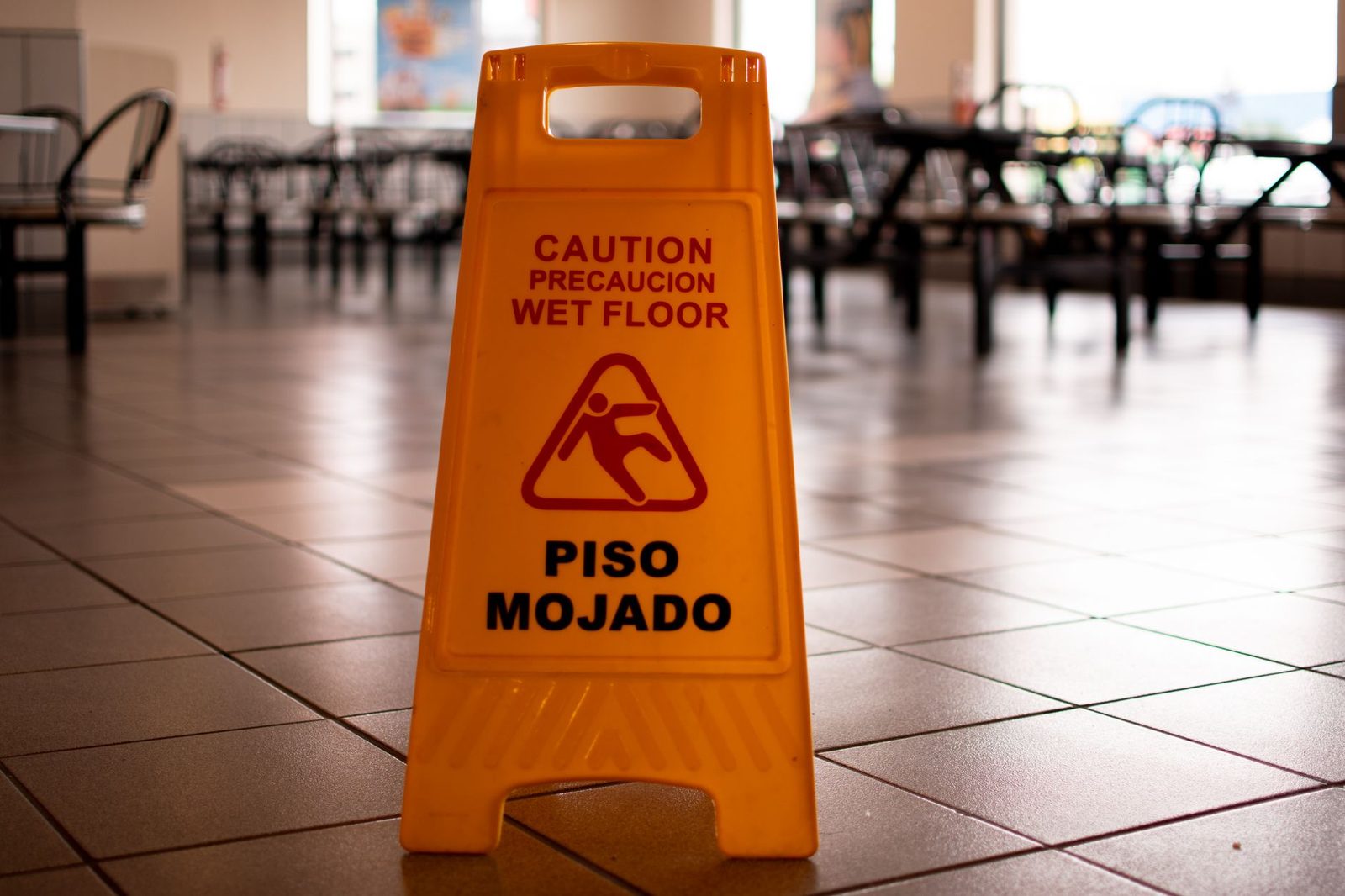
Q: What if there was a ‘wet floor’ sign?
A sign alone may not shield the property owner from liability if the hazard was unreasonably dangerous or the warning was inadequate. We evaluate whether the warning was sufficient given the circumstances.
Q: Can I still recover if I was partially at fault?
Yes, under Georgia’s comparative negligence law, as long as the property owner was more than 50% at fault.
Q: What if the property owner’s insurance denies my claim?
Insurance denials are not final. We have the right to file a lawsuit in Georgia courts and litigate your claim.
What to Do After a Stair or Escalator Fall
Taking immediate action strengthens your claim and protects your health.
Right after the fall:
- Seek medical attention immediately, even if injuries seem minor. Some injuries appear hours or days later.
- Report the incident to the property manager or owner in writing. Ask for a copy of the incident report.
- Take photos or video of the stairs, escalator, lighting, signage, and the exact hazardous condition.
- Collect contact information and names of witnesses who saw the fall.
- Do not sign any settlement or release without legal review.
In the days and weeks after:
- Keep all medical records, test results, and receipts.
- Document lost wages and time away from work.
- Preserve any clothing or personal items damaged in the fall.
- Write down details of the fall while they’re fresh in your memory.
- Do not speak with the property owner’s insurance company without legal counsel.
Next step:
Contact Slam Dunk Attorney for a free case review before the statute of limitations runs out. We’ll explain your options and guide you through the process.
Georgia Premises Liability Law: What You Need to Know
Duty of care
Under Georgia common law, property owners must maintain premises in a reasonably safe condition or warn of known hazards. This is a foundational legal duty.
Reasonable care standard
The owner must act as a reasonable person would to prevent foreseeable injury. If a hazard is known or obvious, the owner should address it.
Comparative negligence
O.C.G.A. § 34-7-2 allows you to recover damages even if you were partially at fault, as long as the property owner was more than 50% responsible. This is a significant protection for injured claimants.
Statute of limitations
You have two years from the date of injury to file a lawsuit in Georgia. Missing this deadline bars your claim forever.
No assumption of risk defense
A property owner cannot escape liability simply because you “assumed the risk” of using stairs or escalators. The owner still owes you a duty to maintain safe conditions.
If you've fallen on stairs or an escalator at a commercial property and suffered injury, you may have a premises liability claim—and many people in your situation reach out to us for a free case review. Talk it through with our team — the first consultation is free, confidential, and carries no obligation.
Your Next Step: Free Case Review
If you’ve fallen on stairs or an escalator at a commercial property, retail location, apartment building, or public venue in Georgia, you may have a premises liability claim. The path forward starts with a conversation.
Slam Dunk Attorney offers a free, confidential case review. We’ll listen to what happened, answer your questions about Georgia law, and explain your options—no obligation, no cost.
Request a free consultation or call us today for a free case review. People injured on stairs and escalators reach out to us regularly, and we’re ready to help you understand your rights and fight for fair compensation.
Why Choose Slam Dunk Attorney for Your Slip and Fall Claim
Focused on Premises Liability
We handle slip and fall cases involving stairs, escalators, and other unsafe property conditions across metro Atlanta and Georgia.
Clear Legal Guidance
We explain your rights in plain language and walk you through the claims process without pressure or jargon.
Empathetic Representation
We understand how injuries disrupt your life. We're here to advocate for fair compensation while you focus on recovery.
Free Case Review
Contact us today to discuss what happened and learn whether you have a claim—at no cost to you.
Important: Act Within Georgia's Time Limit
Georgia law sets a deadline for filing premises liability claims. Delays can affect your ability to pursue compensation. The sooner you contact us, the sooner we can protect your rights.
Common Slip and Fall Scenarios We Handle
Broken or Missing Stair Treads
Stairs with worn, cracked, or missing steps create serious hazards. Property owners must maintain safe conditions or warn visitors of dangers.
Escalator Malfunctions
Escalators that stop suddenly, move erratically, or lack proper handrails can cause severe injuries. Operators and owners have a duty to maintain safe equipment.
Poor Lighting on Stairs
Inadequate lighting on stairways makes it difficult to see hazards. Property owners are responsible for providing sufficient visibility.
Wet or Slippery Surfaces
Stairs and escalator areas near bathrooms, kitchens, or entrances often become wet. Owners must clean promptly or post warnings.
What to Do After a Slip and Fall Injury
Seek Medical Attention
Get evaluated by a doctor right away, even if your injury seems minor. Medical records document your injury and are crucial to your claim.
Report the Incident
Tell the property owner, manager, or store staff about your fall. Ask them to file an incident report and request a copy for your records.
Gather Evidence
Take photos of the hazard (the broken stair, wet floor, poor lighting) if you safely can. Write down names and contact information for any witnesses.
Contact Slam Dunk Attorney
Call us for a free case review. We'll evaluate the circumstances and explain your options without any obligation.