

Premises Liability
Slip and Fall on Wet Floors: Know Your Rights in Georgia
A wet floor sign isn't enough. If a property owner's negligence caused your injury, you may have a claim. We're here to help.
By Peter F. Jaraysi · Published September 27, 2026
Slip and Fall on Wet Floors: Georgia Liability & Warnings
You slipped on a wet floor at a store, restaurant, or someone else’s property and got hurt. Now you’re wondering: is the property owner responsible? Under Georgia premises liability law, the answer depends on several specific factors—and understanding them can help you decide whether your accident warrants legal review.
If you slipped on a wet floor at a business or property and suffered an injury, you may have a valid claim—and our team regularly helps people in exactly that situation understand their options. Talk it through with our team — the first consultation is free, confidential, and carries no obligation.
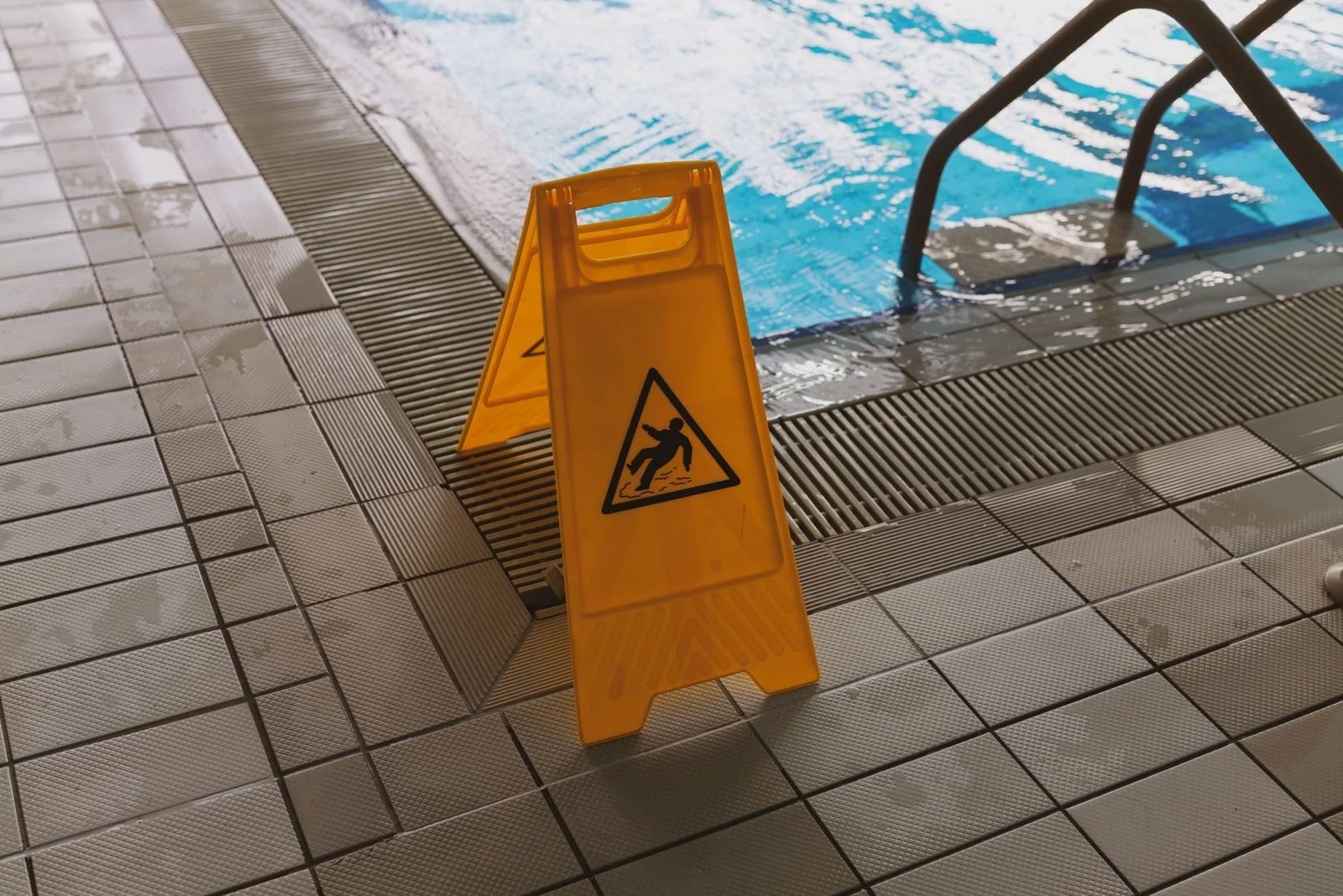
What Duty Does a Property Owner Owe When Floors Are Wet?
Georgia law requires property owners and managers to maintain their premises in a reasonably safe condition for lawful visitors. This duty includes keeping floors free of hazardous conditions—including wet surfaces—that could cause injury to customers, guests, and other people lawfully on the property. A property owner must either fix the hazard, warn visitors about it, or do both.
The duty applies whether the property is a commercial business (a grocery store, restaurant, office building) or a residential property where guests are invited. The owner’s responsibility is to act like a reasonable property owner would act: inspecting the premises regularly, addressing known problems, and alerting visitors to dangers they might not immediately see.
When Is a Wet Floor a Hazardous Condition?
A wet floor becomes a hazard when it creates an unreasonable risk of slip-and-fall injury. Not every wet floor is a legal hazard—context matters. Courts in Georgia consider several factors to decide whether a wet floor crossed the line into a dangerous condition:
- How slippery the surface is. A highly polished tile floor becomes more slippery when wet than a textured concrete floor.
- How long the floor has been wet. A floor that’s been wet for hours is more likely to be a known hazard than one that just got wet moments ago.
- Whether the area is well-lit. Poor lighting makes it harder for visitors to see and avoid the wet spot.
- Whether the floor is in a high-traffic zone. A wet floor in the middle of a busy aisle is more likely to cause injury than one in a corner.
- Whether visitors could reasonably expect the floor to be wet. A wet floor in a bathroom or near an entrance during rain may be more foreseeable than one in the middle of a store aisle.
The property owner’s knowledge of the wet condition—or how long they should have known about it through reasonable inspection—matters significantly. If the owner knew about the wet floor and did nothing, liability is much stronger than if the floor appeared suddenly and without warning.
What Warnings Are Required for Wet Floors in Georgia?
Georgia law does not mandate a specific type of warning sign, but the warning must be reasonably likely to alert visitors to the hazard. A yellow caution sign or cone is a common and effective way to warn of a wet floor. However, a sign alone doesn’t guarantee protection from liability—placement and visibility are critical.
An effective warning must meet these standards:
- It must be placed where visitors can see it before they encounter the wet floor. A sign hidden behind a corner or placed far from the hazard won’t work.
- It must use clear language that communicates the danger. A sign that says “Caution: Wet Floor” is more effective than vague wording.
- It must not be obscured or hard to notice. If the sign is faded, knocked over, or blocked by merchandise, it may not satisfy the duty to warn.
Verbal warnings from staff can also satisfy the duty to warn, but only if they reach the person at risk before they encounter the hazard. A warning given after someone has already fallen doesn’t protect the owner from liability.
How Does Georgia Law Determine Liability for a Wet Floor Slip and Fall?
Georgia courts apply a “reasonable person” standard to determine liability. The question is: would a reasonable property owner or manager have discovered and corrected (or warned of) the wet floor?
This standard has several key parts:
Actual knowledge. If the property owner actually knew the floor was wet and did nothing, that’s strong evidence of liability. A manager who saw the spill and ignored it, or an employee who knew about the leak and didn’t fix it, can’t escape responsibility just by claiming they forgot.
Constructive knowledge. Lack of actual knowledge doesn’t shield the owner from liability. If the wet floor existed long enough that a reasonable inspection would have revealed it, the owner may still be liable. Georgia law asks: should the owner have known through regular maintenance and inspection routines?
The owner’s own negligence. If the wet floor resulted from the owner’s negligence—a leaking pipe, a spill that wasn’t cleaned up, inadequate drainage—liability may apply even if the owner didn’t personally see it.
The visitor’s conduct. The property owner is not automatically liable just because someone slipped. The visitor must show the owner knew (or should have known) of the hazard and failed to warn or fix it. However, even if the visitor was distracted or not paying close attention, the owner’s duty to warn of serious hazards still applies.
What About “Natural Accumulation” of Water?
Georgia recognizes a “natural accumulation” doctrine in some contexts. This means property owners may have limited liability for water that naturally accumulates—such as rain or snow—near entrances during weather events. However, this doctrine does not eliminate the duty to warn or to take reasonable steps to manage the hazard.
The natural accumulation defense has limits:
- If water pools in an unusual location or remains for an extended period, liability may still apply.
- If the accumulation is not typical for the area or the season, the defense may not apply.
- In commercial settings, the natural accumulation defense is narrower than in residential ones. A business that serves the public has a higher duty to manage foreseeable water hazards.
A business can’t simply ignore a puddle in the lobby during a rainstorm and claim the natural accumulation doctrine protects it. The owner must still take reasonable steps to warn customers or manage the hazard.
Not sure what your next step is?
Talk it through with our team — the first consultation is free, confidential, and carries no obligation.
Can a Visitor’s Own Actions Affect a Slip-and-Fall Claim?
Georgia follows a “comparative negligence” rule. This means if the visitor was partly at fault for the fall—by running, wearing inappropriate footwear, ignoring a visible warning, or not paying attention—their recovery may be reduced. However, comparative negligence doesn’t eliminate the property owner’s duty to maintain a safe premises or to warn of hazards.
Example: A visitor in high heels runs through a store and slips on a wet floor with no warning sign. The visitor’s choice to run and wear slippery shoes might reduce their recovery, but the owner’s failure to warn or clean up the hazard is still negligent.
A visitor who was distracted or not paying attention may still have a valid claim if the property owner failed to warn of a serious hazard.
What Should You Do After a Slip and Fall on a Wet Floor?
If you’ve been injured in a slip-and-fall accident, taking the right steps immediately can strengthen your claim:
- Report the incident to the property owner or manager right away. Ask them to document it in writing, and request a copy of the incident report.
- Take photos of the wet floor, the surrounding area, lighting, and any warning signs (or lack thereof). Photos taken at the scene are powerful evidence.
- Get the names and contact information of any witnesses. People who saw the fall or the wet floor are valuable to your claim.
- Seek medical attention if you’re injured, and keep all records of treatment and expenses. Medical documentation links your injury directly to the fall.
- Don’t sign any documents or give a recorded statement without legal advice. Property owners and their insurers may try to get you to say something that weakens your claim.
- Write down your own account of what happened. Include what you were doing, what you saw, how you fell, and what you felt immediately after. Write this while your memory is fresh.
When Should You Contact a Slip-and-Fall Attorney?
If you suffered a significant injury from a slip and fall on a wet floor, an attorney can help you understand whether you have a valid claim. An attorney can investigate the property owner’s maintenance records, inspection logs, and any prior complaints about similar hazards. This investigation often uncovers evidence that the owner knew (or should have known) about the danger.
An attorney can also help you navigate insurance claims and negotiate with the property owner’s liability carrier. Many slip-and-fall claims are resolved through settlement, but an attorney can prepare your case for trial if needed.
Frequently Asked Questions
How long do I have to file a slip-and-fall claim in Georgia?
Georgia’s statute of limitations for personal injury claims is generally two years from the date of injury. This means you must file a lawsuit within two years or lose your right to sue.
Is a “Wet Floor” sign enough to protect a business from liability?
No. A sign alone doesn’t guarantee protection. The sign must be visible, clearly worded, and placed where you would see it before encountering the hazard. A sign that’s hidden, faded, or placed too far away may not satisfy the owner’s duty to warn.
Can I recover damages if I was partially at fault for my slip and fall?
Yes. Georgia’s comparative negligence rule allows you to recover even if you were partly responsible, though your recovery is reduced by your percentage of fault.
What if the property owner says they didn’t know about the wet floor?
Lack of actual knowledge doesn’t shield the owner from liability. If the wet floor should have been discovered through reasonable inspection and maintenance, the owner may still be liable.
If you slipped on a wet floor at a business or property and suffered an injury, you may have a valid claim—and our team regularly helps people in exactly that situation understand their options. Contact us for a free case review to discuss what happened and whether you have a right to pursue compensation.
A Warning Sign Isn't Enough
Many property owners believe a "Wet Floor" sign protects them from liability. It doesn't. Georgia law holds businesses and property owners responsible when they fail to maintain safe conditions or warn of known hazards. A sign alone does not satisfy that duty if the hazard itself could have been prevented or addressed.
What Makes a Property Owner Liable for Your Slip and Fall?
Negligent Maintenance
The owner knew or should have known about a wet, slippery, or hazardous floor condition and failed to fix it, clean it up, or warn visitors promptly.
Failure to Warn
Even if a hazard exists, the owner must take reasonable steps to warn visitors. A sign placed far from the danger or left up too long may not be enough.
Unreasonable Delay
If the owner knew about a wet floor for an extended period and did nothing to address it, that negligence can support a claim.
Unsafe Conditions
Floors that are inherently slippery, poorly lit, or obstructed—especially when the owner knew or should have known—create liability.
How Slam Dunk Attorney Approaches Your Slip and Fall Case
We Investigate Thoroughly
We gather evidence about the condition, how long it existed, what warnings were posted, and whether the owner acted negligently in maintaining the property.
We Handle the Legal Work
Georgia law is specific about premises liability. We understand the duty owed to visitors and how to prove the owner breached it.
We Focus on Your Recovery
We pursue compensation for your medical bills, lost wages, pain and suffering, and other damages caused by your injury.
We're Available When You Need Us
Based in Duluth and serving metro Atlanta and Georgia, we're ready to discuss your case and answer your questions.
Common Questions About Slip and Fall Claims
How long do I have to file a slip-and-fall claim in Georgia?
Georgia's statute of limitations for personal injury claims is generally two years from the date of injury. This means you must file a lawsuit within two years or lose your right to sue. Time matters—contact us promptly.
Is a 'Wet Floor' sign enough to protect a business from liability?
No. A sign alone doesn't guarantee protection. The owner must still maintain a reasonably safe environment and place warnings where they can actually be seen and understood. If the hazard could have been prevented or cleaned up, a sign may not shield the owner from liability.
What if I was partially at fault for my slip and fall?
Georgia follows comparative negligence rules. Even if you were partially at fault, you may still recover damages—though your award may be reduced by your percentage of fault. We evaluate the full circumstances of your case.
What damages can I recover?
You may be entitled to compensation for medical expenses, lost wages, pain and suffering, and other losses caused by your injury. The specific amount depends on the facts of your case and the severity of your injuries.
Don't Wait—Your Time to Act Is Limited
Related practice areas
- Slip and Fall Accident Lawyer in Georgia | Slam Dunk Attorney
- Slip And Fall in Lawrenceville
- Hotel Slip and Fall Georgia: Guest Rights & Liability