

Duluth, Georgia | Serving metro Atlanta and Georgia
Slip and Fall or Car Accident? How Your Claim Could Differ
The steps, evidence, and legal questions in a premises case are not the same as in a crash claim. Here is what to know, in plain language.
By Peter F. Jaraysi · Published October 26, 2026
A slip and fall vs car accident claim differs mainly in who may be responsible and what must be shown. A restaurant fall is usually a premises claim against whoever controlled the floor. A car, truck, or rideshare claim usually asks whether a driver used reasonable care.
If you were hurt in a fall or a crash, you may be trying to work out which kind of claim fits. Many people searching for “slip and fall vs car accident” want to know whether the rules are the same. They are not. Each type has its own parties, proof, and legal standards. This page explains the main differences under Georgia law. It is general information, not legal advice. Slam Dunk Attorney handles both kinds of matters across metro Atlanta.
How does a Georgia restaurant slip and fall claim differ from a car, truck, or rideshare accident claim handled by the same firm?
A restaurant slip and fall is usually a premises claim against the business or property owner that controlled the floor. A car, truck, or rideshare claim is usually a negligence claim against the driver and the insurers behind the vehicle.
The restaurant claim starts with the owner’s duty to the people it invites in. Under O.C.G.A. § 51-3-1, an owner or occupier who invites people onto the premises must use ordinary care to keep the premises and approaches safe. A customer who comes in for a meal is someone the business invited. The question is whether the business exercised ordinary care in keeping that floor and walkway safe.
Vehicle claims ask a different question. Did the driver act with reasonable care behind the wheel? Speeding, following too closely, and distracted driving are common examples. Our team reviews both kinds of matters, but the questions and evidence differ. For a full overview of Georgia premises claims, read our slip and fall guide.
If a fall at a restaurant or a crash has left you hurt and unsure which kind of claim fits, our team is glad to talk it through with you. Talk it through with our team — the first consultation is free, confidential, and carries no obligation.

Who can be held responsible in each type of claim?
In a restaurant fall, responsibility often falls on whoever controlled the area. In a vehicle crash, the at-fault driver is usually the first person to examine.
A restaurant fall may involve the operator, the property owner, a management company, or a cleaning or repair contractor whose work created the hazard. Control matters. Under O.C.G.A. § 51-2-2, a person is liable for torts committed by a servant within the scope of that person’s business. Who employed the staff, and who directed the work, can shape the claim.
A car claim usually centers on the at-fault driver and that driver’s auto liability insurance.
Truck claims can also reach the trucking company or the employer. Under 49 U.S.C. § 31139, the requirements for oil or hazardous substances can be met with a surety bond issued by a bonding company authorized to do business in the United States.
Rideshare claims have extra layers. Under O.C.G.A. § 40-1-201, a ride share network service is not liable for a driver’s operation of a personal car, provided it had no negligence or criminal misconduct and meets the statute’s conditions. Under O.C.G.A. § 33-1-24, a personal insurer may exclude coverage while a driver is logged on to a transportation network company’s app. Whether the app was on, and whether a trip was underway, can change which policies apply. See our rideshare accident page for more.
What evidence matters most in a restaurant slip and fall compared with a vehicle crash?
In a restaurant fall, the most useful evidence shows the floor’s condition and what the business did about it. In a vehicle crash, the key evidence shows how the vehicles moved and where they stopped.
Restaurant cases often turn on details like these:
- Photos of the exact spot, taken as soon as you can safely take them
- An incident report, if staff completed one
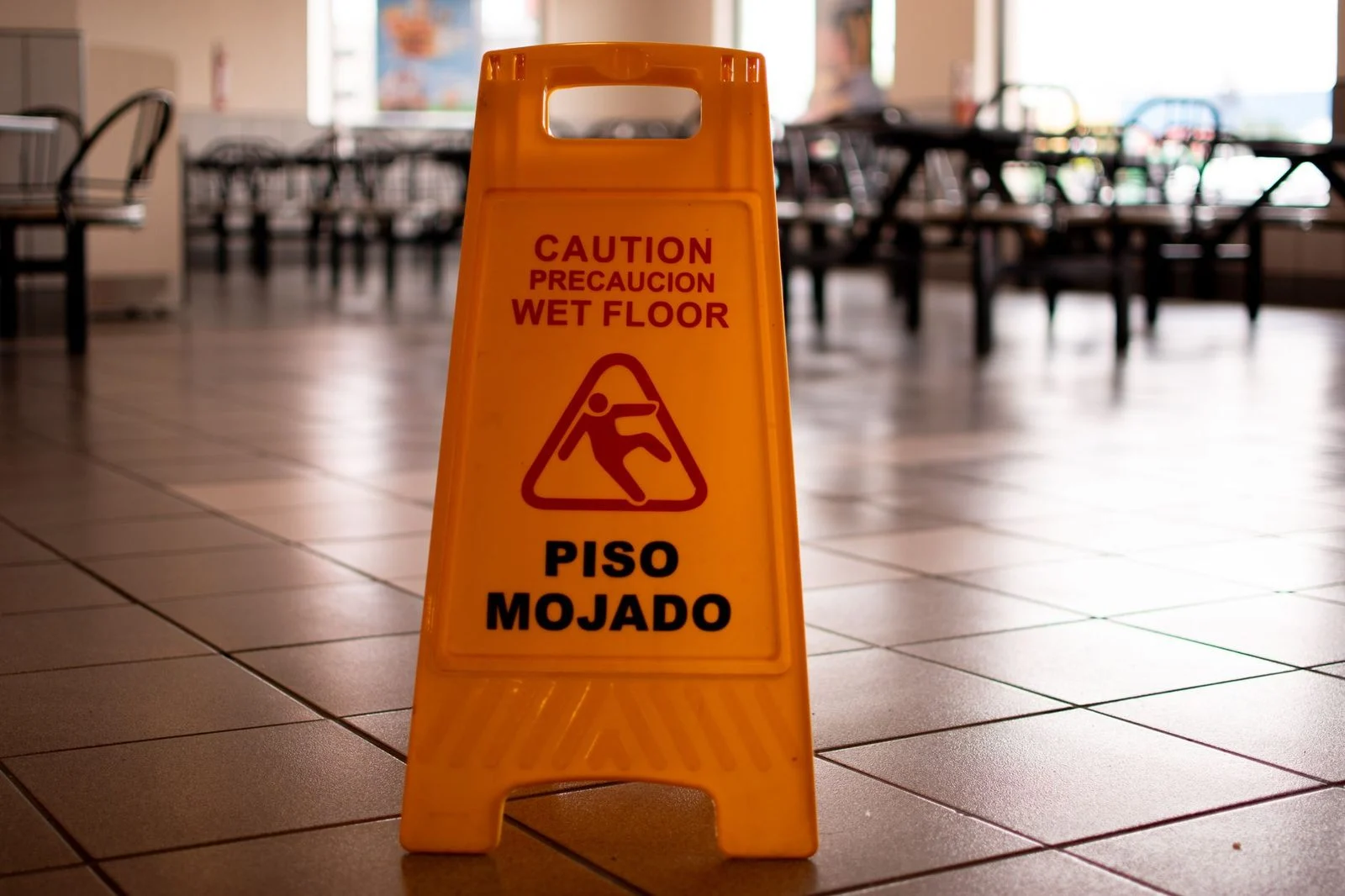
- Wet-floor signs, or proof that none were out
- Cleaning and inspection logs
- The shoes you wore
- Names of staff members and witnesses
Surveillance video is time-sensitive. Many systems overwrite footage on a routine schedule, so asking early for the footage to be kept can matter. Falls are a common type of accident. Georgia’s Department of Administrative Services training material on falls, slips and trips notes that prevention steps can reduce them.
Vehicle cases usually rely on the police report, photos of the vehicles and scene, the damage pattern, and witness statements. Truck and rideshare cases may add app trip data, dashcam footage, vehicle electronic data, and driver logs.
Does a restaurant slip and fall claim require proof that the owner knew about the hazard?
A restaurant claim asks whether the business used ordinary care to find and fix hazards. A vehicle claim asks whether the driver used reasonable care on the road.
So the central question in a restaurant case is often what the business did to inspect, clean, and warn. Staff routines, cleaning schedules, and how long a hazard was visible can all bear on that question. These are facts a lawyer reviews closely.
Vehicle claims focus on the driver’s choices. Was the driver speeding, following too closely, changing lanes unsafely, or distracted? The inquiry is about driving conduct, not about what a company knew about a road surface.
This difference changes which records you ask for. A restaurant case may lean on maintenance logs. A crash case may lean on the other driver’s statements and vehicle data.
How do Georgia fault-sharing rules and filing deadlines apply to each type of claim?
Georgia reduces an injured person’s damages by their percentage of fault. If that person is 50 percent or more responsible, they cannot recover damages. Under O.C.G.A. § 51-12-33, the award is reduced in proportion to fault, and each defendant’s share is apportioned, not joint.
This rule applies to both claim types. In a restaurant fall, the other side may argue about footwear, phone use, or where you walked. In a crash, the other side may argue about lane changes or speed. Each argument can affect the percentages a fact-finder assigns.
The filing clock matters too. Under O.C.G.A. § 9-3-33, actions for injuries to the person must generally be brought within two years after the right of action accrues. Some claims have different rules. If a claim is against the state or a state government entity, O.C.G.A. § 50-21-26 requires written notice of the claim within 12 months of when the loss was discovered or should have been discovered. The notice must be mailed by certified mail or statutory overnight delivery, return receipt requested, or delivered personally to the Risk Management Division of the Department of Administrative Services with a receipt obtained. A copy must also be delivered or mailed to the state government entity involved.
Write down the date of your injury and keep early paperwork. This is general information, not advice on the timing of your own claim.
How do insurance coverage and medical records differ between these claims?
A restaurant claim usually runs through the business’s liability insurance. A vehicle claim usually runs through an auto liability policy, and sometimes through your own policy’s added coverage.
Insurance is only part of the picture. Medical records matter in every type of claim. Prompt evaluation, consistent descriptions of symptoms, and a clear record of treatment build a documented timeline. Gaps in care can make that timeline harder to follow.
Health coverage can also affect how bills are paid. If you have Medicare, ask about this early.
Georgia law also separates two kinds of damages. Under O.C.G.A. § 51-12-2, general damages are presumed from the wrong and can be recovered without proof of an amount. Special damages, such as medical bills and lost wages, actually flow from the injury and must be proved. Bills, pay stubs, and employer letters help prove them.
Not sure what your next step is?
Talk it through with our team — the first consultation is free, confidential, and carries no obligation.
How is the value of a slip and fall or vehicle injury claim evaluated?
Each claim is reviewed on its own documented facts, so no two claims are valued the same way. Our team looks at the evidence, the medical picture, and the fault question together.
The factors usually reviewed include:
- Medical care received and still needed
- Time away from work and lost income
- How the injury affects daily life, sleep, and family duties
- The evidence of who was at fault, and how much
Serious injuries take a longer look. Spinal cord injury, traumatic brain injury, amputation, and severe burns often require review of future care and long-term effects. Those reviews take more time, and they shape every later decision. Our catastrophic injury page covers those cases.
Talking through your situation with our team
If you’re unsure which kind of claim fits, our team can talk it through with you. You may be dealing with pain, missed work, and a lot of unanswered questions. That’s true after a fall in a restaurant in Alpharetta or Marietta. It’s also true after a crash on a busy road in Norcross, Kennesaw, Lawrenceville, or Dunwoody.
You can reach our team through our contact page for a free, confidential initial consultation, with no obligation to continue.
Frequently asked questions
Is a slip and fall vs car accident claim handled the same way?
No. A slip and fall vs car accident claim differs in who may be responsible, what evidence matters, and which legal standards apply.
Does Georgia bar recovery if the injured person is partly at fault?
Georgia reduces damages by the injured person’s share of fault. Under O.C.G.A. § 51-12-33, a person found 50 percent or more responsible cannot recover damages.
How long do I have to file a personal injury claim in Georgia?
Under O.C.G.A. § 9-3-33, most injury actions must generally be brought within two years after the right of action accrues.
Disclaimer:
This page is general information, not legal advice, and reading it does not create an attorney-client relationship. No outcome is promised. Slam Dunk Attorney practices law in Georgia. The responsible lawyer for this page is Peter F. Jaraysi, Slam Dunk Attorney, Duluth, Georgia. Contact details are on our contact page.
Where Slip and Fall and Car Accident Claims Differ
Who May Be Responsible
A slip and fall case often centers on the property owner, manager, or another party who controlled the space. A car accident case often involves drivers, vehicle owners, or others connected to the crash.
What Evidence Matters
Premises cases often turn on conditions, warnings, maintenance records, and video. Crash cases often rely on police reports, vehicle damage, photos, and witness accounts.
Which Legal Standards Apply
Each type of claim follows its own legal framework. The questions that matter for a fall on someone else's property are different from those in a collision on a public road.
Why Early Steps Help
Reporting the incident, preserving evidence, and getting medical care all help document what happened. Our team can review your situation and explain what to consider.
How Our Firm Can Help
Careful Case Review
We look at the facts of your injury, where it happened, and who may be involved before suggesting a path forward.
Clear Communication
We explain the differences between claim types in plain language so you can make informed decisions.
Focus on Recovery
Injuries from falls and crashes can affect your health, work, and family. We stay mindful of what you are going through.
Serving Metro Atlanta
Our Duluth, Georgia firm represents people in Atlanta, Lawrenceville, Johns Creek, Alpharetta, Marietta, Norcross, Kennesaw, Dunwoody, and throughout Georgia.
Important: Do Not Assume Your Claim Works the Same Way
A fall at a store and a collision on the road may both cause serious injury, but they can involve different parties, evidence, and rules. Speak with a lawyer about your specific facts before assuming what applies to you.
Talk With Our Team About Your Injury, at No Cost
Related practice areas
- Restaurant Slip and Fall Evidence: Georgia Checklist