
Premises Liability
Winter Slip & Fall: Ice & Snow Liability in Georgia
Understand when property owners are responsible for winter injuries—and what your rights are if you're hurt.
By Peter F. Jaraysi · Published September 27, 2026
Winter Slip and Fall: Ice and Snow Liability in Georgia
Not every slip on ice or snow means a property owner is legally responsible for your injury. Georgia law has specific rules about winter weather liability that differ from what you might expect. Understanding these rules helps you know whether you have a valid claim and when to seek legal guidance.
If you've slipped on ice or snow at a property where the owner may have created or worsened the hazard through negligence, you may have grounds for a claim—and people in your situation reach out to us regularly to understand their rights. Talk it through with our team — the first consultation is free, confidential, and carries no obligation.
Winter Slip-and-Fall Accidents in Georgia: What You Need to Know
Georgia winters are typically mild, and the state’s courts have developed a specific legal framework—the natural accumulation rule—that reflects this reality. Winter weather creates hazardous conditions on walkways, parking lots, and entryways across metro Atlanta and throughout Georgia, but the law doesn’t automatically hold property owners liable for every icy surface.
Georgia premises liability law requires property owners to maintain their property in a reasonably safe condition. However, this duty is complicated when winter weather is involved. Courts recognize that Georgia rarely experiences prolonged freezing conditions, and clearing all ice and snow isn’t always practical or feasible. This legal framework protects property owners in some situations while still holding them accountable when their own negligence causes or worsens a hazard.
Understanding these rules is crucial. Your ability to recover compensation depends on whether the property owner’s actions—or failure to act—created the dangerous condition you encountered.
Georgia’s Natural Accumulation Rule
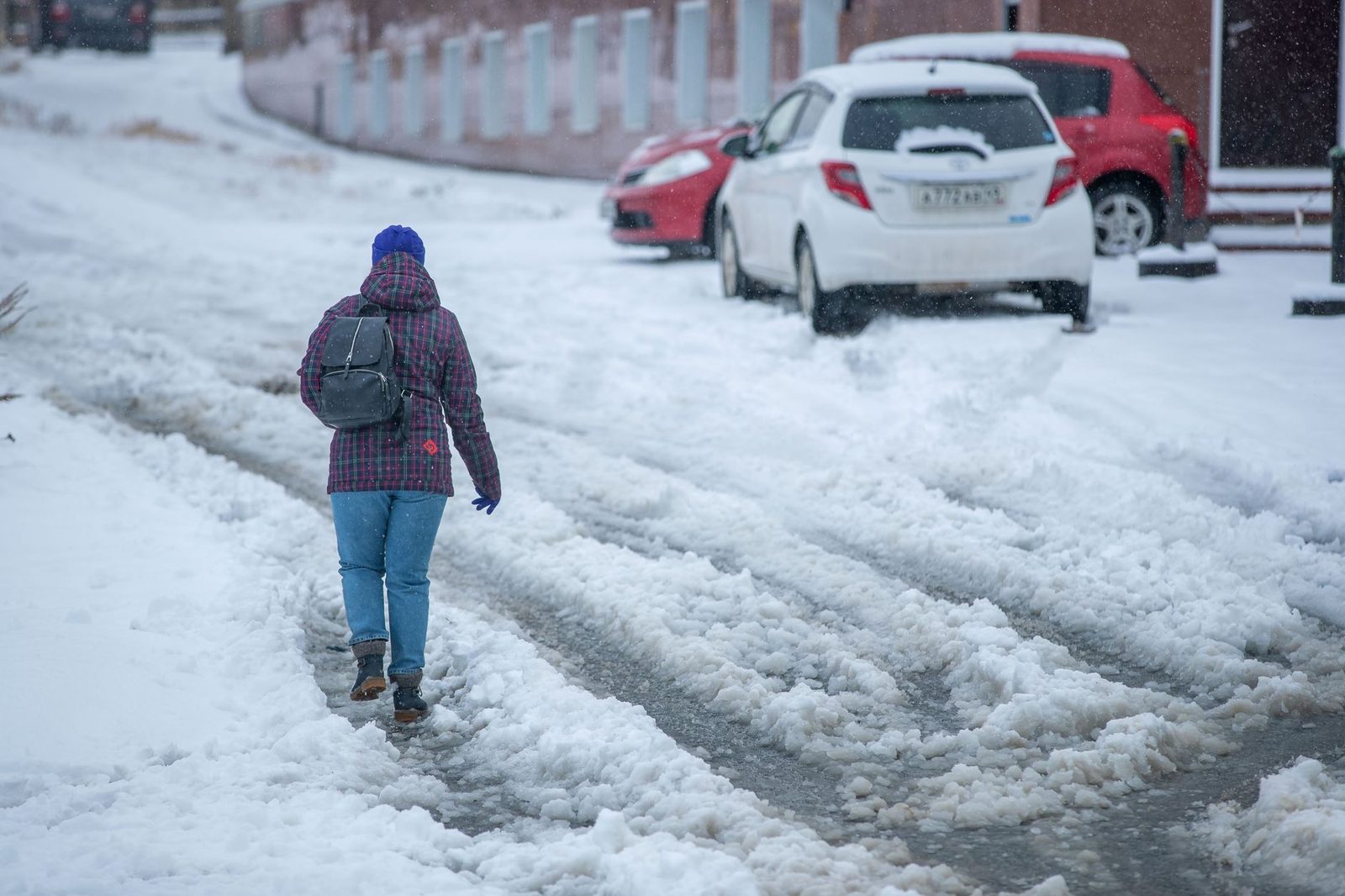
Georgia recognizes the “natural accumulation rule,” which generally shields property owners from liability for injuries caused by naturally occurring ice and snow. This rule applies when ice and snow fall from the sky or form naturally due to weather conditions, without any contribution from the property owner’s negligence.
Under this doctrine, property owners are not required to remove naturally accumulated ice and snow from their property. They also aren’t automatically liable if someone slips on ice or snow that accumulated naturally. This rule reflects Georgia’s climate and the practical reality that property owners can’t always control the weather.
The natural accumulation rule applies to both residential and commercial properties. A homeowner isn’t liable for someone slipping on ice that formed naturally in their driveway. Similarly, a business owner isn’t liable for a customer who slips on snow that fell on the parking lot, provided the owner didn’t create or worsen the condition.
This is different from the law in states with frequent, severe winters, where property owners may have a duty to clear snow and ice regularly. Georgia’s approach recognizes that winter weather is uncommon and that imposing a broad duty to remove all ice and snow would be impractical.
When Property Owners May Still Be Liable for Winter Slip-and-Falls
The natural accumulation rule has important limits. Property owners can be held liable for winter slip-and-fall injuries in several situations.
Created or worsened the hazard. If a property owner’s negligence created the icy condition or made it worse, they may be liable. For example, if a broken gutter allows water to drip and freeze on a walkway, the property owner’s failure to maintain the gutter created a non-natural hazard. Similarly, if a property owner negligently removes snow in a way that causes water to freeze on a walkway, that negligent action may create liability.
Known, non-natural hazards. Property owners can be liable if they knew or should have known of a dangerous ice or snow condition that wasn’t naturally accumulated and failed to take reasonable steps to address it. In the premises liability cases our attorneys handle, we often find that property owners were aware of a specific hazard—such as ice forming repeatedly in one spot due to a maintenance problem—but took no action.
Failure to warn. Even when a property owner isn’t required to remove ice or snow, they may have a duty to warn visitors of known hazardous conditions. A reasonable warning might include signage, barriers, or other notice that alerts people to the danger. If a property owner knew of a hazard and failed to provide adequate warning, that failure can create liability.
Commercial properties. Commercial properties may have higher duties than residential properties. Businesses that invite the public onto their premises—such as retail stores, restaurants, and office buildings—may have greater responsibility to address winter hazards or warn of them.
The Difference Between Natural and Non-Natural Ice and Snow
The distinction between natural and non-natural conditions is often central to determining liability in a winter slip-and-fall claim.
Natural accumulation refers to ice and snow that falls from the sky or forms naturally due to weather. This includes ice that forms when rain freezes on a surface during a cold snap, or snow that accumulates during a winter storm. The natural accumulation rule protects property owners from liability for these conditions.
Non-natural ice and snow may result from a property owner’s actions or negligence. Examples include:
- Ice that forms because a roof gutter is broken and water drips and freezes on a walkway
- Ice that accumulates repeatedly in one spot due to a drainage problem
- Slippery conditions created when a property owner negligently removes snow, pushing it to a location where it melts and refreezes
- Ice that forms on a walkway because the property owner failed to maintain a heating system or failed to repair a pipe leak
If a property owner’s negligence created or worsened the icy condition, the natural accumulation rule may not protect them. Instead, they may be held liable under general premises liability principles.
Duty to Warn vs. Duty to Remove
Georgia law distinguishes between two different duties: the duty to remove and the duty to warn.
Duty to remove. Georgia law generally does not require property owners to remove naturally accumulated ice and snow from their property. This is a core element of the natural accumulation rule. Property owners can’t be sued simply because they didn’t shovel a driveway or salt a parking lot after a winter storm.
Duty to warn. Property owners may have a duty to warn visitors of known hazardous conditions, even when removal isn’t required. A warning might include:
- Posted signage alerting people to icy conditions
- Barriers or cones blocking off hazardous areas
- Other notice that reasonably informs people of the danger
The adequacy of a warning depends on whether it was reasonably likely to reach and inform the person injured. A small sign in an obscure location may not constitute adequate warning. Failure to provide a reasonable warning of a known hazard can create liability even if removal is not required.
Not sure what your next step is?
Talk it through with our team — the first consultation is free, confidential, and carries no obligation.
Premises Liability and Winter Conditions: Key Factors
Georgia premises liability law requires property owners to maintain their property in a reasonably safe condition, but courts apply several factors when winter conditions are involved.
Foreseeability. Was the hazard foreseeable? In Georgia, winter weather is foreseeable, but the specific location or nature of an icy condition may or may not be foreseeable to the property owner.
Likelihood of injury. How likely was it that someone would be injured by the condition? A patch of ice on a main walkway is more likely to cause injury than ice in a remote corner of a property.
Burden of remedying. How difficult or costly would it be to address the condition? This factor weighs in the property owner’s favor when the burden is high, but less so when a simple warning or repair would prevent injury.
Type of property and visitor status. Courts consider whether the property is commercial or residential. They also consider the status of the visitor—whether they were an invitee (invited onto the property), a licensee (present with permission but not invited), or a trespasser. Invitees receive the highest level of protection under Georgia law.
Documentation. The weather conditions at the time of the fall and the property owner’s actions (or inaction) can be important evidence. Temperature, precipitation, and the time elapsed since the weather event all matter.
What to Do After a Winter Slip-and-Fall Injury in Georgia
If you’ve slipped on ice or snow, taking prompt action can protect your rights and strengthen a potential claim.
Seek medical attention immediately. Even if your injury seems minor, get checked by a healthcare provider. Some injuries, such as head or spine injuries, may not be immediately obvious. Medical records create a clear link between the fall and your injury.
Report the incident. Tell the property owner, manager, or business operator about the fall as soon as possible. Ask them to document the incident and request a copy of any incident report.
Take photographs. Document the scene thoroughly. Photograph the icy or snowy conditions, the walkway or surface where you fell, any hazards, and any warnings (or lack of warnings) that were posted. Take photos from multiple angles and include wide shots showing the overall area.
Collect witness information. If anyone saw your fall, get their name, phone number, and email address. Witness statements can be valuable evidence.
Keep records. Preserve all medical treatment records, bills, and receipts. Document any time away from work or other losses resulting from your injury.
Avoid statements to insurance. Don’t make a statement to the property owner’s insurance company without legal guidance. Insurance adjusters may ask questions designed to minimize the company’s liability.
Preserve evidence. Keep your clothing and shoes from the day of the fall. The condition of the sole or heel may show whether the surface was slippery.
How Slam Dunk Attorney Can Help
Winter slip-and-fall claims require careful analysis of Georgia’s natural accumulation rule and the specific facts of your accident. An experienced premises liability attorney can investigate the scene, gather evidence, and determine whether the property owner’s negligence caused your injury.
We handle slip-and-fall claims across metro Atlanta and Georgia, including cases involving winter conditions. Our team understands Georgia’s premises liability law and the natural accumulation rule. We work on a contingency basis, meaning you pay no attorney fee unless we recover compensation for you. You may still owe case costs, but we handle the legal work while you focus on recovery.
Our goal is to help you understand your rights and pursue fair compensation for your injuries and losses.
Frequently Asked Questions
Is a property owner liable for a slip-and-fall on natural ice and snow in Georgia?
Generally, no—Georgia’s natural accumulation rule shields property owners from liability for injuries caused by naturally occurring ice and snow.
What is the difference between natural and non-natural ice in Georgia?
Natural ice forms from weather; non-natural ice results from a property owner’s negligence, such as a broken gutter creating frozen water on a walkway.
Do property owners have to remove snow and ice from their property in Georgia?
No, Georgia law does not require property owners to remove naturally accumulated snow and ice from their property.
What should I do immediately after a winter slip-and-fall accident?
Seek medical attention, report the incident to the property owner, take photographs of the scene, collect witness information, and preserve evidence.
Can I sue a property owner for a winter slip-and-fall injury in Georgia?
You may have a claim if the property owner created or worsened the hazard through negligence, failed to warn of a known non-natural hazard, or breached another duty under Georgia premises liability law.
If you’ve slipped on ice or snow at a property where the owner may have created or worsened the hazard through negligence, you may have grounds for a claim. Contact us for a free case review to discuss your situation. People in your circumstance reach out to us regularly to understand their rights and explore their options.
Georgia's Natural Accumulation Rule
Georgia law generally shields property owners from liability for injuries caused by naturally occurring ice and snow. However, liability may exist if the property owner created the hazard, failed to warn of a known danger, or acted negligently in a way that made conditions worse.
When Property Owners May Be Liable
Non-Natural Ice & Snow
Ice or snow caused by the property owner's actions—such as water from a roof leak, HVAC system, or negligent snow removal that creates a hazard—may create liability.
Failure to Warn
If a property owner knew of a dangerous condition (natural or otherwise) and failed to warn visitors or take reasonable steps to protect them, liability may apply.
Negligent Maintenance
Improper snow or ice removal, inadequate salt or sand, or failure to maintain safe walkways can constitute negligence even during winter weather.
Premises Liability Duty
Property owners have a duty to maintain their premises in a reasonably safe condition and to warn of known dangers. Winter conditions don't eliminate that duty.
What You Should Know
Natural vs. Non-Natural Hazards
Georgia distinguishes between naturally occurring ice and snow (which typically shield owners) and hazards created or worsened by the owner's actions or negligence.
Your Rights as a Visitor
Even under the natural accumulation rule, you may have a claim if the property owner was negligent, failed to warn of a known danger, or created the hazardous condition.
Evidence Matters
Photos, witness statements, maintenance records, and documentation of the property's condition at the time of your injury are critical to your claim.
Time Is Important
Prompt reporting and investigation of your slip-and-fall injury help preserve evidence and strengthen your case.