
Short-Term Rental Injuries | Duluth, Georgia
Hurt at an Airbnb or VRBO? Here's What Happens Next
Plain-language steps to take after an injury at a short-term rental in Georgia, and how our team can help you work through the process.
By Peter F. Jaraysi · Published October 26, 2026
What happens if I get injured at an Airbnb? The short answer: you get medical care, protect your evidence, and report the injury in writing. Under Georgia law, the host or property owner may be responsible if they failed to keep the property reasonably safe.
Being hurt in a rental is stressful. You didn’t choose the broken railing or the slick deck. You may be in pain, worried about bills, and unsure who to turn to. This guide walks through the steps in plain language, from the first hours to the deadlines that matter.
Get Medical Care First, Even If the Injury Seems Minor
Get medical care first, even if the injury looks small. Some injuries, such as head trauma, back injuries, and internal injuries, may not cause clear symptoms right away. A medical visit creates a record that links the injury to the date and place it happened. That record is often the most important early evidence you have.
Keep every appointment and follow the treatment plan your provider gives you. Save copies of visit notes, prescriptions, and bills. Keep receipts for costs like rides to appointments. Gaps in care can make it harder to show how the injury affects your daily life.
Serious injuries need emergency care right away. These include spinal cord injuries, traumatic brain injuries, amputations, and severe burns. Recovery from these injuries can take a long time. A serious injury can also change the rest of the steps in this guide.
If you were hurt at a rental and aren't sure who is responsible or how to handle the bills, our team is ready to talk it through in a free, confidential consultation. Talk it through with our team — the first consultation is free, confidential, and carries no obligation.
Document the Scene, the Hazard, and Your Injury
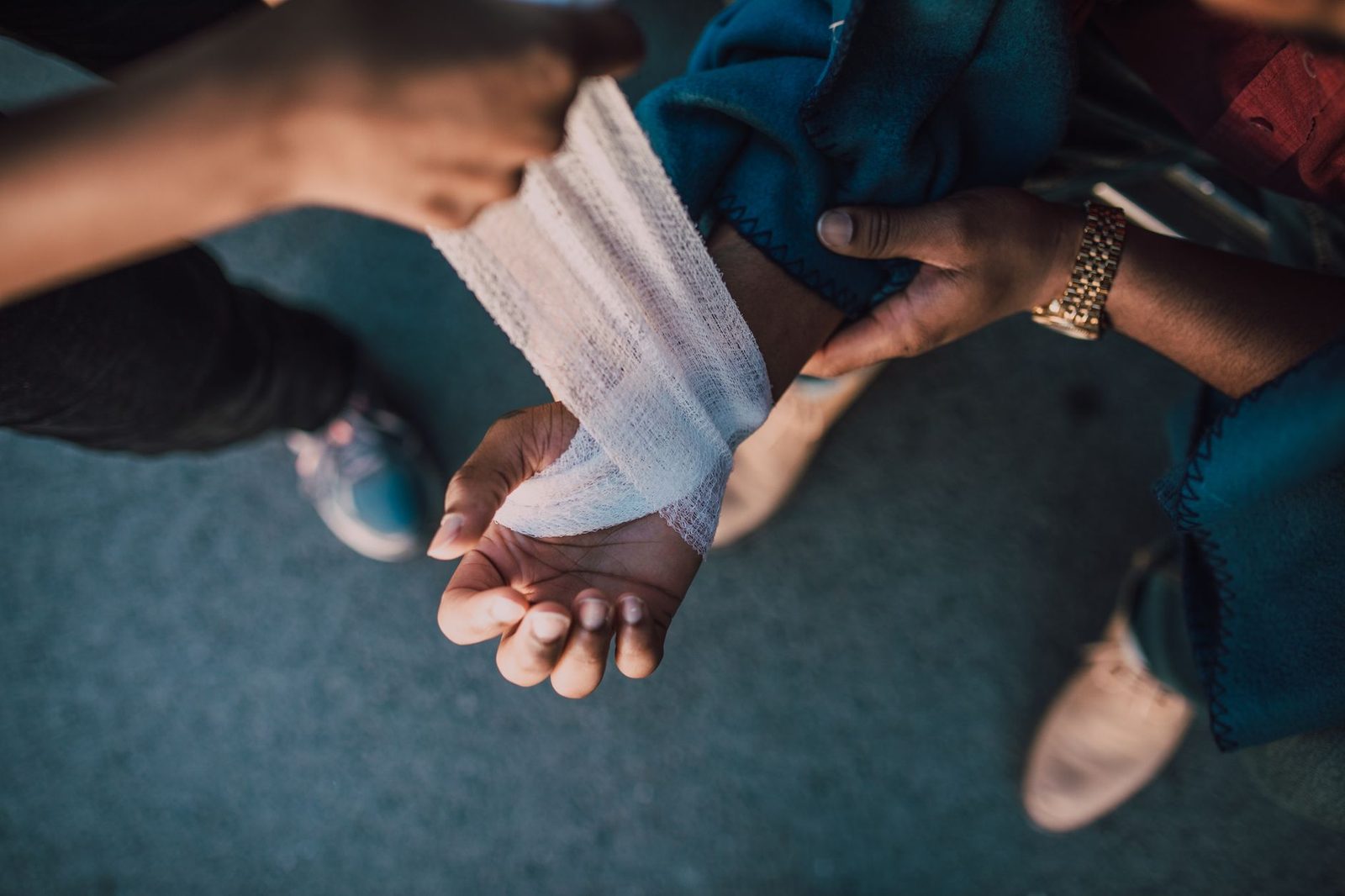
Document the hazard and your injury as soon as you safely can. Photos and video taken close to the event show the condition before anyone repairs it.
Take pictures or video of:
- The hazard itself, such as a broken stair, a loose railing, a wet floor, an unfenced pool, or a missing gate
- The area around it, including lighting and any warning signs or their absence
- Any visible injuries, photographed again as they change
- Any dog involved, and where it was kept
Write down the date, the time, and a detailed account of how the injury happened while your memory is fresh. Note who was there. Save the names and phone numbers of witnesses. Keep every message with the host or property manager, including texts and app messages.
Keep the shoes, clothing, or equipment you were using. Do not wash, repair, or throw them away. Evidence can disappear quickly. A security camera may overwrite its footage, and a repair can erase the condition that caused the fall.
Notify the Host and Report Through the Platform
Report the injury to the host or property manager in writing. An email or app message creates a dated record. Keep a copy.
Airbnb and VRBO each have their own process for reporting guest safety incidents. A platform report is separate from an injury claim. Reporting to the platform does not replace written notice to the host, and it does not start a lawsuit. Keep records of every report you make.
When you write, be factual and brief. Describe what happened, where, and what injuries you have. Avoid guessing about who caused the problem. Do not make statements about the cause that you cannot back up.
Ask in writing for the host’s insurance information. Request the insurer’s name and the policy or claim number. A written request gives you a dated record of what you asked and when.
Who May Be Legally Responsible for an Airbnb Injury
Who may be responsible for an unsafe condition depends on the facts of each case, including who controlled the property. Other parties may share responsibility in some cases.
Georgia law says an owner or occupier who invites or leads people onto the property for a lawful purpose may be liable. That liability applies when the owner fails to use ordinary care in keeping the premises and approaches safe. See O.C.G.A. § 51-3-1. A guest who books a stay is usually someone the host has invited, so this rule fits most rental injuries.
A property manager, a cleaning company, or a repair contractor may have created or failed to fix the hazard. Under O.C.G.A. § 51-2-5, the business that hired a contractor can be liable for the contractor’s negligence in certain situations, including when it retains the right to direct or control the time and manner of executing the work, when the wrongful act is the violation of a duty imposed by statute or by express contract upon it, or when it ratifies the contractor’s unauthorized wrong.
Whether the platform itself can be held responsible depends on the facts and the claims involved. Who is responsible often becomes clearer once the facts are gathered and reviewed.
How Georgia Premises Liability Applies to Short-Term Rentals
Premises liability is a claim that a property owner or occupier failed to keep the property reasonably safe. It is the legal idea behind most rental injury claims. Short-term rental injury cases in Georgia follow this same framework.
In general terms, the question is whether the owner knew or should have known about a hazard. The question also asks whether the owner failed to use ordinary care to fix it or warn about it. The injured person must also have been on the property for a lawful purpose.
Common examples in short-term rentals include:
- A defective deck or balcony railing
- A hot tub cover that gives way, or a slick pool deck
- Poor lighting on indoor or outdoor stairs
- A known leak that makes a floor slippery
- An unsecured dog that bites a guest
A host with no prior complaints is not always off the hook. That is why photos, dates, and written records matter so much.
Host Insurance, Claims, and Why a Lawsuit May Still Be Needed
An insurance claim and a lawsuit are different steps. A claim may resolve the matter, or it may not. If it does not, a lawsuit may become necessary.
Many hosts carry liability insurance through the platform or their own policies. Coverage limits, exclusions, and conditions vary. An insurer’s adjuster works for the insurer. Recorded statements and early written answers can shape how the claim is judged, so think before you speak.
Do not sign a release or accept a payment until you understand what rights it gives up. Before you sign any document from an insurance company, it can help to understand what it says.
Medical bills are part of most claims. Georgia limits medical expense damages to the reasonable value of medically necessary care and services, as the trier of fact decides. See O.C.G.A. § 51-12-1.1. If a provider treated you under a letter of protection, a promise of payment from a future settlement, the letter and itemized charges are relevant evidence. This is one reason to keep every bill.
Not sure what your next step is?
Talk it through with our team — the first consultation is free, confidential, and carries no obligation.
Common Defenses and How Georgia Fault Rules Work
Georgia reduces your recovery by your share of fault. If your share is 50 percent or more, you cannot recover damages (O.C.G.A. § 51-12-33; Quynn v. Hulsey (2020)).
Insurers and defense lawyers often raise certain arguments. They may say the guest was careless. They may say the hazard was obvious, that the guest knew the risk, or that the injury existed before the stay. Each argument is decided on the facts.
Georgia’s apportionment statute explains how fault works. Under O.C.G.A. § 51-12-33, a judge reduces the damages in proportion to the injured person’s share of fault. A person who is less than 50 percent at fault still recovers, reduced by that share. The fault of all persons who contributed to the injury is considered, whether or not they were named in the suit.
The Georgia Supreme Court has quoted this apportionment statute in Quynn v. Hulsey. Your records from the earlier steps, including photos, messages, and medical notes, help answer these arguments.
Time Limits and Talking With a Georgia Injury Lawyer
Georgia generally requires injury lawsuits to be brought within two years after the right of action accrues. See O.C.G.A. § 9-3-33. Other deadlines may apply in certain situations.
If you are married, your spouse may have a loss of consortium claim. That claim has a four-year period under the same statute.
Video, texts, and property records can disappear. Acting early helps you keep them.
You may be recovering from an injury, managing bills, and hearing from an insurance company that wants a quick statement. Deciding whether to talk with a lawyer now is a hard choice. You don’t have to make it alone. Contact Slam Dunk Attorney for a free consultation about your rental injury.
The first consultation is free, confidential, and carries no obligation to continue. If a case goes forward, the client may still be responsible for court costs and case expenses.
Frequently Asked Questions
What happens if I get injured at an Airbnb?
Get medical care, document the hazard, report the injury in writing, and keep every record.
Who is responsible if I’m hurt at an Airbnb in Georgia?
The host or the person who controls the property is often the main party responsible for an unsafe condition.
How long do I have to file a claim?
Georgia generally gives two years after the right of action accrues to file most injury lawsuits (O.C.G.A. § 9-3-33; Kenneth B. Cameron v. Jmp Pizza, Inc (2026)).
What if I was partly at fault?
Georgia reduces your recovery by your share of fault, and bars recovery at 50 percent or more (O.C.G.A. § 51-12-33; Quynn v. Hulsey (2020)).
Disclaimer: This page is general information, not legal advice. Peter F. Jaraysi is the responsible lawyer for this page. Slam Dunk Attorney is based in Duluth, Georgia, and its contact information is at https://slamdunkattorney.com/contact-us/.
Steps to Take After an Injury at a Rental
Get medical care
Your health comes first. Seek treatment right away, even if your injuries seem minor at the time, and follow your provider's advice.
Document the hazard
If it is safe to do so, photograph the unsafe condition, the area where you were hurt, and any missing warnings or broken fixtures.
Report the injury in writing
Notify the host or property manager in writing and keep a copy of your message. A written record makes the timeline easier to confirm later.
Keep every record
Save medical bills, receipts, booking confirmations, messages with the host, and notes about lost work or daily limitations.
How Our Team Can Help
Plain-language answers
We explain your options in clear terms so you know what to expect before you make any decisions.
Evidence organization
We help you gather and organize reports, photos, medical records and booking details in one place.
Protection from insurance pressure
We can communicate with insurers and property parties on your behalf so you can focus on recovering.
Respectful, personal attention
Your situation is unique. We take time to listen to what you have been through and what matters most to you.
Be Careful With Early Insurance Calls
Insurance representatives may contact you soon after an injury. Before giving a recorded statement, signing a release or accepting any payment, talk with a lawyer about what you are being asked to agree to.