
Short-Term Rental Injuries · Atlanta, Georgia
Hurt at a Short-Term Rental? Learn Who May Be Involved
Vacation rentals and short-term stays booked through Airbnb, VRBO and similar platforms can hide serious hazards. Our Duluth, Georgia firm helps people across metro Atlanta understand their options after an injury. Your first consultation is free, confidential and comes with no obligation to continue.
By Peter F. Jaraysi · Published October 26, 2026
Short-term rental injuries Atlanta visitors face often raise one hard question: who is responsible? If you were hurt at an Airbnb, VRBO, or similar rental, the owner, host, or property manager may share responsibility under Georgia law. Georgia generally gives injured people two years to file a personal injury lawsuit (O.C.G.A. § 9-3-33; Kenneth B. Cameron v. Jmp Pizza, Inc (2026)).
This page offers general information about these types of claims. Slam Dunk Attorney is a personal injury law firm based in Duluth, Georgia. It handles injuries from car, truck, and rideshare crashes, dog bites, and unsafe properties, including short-term rentals.
How Short-Term Rental Injuries Differ From Hotel Injuries in Atlanta
A short-term rental is usually a private home or unit, and the people in charge may not be on site. A hotel has one operator, a front desk, and staff who clean and repair the building. A rental can involve several people. The owner may live out of state. A host may hire a cleaner. A property manager may handle repairs. Each one may play a role in the hazard that hurt you.
Atlanta draws many visitors to rentals for conferences, sporting events, and family visits. Guests often don’t know who controls the unit, the grounds, or the stairs. That uncertainty is common, and it can slow a claim down.
Booking platforms add another layer. Airbnb and VRBO set their own terms for hosts and guests. Insurance is separate too. The Insurance Information Institute explains that whether a homeowners or renters policy covers short-term rental activity is a question for the policy itself. Regular hosting can also call for separate coverage.
If you were hurt at a short-term rental, the owner, host, or manager may be responsible, and you may have a claim; our team can review your situation for free. Talk it through with our team — the first consultation is free, confidential, and carries no obligation.
Common Injuries Seen in Short-Term Rental Accidents
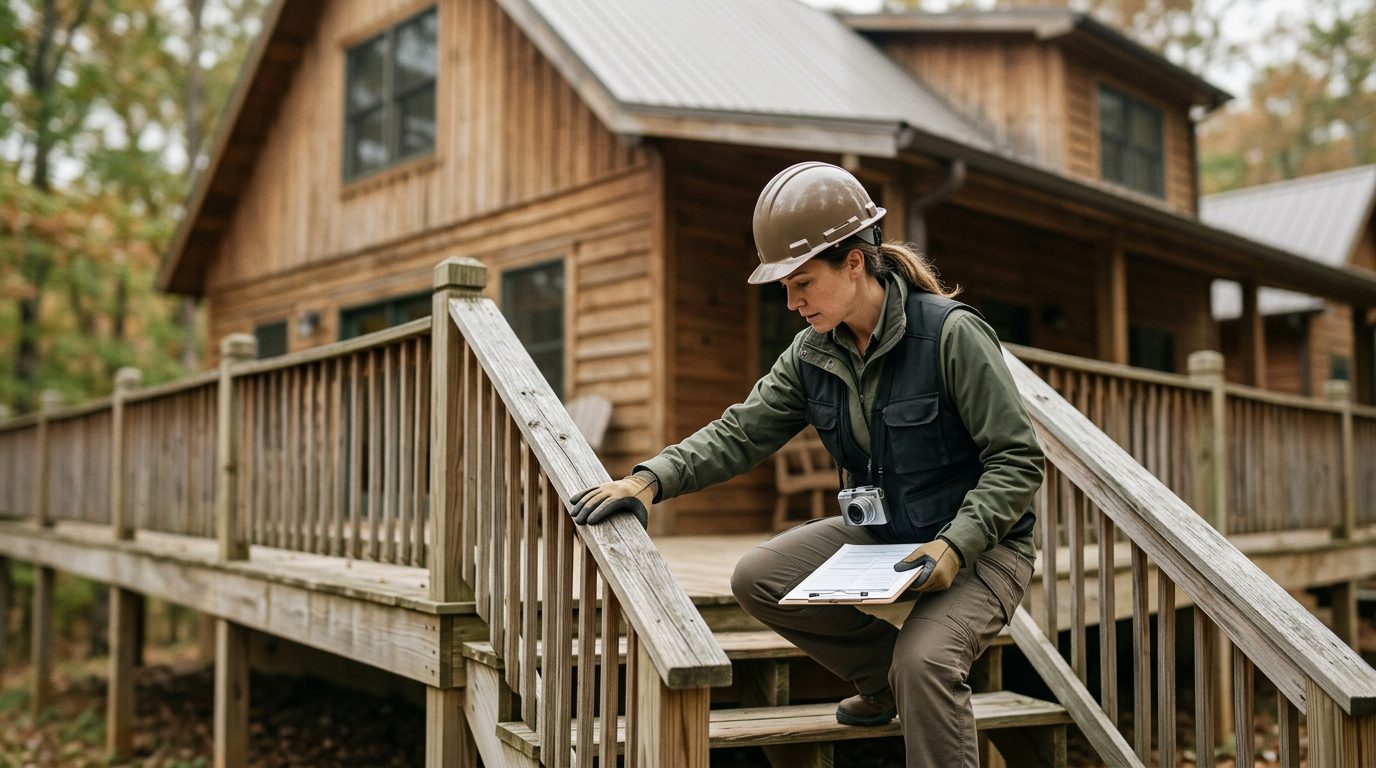
The most common short-term rental injuries involve falls on stairs, decks, balconies, and slick floors. Unfamiliar homes add hidden risks. A step may be a different height than the ones at home. A bathroom floor may stay wet after a shower. A deck railing may have worked loose. Outdoor areas may be poorly lit at night, and pools and hot tubs add slip and drowning risks.
Falls can cause serious harm. The Georgia Department of Public Health covers fall injuries, including traumatic brain injuries, in its injury-prevention materials. Our team handles catastrophic injuries, including traumatic brain injury, spinal cord injury, and paralysis. Some injuries appear days after the fall, not right away.
Even an injury that seems minor should be checked by a medical provider and documented. Workplace prevention guidance from the Georgia Department of Administrative Services names prompt spill cleanup, clear walkways, and removing obstructions as key steps. Many of the same hazards show up in rental homes.
Who May Be Legally Responsible for a Rental Injury
Several parties may share responsibility, including the owner, the host, a property manager, and a contractor whose work caused the hazard. Georgia law looks at who controls the property and the work.
Under O.C.G.A. § 51-3-1, an owner or occupier who invites people onto the premises for a lawful purpose must use ordinary care to keep the premises and approaches safe. A host or manager who controls the unit may fall within that duty.
A contractor can be part of the picture too. Under O.C.G.A. § 51-2-5, an employer can be liable for a contractor’s negligence in certain cases, such as when the employer keeps the right to direct or control the work. A repair crew that left a railing loose is one example.
Landlords follow a separate rule. Under Georgia’s landlord liability statute, a landlord who has fully parted with possession is not responsible to third persons for a tenant’s negligence. The landlord still remains responsible for defective construction and for failing to keep the premises in repair. Whether a platform’s own terms or guest protection policy apply to your claim depends on the facts of the booking.
When more than one party shares fault, Georgia assigns each person a share. Under O.C.G.A. § 51-12-33, each liable person pays its own assigned share, and those shares are not joint. Identifying each party early helps protect the claim.
What Georgia Law Requires: Duty, Breach, and Causation
Georgia law requires a property owner to use ordinary care to keep the premises safe for invited guests. Three questions usually shape a claim: duty, breach, and causation.
Duty means the owner owed you that care because you came for a lawful purpose. The statute above sets out that duty.
Breach asks whether the owner failed to use that care. Courts look at what the owner knew or should have known about the hazard, and whether it was fixed or flagged in time. A loose rail that someone reported in a message is one example of what a claim may examine.
Causation means your injury must link to that specific hazard. If a loose rail gave way and you fell, the rail is the link. An injury from an unrelated event does not fit this chain.
Fault can cut both ways. A host may argue you were careless, such as walking barefoot on wet tile. Under O.C.G.A. § 51-12-33, your award is reduced by your percentage of fault. A plaintiff who is 50 percent or more responsible is not entitled to receive any damages. That rule can change what a claim recovers, so the details of how you fell matter.
Evidence That Can Support a Short-Term Rental Injury Claim
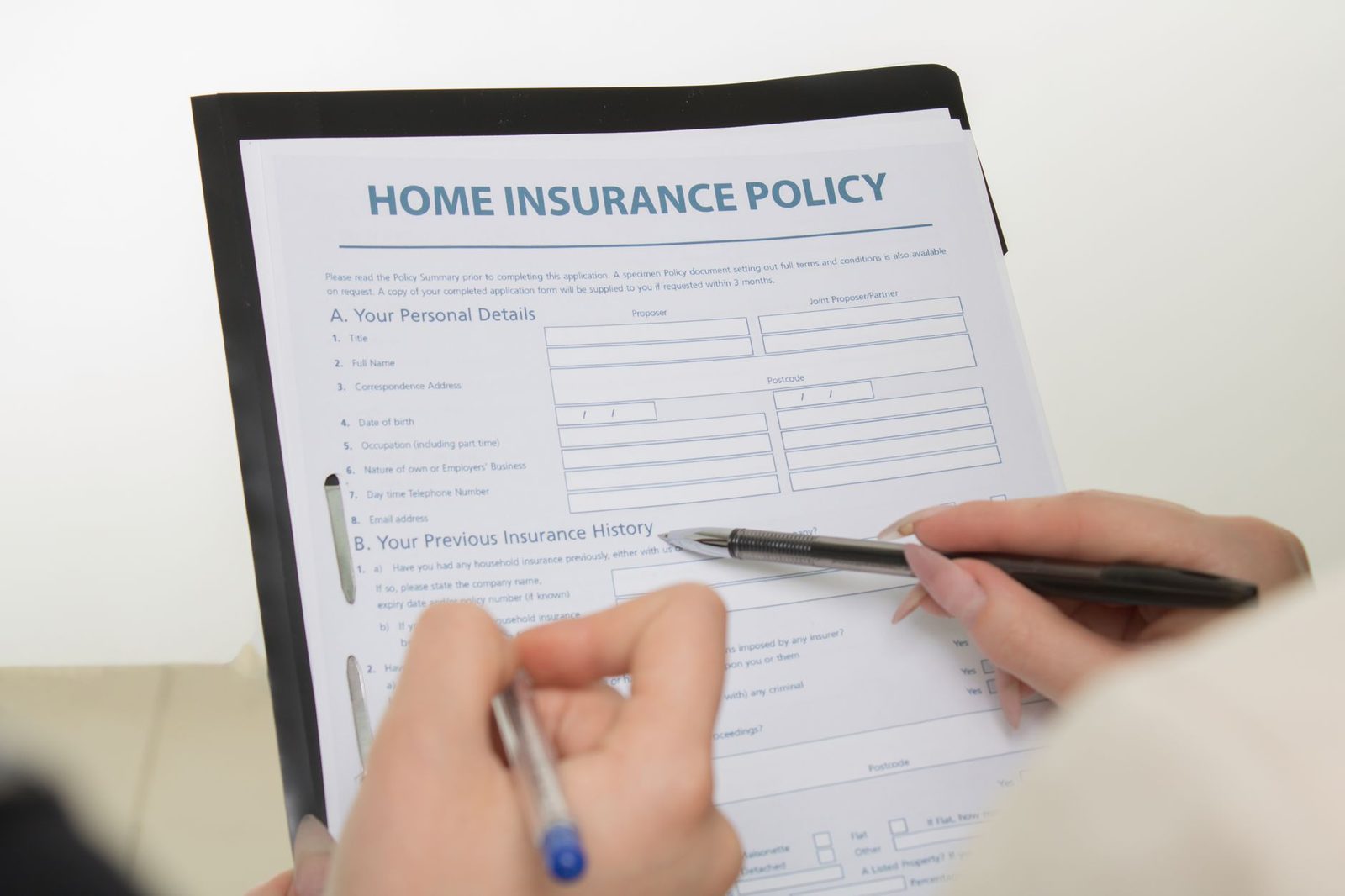
Early evidence matters most, and much of it may come from you. A hotel keeps front-desk logs and maintenance records. A rental may keep far less, so save what you have.
- Photos and video. Capture the hazard, the area around it, and the lighting, as soon as it’s safe.
- Booking records. Keep the confirmation, the listing, house rules, and messages with the host or platform.
- Medical records. Save urgent care or emergency room paperwork, bills, prescriptions, and rides to appointments.
- Witnesses and reports. Note names and phone numbers. Keep any incident report made to the host, the platform, or police or fire responders.
- Your belongings. Keep the shoes, clothing, or equipment involved. If you can do so safely, photograph the hazard before anyone repairs or removes it.
What a Short-Term Rental Injury Claim May Include
A claim may seek compensation for medical bills, lost pay, and the pain and suffering an injury causes. Georgia treats two kinds of damages differently.
General damages are those the law presumes to flow from a tortious act. They may be recovered without proof of any amount, under O.C.G.A. § 51-12-2. Special damages actually flow from the act and must be proved.
Medical expenses fall under special damages. O.C.G.A. § 51-12-1.1 limits recovery to the reasonable value of medically necessary care, treatment, or services. The fact-finder decides that value.
When a guest dies, Georgia law allows certain family members to bring a claim. Under O.C.G.A. § 51-4-2, a surviving spouse, or a child if there is no surviving spouse, may recover for the homicide of a spouse or parent the full value of the decedent’s life, as shown by the evidence. Our team handles wrongful death matters as well.
No one can predict the result or settlement amount of a claim. Each claim turns on its own medical facts, evidence, and available insurance. Some claims resolve through negotiation. Others may need a lawsuit, and either path can take time.
Not sure what your next step is?
Talk it through with our team — the first consultation is free, confidential, and carries no obligation.
Time Limits and Your Next Step in Atlanta
Georgia generally gives two years after the right of action accrues to file a personal injury lawsuit. That period comes from O.C.G.A. § 9-3-33. Some other claims, such as loss of consortium, carry a longer period under the same statute.
Waiting can make your claim harder to prove. Hosts may repair the hazard, change the listing, or close their accounts. Witnesses may become hard to reach.
People hurt in Atlanta and nearby communities such as Lawrenceville, Johns Creek, Alpharetta, and Dunwoody can reach out. Slam Dunk Attorney is based in Duluth, Georgia.
Frequently Asked Questions
How long do I have to file a claim?
Georgia generally allows two years after the right of action accrues to file a personal injury lawsuit (O.C.G.A. § 9-3-33; Kenneth B. Cameron v. Jmp Pizza, Inc (2026)).
Who can be responsible for a rental injury?
The owner, host, property manager, or a contractor may share responsibility. Each liable party pays its own assigned share of fault.
What if I was partly at fault?
Georgia reduces your award by your percentage of fault (O.C.G.A. § 51-12-33; Quynn v. Hulsey (2020)). At 50 percent or more, you cannot recover damages.
Is this the same as a hotel injury case?
Not always. Rentals often involve more parties and fewer records than a hotel, so early evidence is especially important.
Short-term rental injuries Atlanta cases can be complicated, but the first steps are clear. Our first consultation is free, confidential, and comes with no obligation to continue. Bring your booking details, photos, and medical paperwork. To request a free consultation, use our contact page.
Responsible lawyer:
Peter F. Jaraysi, Slam Dunk Attorney, Duluth, Georgia. Contact our team through the contact page. This page is general information, not legal advice for any particular situation.
Common Hazards at Short-Term Rentals
Unsafe Stairs and Balconies
Loose railings, broken steps, and balconies that give way can cause falls and serious fractures. Guests often have no way to know a problem exists before it happens.
Pools, Hot Tubs and Water Areas
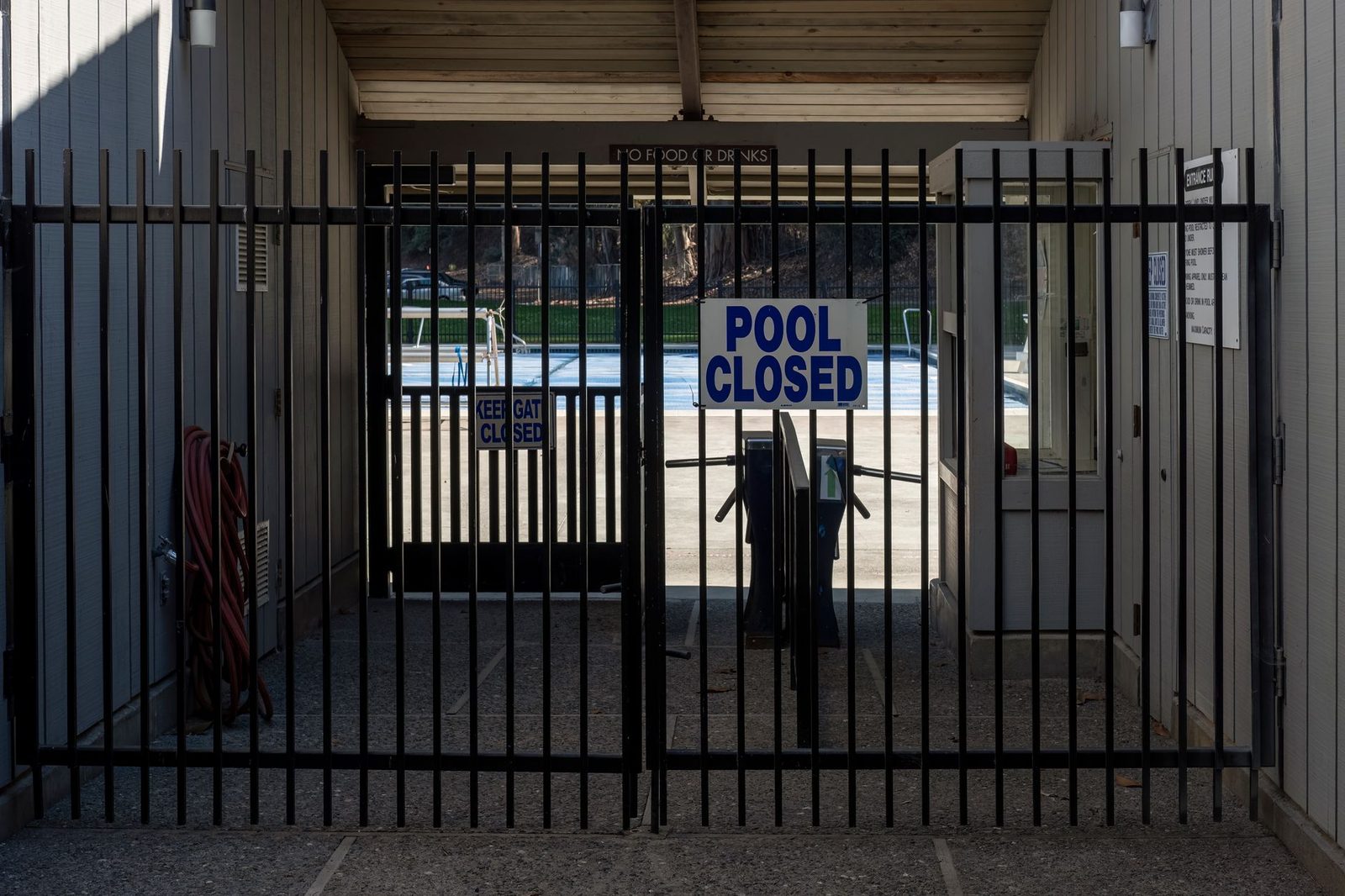
Unfenced pools, slick decks, and faulty drain covers pose real risks, especially for children and guests who are unfamiliar with the property.
Poor Maintenance and Hidden Defects
Faulty wiring, mold, broken appliances, and damaged flooring may not be obvious to a guest. Injuries from these conditions can be serious.
Inadequate Security
Broken locks, poor lighting, and missing entry controls can leave guests exposed to assault or theft at a rental property.
How Our Team Can Help
Free, Confidential Consultation
Tell us what happened in a private conversation. There is no obligation to continue after your first consultation.
Review of the Facts
We look at the property, the booking details, the platform's listing information, and the records of your injury to understand what happened.
Clear Explanation of Your Options
We explain in plain language who may be involved in a claim, what the process can look like, and what questions to think about next.
Support Through a Difficult Time
Our team focuses on your recovery and keeps you informed at every step, so you can concentrate on getting better.
Protect Your Information After an Injury
Seek medical care for your injuries first. If you are able, take photos of the hazard, your injuries, and the property. Keep your booking confirmations, messages with the host or platform, and any receipts. Be cautious about posting details of the incident on social media.