
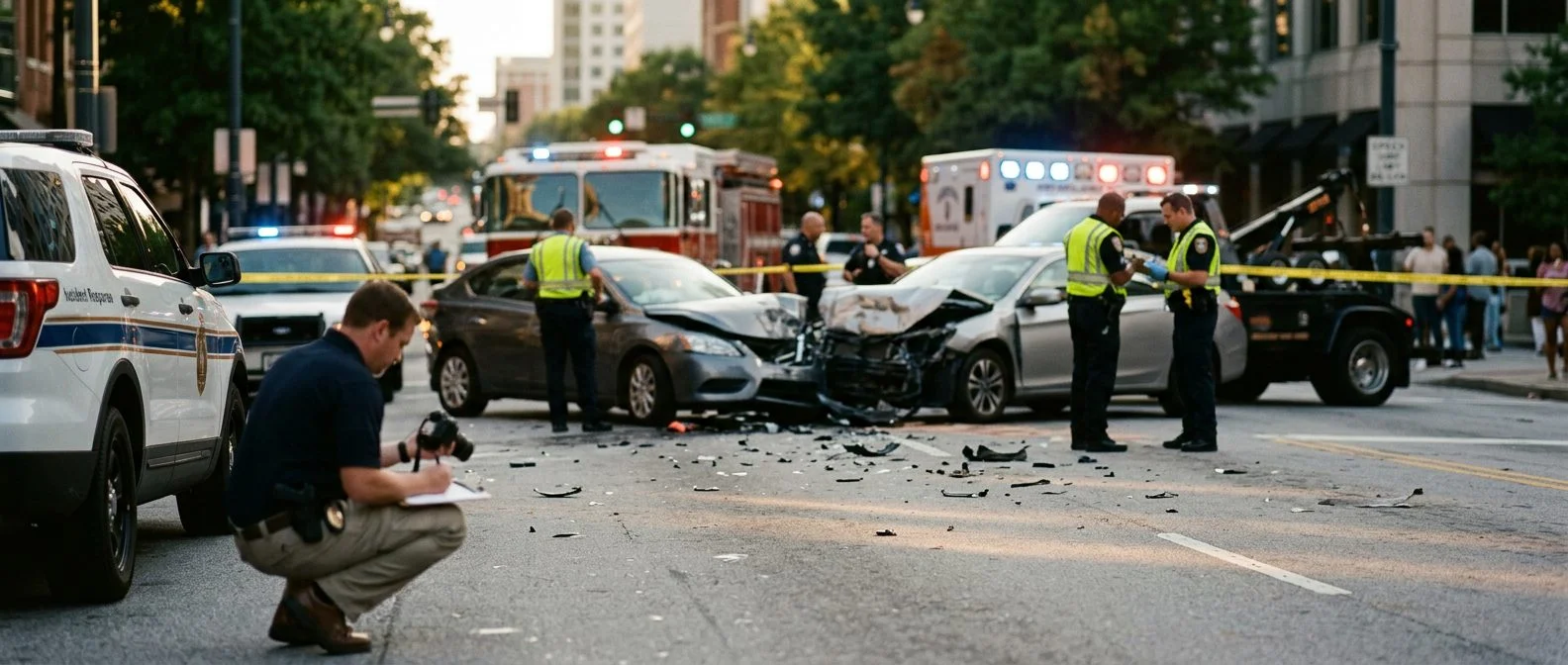
Car Accidents | Duluth, Georgia
Severe Burns From a Car Accident? You Don't Have to Face It Alone.
Slam Dunk Attorney focuses on people hurt in car, truck and other crashes across metro Atlanta and Georgia, including serious burn injuries. Our first consultation is free, confidential and without obligation.
By Peter F. Jaraysi · Published November 3, 2026
Can You File a Lawsuit for Severe Burns After a Car Accident in Georgia?
In many cases, yes. A person seriously burned in a Georgia car accident may be able to bring a claim. Whether a claim is possible depends on who caused the crash and how the burn happened.
If you are reading this from a hospital room or a chair beside someone else’s bed, you are not alone in feeling overwhelmed. Medical bills, time off work, and hard questions about the future can all arrive at once. Many families start looking for answers while the injured person is still in treatment.
This page explains the basics of a severe burns car accident lawsuit in Georgia. You’ll learn who may be responsible, what a claim can cover, how Georgia’s fault rule works, how long you have to file, and what evidence tends to matter. This is general information, not legal advice about your situation. Every case turns on its own facts.
If a severe burn from a crash has changed your family's life, our team can review your facts with you in a free, confidential first consultation, with no obligation to continue. Talk it through with our team — the first consultation is free, confidential, and carries no obligation.
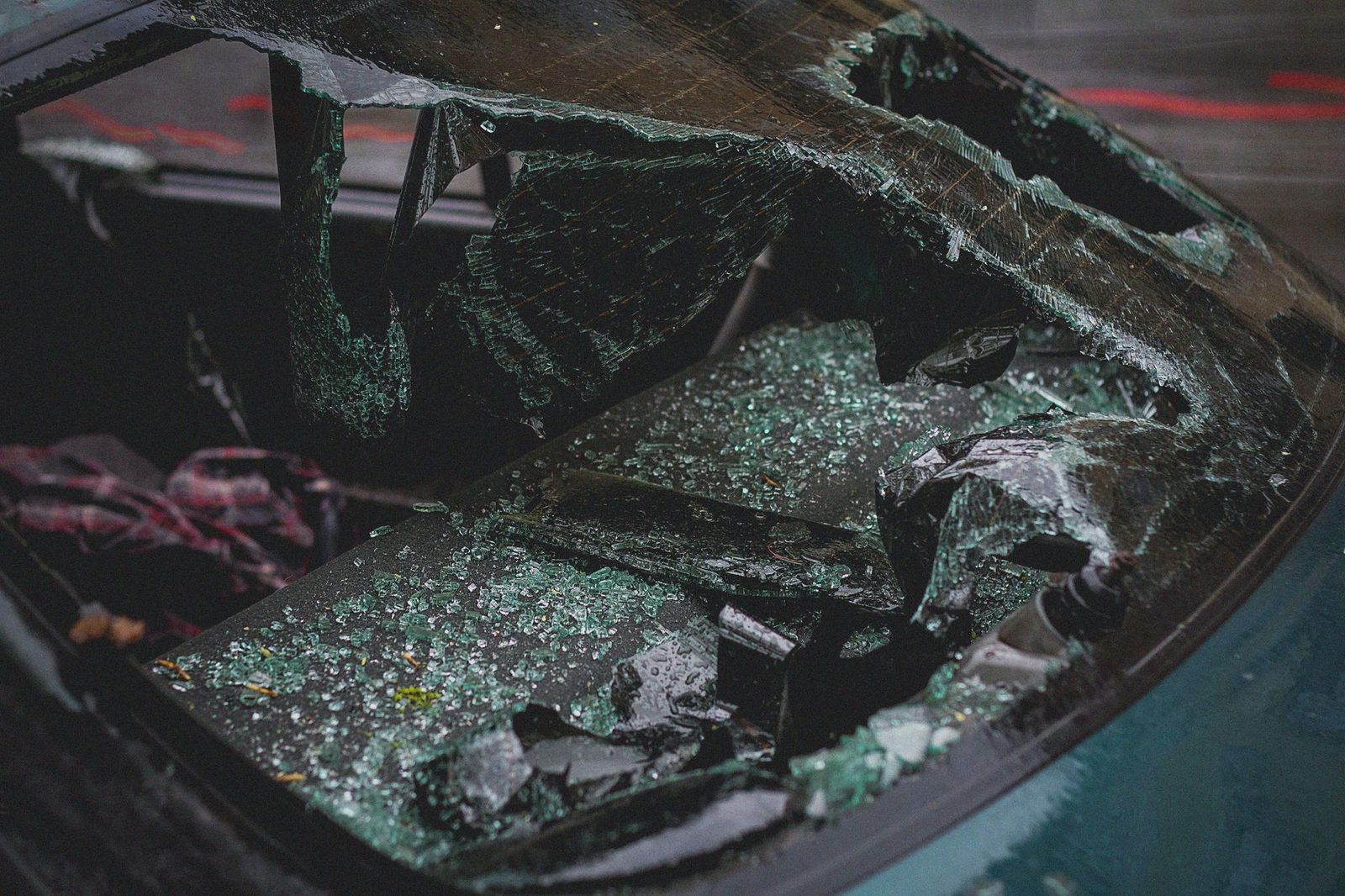
What Counts as a Severe Burn Injury in a Vehicle Crash
A severe burn in a vehicle crash usually comes from fire, extreme heat, scalding liquids, or corrosive chemicals. Each one harms the body in a different way.
Fire is the risk most people picture. A crash can break a fuel line or rupture a fuel tank. Fuel that ignites can burn occupants within seconds. Damaged wiring or a hot engine or exhaust part can also start a fire.
Hot liquids are another source. Coolant, oil, or other fluids under heat or pressure can scald skin. These burns often happen in the same crash that causes broken bones or cuts. Because of that, people may not see how deep a burn goes until later.
Chemical burns need special attention. Battery acid, fuel, and some cleaning products can burn skin and eyes on contact. Chemical burns can keep causing damage after the crash, so every medical record matters.
Doctors often describe burns by depth. First-degree burns affect only the outer layer of skin. Second-degree burns reach deeper. Third-degree burns damage the full thickness of the skin. Deeper burns often need long treatment and rehabilitation.
Burns can also be part of a larger catastrophic injury. A crash can cause burns along with broken bones, amputation, spinal cord damage, or traumatic brain injury. A NIH traumatic brain injury overview explains that these injuries can cause serious, long-term effects on thinking and health. When several injuries occur together, the claim needs a wider view. You can read more in our catastrophic injuries guide.
Who Can Be Held Responsible for Burns in a Car, Truck, or Motorcycle Crash
More than one person or company may share responsibility. The key question is who acted carelessly or who made a dangerous product that led to the crash or fire.
Other drivers are the most common target. A driver who speeds, texts, runs a red light, or drives impaired may cause a collision that leads to a fire or burn.
When a driver works for a company, the company may also be responsible. Georgia law says a person is liable for torts committed by a servant “in the prosecution and within the scope of his business.” In plain terms, a business can answer for driving done as part of the job, under Georgia’s servant liability statute. Truck and delivery cases also raise questions about driver training, hours, and maintenance.
Vehicle and parts makers can matter too. If a fuel tank, fuel line, wiring, seat, or restraint part was defective and contributed to a fire, the maker may be a party in some cases. Repair shops can also be involved if their work on the vehicle failed.
Many people miss this point. Georgia does not use joint liability. Under O.C.G.A. § 51-12-33(b), each liable person’s share is that person’s own liability. That makes it important to identify every party who contributed.
What a Burn Injury Claim Can Cover in Georgia
A Georgia burn injury claim can seek compensation for the losses the injury caused. Those losses fall into two groups.
General damages are losses the law presumes from a wrong. Under O.C.G.A. § 51-12-2, they “may be recovered without proof of any amount.” Special damages are losses that actually flow from the act, and they must be proved.
Special damages often include medical bills. These can run from emergency care through burn center treatment, surgery, skin grafts, medications, and therapy. Georgia law states that “necessary expenses consequent upon an injury are a legitimate item in the estimate of damages” under O.C.G.A. § 51-12-7. Lost wages count too, if the burn keeps you from work or from your usual job.
Future needs matter in serious burn cases. When future medical costs or lost income are counted, the jury may reduce them to present value. Under O.C.G.A. § 51-12-13, it can use a 5 percent discount rate or another rate it considers appropriate.
Pain, scarring, and disfigurement are also part of many burn claims. Burns can change how a person looks and how they feel in daily life. Photos and treatment notes at each stage of healing help show these effects.
If a burn leads to death, certain family members may bring a wrongful death claim. Under O.C.G.A. § 51-4-2, a surviving spouse, or if there is none, a child or children, may recover “the full value of the life of the decedent, as shown by the evidence.” You can learn more on our wrongful death page.
How Georgia’s Comparative Fault Rule Affects a Burn Claim
Georgia uses a modified comparative fault rule (O.C.G.A. § 51-12-33; Quynn v. Hulsey (2020)). You can recover damages if you are less than 50 percent responsible. Your award shrinks by your share of fault.
The statute says that where the plaintiff is “to some degree responsible for the injury or damages claimed,” the judge “shall reduce the amount of damages otherwise awarded to the plaintiff in proportion to his or her percentage of fault.” Under O.C.G.A. § 51-12-33(a), that reduction applies in proportion to the plaintiff’s percentage of fault as determined by the trier of fact.
The cutoff matters just as much. Under § 51-12-33(g), a plaintiff who is 50 percent or more responsible “shall not be entitled to receive any damages.”
Seat belt use can also come up. Under O.C.G.A. § 40-8-76.1(d), not wearing a seat belt may be considered in a civil case on negligence and causation. It may also reduce recovery. A court still decides what evidence is admissible.
Fault is decided on the full set of facts. Under § 51-12-33(c), the fault of all persons who contributed to the injury is considered. A single moment in the crash does not decide the whole question.
How Long Do You Have to File a Burn Injury Lawsuit in Georgia?
For most injury claims, Georgia gives two years to file. Under O.C.G.A. § 9-3-33, actions for injuries to the person “shall be brought within two years after the right of action accrues.” For most crash injuries, that clock is tied to the date of the crash.
Other time limits can apply. Loss of consortium claims have four years under § 9-3-33.
Government involvement changes the timing. A claim against the state requires written notice “within 12 months of the date the loss was discovered or should have been discovered,” under O.C.G.A. § 50-21-26. A claim against a city or other municipal corporation must be presented in writing within six months of the event, under O.C.G.A. § 36-33-5.
Do not wait for full recovery before you learn your options. Medical recovery can take months. Records and physical evidence can change or disappear in that time.
Not sure what your next step is?
Talk it through with our team — the first consultation is free, confidential, and carries no obligation.
Evidence That Matters in a Severe Burn Injury Case
The strongest burn claims rest on clear records of how the crash and the fire began. Several kinds of evidence often matter most.
Police crash reports and fire department records can describe the scene and suspected cause. Ask for copies early.
The vehicle itself can be key. The fuel system, wiring, and seat components can show what failed. Vehicles are often moved to salvage yards quickly. Ask that the vehicle not be destroyed or released without notice to you or your lawyer.
Medical records are central. Burn center notes, surgery records, therapy notes, and wound photos taken at each stage of healing show the injury and its course over time.
Work and money records help show the impact. Keep pay stubs, employer letters, schedules, and records of time off or changed duties. Save receipts for out-of-pocket costs and mileage to appointments.
Witness names and phone photos or video from the scene can fade fast. Gather them early, and write down what you remember while it is fresh.
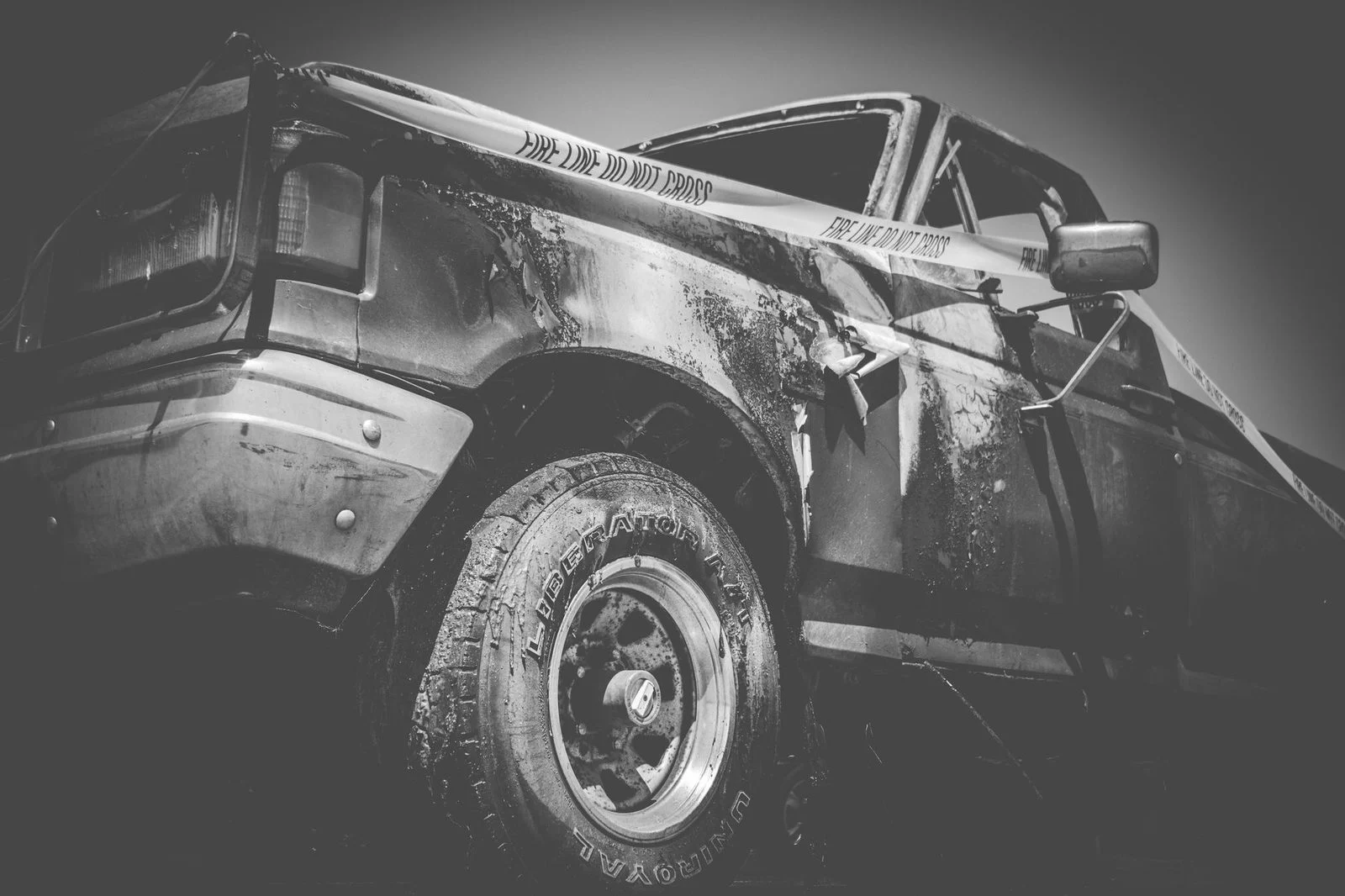
Talk With Our Team About Your Burn Injury Questions
Yes, a severe burn from a car accident can sometimes support a lawsuit. Whether yours can depends on the facts of your crash, your injuries, and the timing.
A serious burn can change a family’s routine, work, and finances. Deciding what to do next can feel like one more weight while recovery is still going on. You don’t have to sort it out alone.
Quick Answers
Can you sue for burns from a car accident in Georgia?
Yes, in many cases. Whether a claim is possible depends on who caused the crash and how the burn happened.
How long do you have to file?
For most personal injury claims, Georgia generally allows two years from the date the claim arises (O.C.G.A. § 9-3-33; Kenneth B. Cameron v. Jmp Pizza, Inc (2026)).
Does partial fault reduce a burn claim?
Yes. Georgia reduces your award by your percentage of fault, and you cannot recover if you are 50 percent or more responsible (O.C.G.A. § 51-12-33; Quynn v. Hulsey (2020)).
Can a family member sue if a burn leads to death?
Certain family members may bring a wrongful death claim under Georgia law.
Slam Dunk Attorney is based in Duluth, Georgia. We represent people hurt in crashes across metro Atlanta and Georgia, including Atlanta and Lawrenceville. You can reach us for a free, confidential first consultation with no obligation to continue. Visit our contact page to get in touch.
Disclaimer: This page is general information about Georgia law. It is not legal advice, and reading it does not create an attorney-client relationship. The responsible lawyer for this page is Peter F. Jaraysi, of Slam Dunk Attorney in Duluth, Georgia. Contact details are on our contact page.
How We Can Help Burn Injury Clients
Careful Review of Your Case
We look at the crash report, medical records, photos and other evidence to understand how the burn injury happened and who may be involved.
Attention to Your Recovery
Burn injuries can involve long treatment, skin grafts, scarring and lost work. We keep your medical and personal needs at the center of the discussion.
Support for Your Family
A serious burn can affect the whole household. We take time to explain the process to you and the people who depend on you.
Plain-Language Answers
Our team explains the legal process in clear terms, so you know what to expect before you make any decisions.
Important: Get Medical Care First
Burn injuries can look less serious than they are at first and can worsen over time. Seek prompt medical treatment, follow your doctor's instructions and keep copies of all records and bills. Your health always comes first.
Burn Injuries Can Happen in Many Kinds of Crashes
Vehicle Fires
Fuel leaks and fires after a crash can cause serious burns to drivers and passengers, even when the impact itself seemed minor.
Truck and Commercial Vehicle Crashes
Large vehicles carry fuel, cargo and hazardous materials. Burns in these crashes can be especially severe and complex.
Motorcycle and Pedestrian Crashes
Riders and pedestrians have less protection from heat, fire and road surfaces, and burn injuries can be part of these collisions.
Rideshare Accidents
Crashes involving Uber and Lyft vehicles can cause burns to riders, drivers and other people on the road.
Talk With Peter F. Jaraysi and Our Team About Your Burn Injury Claim. Your First Consultation Is Free, Confidential and Without Obligation.
Related practice areas
- Catastrophic Injuries in Atlanta
- Catastrophic Injuries in Lawrenceville
- How Difficult Is It to Sue a Nursing Home in Georgia?