

Catastrophic Injuries | Georgia
Can Your Spouse Sue After a Catastrophic Injury in Georgia?
A serious injury changes everything at home. Learn how a spouse's claim may fit into a catastrophic injury case, and talk with our team about your family's situation.
By Peter F. Jaraysi · Published October 28, 2026
Can my spouse sue after catastrophic injury? In many cases in Georgia, yes.
If you’re reading this, you may be sitting beside a hospital bed or in a rehab room. You may also be handling bills and figuring out how work will change. That’s a lot to carry, and you don’t have to sort out every legal question at once.
Catastrophic injuries include spinal cord injury and paralysis, traumatic brain injury, amputation and severe burns. These injuries can change a household for a long time. This page explains loss of consortium, how it connects to the injured spouse’s case, when a surviving spouse may have a wrongful death claim, the time limits, and what records to gather now.
Short Answer: Can Your Spouse Bring a Claim in Georgia?
In many situations, yes. A spouse in Georgia may bring their own claim after the other spouse is catastrophically injured. Whether it applies to your family depends on how the injury happened, who was responsible, and when the claim must be filed.
If your spouse is recovering and you're carrying the weight of big decisions, you don't have to sort them out alone. Our team can talk through your options with you. Talk it through with our team — the first consultation is free, confidential, and carries no obligation.
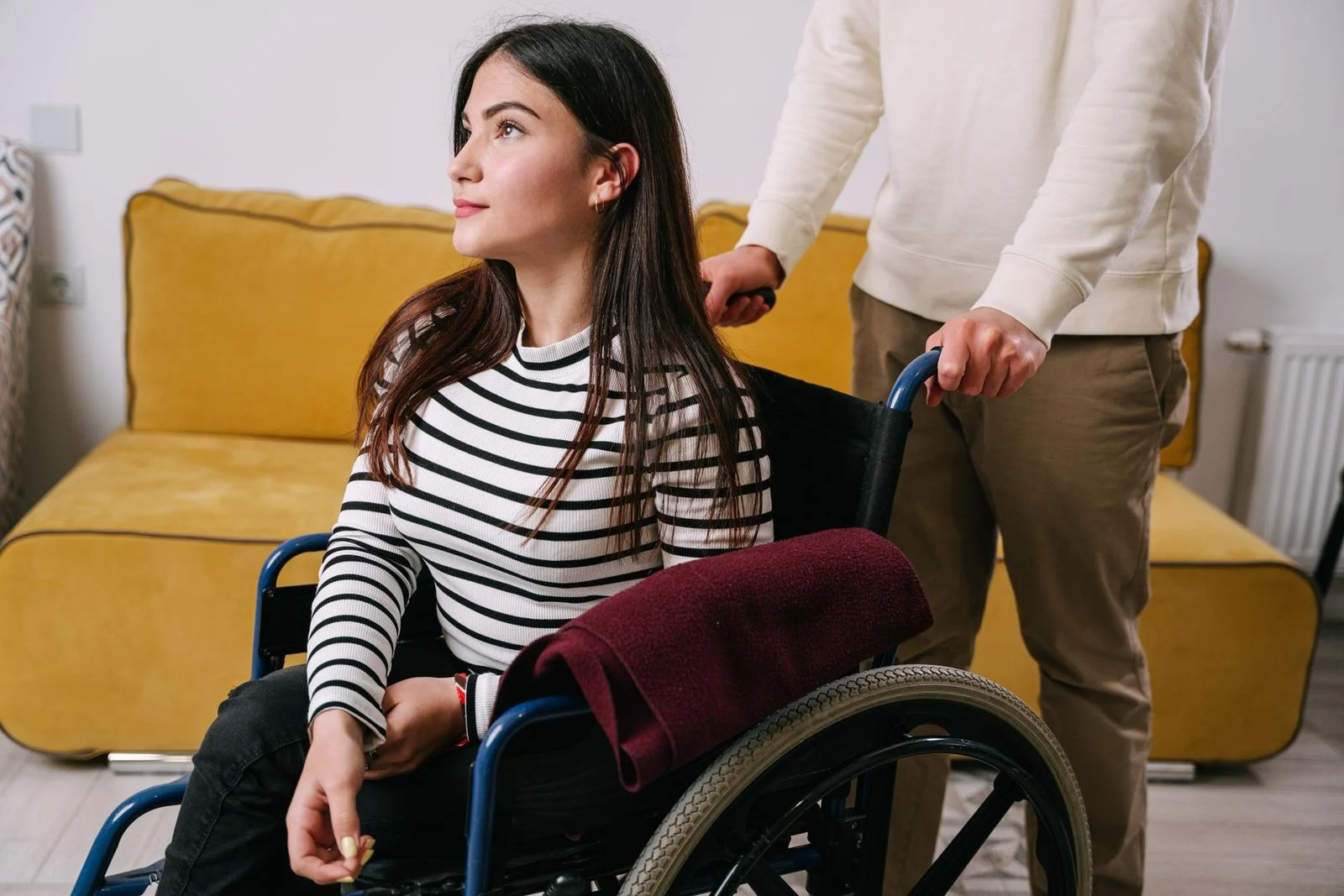
What Loss of Consortium Means in Georgia
It arises when an injury takes those things away. A catastrophic injury can change all of them at once.
Georgia sets its own deadline for this claim. Under O.C.G.A. § 9-3-33, actions for injuries to the person involving loss of consortium must be brought within four years. That is longer than the two years generally allowed for the injured spouse’s own claim.
Here’s what loss can look like in daily life. A spouse who once shared driving, cooking and childcare may now handle all of it alone. A couple who used to take morning walks or weekend trips may not be able to anymore. Brain injuries can range from mild to catastrophic, and paralysis is a loss of muscle function that can follow a spinal cord injury.
How Your Spouse’s Claim Connects to the Injury Claim
In most cases, the consortium claim travels with the injured spouse’s injury claim against the at-fault party or insurer. The two usually move together through the same case.
Fault matters a great deal. Under O.C.G.A. § 51-12-33, the jury sets the injured person’s percentage of fault, and the judge reduces the damages by that share. If the injured person is 50 percent or more responsible, they may not receive any damages. When an injured person is partly responsible for the injury or damages claimed, O.C.G.A. § 51-12-33 directs the judge to reduce the damages otherwise awarded in proportion to that person’s percentage of fault.
The same statute says each at-fault person pays only its own share, not a joint amount. The jury must also consider everyone who contributed to the injury, even people not named in the lawsuit. In a crash with several drivers, or with a property owner who shares blame, this can change the math.
If an Uber or Lyft driver was involved, a different rule may apply. Under O.C.G.A. § 40-1-201, a ride share network is not liable under vicarious or product liability theories for a driver’s operation of a personal car. O.C.G.A. § 40-1-201 reads: “(a) No ride share network service shall be liable under any theory of liability, including, but not limited to, vicarious or product liability, for any injury to persons or damage to property from the operation of a personal passenger car by a ride share driver by reason of owning, operating, or maintaining a digital network or internet network to connect passengers to ride share drivers for the purpose of prearranged transportation for hire or for donation, provided that.” That protection applies only when its conditions are met. Those conditions include no negligence or criminal misconduct by the network, and required background checks at least once every two years.
Spouses may also see a settlement differently. Talking through each person’s role early can prevent friction later.
If Your Spouse Dies From Their Injuries
A surviving spouse may have a wrongful death claim if the injury later causes death. That claim is separate from loss of consortium. Under O.C.G.A. § 51-4-2, a surviving spouse may recover the full value of the life of the decedent, as shown by the evidence. The same statute says the spouse’s share is no less than one-third of the recovery.
Death can come months after the crash, and that timing can matter. Under O.C.G.A. § 9-2-41, an injury action does not end when either party dies. If no one is entitled to bring the death claim, the administrator or executor may bring it for the next of kin under O.C.G.A. § 51-4-5. So ask early who has authority to bring the claim.
Keep discharge papers, treatment notes, bills, any cause-of-death report, and records of your spouse’s work and daily life before the accident. These help show what that life involved.
Time Limits, Evidence and Steps to Take Now
Georgia generally gives two years from the injury to file most personal injury lawsuits, under O.C.G.A. § 9-3-33. Other deadlines can apply to particular claims. Don’t wait on the longer consortium clock, because waiting can narrow your options.
Start gathering records now:
- Police and crash reports
- Photos of the scene, vehicles and property
- Medical records, bills and insurance explanations
- Pay stubs, employment records and income changes
- A dated journal of how the injury changes daily life
Medical outlook can shift over time. Research on traumatic spinal cord injury recovery looks at how recovery unfolds over time. Dated records help show that progression.
Keep calls with insurance adjusters brief and factual. Don’t sign statements or releases until you understand the situation.
Common Questions
Can I make a claim if my spouse is still alive?
Yes.
Does fault reduce my spouse’s claim?
It can. The injured person’s share of fault reduces damages, and 50 percent or more bars recovery (O.C.G.A. § 51-12-33; Quynn v. Hulsey (2020)).
Can a spouse sue after a death?
A surviving spouse may have a wrongful death claim, which is separate from loss of consortium.
Talking Through Your Spouse’s Options With Our Team
If you’re making these choices while caring for your spouse, you don’t have to make them alone. Slam Dunk Attorney is based in Duluth, Georgia, and represents people with catastrophic injuries and wrongful death claims across metro Atlanta and Georgia. Peter F. Jaraysi is the responsible lawyer for this page.
You can contact us for a free initial consultation. It is confidential and carries no obligation to continue. Visit our contact page to get started.
This page is general information, not legal advice. Every case depends on its own facts. Responsible lawyer: Peter F. Jaraysi, Slam Dunk Attorney, Duluth, Georgia. Contact: https://slamdunkattorney.com/contact-us/
How our team can help your family
Plain-language answers
We explain your options in clear terms, so you know what to expect before you decide on next steps.
Confidential first consultation
Your first consultation is free, confidential, and comes with no obligation to continue.
Attention to the whole family
Catastrophic injuries affect spouses, children, and caregivers. We take time to understand how the injury has changed your household.
Serving Georgia
Our Duluth, Georgia firm represents people across metro Atlanta and the state, including Lawrenceville, Johns Creek, Alpharetta, Marietta, Norcross, Kennesaw, and Dunwoody.
Protect the evidence now
Save medical records, bills, photos, and the names of any witnesses. Avoid posting about the accident or the injury on social media before speaking with a lawyer, since statements can be used in a claim.
Common questions spouses ask
Can I bring a claim while my spouse is still alive?
Many spouses have questions about their own claims while their partner is still living. The answer depends on the facts of your case, and our team can review them with you during a free consultation.
Does fault affect a spouse's claim?
Fault can matter in a Georgia injury case, and the details of how the accident happened often shape the discussion. We can walk you through how these issues may apply to your situation.
What if my spouse has passed away?
When a catastrophic injury leads to death, a family may have questions about wrongful death and related claims. Our team can explain the possible paths forward and answer your questions with care.
What should we gather first?
Keep medical records, discharge papers, bills, insurance letters, and a log of how the injury affects daily life. Organized records help us understand your case from the start.