
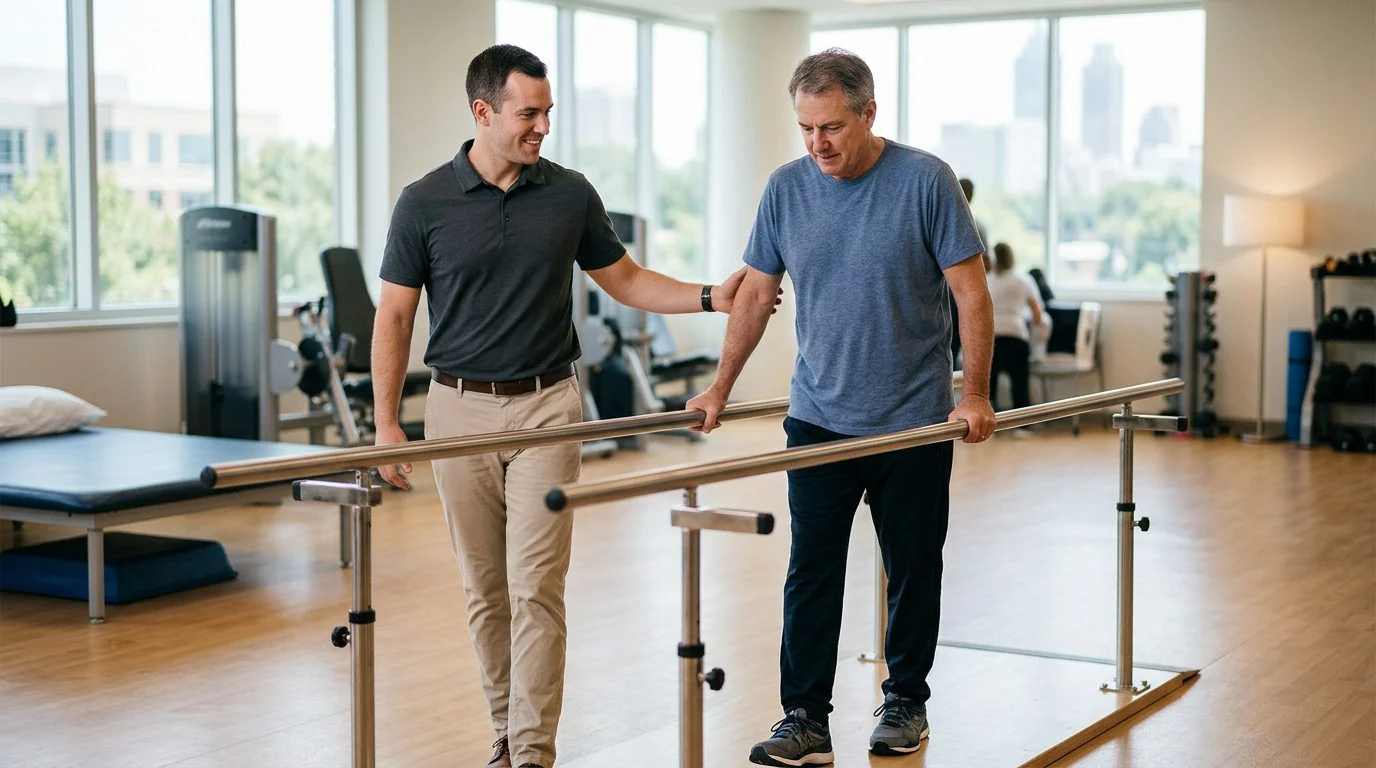
Catastrophic Injuries | Atlanta, Georgia
Serious Injuries Deserve Careful, Patient Legal Guidance
A catastrophic injury can change your health, your work and your family's daily life. Here is how our Atlanta team can help you think through what comes next.
By Peter F. Jaraysi · Published November 12, 2026
Catastrophic Injuries in Atlanta: A Plain-Language Guide
Catastrophic injuries in Atlanta are serious injuries that cause lasting harm, such as paralysis, brain injury, the loss of a limb, or severe burns. If you or someone you love has one, Georgia law sets deadlines and rules that matter early on. This guide explains catastrophic injuries in Atlanta in plain language. Slam Dunk Attorney is based in Duluth, Georgia, and handles these matters across metro Atlanta and Georgia.
Not sure what your next step is?
Talk it through with our team — the first consultation is free, confidential, and carries no obligation.
What Counts as a Catastrophic Injury in Georgia
A catastrophic injury is one that causes permanent or long-lasting harm and usually changes how a person lives and works. “Catastrophic” is a practical term. Families, doctors, and lawyers use it to describe how large an injury’s effects are. It is not a single label that a Georgia statute defines.
Because there is no single definition, each case turns on its own medical facts. Medical records, imaging, and the treating doctors’ notes carry real weight. One person may need months of rehab. Another may need help with everyday tasks for years.
Two people with the same type of injury can have very different daily lives afterward. That’s why the details matter. Our team reviews each matter on its facts, including how the injury happened. We handle these cases from our Duluth, Georgia office for people across metro Atlanta and wider Georgia.
Common Types of Catastrophic Injuries
The four injury types most often called catastrophic are spinal cord injury with paralysis, traumatic brain injury, amputation, and severe burns. Each one affects the body and daily life in different ways.
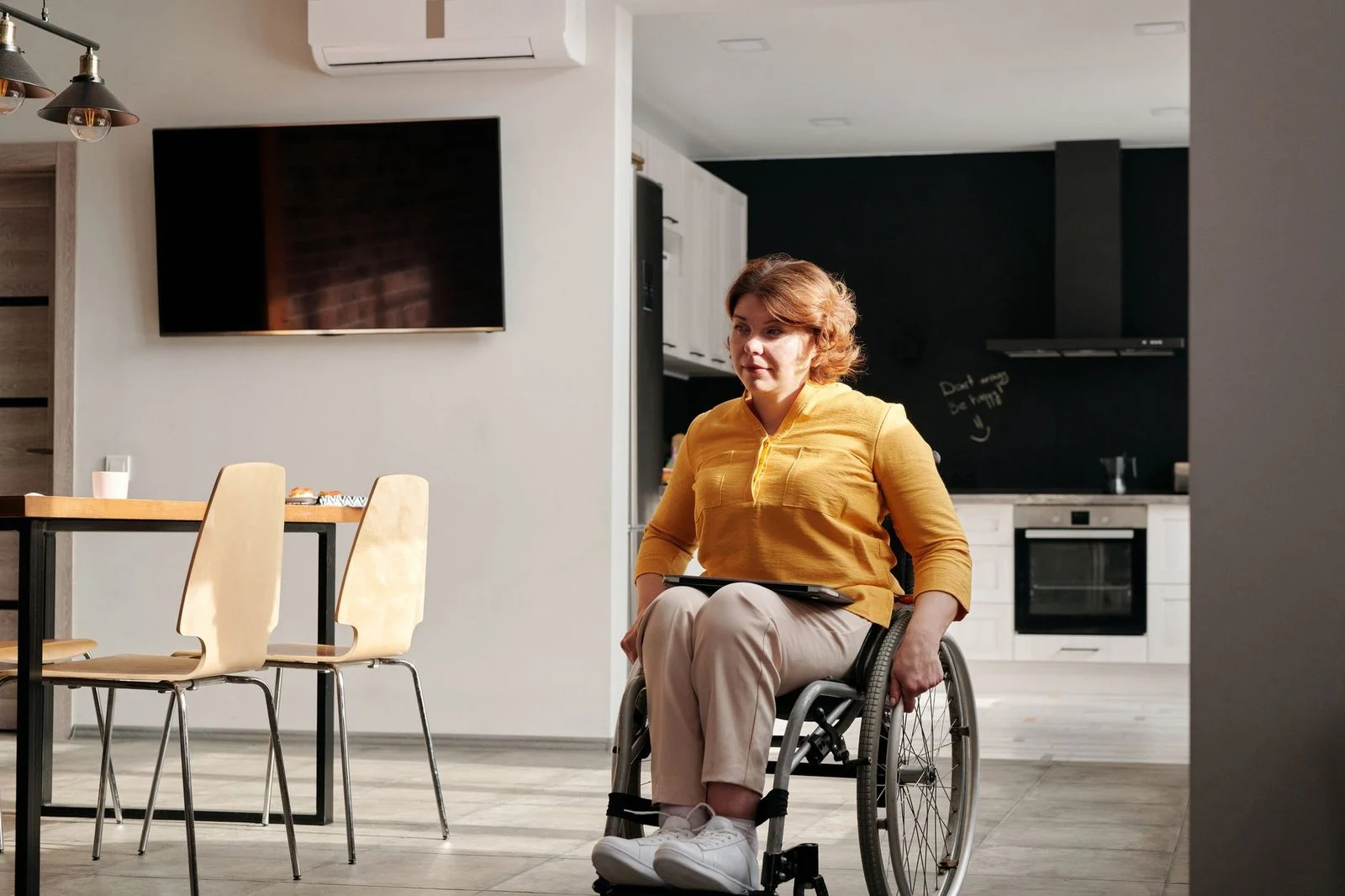
Spinal cord injury and paralysis. A spinal cord injury can affect movement, feeling, and control of the bladder and bowels. Paralysis can involve the arms, the legs, or both. Many families make changes at home, such as adding ramps, wider doorways, and bathroom equipment.
Traumatic brain injury. Brain injuries are not always obvious at first. Memory trouble, mood changes, and trouble concentrating can appear days or weeks after the event.
Amputation. Care often moves from surgery to fitting for a prosthetic. Then it moves to physical therapy and training to return to daily tasks or work.
Severe burns. Burn injuries can involve several surgeries, skin grafts, long therapy, and permanent scarring.
Recovery looks different for each person. No one can know in advance how a particular injury will progress. Doctors track it over time.
How Catastrophic Injuries Happen in Atlanta
Catastrophic injuries in Atlanta can come from vehicle crashes, pedestrian strikes, rideshare trips, stays at rental homes, unsafe property, and other incidents. Each one raises different questions about who may be responsible.
Crashes on busy corridors such as Interstate 285, Interstate 75, and Interstate 85 can involve cars, trucks, and motorcycles. Drivers are expected to take care to avoid hitting people on the roadway. Whether that duty was met depends on the facts of each crash.
Uber and Lyft trips add another layer. Georgia law sets specific limits on when a ride share network service can be held liable for a driver’s operation of a car. Those limits apply only when certain conditions are met. That’s why rideshare claims often differ from ordinary car claims.
Airbnb and VRBO stays can involve unsafe balconies, stairs, or pools. Negligent security and unsafe-property claims turn on who controlled the property and what was known about the risk. Dog bite claims depend on the facts, including how the animal was kept and how the bite happened. Nursing home abuse can also cause catastrophic harm to residents.
The Long-Term Consequences for Families
A catastrophic injury often reaches the whole household. The effects can last for years, long after the first weeks.
Ongoing medical care is a major cost. Follow-up visits, rehab, medications, and equipment can continue long after a hospital stay ends. Families often keep every bill and receipt.
Work changes too. A person may lose income or be unable to return to the same job. That can strain the household budget, especially when one paycheck carried the family.
Home changes add up. Ramps, wider doorways, bathroom changes, and adapted vehicles may all be needed. These changes cost money and take time.
Family roles shift as well. A spouse, parent, or adult child often becomes a caregiver, sometimes while keeping a job. That load brings stress. Many families find that support helps everyone in the house.
Georgia Deadlines and Why Timing Matters
For injuries to the person, Georgia generally allows two years to bring a claim. O.C.G.A. § 9-3-33 says these actions “shall be brought within two years after the right of action accrues.” Loss of consortium claims have four years under the same statute.
Some timing rules change based on who is involved.
O.C.G.A. § 9-3-33 applies except as otherwise provided in this article, so claims against a city or the state may follow different rules. Early review helps identify which rule applies.
Not sure what your next step is?
Talk it through with our team — the first consultation is free, confidential, and carries no obligation.
Wrongful Death When a Catastrophic Injury Is Fatal
When a serious injury leads to death, Georgia law may allow certain family members to bring a wrongful death claim. Who may sue and what can be recovered depend on the facts and on Georgia law.
Families often document medical bills from the injury, funeral costs, lost income, and the support the person gave the household. Keep these records in one place from the start.
Steps to Protect Your Position After a Serious Injury
Get medical care right away and keep every follow-up appointment. Medical records are central to showing how a catastrophic injury happened and how it affects daily life.
Keep a file with medical bills, pay stubs, photos of the scene and your injuries, and any police or incident reports. Write down names of witnesses when you can.
Keep a simple daily log. Note tasks you can’t do, sleep problems, pain, and missed work. Write entries while they’re fresh. Over time, the log shows the real effect of the injury.
Fault matters too. Under O.C.G.A. § 51-12-33, damages are reduced in proportion to the injured person’s share of fault. Under O.C.G.A. § 51-12-33, a plaintiff who is 50 percent or more responsible for the injury or damages claimed is not entitled to receive any damages.
Think twice before giving a recorded statement to an insurance adjuster. Talk with our team about the claim first.
Talk With Our Atlanta Injury Team About Your Situation
Slam Dunk Attorney is based in Duluth, Georgia. The firm handles catastrophic injury matters for people across metro Atlanta and Georgia, including readers in Lawrenceville, Johns Creek, Alpharetta, Marietta, Norcross, Kennesaw, and Dunwoody.
Peter F. Jaraysi is the responsible lawyer for this page. Brian D. Wright is also a lawyer at the firm. Our support staff helps with calls and scheduling.
Common Questions
What is a catastrophic injury in Georgia?
It is a serious injury with lasting harm, such as paralysis, brain injury, amputation, or severe burns.
How long do I have to file a claim?
Georgia generally requires that actions for injuries to the person be brought within two years after the right of action accrues (O.C.G.A. § 9-3-33). Some timing rules change based on who is involved.
Can I recover if I was partly at fault?
You cannot recover if you are 50 percent or more responsible (O.C.G.A. § 51-12-33).
Is the first consultation free?
Yes. The firm offers a free first consultation that is confidential and carries no obligation to continue.
If a spinal cord injury, brain injury, amputation, or severe burn has changed your life or someone you love’s, share your situation through our contact page and we’ll walk through your options.
Disclaimer: This page is general information, not legal advice. Responsible lawyer: Peter F. Jaraysi, Slam Dunk Attorney, Duluth, Georgia. Contact details are on the contact page. Outcomes depend on the facts of each case.
Catastrophic injuries we handle
Spinal cord injury and paralysis
Injuries to the spinal cord can affect movement, sensation and independence, often for the long term. Our team works to understand the medical picture and its impact on your life.
Traumatic brain injury
Brain injuries may not show their full effects right away. Memory, mood, focus and daily function can all be affected, and we take the time to document them.
Amputation
Losing a limb affects work, mobility and self-image. We help you understand the medical, practical and financial questions that follow.
Severe burns
Burn injuries can require surgery, skin grafts and years of rehabilitation. We listen to what you are going through and explain your options in plain language.
How we approach your case
We start by listening
We take time to understand how the injury has changed your health, work and relationships before discussing next steps.
Plain-language answers
We explain the process, your options and what to expect without legal jargon, so you can make informed decisions.
Careful documentation
Medical records, accident details and records of your daily limitations all matter. We help you gather and organize them.
Advocacy on your behalf
We focus on protecting your rights and pursuing fair treatment from those responsible for your injuries.
Early action helps protect your case
Evidence such as photos, witness accounts, medical records and vehicle or property data can be harder to obtain as time passes. Contacting a lawyer early gives you the best chance to preserve it.