

Catastrophic Injuries | Lawrenceville, Georgia
Serious Injuries Change Everything. We Can Help You Plan the Next Steps.
Spinal cord injuries, brain injuries, amputations and severe burns can affect your health, work and family for years. Our Duluth, Georgia firm helps Lawrenceville residents understand their options.
By Peter F. Jaraysi · Published November 18, 2026
Catastrophic Injuries in Lawrenceville: What Gwinnett County Families Need to Know
Catastrophic injuries that Lawrenceville families face can change work, home life, and money for years. A catastrophic injury causes long-term or permanent loss of function. Georgia law sets time limits and fault rules that shape what happens next, so it helps to learn them early.
If your loved one is facing paralysis, a brain injury, an amputation, or severe burns after a crash, contact our team today for a free case review. Talk it through with our team — the first consultation is free, confidential, and carries no obligation.
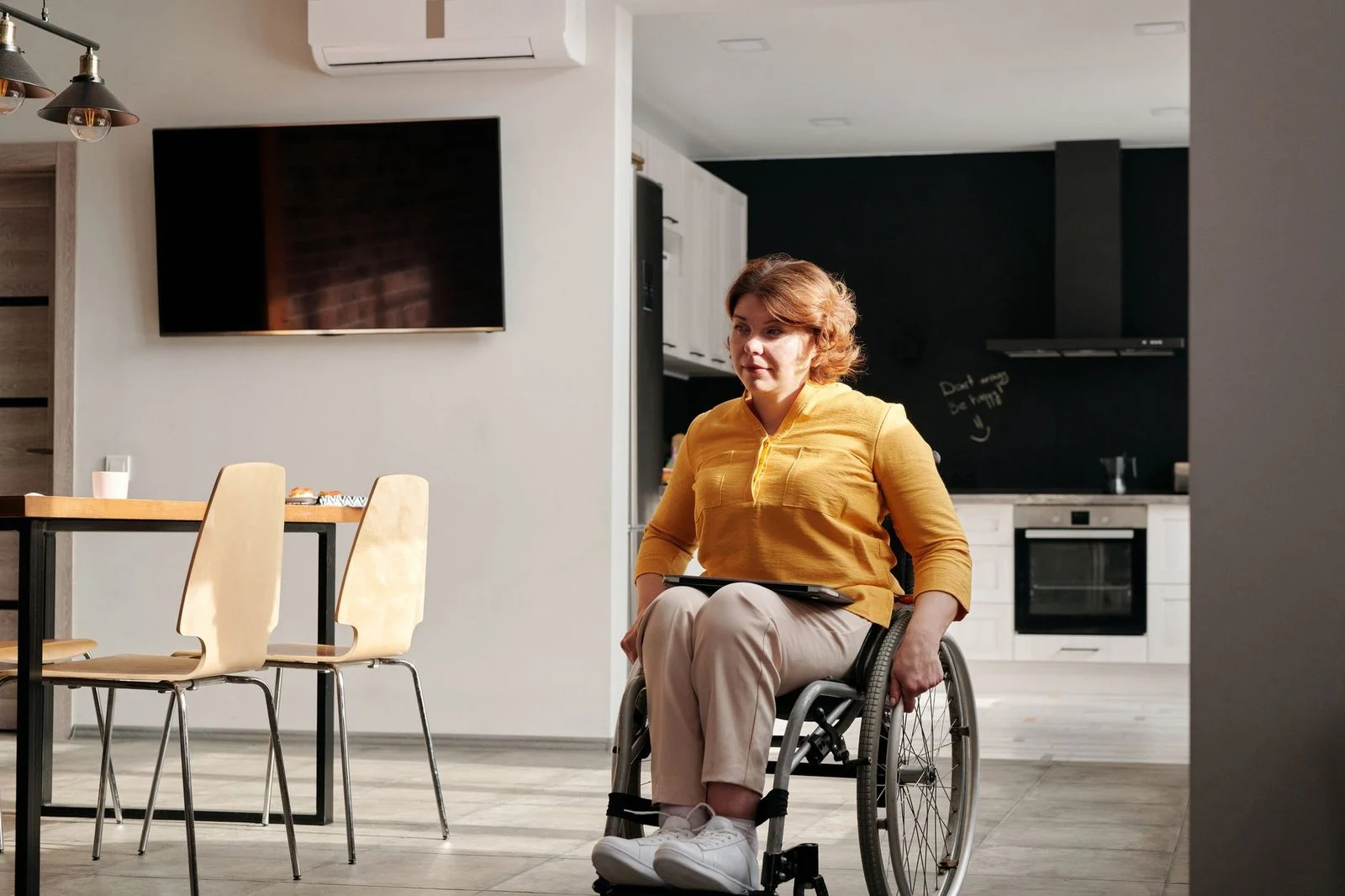
What Makes an Injury Catastrophic
A catastrophic injury is one with lasting effects. Common examples include spinal cord injury with paralysis, traumatic brain injury, amputation, and severe burns. These injuries rarely heal in a few weeks. They often need ongoing medical care, rehabilitation, equipment, and changes at home and at work.
Doctors may not know the full extent of these injuries for months. Swelling, nerve damage, and brain changes can appear slowly. That’s why follow-up visits matter. Keep every appointment, and tell your doctor about every new symptom, even small ones.
Traumatic brain injuries are not only a crash issue. Head injuries can follow many kinds of incidents.
How Catastrophic Injuries Happen in Lawrenceville and Gwinnett County
Serious harm often comes from crashes on busy roads. That includes I-85 and the streets around it, which carry Gwinnett County drivers every day. Car and truck crashes can cause spinal, brain, and limb injuries. Motorcycle riders have little protection, so a crash can cause severe harm. Pedestrians struck by vehicles can suffer catastrophic head and leg injuries. Rideshare collisions involving Uber or Lyft drivers can also cause serious injuries.
Other settings matter too. Slip-and-fall and premises incidents can happen at stores, apartments, and other properties. Dog attacks can cause deep wounds and nerve damage.
Nursing home residents may suffer serious injuries from abuse or neglect. Guests hurt at short-term rentals booked through Airbnb or VRBO can also face serious harm from unsafe conditions.
Why the First Weeks After an Injury Matter
Medical records create the documented link between the incident and the injury. Ambulance reports, hospital notes, and imaging show what happened and when. Ask for copies as they become available.
Preserve evidence when you can. Photos of the scene, the vehicle, or the property condition help. Keep bills, receipts, and pay stubs. Start a daily log of pain, limits, and tasks you can’t finish. These details show the real effects of the injury.
Be careful with insurers. An adjuster may ask for a recorded statement or offer a quick settlement before you know the full medical picture. Speak with our team before you give a recorded statement. Keep copies of everything you sign.
Georgia Deadlines and Fault Rules
Georgia generally requires an injury lawsuit to be filed within two years after the right to sue begins. O.C.G.A. § 9-3-33 sets this deadline. Loss of consortium claims, which relate to the injured person’s marriage, have four years under the same statute. Other deadlines can apply, depending on the facts.
Georgia uses a modified comparative fault rule. O.C.G.A. § 51-12-33 reduces damages in proportion to the injured person’s share of fault. If that person is 50 percent or more responsible, they cannot recover damages.
Fault is often disputed. Insurers and other parties may argue the injured person was partly to blame. Each incident needs its own review of the facts.
Who Can Bring a Claim and What It May Involve
The injured person can bring a personal injury claim. When a loved one dies because of another’s wrongful act, a wrongful death claim may be possible. Our team can talk through the facts of that situation with you.
A claim may address medical care, rehabilitation, equipment, home changes, lost income, and pain and suffering. Georgia separates general damages from special damages. General damages are those the law presumes flow from a wrongful act. Special damages actually flow from it and must be proved. O.C.G.A. § 51-12-2 explains this difference.
A jury may use a 5 percent discount rate or another rate it finds appropriate. O.C.G.A. § 51-12-13 lets the trier of fact reduce future medical expenses, living expenses, lost wages, or other economic damages to present value. Future care needs are often documented with help from medical professionals.
Not sure what your next step is?
Talk it through with our team — the first consultation is free, confidential, and carries no obligation.
Talk With Our Team About Your Situation
Our first meeting is a free consultation. It is confidential and carries no obligation to continue. We review the incident, the injuries, and the timeline together.
Peter F. Jaraysi is the responsible lawyer for this page. Our team includes the firm’s lawyers, including Brian D. Wright, along with support staff. The firm represents people across metro Atlanta and Georgia, including Lawrenceville and Gwinnett County.
Frequently Asked Questions
What is a catastrophic injury?
It is an injury that causes long-term or permanent loss of function. Examples include spinal cord injury, traumatic brain injury, amputation, and severe burns.
How long do I have to file an injury claim in Georgia?
Georgia generally requires an injury lawsuit within two years after the right to sue begins (O.C.G.A. § 9-3-33). Other deadlines can apply.
Can I still have a claim if I was partly at fault?
Georgia reduces damages by your share of fault. If you are 50 percent or more responsible, you cannot recover damages (O.C.G.A. § 51-12-33).
If your loved one is facing paralysis, a brain injury, an amputation, or severe burns after a crash, contact our team today for a free case review.
How We Approach Catastrophic Injury Cases
Organized Case Records
We help gather medical records, bills, accident reports and other documents so your situation is clearly presented from the start.
Plain-Language Updates
Our team explains legal terms and the steps ahead in clear language, so you can make informed decisions.
Support for Your Family
When an injury affects a whole household, we take time to understand how it affects your loved ones too.
Injuries We See Most Often in Serious Cases
Spinal Cord Injury and Paralysis
Damage to the spinal cord can lead to partial or complete paralysis and may require lifelong medical care and home modifications.
Traumatic Brain Injury
Brain injuries can affect memory, speech, mood and the ability to work, and symptoms may appear or change over time.
Amputation
Losing a limb can change daily life, mobility and career options, and often requires prosthetics and ongoing rehabilitation.
Severe Burns
Serious burns may require surgery, skin grafts and long recovery periods, with lasting effects on appearance and function.
Be Careful With Early Insurance Calls
An insurance adjuster may contact you soon after a serious accident. Before you give a recorded statement or sign any forms, consider speaking with a lawyer about what you are being asked to do.