

Catastrophic Injury Claims | Duluth, Georgia
Medical Records in a Catastrophic Injury Claim: What Matters and Why
Plain-language guidance from Slam Dunk Attorney on how medical records help document spinal cord injuries, brain injuries, amputations, severe burns and other serious harm across Georgia.
By Peter F. Jaraysi · Published October 30, 2026
Medical records prove a catastrophic injury claim in Georgia by showing how the injury happened, how serious it is, and how it changes daily life over time. Emergency, imaging, treating doctor, therapy, and billing records each play a part. This guide explains what each record shows and why it matters.
What Counts as a Catastrophic Injury and Why Medical Records Carry the Proof
Medical records are the main written proof that links an accident to a serious injury. Catastrophic injuries are severe harms that often have lasting effects. Common examples include spinal cord injury and paralysis, traumatic brain injury, amputation, and severe burns.
Paralysis is a loss of muscle function. It can result from catastrophic injuries such as spinal cord injuries or a broken neck (MedlinePlus). Traumatic brain injuries can range from mild to catastrophic and may cause coma, death, or serious long-term problems (Brain Trauma Foundation).
Records show the injury, the treatment, and the recovery. They also show what the injury means for work, mobility, and independence. For the full overview, read our catastrophic injuries guide for Georgia.
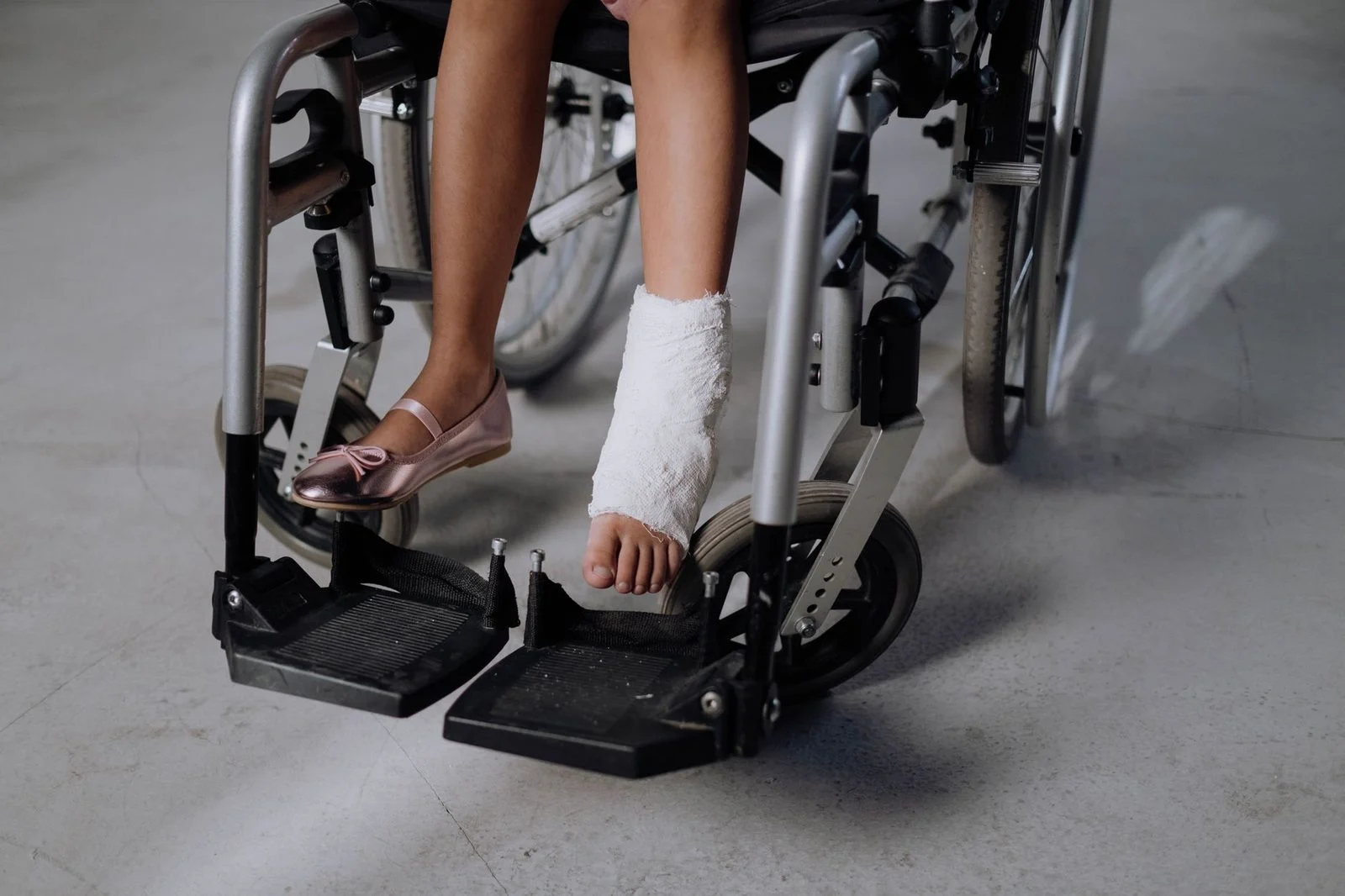
Emergency, Hospital, and Surgical Records Show the Injury Right After the Crash
Emergency, hospital, and surgical records are the first written proof of the injury. They usually start on the day of the accident or the days right after it.
The emergency department chart comes first. Triage notes show when the person arrived, what they reported, and what staff observed. The chart often describes how the injury happened.
Admission records, discharge summaries, and surgical reports come next. An operative report describes what the surgeon found and what was repaired, fused, or removed. A discharge summary gives the big picture: diagnoses, treatments, and follow-up plans.
These early records set the timeline. They show the injury was present right after the accident. Insurers often question the gap between the crash and the first visit. Continuous care makes the story easier to follow, so keep copies of every discharge paper, even the routine ones.
Imaging and Diagnostic Testing Show the Damage Doctors Can See
Imaging and diagnostic reports show physical damage that can be seen and measured. They are often the most direct proof of a spinal cord, brain, or bone injury.
X-rays can show broken bones. CT and MRI scans can show bleeding, swelling, and damage to the spinal cord or brain. Each test produces images and a written report. Keep both. The written report is the radiologist’s interpretation of the images, so it is the document most people read first.
Electrodiagnostic tests, such as nerve conduction studies and EMG, check how well nerves and muscles work. A doctor orders them when nerve function is in question. Neuropsychological testing measures memory, attention, and behavior after a traumatic brain injury. A standard scan does not measure those things, so these reports add separate proof. Keep the image files too, so the scans can be reviewed later.
Treating Doctor Notes and Therapy Records Show How the Injury Changes Daily Life
Treating doctor notes and therapy records show how the injury changes daily life over time. They track symptoms, treatment response, and activity limits from one visit to the next.
Follow-up notes from neurologists, orthopedic surgeons, and primary care doctors form the core of the chart. A note that says a person cannot grip a cup or stand for long is more useful than a general line. Specific notes beat vague ones.
Physical, occupational, and speech therapy records document function. They show mobility, grip, speech, and daily tasks like dressing, cooking, or driving. Therapists often note where a person started and where they are now.
Permanence is a key question. Ask the treating doctor to address in writing whether the impairment is expected to last and what future care may be needed. A published review on traumatic spinal cord injury covers prognosis, recovery timelines, and the factors that affect recovery. Attend follow-up visits. Missed appointments leave gaps that a reviewer will notice.
Prior Medical Records and Pre-Existing Conditions
Prior medical records show what a person’s health was like before the accident. A prior condition is not the end of the story, but insurers will look at it closely.
Insurers commonly review older records to see whether an earlier condition explains the current symptoms. The key question is what changed. Prior records can show baseline function, such as how far a person walked, worked, or drove before the crash. They can also show whether the accident made an existing condition worse.
Tell every treating doctor about prior injuries, symptoms, medications, and past treatment. An incomplete history can make the chart look inaccurate later. An accurate, complete history is much easier to explain.
Where care needs overlap with these records, our family caregiver compensation guide covers the daily help a loved one may need.
Bills, Prescriptions, and Future Care Records Show the Cost and What Comes Next
Itemized bills and future-care records show what treatment cost and what care may come next. Georgia law ties medical damages to reasonable, necessary care.
Special damages for medical and healthcare expenses are limited to the reasonable value of medically necessary care, and the trier of fact decides that amount (O.C.G.A. § 51-12-1.1). Special damages are those that actually flow from the wrongful act, and they must be proved (O.C.G.A. § 51-12-2). Necessary expenses from an injury are a legitimate part of the damages estimate (O.C.G.A. § 51-12-7).
Keep the records that support each bill: itemized statements, dates of service, prescription histories, and physician orders for wheelchairs, prosthetics, or home modifications.
Future care is handled differently. The trier of fact may reduce future medical expenses and lost wages to present value, using a 5 percent discount rate or another rate it considers appropriate (O.C.G.A. § 51-12-13). That is why a treating doctor’s written view on future care matters.
How Insurers Review Records and How the Burden of Proof Applies
Insurers and courts look for records that tell one consistent story. The records should link the accident, the injury, the treatment, and the cost.
The timeline from the emergency room onward should match the imaging, the doctor’s notes, the therapy notes, and the bills. A gap or mismatch invites questions. Common weak spots include missed appointments, unexplained delays in treatment, incomplete charts, and symptoms that appear once and never again.
Fault matters too. Under Georgia law, damages are reduced in proportion to the injured person’s share of fault. A plaintiff who is 50 percent or more responsible recovers no damages (O.C.G.A. § 51-12-33). Records that show how the accident happened matter as much as records about the injury.
For local context, see our guides for metro Atlanta and Lawrenceville and Gwinnett County.
Do I need imaging reports to prove a traumatic brain injury claim?
Imaging is often among the most direct records. Neuropsychological testing and treating doctor notes also document brain injury effects.
What records show permanent impairment after a spinal cord injury?
Treating doctor notes that address whether the impairment will last are central. Therapy records that track function over time support them.
Do pre-existing conditions hurt a Georgia injury claim?
Insurers review prior records to see what changed after the accident. Honest, complete records make that comparison clearer.
What is a letter of protection?
It is an arrangement where a provider treats you in exchange for a promise of payment from a future judgment or settlement. Georgia law treats these arrangements as relevant evidence.
Talk With Our Team About Your Records
If your loved one has a spinal cord injury, brain injury, amputation, or severe burns, you may be holding a stack of hospital, imaging, and therapy papers. It can be hard to know which ones matter most. Our team can help you sort them out. Bring what you have to a free first consultation, which is confidential and carries no obligation to continue.
The responsible lawyer for this page is Peter F. Jaraysi, one of the lawyers at Slam Dunk Attorney in Duluth, Georgia. Contact details are on our contact page. Every case depends on its own facts, and nothing on this page can predict how a claim will turn out.
How our team approaches your medical records
Organized from the start
We help you gather and sort hospital, imaging, therapy and doctor records so the full picture of your injuries is easier to follow.
Focused on your recovery
Serious injuries often bring ongoing treatment. We keep track of what your providers document about your condition and daily needs.
Support for your whole family
Our team works with the people closest to you, so information about caregiving and changes at home is recorded accurately.
Clear, honest communication
We explain what each record shows, what gaps may exist, and what questions still need answers, in language you can understand.
Keep everything, and tell us about every provider
Save copies of bills, appointment summaries, discharge papers and prescriptions. Let your lawyer know about every doctor, therapist and facility you have seen, including ones you visited only once.
Records that often matter most in catastrophic injury cases
Imaging and test results
X-rays, CT scans, MRIs and electrodiagnostic studies often provide some of the most direct documentation of a serious injury.
Treating doctor notes
Notes from treating physicians describe symptoms, diagnoses, restrictions and whether an impairment is expected to last.
Rehabilitation and therapy records
Physical, occupational and speech therapy notes track progress, setbacks and the daily tasks that have become harder.
Emergency and hospital records
Records from the scene response, emergency department and hospital stays capture the first medical picture of the injury.