
Negligent Security Injury Lawyer | Atlanta, Georgia
Hurt Because Someone Failed to Keep the Property Safe?
Slam Dunk Attorney represents people injured in assaults and other crimes on properties where security was inadequate. We serve Atlanta and communities across Georgia, including Duluth, Lawrenceville, Johns Creek, Alpharetta, Marietta, Norcross, Kennesaw and Dunwoody.
By Peter F. Jaraysi · Published November 2, 2026
Negligent Security Injury Lawyer Atlanta: How These Claims Work
A negligent security claim lets a person hurt by a crime on someone else’s property seek damages from the owner, manager, or security company. The claim says they failed to take reasonable steps to keep people safe. Georgia law addresses negligent security claims in the Georgia negligent security statutes.
Slam Dunk Attorney is a personal injury firm based in Duluth, Georgia. We help people across metro Atlanta understand these claims. This page explains when a negligent security injury lawyer in Atlanta would review one, what the law requires, and what happens next.
Not sure what your next step is?
Talk it through with our team — the first consultation is free, confidential, and carries no obligation.
Negligent Security Injury Claims in Atlanta: What They Are and Who They Help
A negligent security claim seeks money for bodily injury or death caused by a third person’s wrongful act on a property. It targets the owner, the occupier, or a security contractor. It does not target only the attacker.
Georgia law defines “wrongful conduct” broadly. It includes violations of state law or local ordinances punishable as a felony or misdemeanor. It also includes intentional or willful and wanton torts. These count even without an arrest or conviction.
The claim is for people lawfully on the property, called invitees. Guests, customers, tenants, and visitors often fall in this group. If an attack causes a death, a wrongful death claim may be possible.
Two points matter early. Being hurt on a property does not create a claim by itself. Also, the attacker’s fault still counts, and a jury may assign fault to both sides.
Locations and Incidents This Covers Across Metro Atlanta
Claims can arise anywhere people lawfully gather, live, park, or stay. Common examples include:
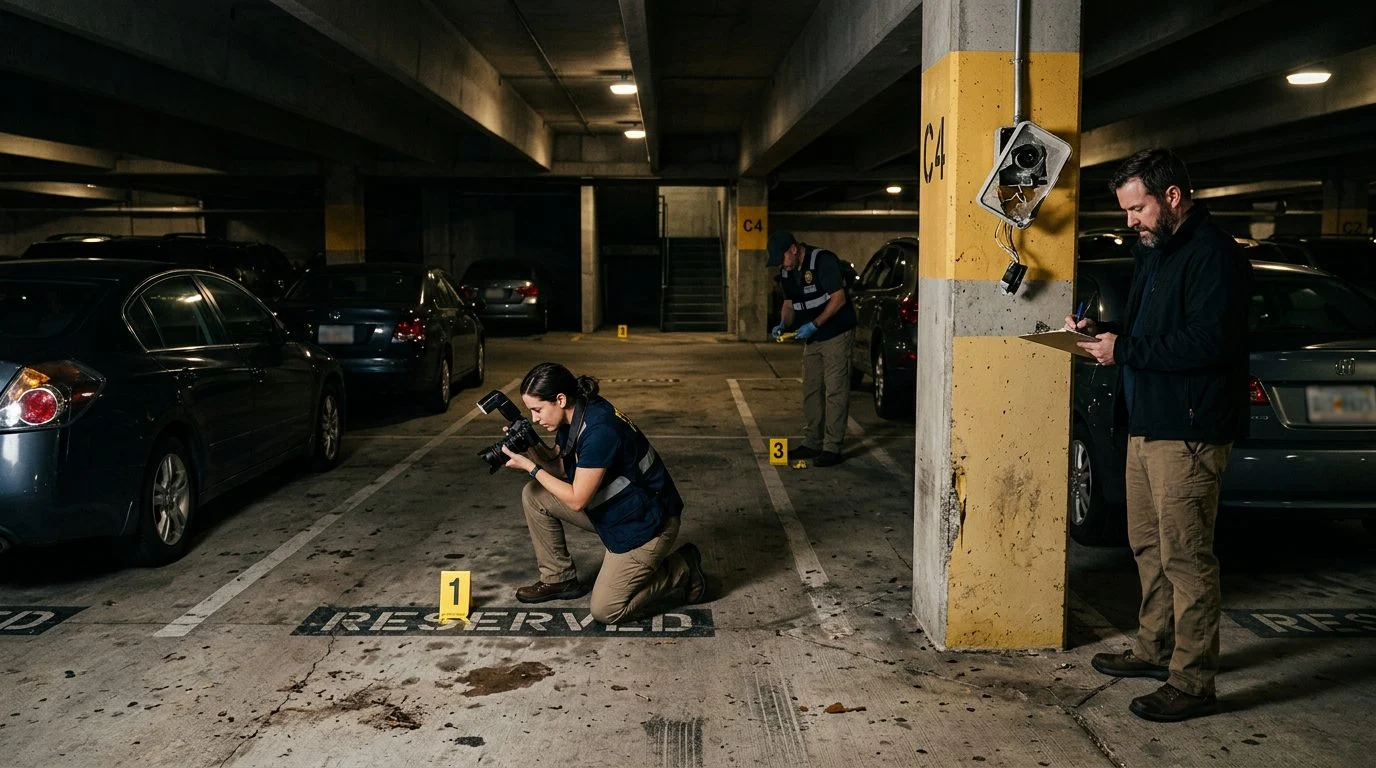
- Apartment and condo communities, including stairwells, parking decks, gates, and common areas
- Hotels, motels, and short-term rentals booked through Airbnb or VRBO
- Parking lots and garages at shopping centers, offices, grocery stores, and entertainment venues
- Bars, restaurants, gas stations, and convenience stores with known late-night crime
- Shootings, stabbings, robberies, sexual assaults, and aggravated assaults
Some locations raise special questions. How a short-term rental is used and who controls it are among the facts we review when evaluating a claim. The statute also excludes wrongful conduct off the premises in a place the owner had no legal right to exclude people from (Georgia negligent security statutes).
Rideshare passengers and drivers hurt at pickup or drop-off spots may have a claim. Who controlled that area is a key question.
We serve Atlanta, Lawrenceville, Johns Creek, Alpharetta, Marietta, Norcross, Kennesaw, and Dunwoody.
When a Property Owner May Be Liable: Foreseeability, Prior Incidents, and Evidence
A property owner may be liable when an attack was reasonably foreseeable and the owner failed to use ordinary care.
- The attack was reasonably foreseeable to the owner.
- The injury was a foreseeable result of that attack.
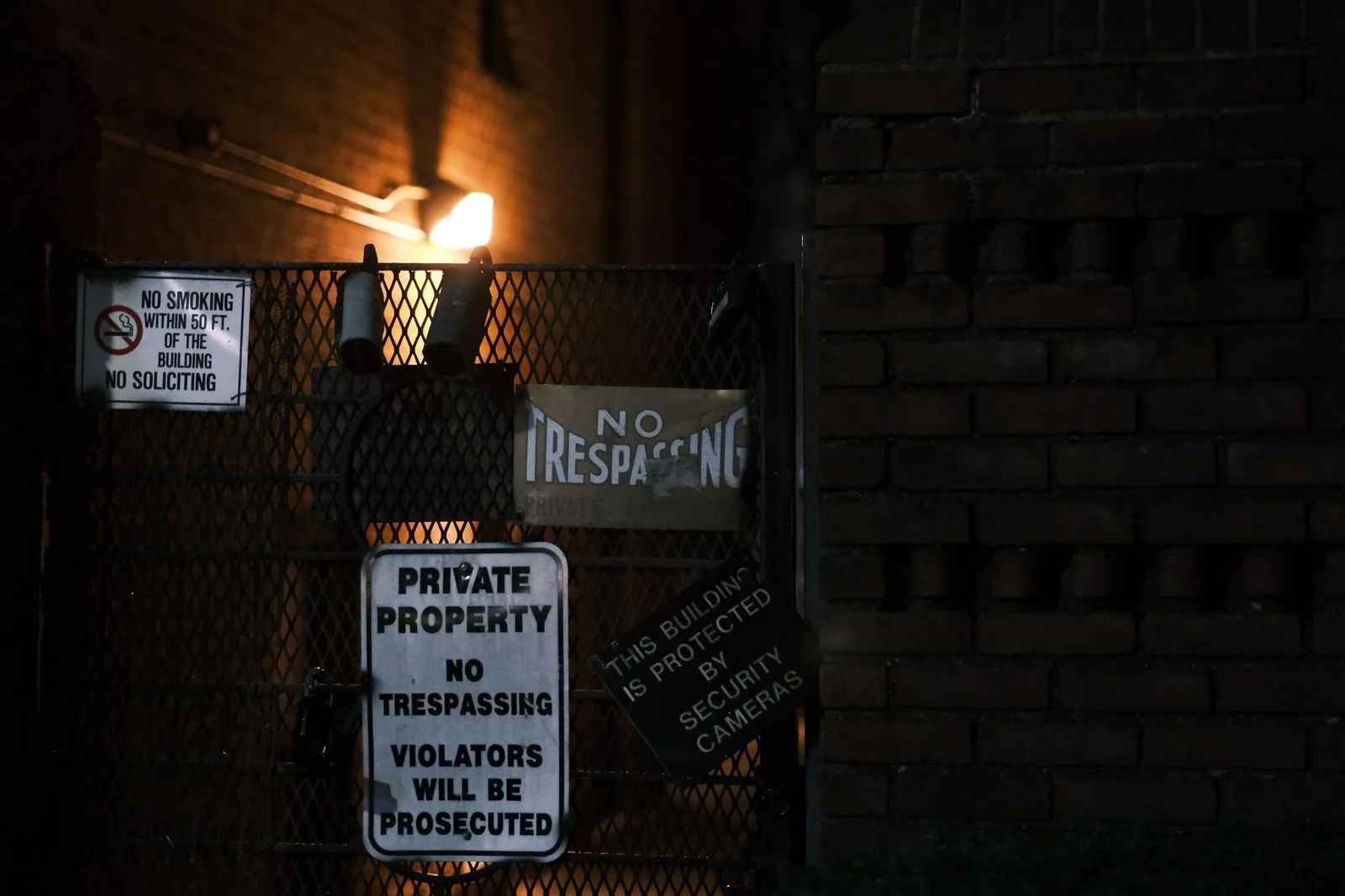
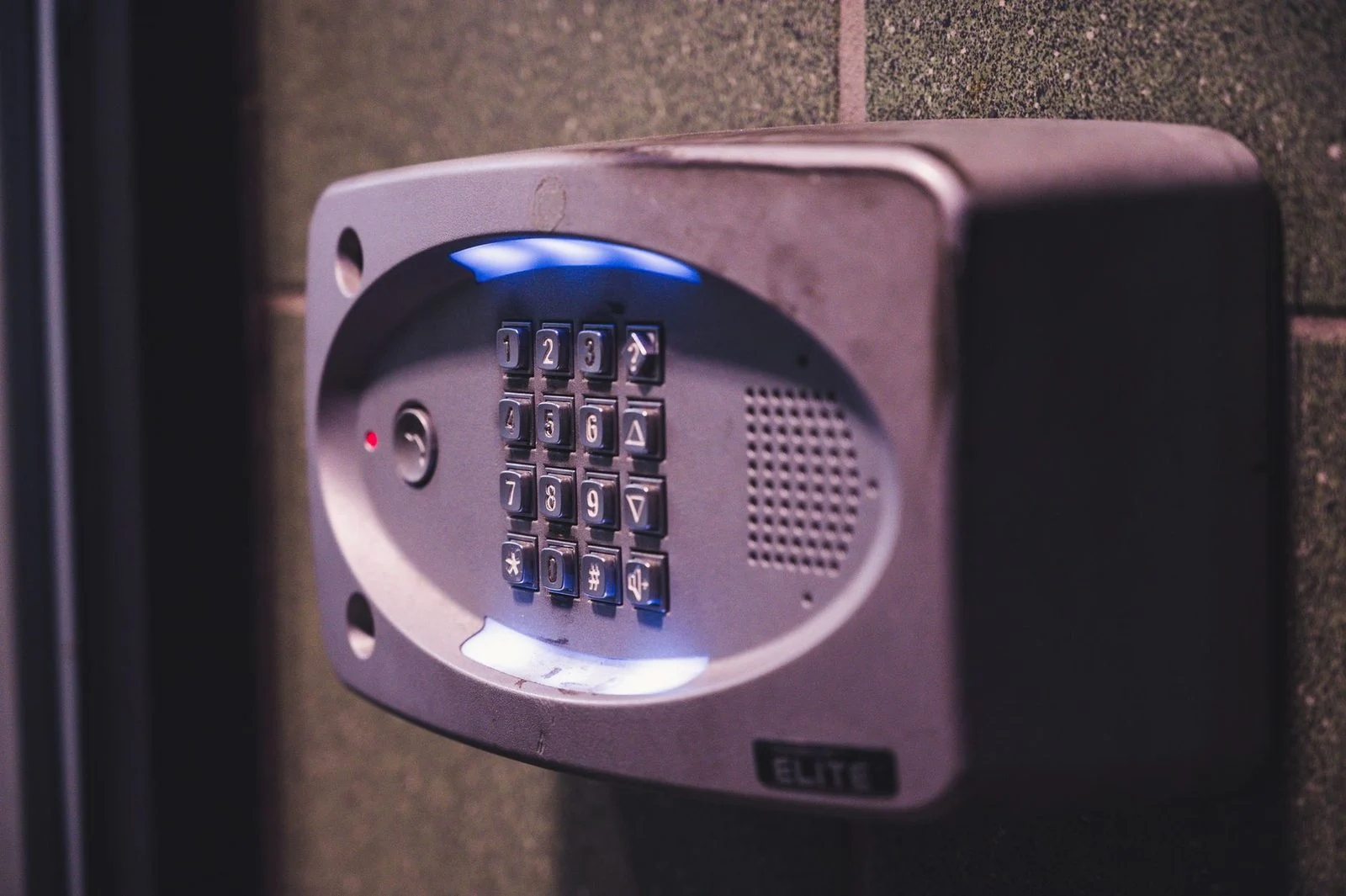
- The attacker took advantage of a specific physical condition the owner knew about, such as a broken gate or a dark parking area.
- The owner failed to use ordinary care to fix that condition or keep the property safe.
- That failure was a proximate cause of the injury.
Foreseeability often rests on prior incidents. Type, location, and timing all matter.
Georgia does not require extraordinary care. An owner does not have to act as law enforcement. A jury considers the security measures in place, whether more were practical, and whether they would have prevented the injury.
Evidence that often matters includes:
- Police reports and 911 call records
- Surveillance footage, which can be overwritten on a schedule, so early requests matter
- Photos of lighting, locks, gates, and cameras
- Lease, guest, or booking agreements
- Security contracts, guard logs, and incident reports
- Witness names and contact details
- Medical records that link the injury to the attack
Catastrophic Injuries and the Harm These Cases Involve
Violent attacks can cause injuries that change a life. Common examples include brain injuries, spinal cord injuries and paralysis, amputations, severe burns, and death.
Brain injuries range from mild to catastrophic. Severe brain injuries can cause coma, death, and serious lasting harm.
Paralysis is a loss of muscle function. It can result from catastrophic injuries such as spinal cord injuries. Recovery unfolds over time, so doctors track it over months.
General damages are presumed to flow from a wrongful act and need no proof of an amount. Special damages actually flow from the act and must be proved (Georgia damages statute, O.C.G.A. § 51-12-2). Medical bills and lost wages are examples of special damages.
How the Process Works, Step by Step
The process usually starts with a conversation about what happened. Then the work moves from records to negotiation or a lawsuit.
- Contact the firm. Describe the attack, the location, and your injuries.
- Early review. We look at the police report, property details, and your medical status.
- Preservation letters. Letters go to the owner, manager, and any security company, asking them to keep footage, logs, and reports.
- Investigation. We look at prior incidents, security practices, and who controlled the area.
- Insurance communication. We deal with insurers, including the owner’s liability carrier.
- Demand or lawsuit. We negotiate a demand. If a fair resolution is not reached, a lawsuit may be filed in the appropriate Georgia court.
Timing matters. Georgia’s two-year deadline for injuries to the person under O.C.G.A. § 9-3-33 is the general rule.
Not sure what your next step is?
Talk it through with our team — the first consultation is free, confidential, and carries no obligation.
Why Slam Dunk Attorney Handles Negligent Security Injury Cases in Atlanta
Slam Dunk Attorney is a personal injury firm based in Duluth, Georgia. Our lawyers include Peter F. Jaraysi and Brian D. Wright. Our team includes assistants and office staff who help clients keep records and deadlines organized.
The firm handles car, truck, motorcycle, pedestrian, and rideshare accidents, dog bites, premises liability, slip and fall, nursing home abuse, wrongful death, catastrophic injuries, and short-term rental injuries. Negligent security is part of that work.
Our approach is plain. We listen first, explain your options in everyday language, and keep you informed as the case moves. Every case turns on its own facts, so no outcome can be promised.
Frequently Asked Questions
Can I sue if the attacker was never caught or charged?
Yes, possibly. Georgia’s definition of wrongful conduct counts a violation even without an arrest or conviction.
Does it matter that I was a guest or customer?
Yes. The claim covers people lawfully on the property, called invitees.
What if the attack happened in a parking lot or at a bus stop?
Location and control matter. The question is whether the owner had the legal right to exclude the attacker from that spot.
Do I have to go to court?
Some cases settle through negotiation. Others proceed to a lawsuit in court.
How long do I have to act?
Georgia’s general deadline for injuries to the person is two years, while injuries to reputation must be brought within one year and actions for injuries to the person involving loss of consortium within four years (O.C.G.A. § 9-3-33). Early contact helps.
How much does the first consultation cost?
The first consultation is free, confidential, and carries no obligation to continue.
Talk With Our Team About a Serious Injury After an Attack
If a violent crime on a property you were lawfully using left you or a loved one seriously hurt, you may have a claim. Reach out through our contact page to request a free, confidential consultation or call for a free case review.
Attorney advertising. This page provides general information, not legal advice. Responsible lawyer: Peter F. Jaraysi, Slam Dunk Attorney, Duluth, Georgia. Contact: slamdunkattorney.com/contact-us.
How We Can Help
Focused on Negligent Security
Our firm focuses on injury claims arising from crimes on property where owners or managers may have failed to provide reasonable protection.
Support for Victims and Families
We work with people who were assaulted, as well as families who have lost a loved one in a violent incident on someone else's property.
Plain-Language Guidance
We explain the process in clear terms, so you know what to expect at every stage of your case.
Compassionate Attention
We understand that physical, emotional and financial stress can all follow a violent incident, and we approach every case with patience and respect.
Your Health Comes First
If you were hurt, seek medical care right away, even if your injuries seem minor. Keeping records of your treatment, the location and any reports made about the incident can help when your case is reviewed.
Properties We Review
Apartment Complexes
Assaults and break-ins in common areas, parking areas, stairwells and gated communities.
Parking Lots and Garages
Attacks and robberies in lots and parking decks where lighting, cameras or security patrols may have been lacking.
Hotels and Motels
Incidents involving guests in hallways, lobbies, pool areas and guest rooms.
Bars, Restaurants and Nightlife Venues
Violence inside or just outside establishments where staffing and crowd control were in question.