
Nursing Home Abuse | Duluth, Georgia
Nursing Home Abuse Injury Lawyers Standing Up for Georgia Families
When someone you love is hurt in a care facility, the questions come fast. Our team listens first, explains your options in plain language, and works to bring clarity to a difficult time.
By Peter F. Jaraysi · Published November 18, 2026
A nursing home abuse injury lawyer in Georgia helps families look into claims when a resident is hurt by intentional abuse or by neglect at a long-term care facility. Serious harm can include broken bones, bedsores, paralysis, brain injuries, and death. Slam Dunk Attorney is based in Duluth, Georgia, and handles these claims for people across metro Atlanta and the rest of the state.
If you’re reading this because a loved one was hurt, you’re probably worried and short on answers. This page explains what these claims cover, who may be responsible, how the process works, and which deadlines matter.
What a Nursing Home Abuse Injury Claim Covers
A nursing home abuse injury claim seeks compensation for harm a resident suffered because a facility or its staff failed to protect them.
- Abuse means intentional harm, such as physical, emotional, or sexual abuse.
- Neglect means failing to give a resident the care they need. This can include food, fluids, hygiene, supervision, and medical treatment.
A catastrophic injury changes a person’s life for good or needs long-term medical care. Examples include spinal cord injury, paralysis, traumatic brain injury, amputation, and severe burns.
This page is written for two groups. The first is adult children, spouses, and relatives of a resident. The second is residents who can make their own decisions about a claim.
Not sure what your next step is?
Talk it through with our team — the first consultation is free, confidential, and carries no obligation.
Signs of Abuse and Injuries Residents Often Suffer
The clearest warning signs are injuries with unclear explanations, sudden changes in behavior, and wounds that get worse over time. Families often notice these signs first.
Physical signs to watch for include:
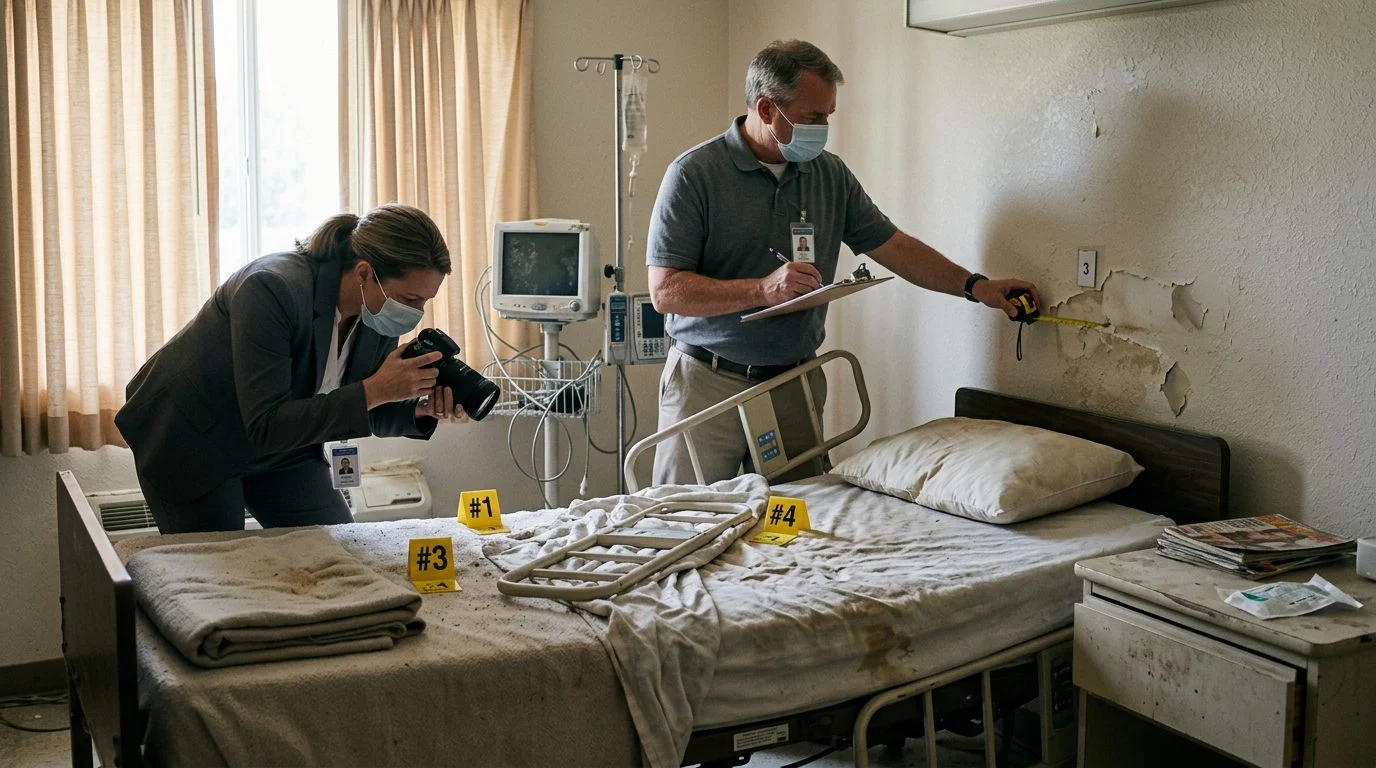
- Unexplained bruising or burns
- Bedsores that grow larger or deeper
- Sudden weight loss or dehydration
- Soiled bedding that is changed rarely
- Untreated infections
Falls can cause fractures and head injuries. Medication errors and delayed treatment can also cause serious harm.
A head injury needs close attention. Watch for changes in alertness, confusion, or vomiting after a fall or blow to the head.
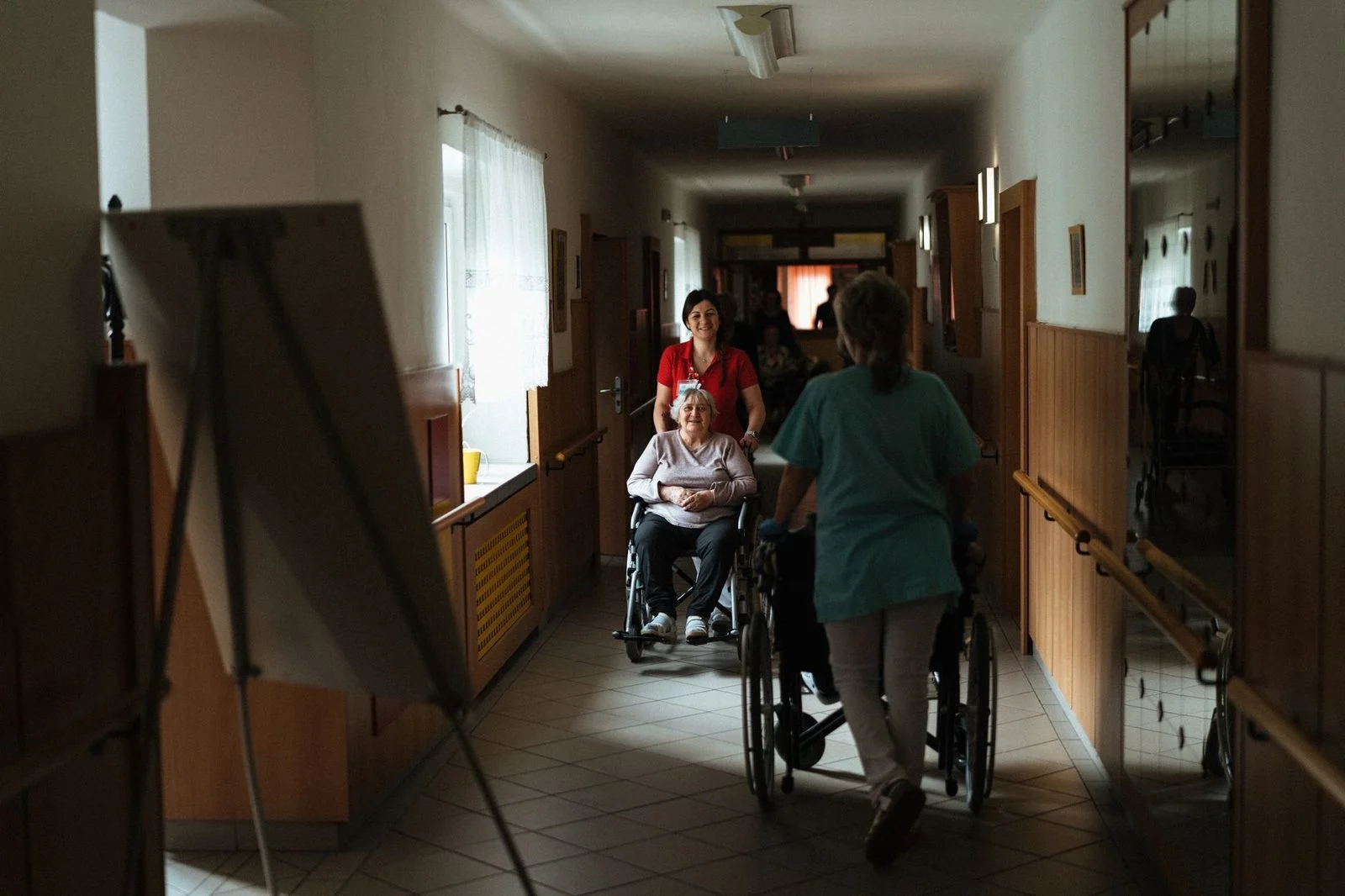
Behavior changes can also be warning signs. Watch for withdrawal, fear of a particular staff member, or sudden reluctance to speak.
Start a written log now. Write down dates, what you saw, and the names of staff involved. Notes made close to the event are more reliable than memory months later.
Who May Be Responsible for a Nursing Home Injury
Responsibility can reach the facility, the company that owns or manages it, and individual staff whose conduct caused the harm. Outside contractors may also be involved in some cases.
Georgia also sets resident rights. O.C.G.A. § 31-8-108 says each resident shall receive care that is adequate and appropriate. That care must be given with reasonable care and skill and in compliance with applicable laws. Under O.C.G.A. § 31-8-126, a person harmed when a long-term care facility violates or fails to provide a right granted under this article can bring a cause of action for damages and other relief the court deems proper.
Staffing levels, training records, care plans, and medication logs often matter in these cases. They show what the facility did and what it did not do.
Damages That May Be Pursued in These Cases
Families may seek money for losses the injury caused. The value of a claim depends on the facts of each case.
Losses that may be pursued include:
- Past and future medical bills, rehabilitation, and long-term care
- Lost income and lost ability to earn
- Pain and suffering
Georgia separates general damages from special damages. General damages are those the law presumes to flow from a tortious act. Special damages actually flow from it and must be proved. See O.C.G.A. § 51-12-2.
Fault also matters. O.C.G.A. § 51-12-33 reduces an award in proportion to the injured person’s fault. It also bars recovery if the injured person is 50 percent or more responsible.
When a resident dies and no one else is entitled to sue, O.C.G.A. § 51-4-5 allows the administrator or executor of the decedent to bring an action and hold any recovery for the benefit of the next of kin. The amount of recovery is the full value of the decedent’s life. The same section allows the personal representative to recover funeral, medical, and other necessary expenses when death results from a crime or from criminal or other negligence.
No one can know the value of a claim before the medical and financial facts are reviewed.
How the Claim Process Works, Step by Step
A typical claim moves from a consultation to records review, investigation, a demand to the responsible parties, and, if needed, a lawsuit.
- Consultation. Your family describes what happened and shares what you have. The first consultation is free, confidential, and carries no obligation to continue.
- Records. Medical charts, incident reports, medication logs, staffing schedules, and care plans are requested and preserved.
- Investigation. The team reviews the available records and talks with medical providers about what caused the harm.
- Demand. A claim is presented to the responsible parties and their insurers, and negotiations begin.
- Lawsuit, if needed. A case is filed in the appropriate Georgia court. The case then moves through discovery (the exchange of evidence), possible mediation, and possibly trial.
Timelines vary with the medical picture and the parties involved. No timeline can be promised.
Ready to start step one? You can reach our team through the contact page.
Deadlines and Evidence to Protect Now
Georgia’s general deadline for injuries to the person is two years after the right of action accrues. O.C.G.A. § 9-3-33 sets this rule. Other rules can apply in some situations, so timing should be reviewed early. The same section sets a four-year period for loss of consortium claims.
Evidence can be lost over time. Records become harder to obtain, and witnesses’ memories fade.
Residents, or their guardians, have a right to access their records. Under O.C.G.A. § 31-8-108, a resident can inspect and receive a copy of their medical records. The statute reads: “Each resident shall have access to all information in the medical records of the resident and shall be permitted to inspect and receive a copy of such records unless medically contraindicated.” The facility may charge a reasonable fee for copies, which cannot exceed actual cost.
Keep these items together:
- Discharge papers and care plans
- Photos of injuries, with dates
- Letters, emails, and texts with the facility
- A timeline of your visits and observations
- Names of staff members involved
Before you sign facility releases or settlement papers, talk with a lawyer about how they could affect a claim.
Not sure what your next step is?
Talk it through with our team — the first consultation is free, confidential, and carries no obligation.
Why Families Work With Slam Dunk Attorney
Slam Dunk Attorney is a personal injury firm based in Duluth, Georgia. It represents people hurt by nursing home abuse and neglect across metro Atlanta and Georgia. The firm’s work also includes catastrophic injury and wrongful death cases.
Peter F. Jaraysi is the responsible lawyer for this page. The firm’s lawyers include Peter F. Jaraysi and Brian D. Wright. Assistants and office staff support their work.
Our team aims to explain each step in plain language. That way, families know what comes next and what they need to decide.
Families looking for a nursing home abuse injury lawyer in Georgia can start with a conversation about the facts of their case.
Common Questions About Nursing Home Abuse Claims in Georgia
Most families ask whether a claim is possible, how long they have, and what to do first.
Can I sue a nursing home in Georgia if my loved one was seriously hurt?
Georgia law allows a person harmed by a facility’s failure to provide resident rights to seek damages. See O.C.G.A. § 31-8-126.
Does neglect count, or only intentional abuse?
Neglect can support a claim when a resident does not receive the adequate and appropriate care Georgia law requires. See O.C.G.A. § 31-8-108. Both abuse and neglect can lead to a claim.
Can a family pursue a claim after a resident has died?
Georgia law allows a personal representative to recover funeral, medical, and other necessary expenses when death results from a crime or from criminal or other negligence. See O.C.G.A. § 51-4-5.
How long do these cases take?
Timelines vary with the medical and legal facts. No timeline can be promised.
Should we talk to the facility before calling a lawyer?
Consider speaking with a lawyer first. Statements and releases can affect a claim.
Talk With Our Team About Your Loved One’s Injury
If your parent in a Georgia nursing facility now has a fracture, brain injury, paralysis, or bedsores that keep getting worse, you are deciding what to do next. Our team can help you sort through the facts.
Call our Duluth, Georgia office or request a consultation through the contact page. Peter F. Jaraysi and the firm’s team will review what happened with you.
Attorney advertising. Responsible lawyer: Peter F. Jaraysi, Slam Dunk Attorney, Duluth, Georgia. This page gives general information, not legal advice. Each claim turns on its own facts, and results can’t be predicted.
How we approach your family's case
Compassion first
Our team understands that a loved one's injury affects the whole family. We take time to hear what happened and what you are worried about.
Plain-language guidance
We explain the process, the paperwork and the next steps without legal jargon, so you can make informed decisions at your own pace.
Focused on protecting residents
The firm focuses on claims involving neglect and abuse in nursing homes and other care facilities across metro Atlanta and Georgia.
Lawyers you can reach
Peter F. Jaraysi, the responsible lawyer for this page, and our lawyers at the firm work with families from our Duluth, Georgia office.
If you suspect your loved one is in danger
Make sure your loved one is safe and receives prompt medical attention, even if the injury seems minor. Write down what you have observed, including dates, staff names and photographs of any injuries, and keep copies of medical records and facility documents.
Harms our firm sees in nursing home cases
Bedsores and pressure injuries
Wounds that develop when residents are not repositioned, cleaned or monitored as their care plan requires.
Falls and fractures
Injuries from unsupervised movement, missing assistance or unsafe living conditions within the facility.
Medication errors
Wrong doses, missed medications or harmful drug combinations that lead to serious health decline.
Dehydration and malnutrition
Residents who do not receive enough food or fluids, often a sign of inadequate staffing or attention.
Physical or emotional abuse
Harm caused by staff or other residents, including rough handling, threats, isolation and intimidation.
Wrongful death
When neglect or abuse causes a resident's death, surviving family members may have questions about their options.
Your first consultation is free, confidential and comes with no obligation to continue. Tell us what happened to your loved one.
Related practice areas
- Catastrophic Injuries in Georgia
- Can a Hospital Place a Lien on My Settlement After a Car Accident in Georgia?
- How Lawyers Prove a Truck Driver Was Fatigued After a Crash
- Is the Discovery Period in Georgia Six Months Long?
- What to Do After a Pedestrian Gets Hit by a Car in Atlanta