
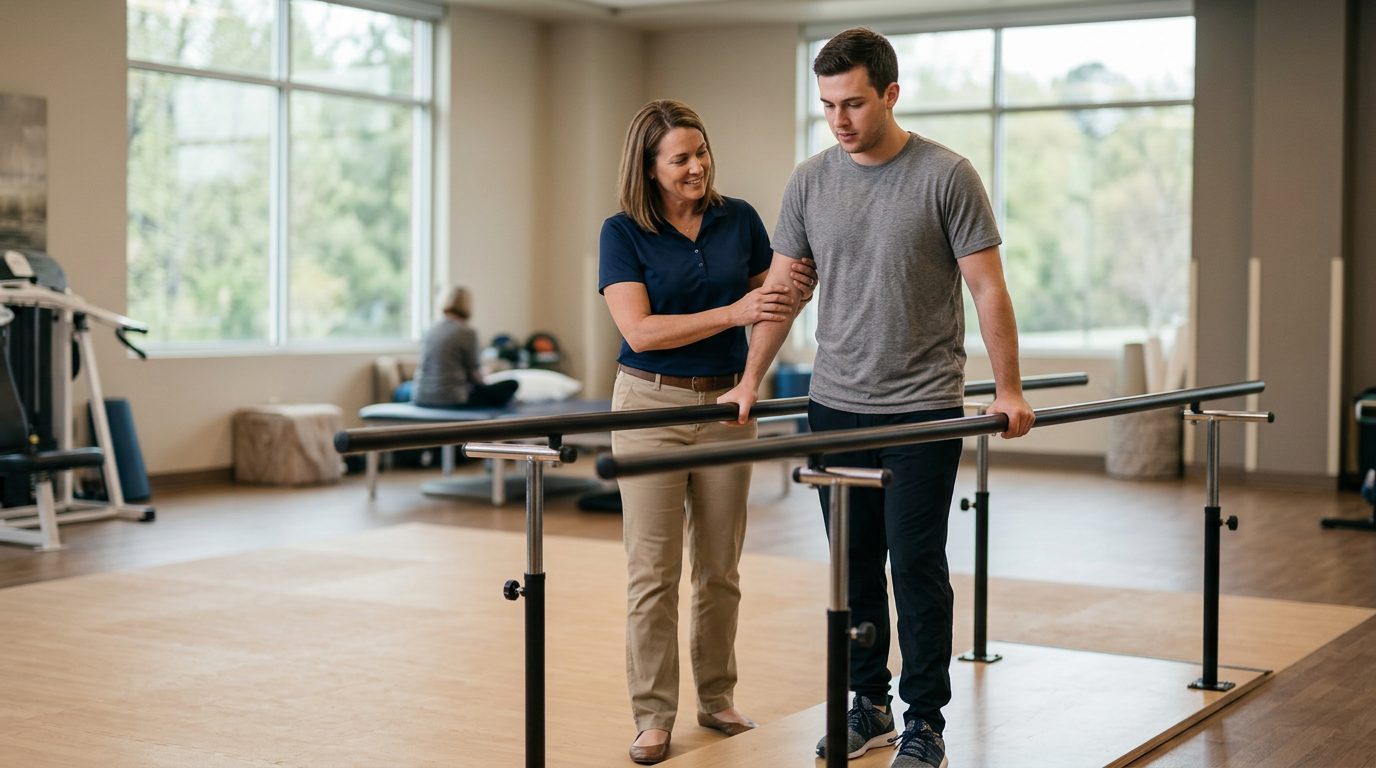
Marietta, Georgia | Catastrophic Injuries
When a Serious Injury Changes Your Family's Future
Slam Dunk Attorney represents people and families in Marietta and across Georgia after catastrophic injuries caused by car, truck, motorcycle, and other accidents. Your first consultation is free, confidential, and carries no obligation to continue.
By Peter F. Jaraysi · Published October 25, 2026
If you or someone you love suffered catastrophic injuries in Marietta, the next steps can feel overwhelming. A catastrophic injury is a serious harm that often lasts for life. It changes how a person works, moves, and cares for themselves. This guide explains what the term means, how these injuries happen on Cobb County roads, and how Georgia law shapes a claim. It is general information, not legal advice about your case. Slam Dunk Attorney represents people hurt in accidents across metro Atlanta and Georgia from its office in Duluth.
What Qualifies as a Catastrophic Injury?
A catastrophic injury is a serious injury that is often permanent. It does not heal fully within a short time, the way a sprain or bruise does. Many catastrophic injuries affect a person for years, or for life.
Severity is judged by long-term effects, not by how the crash looked. Ask what the injury means day to day. Can the person still walk, see clearly, think through work, or care for children? Those answers define the harm.
Many serious injuries look stable at first. Shock and swelling can hide lasting damage. Over weeks and months, treatment shows what will last. Tell every provider about every symptom, even small ones. Those notes become part of the record later.
If a serious injury has changed your daily life or a loved one's, and you're deciding whether to act now, our team offers a free, confidential first consultation with no obligation to continue. Talk it through with our team — the first consultation is free, confidential, and carries no obligation.

Common Examples of Catastrophic Injuries
The injuries we handle in this category include spinal cord injury and paralysis, traumatic brain injury, amputation, severe burns, and wrongful death. Each one reaches far beyond the hospital.
Spinal cord injury and paralysis. Damage to the spinal cord can interrupt signals between the brain and the body. A person may lose movement or feeling below the injury. Rehabilitation can last for years.
Traumatic brain injury. A brain injury can change memory, mood, balance, and focus. Symptoms may appear hours or days after a crash. The Georgia fall injury data from the Georgia Department of Public Health covers fall-related injuries, including brain injuries.
Amputation. Losing a limb changes work, driving, and daily chores. Learning to use a prosthetic takes months of therapy.
Severe burns. Burns often mean long hospital stays, repeated surgeries, and ongoing skin care.
Wrongful death. When a crash takes a life, the family may have a claim. Georgia law lets a surviving spouse, or children if there is no spouse, recover the full value of the decedent’s life, as shown by the evidence; the amount recovered is equally divided, share and share alike, among the surviving spouse and the children per capita, and the surviving spouse receives no less than one-third. See the Georgia wrongful death law (O.C.G.A. § 51-4-2).
These injuries come from car, truck, motorcycle, rideshare, and pedestrian crashes. Georgia law requires every driver to exercise due care to avoid pedestrians on the roadway (O.C.G.A. § 40-6-93).
How These Injuries Happen on Marietta and Cobb County Roads
Serious injuries in Marietta often happen where fast traffic and heavy trucks share the road. Commuters use Interstate 75 and Interstate 575 every day. Powers Ferry Road, Roswell Road, and Cobb Parkway add stops, turn lanes, and driveways.
Mixing high speeds with frequent stops causes serious harm. A rear-end impact at highway speed can cause spinal or brain injury. A truck adds weight and size to that force. A motorcycle rider has little protection between body and pavement. A pedestrian struck in a parking lot can suffer head injuries.
The Georgia State Patrol investigates crashes with major injuries. The Georgia Department of Public Safety also helps victims and families check an investigation’s status. The Georgia Department of Public Health tracks serious crash injuries and hospital visits statewide.
Many injured people in Marietta are first treated at local hospitals such as Wellstar Kennestone. Those first records show how the injury was first described. Keep copies of every record.
Why Catastrophic Injuries Are Hard to Prove
Catastrophic injuries are hard to prove because the full harm often shows up after the first scans. Some brain injuries don’t show clearly on a standard scan. Proof then rests on symptom records, neurological testing, and a steady treatment history.
Insurers often look for gaps in care. A missed appointment or long pause in treatment gives the other side an argument. Keep every appointment. If you must change plans, write down why.
Long-term effects appear in several kinds of records. These include medical records, opinions from treating physicians, rehabilitation notes, and bills. A daily journal also helps. Note how the injury affects work, sleep, mood, driving, and chores.
Medical bills raise their own rules. Georgia limits medical expense damages to the reasonable value of medically necessary care, as the jury determines. See Georgia medical expense damages (O.C.G.A. § 51-12-1.1). Letters of protection are also relevant and discoverable under that same section.
Can I Sue for Emotional Distress in Georgia?
Yes, Georgia allows injured people to seek damages beyond medical bills and lost pay. General damages are harms the law presumes flow from a wrongful act. They can be recovered without proof of an exact amount, under general damages law (O.C.G.A. § 51-12-2). Special damages, like medical bills and lost wages, must be proved.
Emotional harm usually comes with a physical injury. Fear, sleep loss, and mood changes after a serious crash are common. Treating providers can record how the injury has affected daily life. Those notes help show the effect.
When the entire injury is emotional, Georgia leaves the value to jurors. Punitive damages are not awarded in that kind of action. See emotional injury damages (O.C.G.A. § 51-12-6).
Each claim is different. No one can predict how a jury would value it.
How Georgia’s Fault Rules Affect a Claim
Georgia reduces your recovery by your share of fault. You recover nothing if you are 50 percent or more responsible. This is Georgia’s modified comparative negligence rule, or shared fault rule. The judge reduces damages in proportion to the injured person’s fault. See Georgia fault apportionment (O.C.G.A. § 51-12-33).
Each defendant pays only its own share. The statute says apportioned damages are not joint liability. The jury considers the fault of everyone who contributed to the injury. That includes people who were not named in the suit.
Fault is often disputed in serious crashes. Insurance adjusters may argue the injured person caused or worsened the crash. Many people benefit from having the facts reviewed before giving a recorded statement about how the crash happened.
Not sure what your next step is?
Talk it through with our team — the first consultation is free, confidential, and carries no obligation.
How Long Do I Have to File a Lawsuit in Georgia?
Georgia’s main deadline for injury claims is two years after the right of action accrues. See Georgia’s injury filing deadline (O.C.G.A. § 9-3-33). Loss of consortium claims have four years.
Claims against a city need faster action. It must state the time, place, and extent of the injury. It must also state the negligence that caused it and the specific money damages sought. See municipal claim notice (O.C.G.A. § 36-33-5).
Claims against the State of Georgia have their own rule. Written notice is due within 12 months of when the loss was discovered. See state claim notice (O.C.G.A. § 50-21-26).
Gathering records takes time. A prompt review of the facts helps protect your options.
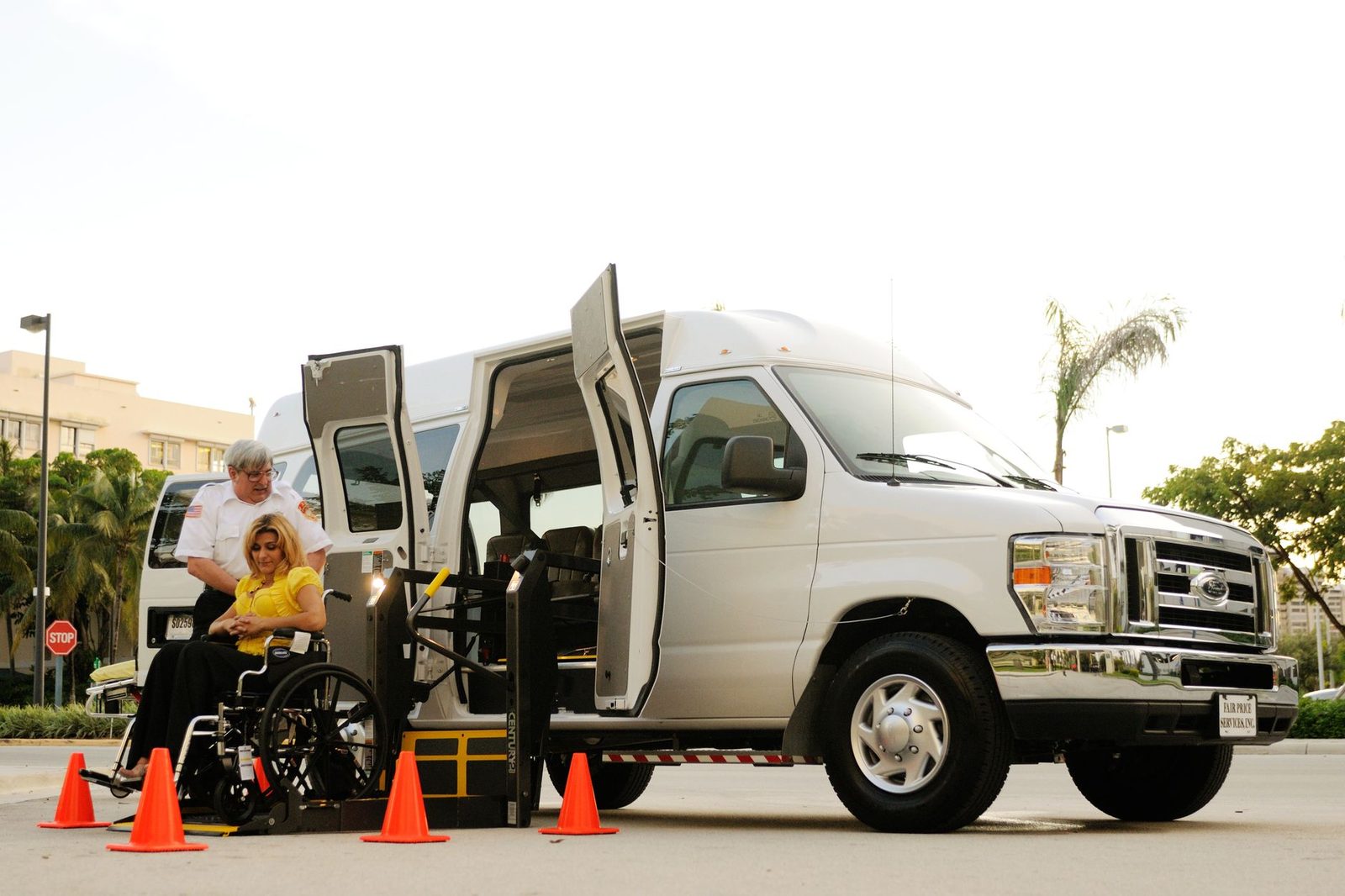
How Our Marietta Team Approaches Catastrophic Injury Cases
Slam Dunk Attorney is a personal injury firm based in Duluth, Georgia. It represents people hurt in car, truck, motorcycle, rideshare, pedestrian, dog bite, and premises accidents across metro Atlanta and Georgia, including Marietta.
Peter F. Jaraysi is the responsible lawyer for this page. Brian D. Wright is also one of the firm’s lawyers. Our lawyers are supported by assistants and office staff.
On catastrophic cases, our team focuses on gathering medical records and documenting long-term needs. We keep the injured person and family informed. Every case is different, so no result can be promised or predicted.
Frequently Asked Questions
What counts as a catastrophic injury?
It is a serious harm, often permanent, that changes how a person lives, works, or cares for themselves.
Do I need to give notice before suing Marietta?
Yes. Georgia requires a written claim to the city’s governing authority within six months.
Can a family file a wrongful death claim?
Yes. A surviving spouse, or children if there is no spouse, may recover the full value of the decedent’s life, as shown by the evidence; the amount recovered is equally divided, share and share alike, among the surviving spouse and the children per capita, and the surviving spouse receives no less than one-third.
If a serious injury has changed your daily life or a loved one’s, and you’re deciding whether to act now, request a free consultation. Our first consultation is free, confidential, and comes with no obligation to continue.
Attorney advertising. Responsible lawyer: Peter F. Jaraysi, Slam Dunk Attorney, Duluth, Georgia. Contact us through our contact page. This page is general information, not legal advice. Each case turns on its own facts.
How our team supports families facing catastrophic injuries
Plain-language answers
We explain the legal process in terms you can understand, so you know what to expect at each step.
Support for the whole family
Catastrophic injuries affect spouses, children, and caregivers too. We take time to hear how the injury has changed daily life.
Careful review of the facts
Our lawyers look closely at medical records, police reports, and other evidence to understand what happened.
Compassion first
We know these cases are stressful. We aim to be patient, respectful, and clear about every decision ahead.
Claims involving a city may have special requirements
When a city, county, or other government entity may share responsibility, Georgia law can include special notice requirements. Contact us early so we can review your situation and explain what applies to your case.
Types of catastrophic injuries we handle
Spinal cord injury and paralysis
Injuries to the spinal cord can affect movement, sensation, and independence, often requiring long-term medical care and home modifications.
Traumatic brain injury
Brain injuries can change memory, mood, speech, and the ability to work, sometimes in ways that take months or years to fully understand.
Amputation
Losing a limb affects mobility, employment, and daily routines, and may require prosthetics, rehabilitation, and ongoing care.
Severe burns
Serious burns can involve repeated surgeries, scarring, pain management, and lasting effects on work and appearance.