
Catastrophic Injuries | Alpharetta, Georgia
Facing a Life-Changing Injury in Alpharetta? You Don't Have to Sort It Out Alone
Serious injuries affect your health, your work, and the people who depend on you. Here is how our team approaches these cases, step by step.
By Peter F. Jaraysi · Published November 12, 2026
Catastrophic Injuries in Alpharetta: What Georgia Families Should Know
Catastrophic injuries in Alpharetta are severe harm that often lasts for life and changes how a person lives, works, and cares for family. In Alpharetta, these injuries often follow a crash on a busy road, a fall on someone else’s property, or a dog attack. This guide explains what makes an injury catastrophic, the Georgia rules that often apply, and what to do next. Slam Dunk Attorney is based in Duluth, Georgia, and represents people hurt in these situations across metro Atlanta.
Not sure what your next step is?
Talk it through with our team — the first consultation is free, confidential, and carries no obligation.
What makes an injury catastrophic?
A catastrophic injury is harm that is severe, usually permanent or long-lasting, and that reshapes daily life. It goes well beyond the first hospital stay. It can affect work, family roles, and the ability to care for yourself or your children.
Most catastrophic injuries share a few features. They cause long-term impairment. They need ongoing medical care, rehabilitation, and adaptive equipment. Families often pay for home changes, such as ramps or wider doorways. The injured person may also lose the ability to earn a living the way they once did.
Severity is judged on the medical and functional facts of each case. That’s why the diagnosis and the treating doctors’ records matter early. Notes about what a person can and cannot do now often tell the story as clearly as the scans. Georgia law also separates losses the law presumes from losses that must be proved. General damages can be recovered without proof of an exact amount. Special damages, such as bills and lost wages, must be proved.
Spinal cord injuries and paralysis
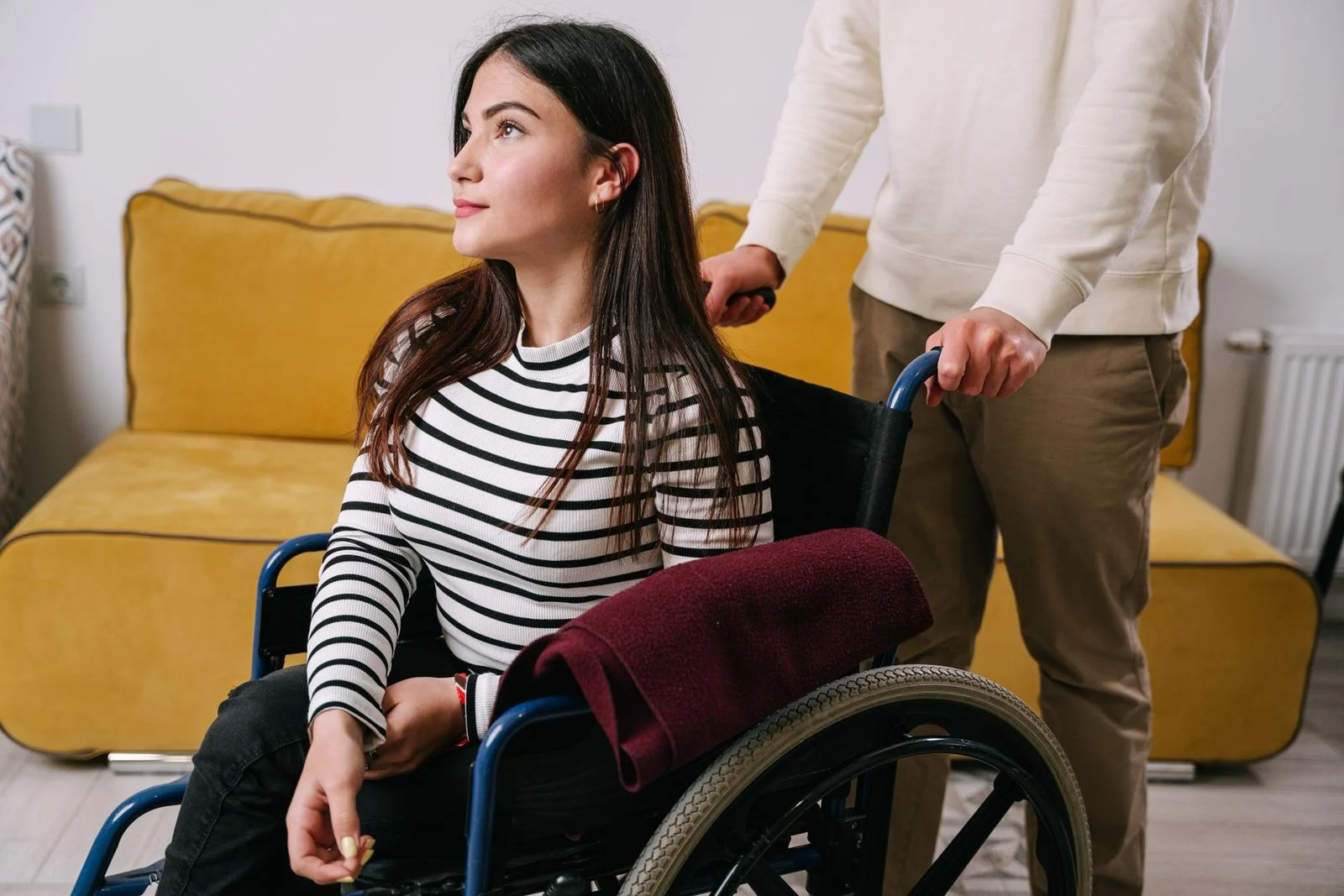
A spinal cord injury can cause partial or complete paralysis. Where the injury sits on the spine shapes what a person can do afterward. That’s why the medical records should describe the injury level in detail.
Early medical treatment matters. So does a steady record of care. Gaps in treatment can make it harder to show the full course of the injury. Families should keep every appointment, therapy session, and discharge paper.
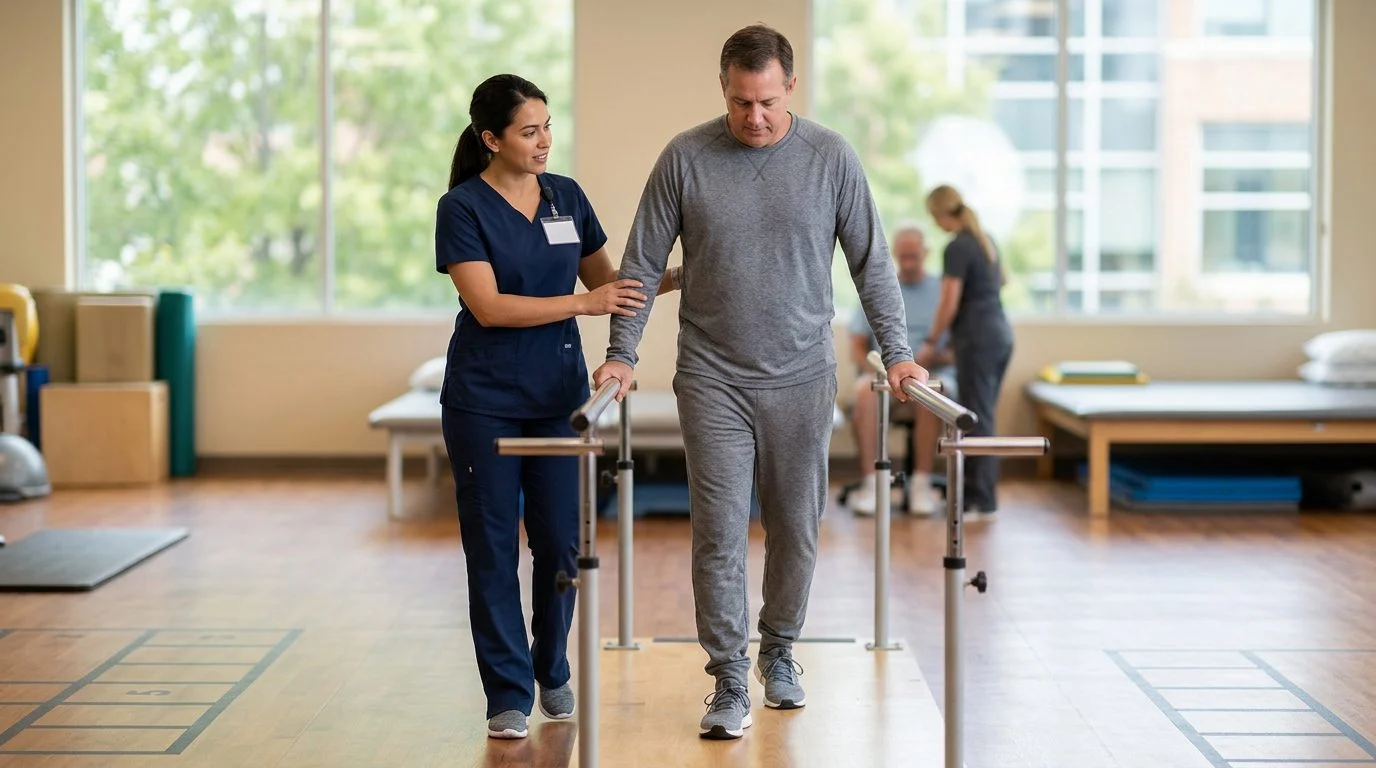
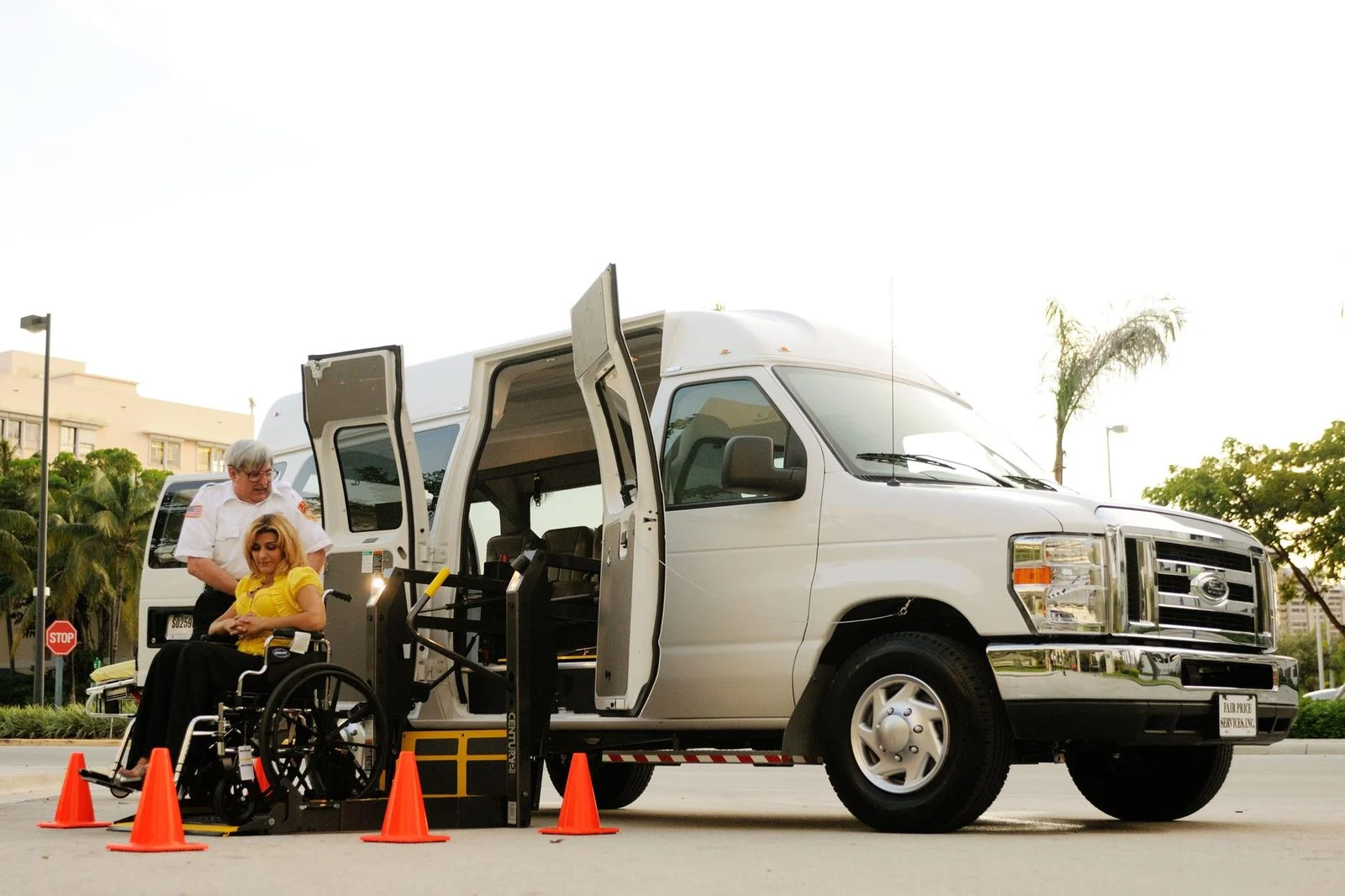
Rehabilitation often continues for years. Wheelchairs, lifts, and modified vehicles are common needs, and each one carries a cost. Home changes, such as bathroom modifications or a stair lift, often come after the patient leaves the hospital.
Here is a practical step many families skip. Keep a simple, dated daily log of what the injured person can and cannot do. A log like this shows how the injury affects ordinary life, not just the diagnosis.
Traumatic brain injuries
A traumatic brain injury can affect memory, speech, balance, mood, and the ability to work. Symptoms may appear days or weeks after a crash, or they may change over time. Some people look fine on the outside while daily life has changed a great deal.
Imaging and neurological testing alone may not capture every effect. Follow-up care and a clear record of daily limits matter for that reason. Families often notice changes in personality, patience, or concentration before doctors do.
Write those changes down with dates. Note missed work, forgotten appointments, headaches, and trouble finishing tasks. Keep the notes factual. Plain, dated observations are easier for doctors, insurers, and courts to follow.
Georgia’s public health department publishes injury statistics on falls, including traumatic brain injuries. Falls are one of the many ways these injuries happen.
Amputations and severe burns
An amputation often needs surgery, a prosthetic fitting, follow-up procedures, and retraining. Severe burns often need skin grafts, infection care, scar treatment, and long therapy. These costs and needs continue long after the first hospital stay.
Keep every bill, receipt, and treatment note. Also keep a log of mileage to appointments and any prescriptions or supplies. These records help prove special damages, which Georgia law says must be proved.
Ask the treating team for a written summary of the care plan. A written plan shows what care is expected next. It also helps the family budget for what’s coming.
Burns and amputations can also change work. A person who used their hands for a trade may need a new job path. A note from the employer about lost hours or changed duties helps show lost earning ability.
Alpharetta crashes and the roads that carry them
Serious crashes in Alpharetta often happen on busy corridors. Commuter, shopping, and interstate traffic mix on GA-400, Old Milton Parkway, North Point Parkway, Windward Parkway, and Kimball Bridge Road. Drivers share these roads with commercial trucks, motorcycles, bicyclists, and people on foot.
Each type of crash raises different questions about who is responsible. A truck crash may involve both a driver and a company. A motorcycle crash may involve a driver who did not see the rider. Georgia law says every driver must exercise due care to avoid colliding with any pedestrian upon any roadway.
The Georgia State Patrol investigates crashes with major injuries. The Georgia Department of Public Safety says victims and family members can get help with the status of an investigation.
The firm is based in Duluth, Georgia. It handles car, truck, motorcycle, and pedestrian crash claims for people in Alpharetta and across metro Atlanta.
Not sure what your next step is?
Talk it through with our team — the first consultation is free, confidential, and carries no obligation.
Hit-and-run in Georgia: is it a misdemeanor?
Whether a hit-and-run is a misdemeanor or a felony depends on the facts of the crash. Criminal charges and a civil injury claim are separate tracks. The criminal case moves on its own path. The civil claim seeks money for the harm done to the victim.
Timing matters here. Don’t assume the pause fits your case. Plan around the basic two-year deadline.
Hit-and-run crashes can also leave victims without an identified driver. That can change which insurance coverage may apply. These questions are worth reviewing early, while the details are fresh.
Other catastrophic injury settings we handle
Catastrophic harm comes from many settings. The firm handles truck accidents, motorcycle accidents, and pedestrian accidents. It also handles rideshare accidents involving Uber or Lyft, dog bites, premises liability, slip and fall injuries, negligent security, short-term rental injuries at Airbnb and VRBO properties, nursing home abuse, and wrongful death.
Owners and occupiers of land must use ordinary care to keep premises safe for people they invite in. An owner who keeps a vicious or dangerous animal may be liable for injuries caused by careless management or a loose animal.
Georgia law limits when a ride share network service can be held liable for a driver’s operation of a car. Those limits include conditions such as the company’s own negligence.
Under Georgia’s wrongful death law, a surviving spouse may bring a claim for the death of a spouse. If there is no surviving spouse, a child or children may recover. The recovery is the full value of the life of the decedent, as shown by the evidence.
Georgia deadlines and fault rules to know now
In most Georgia injury cases, the general deadline is two years. The clock runs from when the right of action accrues, which is usually the injury date. Loss of consortium claims, which involve a spouse’s loss of companionship and support, have four years. See the Georgia injury deadline statute.
Georgia also uses a fault rule. Under Georgia’s modified comparative fault rule (O.C.G.A. § 51-12-33), any damages you are awarded are reduced in proportion to your share of the fault, and if you are found 50% or more at fault, you cannot recover damages at all. Fault can also split among several parties, and each liable person pays only its own share. See Georgia’s fault apportionment rule.
Fault disputes often start in the first days after a crash. Witnesses, photos, and vehicles can be hard to find later. An early review helps protect that evidence.
What the free first consultation covers
The first consultation is free, confidential, and carries no obligation to continue. It gives you a chance to ask questions before you decide anything.
Bring what you have. That includes the crash or incident report, medical records and discharge papers, photos of the scene and injuries, insurance information, and names of any witnesses. Missing items are fine. The team can help you sort out what’s needed.
The team reviews the injury, the medical picture, and the timeline. Then it explains your options under Georgia law in plain language. Peter F. Jaraysi is the responsible lawyer for this page. Brian D. Wright is also a lawyer with the firm. Support staff from the Duluth office help with case work.
Common questions
What makes an injury catastrophic?
It is severe harm that is often permanent and changes how a person lives and works.
Is hit-and-run a misdemeanor in Georgia?
It turns on the details of the crash, and any criminal charge is separate from a civil claim.
How long do I have to file?
Georgia’s general deadline for actions for injuries to the person is two years, except as otherwise provided in this article, and injuries to the reputation must be brought within one year, and loss of consortium claims have four years (O.C.G.A. § 9-3-33).
Can I recover if I was partly at fault?
Talk with our team about catastrophic injuries in Alpharetta
If your loved one can’t walk, work, or care for themselves after a crash, fall, or attack in Alpharetta, the next decisions can’t wait. Contact our Duluth office through the contact page and ask for a first consultation.
Attorney advertising. Responsible lawyer: Peter F. Jaraysi, Slam Dunk Attorney, Duluth, Georgia. Contact: contact page. Past or other results do not predict the outcome of any case.
How Our Team Supports Families Facing Catastrophic Injuries
Attention to the whole picture
Catastrophic injuries affect medical needs, daily living, income, and family roles. We look at all of these, not just the crash itself.
Patient, steady communication
Our lawyers keep you informed at each stage so you always know what is happening and what comes next.
Focus on protecting your claim
We work to preserve evidence, gather records, and address the parties and insurers responsible for your losses.
Respect for your recovery
Your health comes first. We coordinate around your treatment schedule and your family's needs.
Injuries We Handle Across Metro Atlanta
Spinal cord injury and paralysis
Damage to the spine can change mobility, independence, and long-term care needs. We help families understand the full scope of these losses.
Traumatic brain injury
Brain injuries can affect memory, mood, and the ability to work. Their effects often appear over time, which is why careful documentation matters.
Amputation
Losing a limb affects everyday tasks, employment, and quality of life. We work to account for prosthetics, therapy, and future care.
Severe burns
Burn injuries bring painful treatment, scarring, and extended recovery. We help clients gather the medical and financial records that tell the full story.
Wrongful death
When a family loses someone because of another party's negligence, our team listens with care and handles the legal details on their behalf.
Keep Track of Your Care
Save copies of medical records, bills, receipts, and notes about how the injury affects your daily life. Avoid posting about the accident on social media, and speak with a lawyer before giving a recorded statement to an insurance company.