
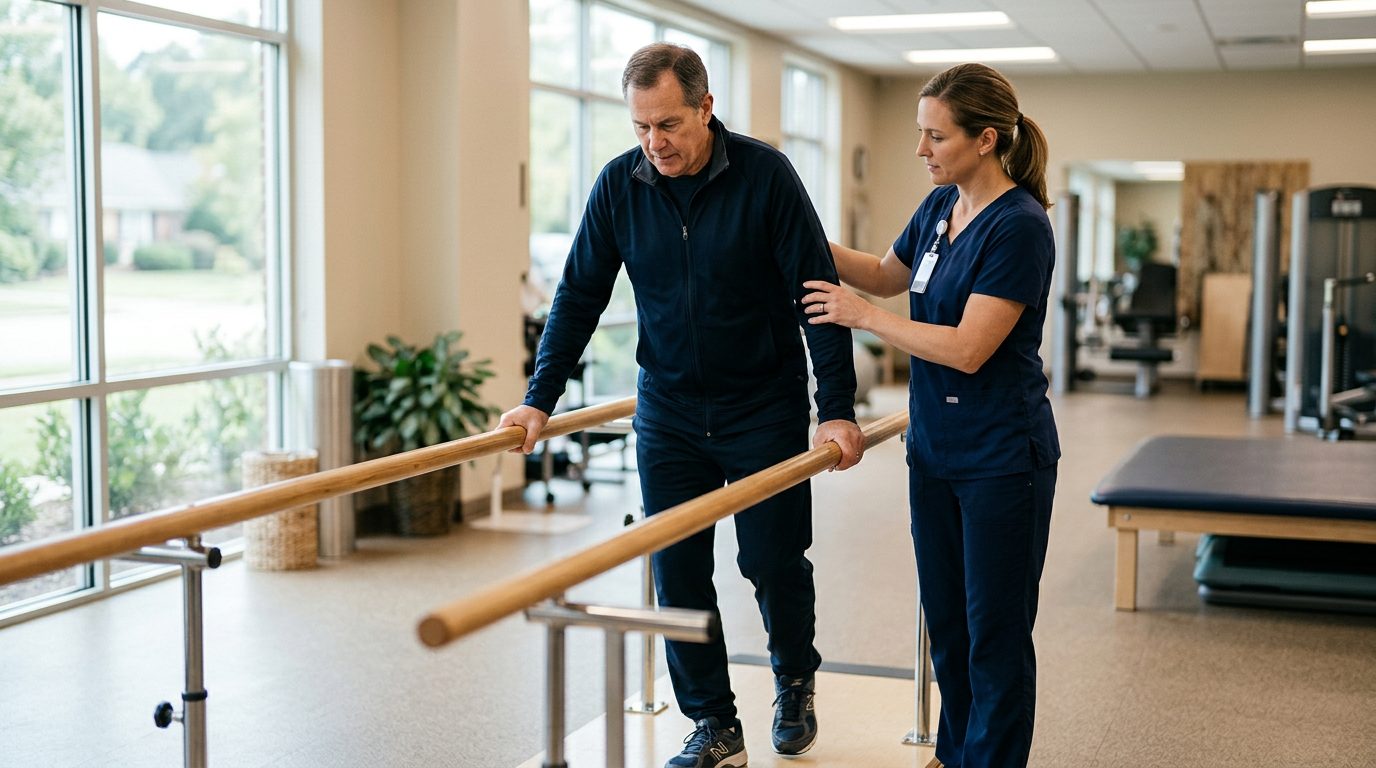
Catastrophic Injuries · Dunwoody, Georgia
Catastrophic Injuries Dunwoody: What Georgia Families Know
Plain-language answers for Dunwoody families dealing with spinal cord injuries, traumatic brain injuries, amputations, severe burns and wrongful death. Our firm focuses on serious injury cases across metro Atlanta and Georgia.
By Peter F. Jaraysi · Published October 25, 2026
A catastrophic injury is a serious injury that causes lasting harm and often changes how a person lives, works, and cares for themselves. This guide covers catastrophic injuries in Dunwoody, Georgia. It explains what the term means, how these injuries happen near Perimeter Center, who may be responsible, and the deadlines that apply.
What Counts as a Catastrophic Injury?
A catastrophic injury is one that causes serious, lasting harm. The term describes the injury and its impact on daily life. It is not a legal promise of any result.
Our firm handles four main categories:
- Spinal cord injury and paralysis. Damage to the spinal cord can cause loss of movement or feeling in part of the body.
- Traumatic brain injury. A blow or jolt to the head can change memory, speech, balance, or behavior.
- Amputation. Losing a limb can require surgery, prosthetics, and long rehabilitation.
- Severe burns. Deep burns often need repeated surgeries, skin grafts, and long hospital stays.
What sets these claims apart from minor injury claims is the long tail. Medical care, therapy, equipment, and changes at work or at home can continue for years. Those future needs shape how a case is documented from the start.
If a loved one in Dunwoody has a spinal cord injury, brain injury, amputation, or burns, our team can review the facts with you on a free, confidential call. Talk it through with our team — the first consultation is free, confidential, and carries no obligation.
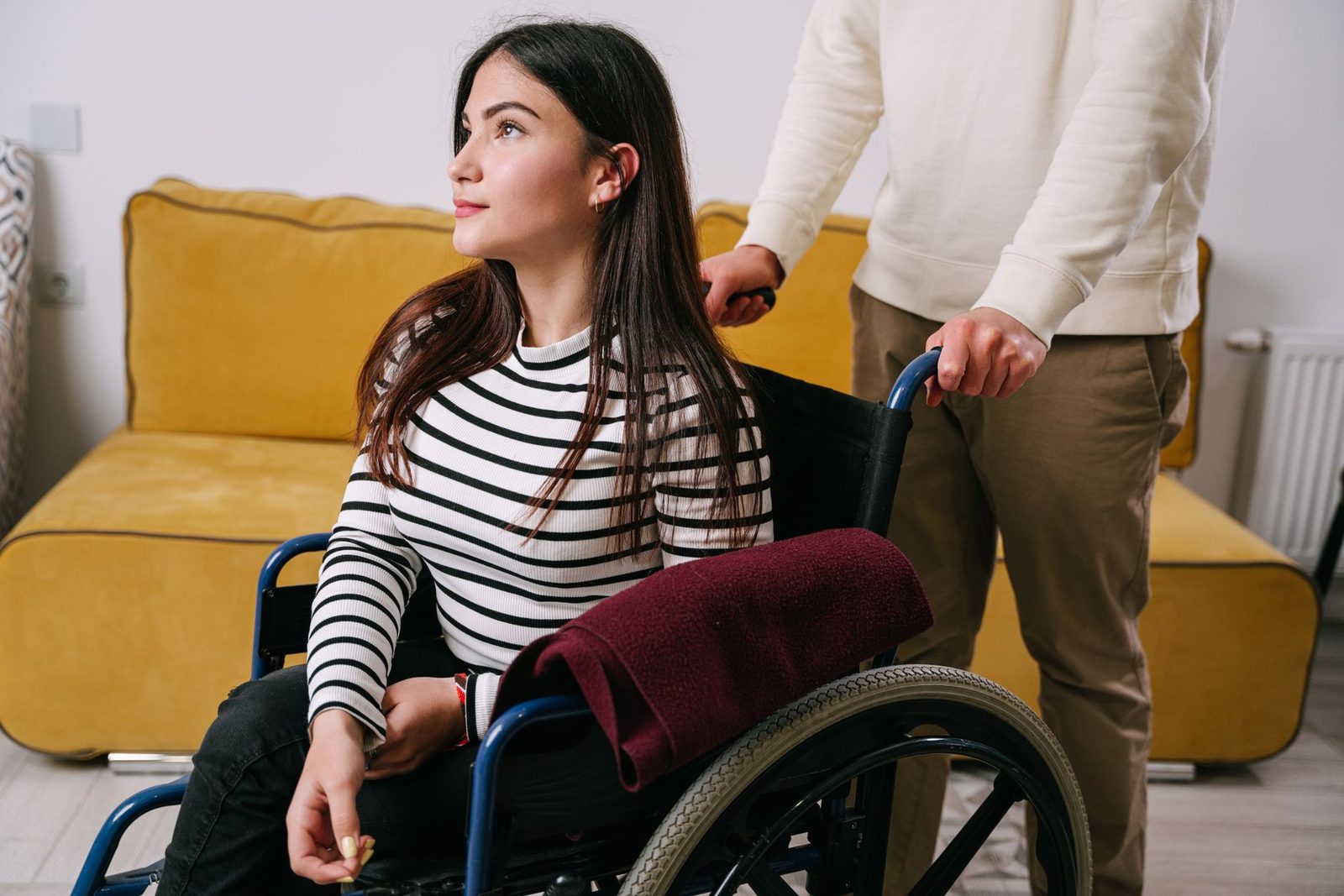
How Catastrophic Injuries Happen in Dunwoody
Most catastrophic injuries come from high-force events. These include serious vehicle crashes, falls, and attacks on property that was not kept safe. Our firm handles:
- Car, truck, and motorcycle collisions
- Pedestrian accidents
- Rideshare crashes involving Uber or Lyft drivers
- Slip and falls and other premises liability injuries
- Injuries at short-term and vacation rentals booked through Airbnb or VRBO
- Negligent security incidents, where the attack was foreseeable
A serious crash can cause spinal or brain injury even when the vehicle damage looks moderate. A body can strike a window, pillar, or pavement with great force. Under O.C.G.A. § 40-6-93, every driver must exercise due care to avoid colliding with any pedestrian on a roadway. The Georgia injury prevention program also covers fall-related injuries, including traumatic brain injuries.
Dunwoody Roads and Areas Where Serious Injuries Occur
Serious injury crashes in Dunwoody often involve heavy commuter traffic. That traffic concentrates around Perimeter Center, a commercial hub that draws drivers, delivery trucks, and shoppers into a small area. Interstate 285 and Georgia 400 run near the city, and busy arterial roads carry commuters between them.
Heavy trucks, high speeds, and congested merges can raise the risk of a serious collision on these routes. Trucks need more distance to stop, which matters when traffic slows suddenly. Depending on where it happens, a serious crash may be investigated by local police, the county, or the Georgia State Patrol.
If your injury happened on a Dunwoody street or in a shopping area, write down the exact location, the time, and the lanes or entrances involved. Our firm represents people in Dunwoody, Atlanta, Lawrenceville, Johns Creek, Alpharetta, Marietta, Norcross, and Kennesaw, and across Georgia.
Who May Be Responsible for a Catastrophic Injury
Responsibility depends on the facts of each case, and more than one party can share it. Possible parties include:
- At-fault drivers. The driver whose carelessness caused the crash may be liable.
- Employers. Under O.C.G.A. § 51-2-2, a person is liable for torts committed by a servant within the scope of the person’s business.
- Trucking companies and brokers.
- O.C.G.A. § 40-1-201 limits when a ride share network service is liable for injury or property damage caused by a ride share driver’s operation of a personal passenger car. O.C.G.A. § 40-1-201 reads: “(a) No ride share network service shall be liable under any theory of liability, including, but not limited to, vicarious or product liability, for any injury to persons or damage to property from the operation of a personal passenger car by a ride share driver by reason of owning, operating, or maintaining a digital network or internet network to connect passengers to ride share drivers for the purpose of prearranged transportation for hire or for donation, provided that.” The limit applies only if there has been no negligence or criminal misconduct by the ride share network service, the service complies with the requirements of this part and other provisions required by law, and it conducts or causes to be conducted a criminal background check, or obtains a private background check certification, for each ride share driver at least once every two years. Insurance rules in O.C.G.A. § 33-1-24 also matter. A personal vehicle insurer may exclude coverage while a driver is logged on to the network.
- Owners and occupiers who, by express or implied invitation, lead others onto their premises for any lawful purpose must use ordinary care in keeping the premises and approaches safe, under O.C.G.A. § 51-3-1.
- Security operators. Negligent security claims require proof under O.C.G.A. § 51-3-51. That includes proof that the wrongful conduct was reasonably foreseeable.
Early evidence can matter. Keep photos, witness names, and the incident report. Save any text messages or emails about the event.
Medical Care, Records, and Long-Term Needs
Following your doctor’s treatment plan protects your health and your claim. Keep every appointment with surgeons, therapists, and rehabilitation providers. If you miss a visit, write down why.
Medical records, imaging, therapy notes, and bills show how the injury affected you. Ask each provider for copies as you go. Your records should also show future needs, such as surgery, medication, equipment, and home changes like ramps or bathroom modifications.
Keep a simple daily log. Note your pain, sleep, tasks you can’t do, missed work, and changes in family roles. A log turns memories into dated facts. Start it in the first week.
Georgia Filing Deadlines and Fault Rules
Georgia generally allows two years to file a lawsuit for an injury to a person. Under O.C.G.A. § 9-3-33, those actions must be brought within two years after the right of action accrues. Loss of consortium, meaning a spouse’s loss of companionship and the marriage relationship, has a four-year limit under the same statute.
Georgia also uses a modified comparative fault rule. Under O.C.G.A. § 51-12-33, the trier of fact, usually a jury, sets the injured person’s percentage of fault. The judge then reduces the award by that percentage. If the injured person is 50 percent or more responsible, the statute bars any damages. Each liable person pays only its own share, and those shares are not joint.
Waiting makes proof harder. Memories fade and witnesses move. Check your deadline early.
Not sure what your next step is?
Talk it through with our team — the first consultation is free, confidential, and carries no obligation.
Coping as a Family After a Serious Injury
The injured person is not the only one affected. Spouses, parents, adult children, and friends often become caregivers almost overnight. Plan for rest, and let others share daily tasks. Caregiver stress is real, so talk with your own doctor if it builds.
Georgia law also addresses families after a death. Under O.C.G.A. § 51-4-2, a surviving spouse, or if there is none, a child or children, may recover the full value of the decedent’s life, as shown by the evidence. Our firm also handles wrongful death and nursing home abuse matters, which affect families in similar ways.
Talk With Our Team About Your Dunwoody Case
Our firm offers a free first consultation. It is confidential and comes with no obligation to continue. Peter F. Jaraysi is the responsible lawyer for this page, and our team includes the firm’s lawyers, including Brian D. Wright.
Bring these items to your consultation:
- A short timeline of the incident
- Medical records or discharge papers
- Photos, witness names, and the incident report
- Insurance information for every vehicle or property involved
- Your written questions
Frequently Asked Questions
What is a catastrophic injury in Georgia?
It is a serious injury, such as spinal cord injury, traumatic brain injury, amputation, or severe burns, that causes lasting harm.
Can I recover damages if I was partly at fault?
Possibly.
Can a family recover after a fatal injury?
Under Georgia law, a surviving spouse, or children if there is no spouse, may recover the full value of the decedent’s life, as shown by the evidence.
If a loved one in Dunwoody has a spinal cord injury, brain injury, amputation, or burns, you don’t have to sort this out alone. Request your free, confidential consultation and our team will review the facts with you.
Attorney advertising. Responsible lawyer: Peter F. Jaraysi, Slam Dunk Attorney, Duluth, Georgia. Contact: slamdunkattorney.com/contact-us. This page is general information, not legal advice.
Why Dunwoody families contact us
Free first consultation
Your initial consultation is free, confidential and comes with no obligation to continue.
Attorneys and staff who take time to listen
Our lawyers, Peter F. Jaraysi and Brian D. Wright, and our support staff explain your options in plain language, at your pace.
Serving Dunwoody and metro Atlanta
We represent injured people and their families throughout Georgia, including residents of Dunwoody, Johns Creek, Alpharetta, Marietta, Norcross and Kennesaw.
Focused on serious, life-changing injuries
We understand that a catastrophic injury affects the whole household, from medical care to work, school and daily routines.
Protect your records from day one
Catastrophic injuries often involve long-term treatment, lost income and questions about future care. Keep copies of medical records, bills, photos and notes about missed work. Before giving a recorded statement to an insurance company, consider speaking with a lawyer first.
Common catastrophic injuries we discuss with families
Spinal cord injury and paralysis
Injuries to the spinal cord can change mobility, independence and the cost of everyday life, often for years.
Traumatic brain injury
Brain injuries can affect memory, speech, mood and the ability to work, and symptoms may appear weeks after an accident.
Amputation
Losing a limb brings surgery, prosthetics, rehabilitation and lasting adjustments to home life and work.
Severe burns
Burn injuries can require repeated surgeries, skin grafts and long recovery periods with ongoing medical needs.