
Personal Injury | Duluth, Georgia
Serious Injuries Raise Hard Questions. Get Clear Answers.
Plain-language guidance for people hurt on the road, on someone else's property or in a rental home, and for the families who are left to sort it all out.
By Peter F. Jaraysi · Published November 16, 2026
Who is responsible for serious property injury in Georgia? In most cases, the person or business that owns or controls the property can be held responsible if a dangerous condition was not kept reasonably safe. Other parties, such as contractors or security companies, may share responsibility depending on what they did or failed to do.
Being hurt on someone else’s property is frightening, and the legal questions can feel overwhelming. This guide walks through Georgia’s main rules in plain language. It is general information, not legal advice, and every case turns on its own facts.
What Georgia Law Says About Property Owners and Visitors
Georgia premises law generally expects an owner or occupier to use ordinary care to keep its property and approaches safe for people it invites in. In general terms, an owner or occupier who leads people onto its premises for a lawful purpose can be liable when a failure to use ordinary care causes an injury.
In plain terms, the owner has to act reasonably about the conditions on its property.
It owes reasonable care, and the question is whether that care was given.
Not sure what your next step is?
Talk it through with our team — the first consultation is free, confidential, and carries no obligation.
What Premises Liability Means and the Types of Cases It Covers
Premises liability is a claim against the party that controls a property when a dangerous condition there causes an injury. The word “premises” refers to land and the buildings on it.
Common examples include:
- Slip and fall accidents on wet, waxed, or freshly mopped floors
- Trips on torn carpet, uneven flooring, or broken stairs
- Falling objects from shelves or unstable displays
- Poor lighting in parking lots, stairwells, or hallways
- Broken railings, loose boards, or unrepaired balconies
Some premises claims overlap with other areas. Negligent security involves injuries caused by a third person’s crime on the property. Short-term rental injuries, such as those at an Airbnb or VRBO property, can raise premises questions about who controlled the space.
Some of these injuries are catastrophic. Some head injuries are serious even when they seem minor at first. That is why prompt medical evaluation after a fall matters. For a broader look at serious injury claims, see our catastrophic injury overview.
Who Can Be Held Responsible for a Serious Property Injury in Georgia
The owner, the occupier, or another party that controlled the dangerous area can be held responsible. Many claims involve more than one party.
Property owners hold title to the property. An owner that has not given up control of a hazardous area may still be responsible for it.
Occupiers are the people or businesses in day-to-day control of the space. A store in a leased suite, a tenant living in a home, or a property manager acting for the owner can all be occupiers.
Who may be responsible for a hazard depends on the facts of each situation. Under O.C.G.A. § 51-2-5, an employer can be liable for a contractor’s negligence in listed situations. One example is when the employer keeps the right to direct or control the time and manner of the work.
Landlords are treated differently. Whether a landlord is responsible often depends on who had possession and control of the space when the hazard existed.
How Visitor Status Changes the Claim: Invitees, Licensees, and Trespassers
Why someone was on the property often changes what the owner owed. Georgia law sorts visitors into groups, and the labels matter.
Invitees are people the owner invites or leads onto the property for a lawful purpose, such as shoppers or guests at a business. The ordinary-care duty described above applies to this group.
Licensees are people allowed on the property only for their own interests, convenience, or gratification, such as a neighbor visiting a friend. The duty owed to a licensee is generally narrower than the duty owed to an invitee.
Visitor status is often disputed. Insurers and defendants may argue that a person was a licensee or trespasser instead of an invitee. What counts depends on the facts of each visit, including why the person was there and what the owner invited them to do. Keep anything that shows your reason for visiting, such as a receipt, an appointment, or a message.
Proving Who Knew About the Hazard
Knowledge of the hazard is often central to these cases.
Knowledge can show up in different ways. A written complaint, a prior injury, or a repair request can show that the owner knew about a problem. A condition that lasted long enough for a reasonable inspection to find it may also matter.
Records often tell the story. Maintenance logs, inspection schedules, incident reports, cleaning checklists, and prior complaints can show what the owner was doing about the area. Ask for an incident report in writing and keep any copy you receive.
The injured person’s own awareness matters too. Whether a danger was open and obvious is one question that can come up when reviewing a premises case. In negligent security cases, the owner’s knowledge of prior similar incidents is often a key question.
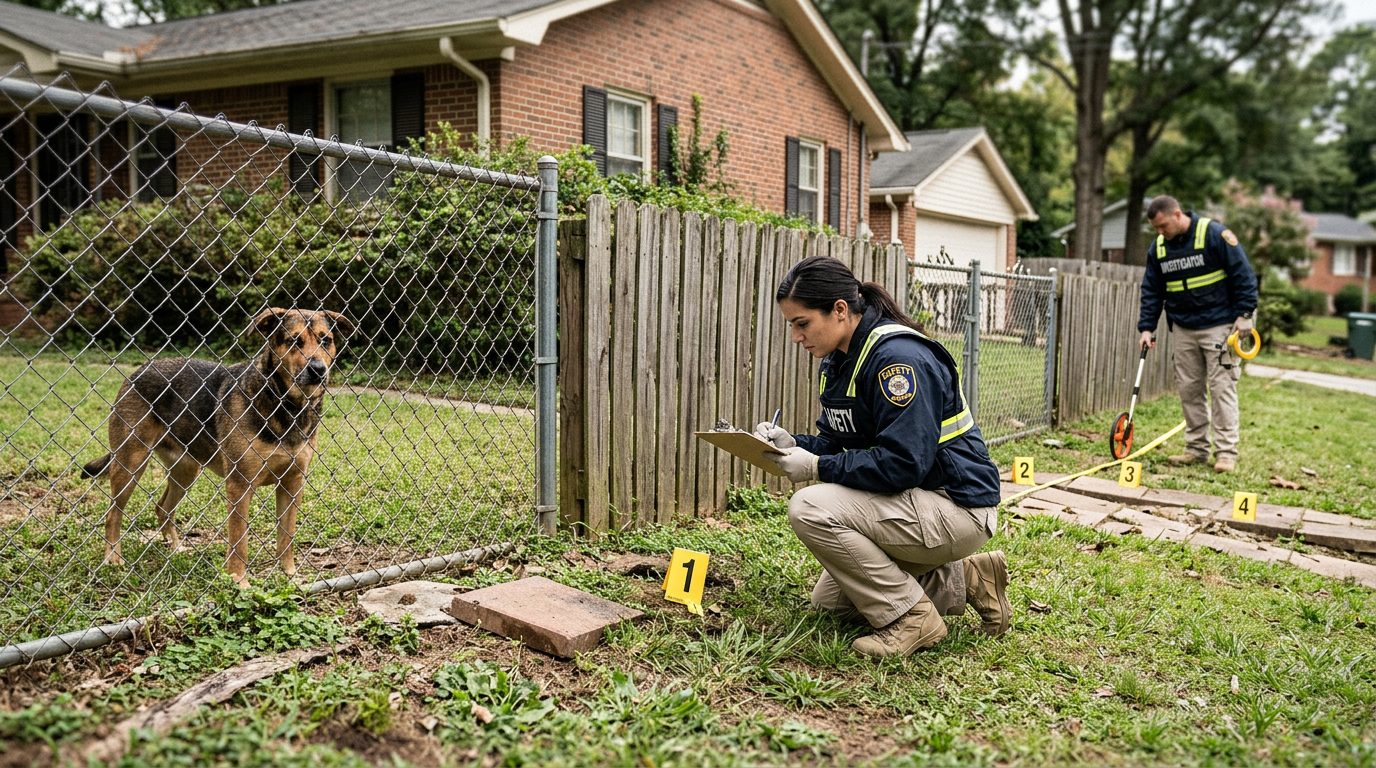
When a Child Is Hurt on Someone Else’s Property
Children hurt on property they do not own may have questions about a claim.
Fencing, warning signs, and whether the owner knew children were nearby can all be part of the picture.
Keep copies of medical records, bills, and any messages with the property owner from the first day onward.
Head injuries in children can be serious and can range widely in severity. Medical follow-up is important, even when a child seems to recover quickly.
Not sure what your next step is?
Talk it through with our team — the first consultation is free, confidential, and carries no obligation.
Negligent Security and Injuries Caused by Third Parties
Not every crime on a property makes the owner liable.
In these cases, the injured person generally must show that the third person’s wrongful conduct was reasonably foreseeable and that the owner or occupier failed to use ordinary care in a way that was a proximate cause of the injury. Prior similar incidents that the owner actually knew about can be important proof of foreseeability.
The injured person may also need to show that the wrongdoer took advantage of a specific physical condition of the premises known to the owner or occupier, such as broken locks, dark corners, or a gate that never latches. Those conditions matter when they created a risk substantially greater than the general risk nearby.
What security measures were in place, and whether more were practical, is usually a central question.
How Shared Fault Affects Who Pays
Georgia reduces an injured person’s damages by their share of fault. Under O.C.G.A. § 51-12-33, the judge reduces the award in proportion to the injured person’s percentage of fault.
The same statute bars recovery entirely when the injured person is 50 percent or more responsible for the injury or damages (O.C.G.A. § 51-12-33; Quynn v. Hulsey (2020)). This is often called modified comparative negligence, or shared fault.
When more than one person is liable, the award is divided among them by each person’s share of fault. Each liable person pays its own apportioned share. Those shares are not joint liability.
Insurance companies and defendants often argue that the injured person shares the blame. A clear, accurate account of what happened, given early, helps keep the facts straight.
Deadlines to Know: Injury Time Limits in Georgia
Georgia sets time limits for filing lawsuits, and the deadline for an injury claim can differ depending on the type of claim. Missing a deadline can end a claim.
Some claims involve special circumstances, so early review helps. Write down the date of the incident today and keep it with your records. Protect that date.
Practical Steps That Help Protect Health and Legal Rights
The first steps are medical care, a written report, and careful records. These steps protect your health and your ability to explain what happened.
- Get medical attention promptly. Even when injuries seem minor, get checked. Follow every referral and keep every record of treatment.
- Report the hazard in writing. Tell the owner or manager, and ask for an incident report. Keep a copy.
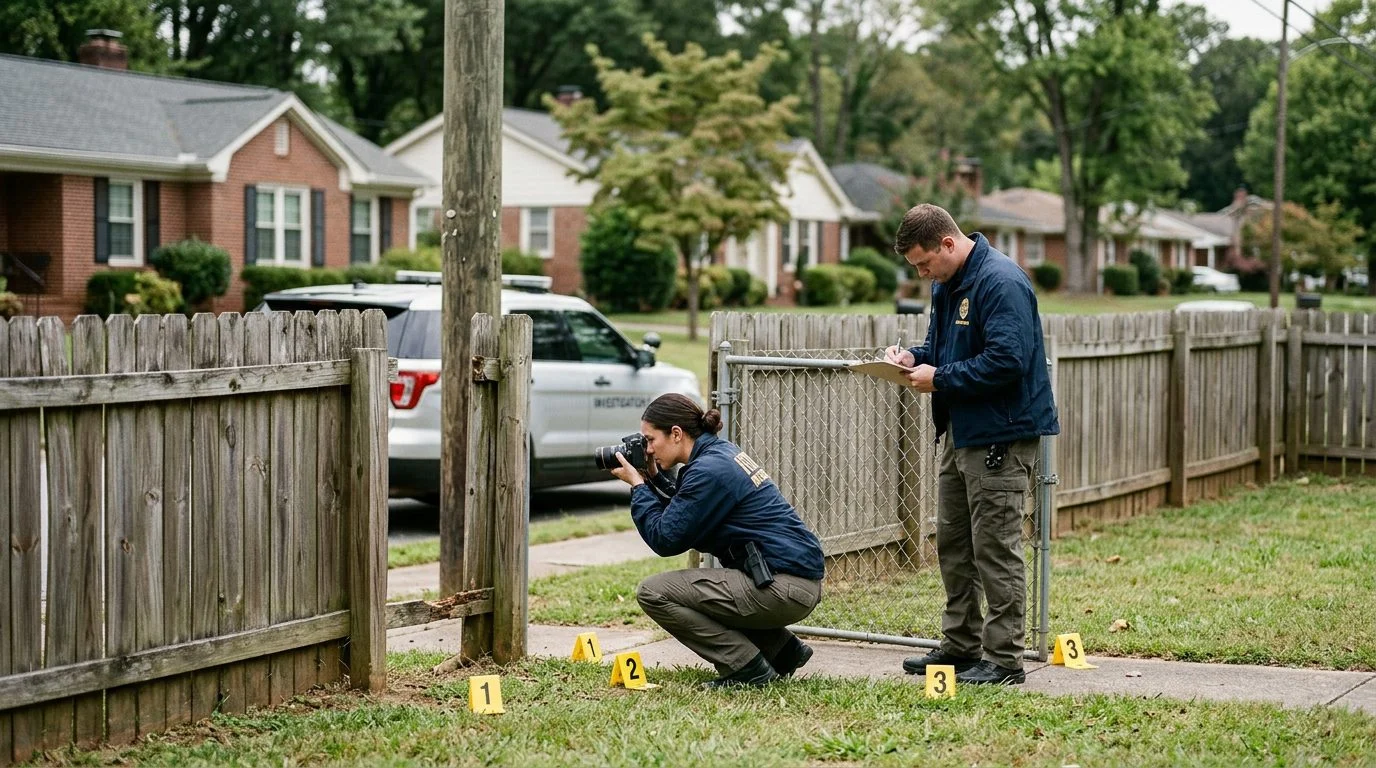
- Photograph the scene. Capture the hazard, the surrounding area, the lighting, and any visible injuries as soon as it is safe. Note the names of any witnesses.
- Keep a paper trail. Save receipts, list out-of-pocket costs, and keep a daily journal of pain, missed work, and limits on daily activities.
- Slow down on recorded statements. Before giving a recorded statement to an insurance adjuster, understand your rights and the full extent of your injuries.
Talk With Our Team About Your Situation
If you are reading this while a loved one is in the hospital, or while you are still recovering, you are carrying a lot right now. Questions about fault, deadlines, and who pays can feel like one more weight.
Frequently Asked Questions
Who is responsible if someone gets hurt on my property in Georgia?
The owner or occupier may be responsible if it failed to use ordinary care to keep the property safe. Other parties, such as contractors, may share responsibility depending on their role.
How long do I have to file a personal injury claim in Georgia?
Georgia sets time limits for filing injury lawsuits, and missing one can end a claim. Early review helps identify which dates may apply to your situation.
Can an Airbnb or VRBO host be responsible for an injury?
Short-term hosts and managers may face premises questions based on their control of the property and what they knew about a hazard.
If someone you care about was hurt on property they did not control, you do not have to work out who is responsible alone. Our team can talk through the property, the injury, and the dates that may apply in a free, confidential, no-obligation initial consultation (consulta inicial gratuita, confidencial y sin compromiso). You can reach us through our contact page.
Disclaimer: This page is general information, not legal advice. Reading it does not create an attorney-client relationship. Slam Dunk Attorney is based in Duluth, Georgia, and its lawyers represent clients in Georgia. The responsible lawyer for this page is Peter F. Jaraysi, who can be reached through the contact page. The firm does not give legal advice to people outside Georgia.
How we approach your case
Clear answers
We explain your situation and your options in plain language, without pressure.
Open communication
Our team keeps you informed as your matter moves forward.
Care for the whole person
We understand that a serious injury affects your health, your family and your finances.
Rooted in metro Atlanta
We represent people across metro Atlanta and throughout Georgia.
Protect your evidence early
Photos, medical records, incident reports and the names of witnesses can be hard to gather later. Keeping them organized helps us understand what happened.
Who may be involved
Property owners and managers
Injuries on homes, businesses and rental properties often involve the owner, the occupier, a property manager or a contractor. Each role is worth examining.
Drivers and their employers
Crashes involving cars, trucks and motorcycles can involve more than one driver, and sometimes a company.
Rideshare and rental platforms
Rideshare trips and short-term rental stays can involve drivers, hosts and the companies that run the apps.
Contractors and care providers
Construction crews, property service companies and nursing home operators may each play a role in what happened.