

Catastrophic Injuries | Duluth, Georgia
Home Modifications After a Catastrophic Injury in Georgia
A spinal cord injury, traumatic brain injury, amputation or severe burn can change how your home works. Here is how modifications fit into a catastrophic injury claim, and how our team can help you plan for them.
Your first step
Free
First consultation
Confidential
Private and secure conversation
No obligation
No duty to continue
By Peter F. Jaraysi · Published October 28, 2026
Many people searching for home modifications after catastrophic injury in Georgia have one main question: can the cost be recovered? Georgia law can allow the cost of necessary home changes to be part of an injury claim. Whether a particular change qualifies turns on the facts. This page explains how Georgia law treats these costs, how to document them, and what to gather now.
What Home Modifications Look Like After a Catastrophic Injury
Home modifications are physical changes that help an injured person live safely and move around their home. Common examples include ramps, widened doorways, roll-in showers, grab bars, lifts, and stairlifts. Some families also add smart-home controls, such as voice-activated lights or door locks, that cut down on trips across a room.
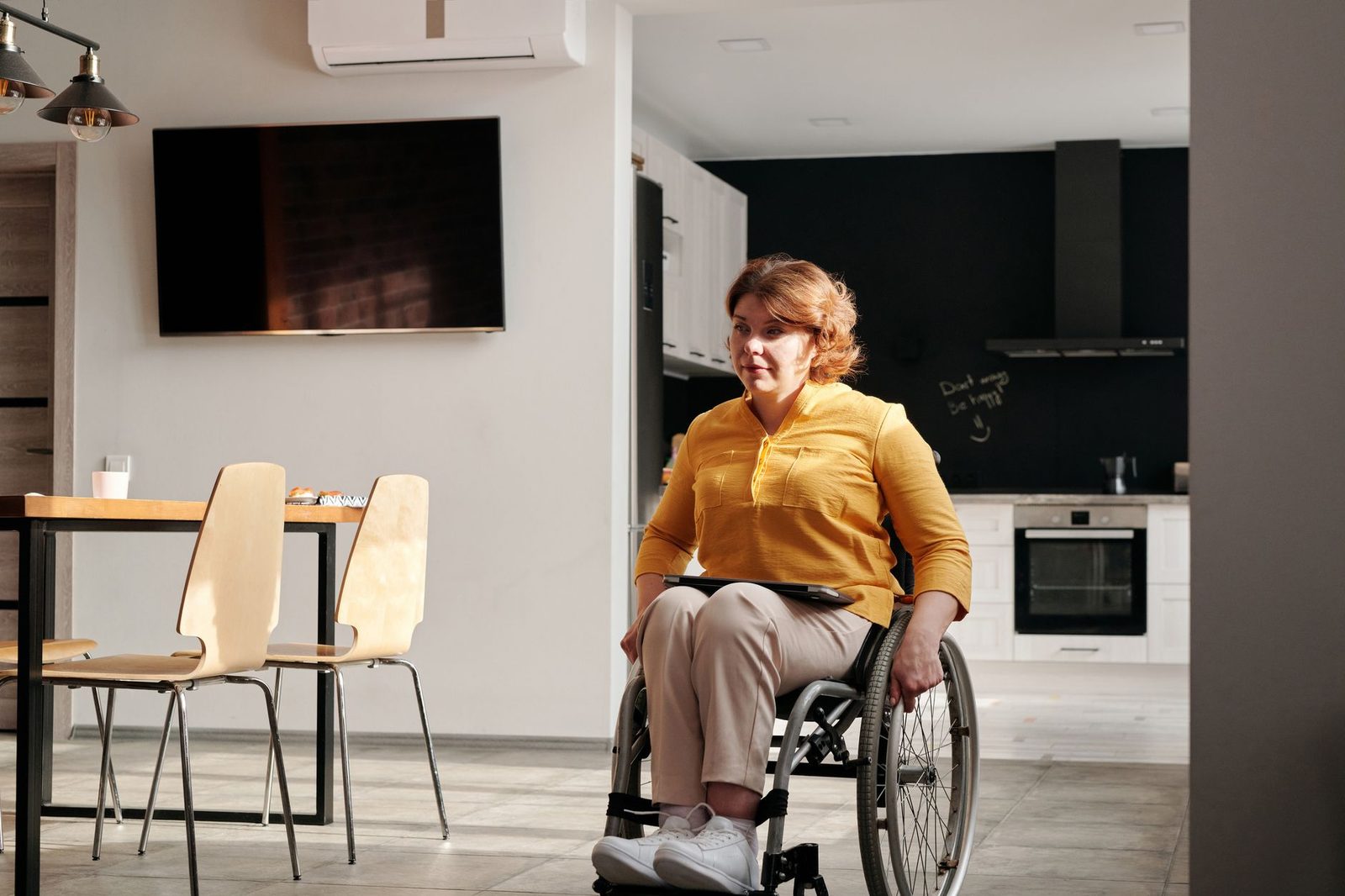
The right changes depend on the injury. Paralysis is a loss of muscle function, and it can result from catastrophic injuries such as a spinal cord injury or a broken neck (MedlinePlus). For many people with paralysis, the first need is wheelchair access. That often means a ramp at the entry, wider doorways, and a bathroom a wheelchair can reach.
Traumatic brain injury can range from mild to catastrophic (Brain Trauma Foundation). Changes after a brain injury often focus on safety. That can mean removing trip hazards, securing stairs, and simplifying the layout. After an amputation, changes often focus on mobility, transfers, and bathroom access. Burn injuries can call for water and room temperature control, gentle surfaces, and open space for frequent wound care.
If your family is planning ramps, a roll-in shower, or a lift after a serious injury, you don't have to sort out the costs alone. Our team is ready to talk it through with you. Talk it through with our team — the first consultation is free, confidential, and carries no obligation.
Why Home Changes Are Often a Long-Term Need
Home changes after a catastrophic injury are usually a long-term need, not a single purchase. Families often make them in stages over several years. A first ramp may come early. A lift or a different bathroom setup may follow when strength, balance, or stamina changes.
Recovery does not always move in a straight line. Researchers study how function changes over time after traumatic spinal cord injury, and which factors affect that recovery (spinal cord injury recovery research). A setup that fits today may need changes later. It helps to review the home after each major medical milestone.
The cost is not only the first build. Ramps need repairs, lifts need service, and equipment wears out and gets replaced. Georgia law lets the judge or jury, called the trier of fact, reduce future economic losses to present value. The trier of fact may use a 5 percent discount rate or another rate it considers appropriate (O.C.G.A. § 51-12-13). That means long-term home costs are measured against the years they cover.
Can Home Modification Costs Be Part of a Georgia Personal Injury Claim?
Georgia law can allow necessary home changes to be part of a personal injury claim, but whether a specific change qualifies depends on the facts. Georgia law says necessary expenses that follow from an injury are a legitimate item in the estimate of damages (O.C.G.A. § 51-12-7). A change that a doctor or therapist calls necessary for the injury fits that rule best.
General damages are presumed to follow from the harm. Special damages actually flow from it and must be proved (O.C.G.A. § 51-12-2). Medical costs are limited to the reasonable value of medically necessary care (O.C.G.A. § 51-12-1.1). Future care a doctor says will be needed can also be part of the claim.
The type of crash changes who pays. A car, truck, or motorcycle crash involves drivers and their insurers. A pedestrian, rideshare, dog bite, premises, negligent security, or nursing home matter each involves different parties and insurance sources. Our firm handles all of these claim types across metro Atlanta and Georgia.
Georgia’s general rule is two years to bring an action for injuries to the person (O.C.G.A. § 9-3-33). Evidence gets harder to collect over time. The deadline also keeps running while families focus on rehab.
How to Document the Need for Home Modifications
The best way to show a home change is needed is to tie it to medical records and professional recommendations. Start with physician orders, therapy assessments, and discharge planning notes. These records show what the injured person can and cannot do, and what the care team expects.
Next, gather evidence about the home itself. Keep written home evaluations from a therapist or contractor, along with written estimates and product quotes. Take before-and-after photos of doorways, steps, and bathrooms. Save every receipt and invoice for modifications, equipment, and installation. Without receipts, costs are harder to prove.
A family caregiver can add something records often miss. Keep a dated log of daily care needs, such as transfers, bathing, medication times, and trips that need help. Write one factual line per event. The log shows what the home must do every day.
Georgia law also lets either side challenge the reasonableness and medical necessity of treatment costs (O.C.G.A. § 51-12-1.1). A home change tied to a clear medical need is easier to support than one based on preference.
Future Care Costs and Changing Needs
Future care costs are usually estimated with input from treating providers. Home changes can be one part of that estimate. Ask providers to write down which future needs they expect and why. A written medical opinion carries more weight than an estimate built on guesses.
Repairs, lift replacement, and new equipment can all appear in future cost estimates. A ramp that needs a new surface, or a lift that needs yearly service, is a real cost of living at home. Needs also change when the injured person’s condition shifts. Update the plan when the medical picture changes, and keep earlier versions too.
Georgia law says that when a person has health insurance, including governmental workers’ compensation programs, the evidence must include both the amounts charged and the amounts actually necessary to satisfy those charges, regardless of whether the insurance has been or will be used (O.C.G.A. § 51-12-1.1). Insurance can therefore affect how medical costs are measured. The same statute covers letters of protection, where a provider treats now in exchange for a promise of payment from a future settlement. In those cases, the letter, itemized charges, and referral details are relevant and discoverable.
Other People and Sources That May Affect the Picture
Several other people and sources can affect how a home plan is paid for. A spouse may have a separate claim. Under O.C.G.A. § 9-3-33, except as otherwise provided in this article, actions for injuries to the person shall be brought within two years after the right of action accrues, except for injuries to the reputation, which shall be brought within one year after the right of action accrues, and except for actions for injuries to the person involving loss of consortium, which shall be brought within four years after the right of action accrues. That claim is tied to the effect of the injury on the marriage.
Rideshare cases need extra attention. Georgia requires a transportation network company to provide a minimum of $1 million for death, personal injury, and property damage per occurrence during the period the statute defines (O.C.G.A. § 33-1-24). The same statute lets a personal auto insurer exclude coverage while a driver is logged on to the app. So which policy applies can turn on the driver’s app status at the time of the crash.
If the injured person later dies, the rules change. Georgia law says the personal representative may recover funeral, medical, and other necessary expenses resulting from the injury and death when death results from a crime or from criminal or other negligence (O.C.G.A. § 51-4-5). The framework and timelines can differ from a living injury claim.
Not sure what your next step is?
Talk it through with our team — the first consultation is free, confidential, and carries no obligation.
Common Mistakes That Can Weaken a Home Modification Claim
Several mistakes can make a home change harder to connect to the injury. One is making major changes without a written professional assessment or without keeping receipts. A verbal promise from a contractor leaves little proof of what was needed and why.
Gaps in treatment are another problem. When medical follow-up stops for months, it gets harder to show that the home need still comes from the injury. Keep appointments, and tell providers about every change in function at home.
Be careful with early statements to an insurance adjuster. Adjusters may ask detailed questions about daily activities before the full picture is clear. Keep a record of every call, email, and letter. Write down the date and what was said.
Social media deserves a pause too. Posts about physical activity, travel, or a good day can be read by the other side and taken out of context. Think before sharing, and keep the details of the claim private.
Frequently Asked Questions
Here are short answers to common questions about home modification costs.
Are home modification costs the same as medical bills?
They are often treated as a separate need that is tied to medical care. How a specific cost is classified turns on the facts and the medical records.
Do I need a specific contractor to qualify?
No particular company is required. A documented professional recommendation and a clear link to the injury matter most.
What if we rent the home?
Georgia law says a lease for a dwelling is deemed to include a promise that the premises is fit for human habitation. Landlords must also keep the premises in repair (O.C.G.A. § 44-7-13). Lease terms and careful documentation both matter.
What if we plan to move later?
Plans to move can change which home changes make sense. Talk through moving plans early, before major work begins.
Talk Through Your Family’s Home Situation With Our Team
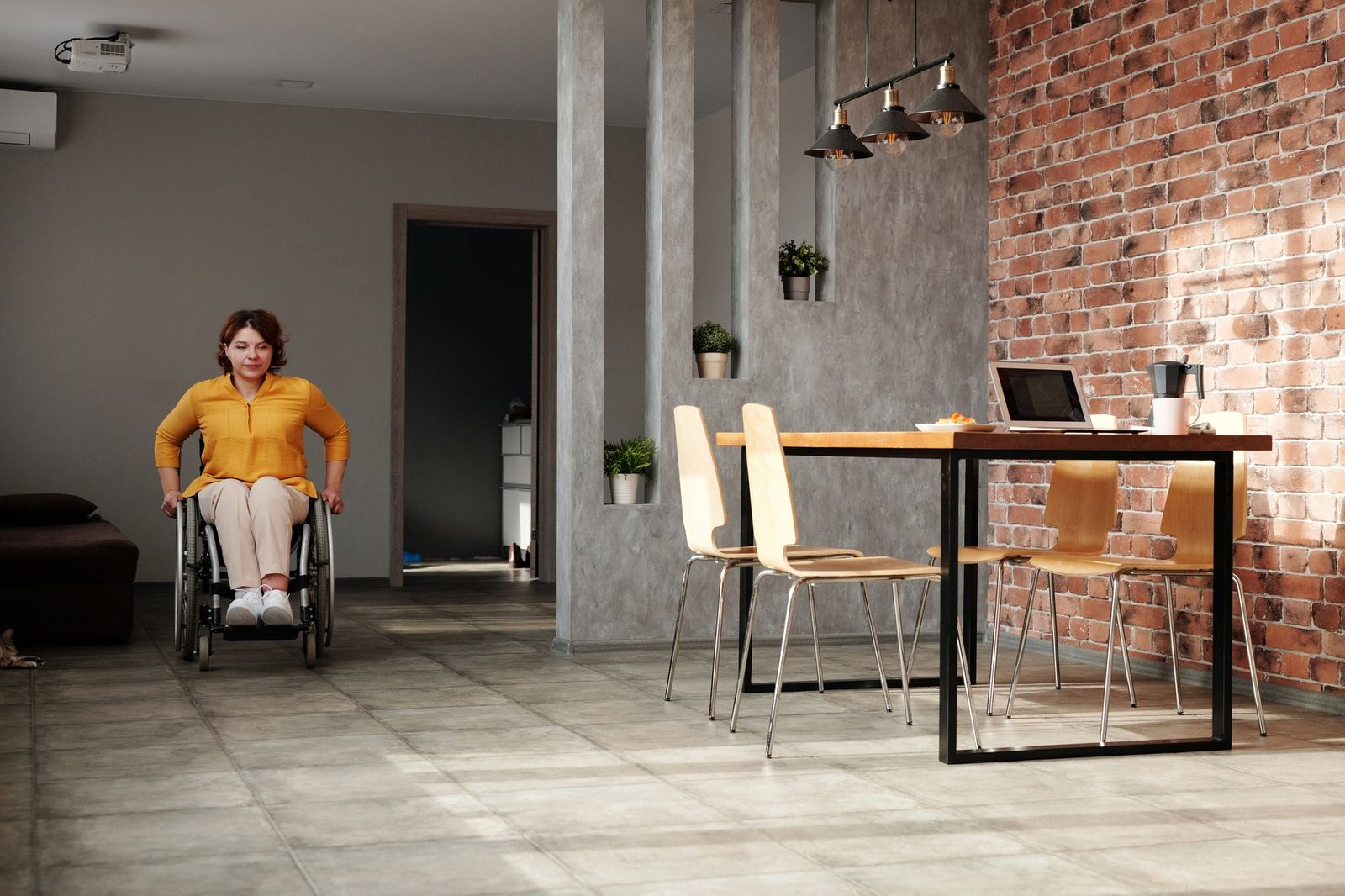
If you are planning home changes after a serious injury, you don’t have to work out the details alone. Caring for someone in rehab is hard work. Planning a safe home on top of that can feel overwhelming.
Share the injury, the type of accident, and the home changes you are considering with our team. Peter F. Jaraysi and Brian D. Wright are among our lawyers. Your first consultation is free, confidential, and carries no obligation to continue. You can reach our team through the contact page.
Disclaimer: This page is general information, not legal advice. Responsible lawyer: Peter F. Jaraysi, Slam Dunk Attorney, Duluth, Georgia. Contact details are on the contact page. Attorney advertising.
How our team approaches home modification needs
Review the medical picture
We look at your treating physicians' recommendations, therapy notes and functional evaluations to understand what your home must support.
Plan for changing needs
Recovery and medical needs often shift over time. We help you think about what may be required now and in the years ahead.
Coordinate with your care team
Occupational therapists, contractors and family caregivers each play a role. We help keep the information organized and shared clearly.
Explain it in plain language
You will always know what we are doing, why it matters and what questions remain open.
Keep records from the start
Save every contractor quote, invoice, receipt, floor plan, and written recommendation from a doctor or therapist about your home. Note who visited and when. Clear records make it much easier to explain your needs to anyone reviewing your case.
Common home modifications after catastrophic injury
Entry and mobility
Ramps, widened doorways, level thresholds, and lifts or stairlifts that make it possible to enter, exit and move between floors.
Bathroom and bedroom
Roll-in showers, grab bars, raised toilets, adjustable-height sinks, and bed and transfer spaces that support safe daily routines.
Kitchen and living areas
Lowered counters, reachable storage, open floor plans, and layouts that allow a wheelchair or walker to turn with ease.
Technology and safety
Smart home controls, emergency alert systems, lighting upgrades, and monitoring tools that support independence and reduce risk.