
Negligent Security | Duluth, Georgia
Serious Injuries Caused by Unsafe Premises Deserve a Careful Look
When a violent act happens where property owners failed to protect people, the harm can be life-changing. Our team is ready to listen to what happened and explain your options.
By Peter F. Jaraysi · Published November 14, 2026
Catastrophic Negligent Security Injury Claims in Georgia
If a crime on property that someone else controls left you with a catastrophic injury in Georgia, you may be wondering who is responsible and what your options are. In these cases, the injured person may bring a claim against the owner, occupier, or security contractor who failed to keep people safe. After an injury, it helps to know what comes next. Below, we explain what Georgia law requires, which deadlines matter, and what to expect from a free consultation with Slam Dunk Attorney in Duluth, Georgia.
Not sure what your next step is?
Talk it through with our team — the first consultation is free, confidential, and carries no obligation.
What a Catastrophic Negligent Security Injury Claim Is in Georgia
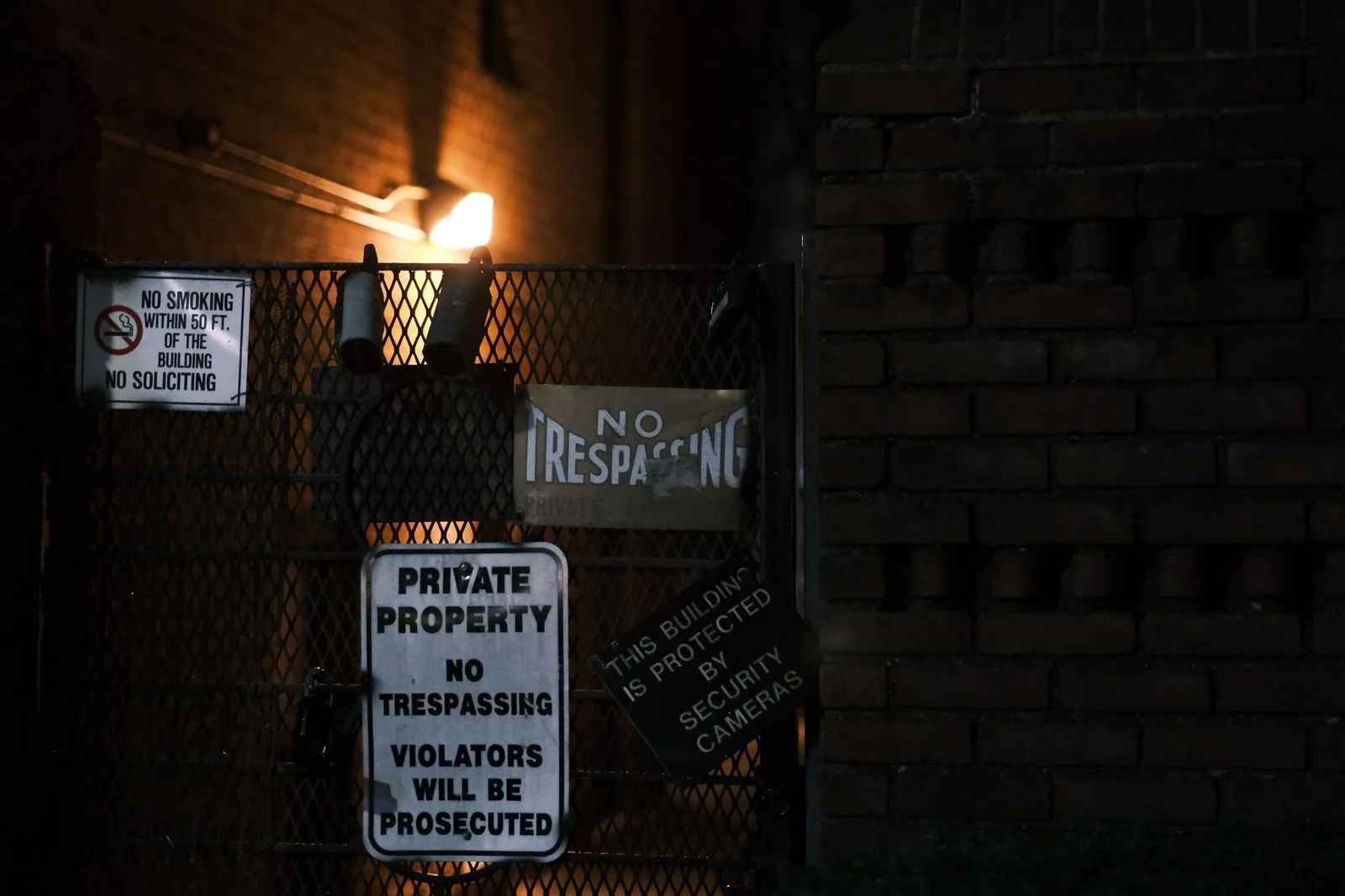
Georgia’s negligent security statute, O.C.G.A. § 51-3-50, defines negligent security as any claim against an owner or occupier, or against a security contractor, that sounds in tort or nuisance, seeks damages for bodily injury or wrongful death, and arises from an alleged failure to keep the premises and approaches safe from the wrongful conduct of third persons. It arises from a failure to keep the premises safe from the wrongful conduct of third persons.
The statute defines “wrongful conduct” broadly. It includes any violation of a Georgia law or local ordinance that is punishable as a felony or misdemeanor. An arrest, charge, or conviction is not required for that conduct to count.
This page is for people hurt in a crime on another party’s property. It also helps families of people killed in one.
Types of Properties and Incidents Where These Claims Come Up
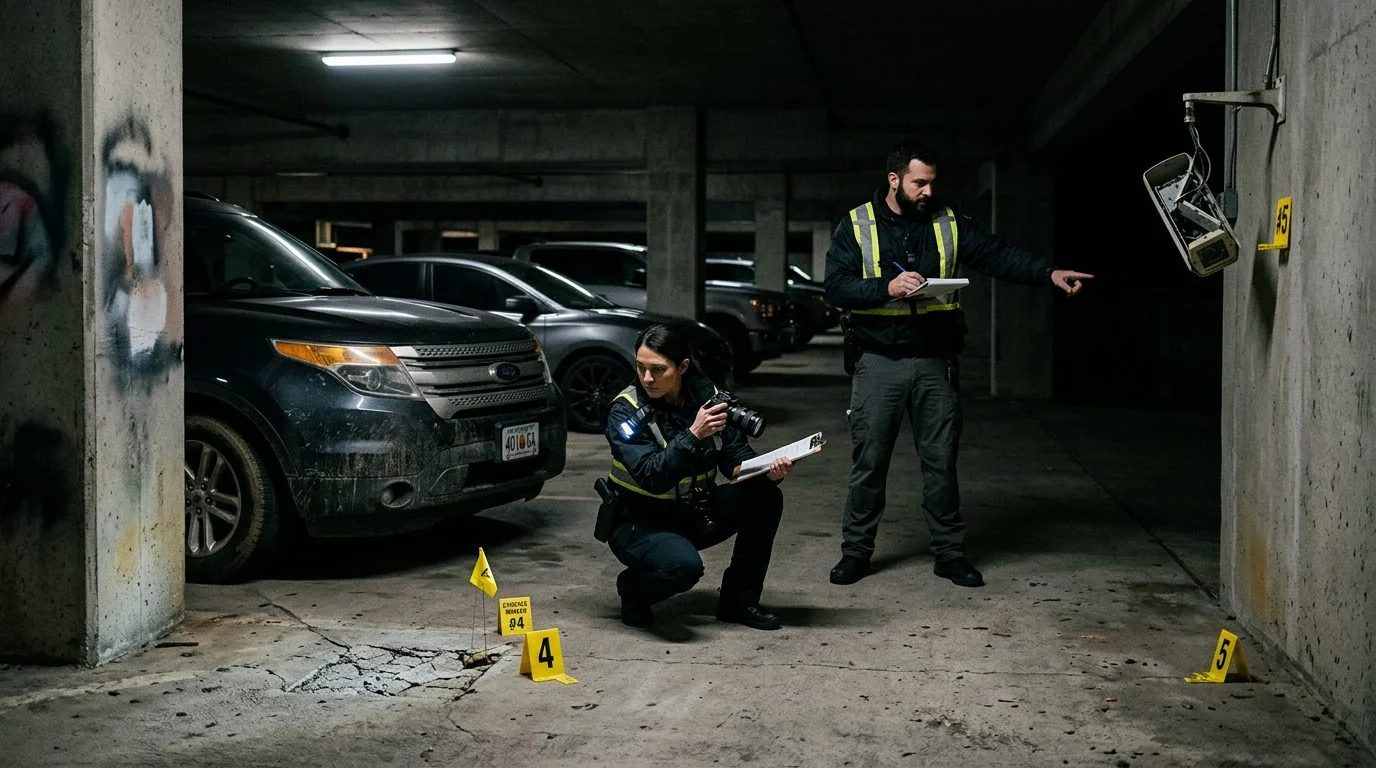
Negligent security claims usually involve a crime on property a business or landlord controls. Common settings include apartment complexes, hotels and motels, parking garages, shopping centers, and bars or restaurants.
The incidents often involve assaults, robberies, shootings, and stabbings. The law also contains exceptions to these claims.
Slam Dunk Attorney represents people in these matters across Georgia. That includes Lawrenceville, Johns Creek, Alpharetta, Marietta, Norcross, Kennesaw, Dunwoody, and Duluth. If your injury came from a fall instead of a crime, read about slip and fall injury claims.
Why Catastrophic Negligent Security Injuries Raise the Stakes
Catastrophic injuries change a claim. The harm often lasts long after the hospital stay. This page covers spinal cord injury and paralysis, traumatic brain injury, amputation, and severe burns.
Paralysis is a loss of muscle function. It can result from catastrophic injuries such as spinal cord injuries (MedlinePlus paralysis information). Traumatic brain injuries can range from mild to catastrophic and may cause serious, long-term effects (traumatic brain injury guidelines). Research also studies how spinal cord injuries recover over time (natural recovery after spinal cord injury).
General damages are presumed to flow from a wrongful act and can be recovered without proof of an amount. Special damages actually flow from the act and must be proved (O.C.G.A. § 51-12-2). Future care needs are often a large part of a catastrophic case, so records matter.
When a crime causes a death, the claim may be a wrongful death claim. Georgia’s negligent security definition, O.C.G.A. § 51-3-50, covers claims for wrongful death as well as bodily injury. Start a folder with medical records, bills, and incident reports as soon as you can.
What a Negligent Security Claim Must Show
A negligent security claim requires the injured person to prove several linked points. Under O.C.G.A. § 51-3-51, except as provided in Code Section 51-3-54, an owner or occupier may be liable for negligent security to an invitee only if the plaintiff proves the elements set out in the statute. The injury must have been a reasonably foreseeable consequence of the third person’s wrongful conduct.
- Foreseeability: The owner had a particularized warning of imminent wrongful conduct, or reasonably should have known that such conduct was likely, based on prior similar occurrences. Under O.C.G.A. § 51-3-51, an owner or occupier may be liable if it reasonably should have known that a third person was reasonably likely to engage in such wrongful conduct upon the premises. That knowledge can come from prior occurrences of substantially similar wrongful conduct upon the premises, upon adjoining property, or within 500 yards of the premises, of which the owner or occupier had actual knowledge. It can also come from prior occurrences by the same third person, if the owner or occupier knew or should have known, by clear and convincing evidence, that such person was or would be upon the premises.
- Known physical condition and failure of ordinary care: The wrongful conduct was a reasonably foreseeable consequence of the third person exploiting a specific physical condition of the premises known to the owner. That condition created a risk of wrongful conduct substantially greater than the general risk in the vicinity. The owner did not use ordinary care to remedy or mitigate that specific and known condition or to otherwise keep the premises safe.
- Proximate cause: That failure was a proximate cause of the injury.
Owners are not held to extraordinary care. Under O.C.G.A. § 51-3-55, a jury considers the security measures employed at the time of the injury. It also considers the need for additional security measures, and whether those measures would have been practical and would have prevented the injury. It weighs the respective responsibilities of owners and government for law enforcement and public safety, along with any other relevant circumstances.
Fault is also split among the parties. Under § 51-12-33, the trier of fact apportions its award of damages among the persons who are liable according to the percentage of fault of each person. Under O.C.G.A. § 51-12-33, a plaintiff who is partly at fault has damages reduced in proportion to his or her percentage of fault. A plaintiff who is 50 percent or more responsible for the injury cannot recover damages.
Deadlines to Know: Georgia’s Filing Limits
For most injury claims, Georgia law requires the lawsuit within two years after the right of action accrues (O.C.G.A. § 9-3-33). Claims involving loss of consortium have a four-year limit under the same statute.
Waiting can make the case harder. Security video may be overwritten, and witnesses can be hard to reach. Early requests for footage, incident reports, and police reports protect your evidence.
Talk with a lawyer early so the deadline is clear for your situation.
Not sure what your next step is?
Talk it through with our team — the first consultation is free, confidential, and carries no obligation.
How the Process Works, Step by Step
The process usually moves through six steps. Timelines vary with the facts of each case and cannot be predicted at the outset.
- Free consultation: You describe what happened, your injuries, and any records you have.
- Evidence preservation: The team requests surveillance footage, security logs, and police reports.
- Investigation: The team looks at prior incidents at the property and the security measures in place.
- Medical and damages review: Records are gathered, including future care needs for catastrophic injuries.
- Demand and negotiation: The claim is presented to the responsible parties and their insurers.
- Lawsuit if needed: If a case cannot resolve, a suit is filed. It then moves through discovery toward settlement or trial.
Frequently Asked Questions
Can I sue if the attacker was never caught or charged?
Georgia’s definition of wrongful conduct does not require an arrest, charge, or conviction.
Do I need a police report?
A police report helps document the incident and is worth requesting. The claim is judged on all the facts, not on the report alone.
Can I bring a claim if the attack happened at a rental or vacation property?
Short-term rental injuries are a related area Slam Dunk Attorney handles. Under O.C.G.A. § 51-3-54(6), an owner or occupier is not liable for negligent security arising from an injury sustained upon premises used as a single-family residence, and some short-term rentals are single-family homes. A consultation can review the facts of your situation.
Who can file a wrongful death claim after a fatal crime?
Georgia’s negligent security definition covers claims against an owner or occupier, or against a security contractor, that sound in tort or nuisance, seek damages for bodily injury or wrongful death, and arise from an alleged failure to keep the premises and approaches safe from the wrongful conduct of third persons. Every family’s situation is different, so a free, confidential initial consultation is a good place to talk through your questions with a lawyer.
What happens at the first meeting?
You share what happened, bring the records you have, and ask your questions. A lawyer then explains the next steps for your facts.
Talk to Slam Dunk Attorney About Your Injury
Slam Dunk Attorney is based in Duluth, Georgia. The responsible lawyer for this page is Peter F. Jaraysi. The firm’s lawyers include Brian D. Wright. Our team can help you sort out the facts, the records, and the deadlines.
The first consultation is free, confidential, and carries no obligation to continue. If the firm takes your case, you may still be responsible for court costs and case expenses.
If someone you love was killed, or you were left with a catastrophic injury after a crime on another party’s property, you don’t have to sort this out alone. Request your free case review with our team today.
Responsible lawyer: Peter F. Jaraysi, Slam Dunk Attorney, Duluth, Georgia.
How We Approach Your Case
We Start With You
Serious injuries affect your health, work, and family. We take time to understand your situation before deciding on next steps.
Plain-Language Communication
We explain legal terms and procedures in clear language so you know what to expect at each stage.
Support From Our Team
Our lawyers and office staff help coordinate records, medical documentation, and questions so you can focus on recovery.
Focused on Serious Injury Cases
The firm focuses on catastrophic injuries and negligent security matters across metro Atlanta and Georgia.
Protect Your Rights Early
Keep copies of medical bills, photos, and any messages about the incident. Be cautious about giving recorded statements or signing documents from an insurance company before you have discussed your situation with a lawyer.
Steps That May Help Right After an Incident
Get Medical Care
Your health comes first. Even injuries that seem minor can be serious, and medical records help document what happened.
Report the Incident
Notify property management or building staff, and ask whether a police report was made. Save the report number if you have one.
Write Down What You Remember
Record the date, time, location, and details of what you saw and heard while your memory is fresh.
Talk With a Lawyer
A confidential conversation can help you understand your options and what information may matter for your situation.