
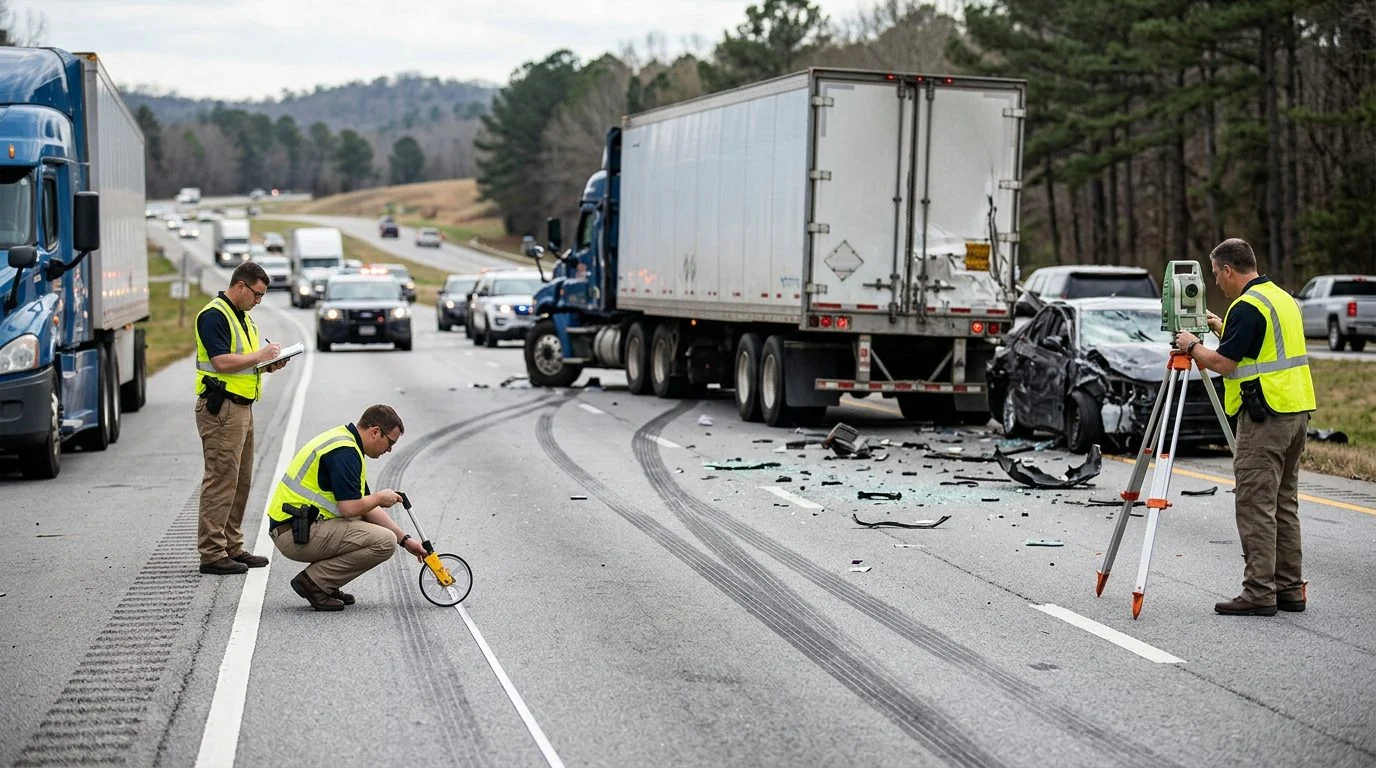
Truck Accidents | Duluth, Georgia
Hurt in a Catastrophic Truck Accident? You Do Not Have to Face It Alone
Our Duluth, Georgia firm represents people with serious injuries, including spinal cord injury, paralysis, traumatic brain injury, amputation and severe burns, after crashes involving commercial trucks across metro Atlanta and Georgia.
By Peter F. Jaraysi · Published October 29, 2026
A catastrophic truck accident injury lawyer in Georgia helps people hurt in serious commercial truck crashes, and their families, pursue compensation under Georgia law. This page explains what these claims can cover, who may be responsible, how the process works, and which deadlines matter.
Slam Dunk Attorney is a personal injury firm based in Duluth, Georgia. It represents people hurt in truck, car, motorcycle, and rideshare accidents across metro Atlanta and Georgia.
What Catastrophic Truck Accident Injuries Are
Catastrophic injuries cause lasting physical or cognitive harm. In truck crashes, they often include spinal cord injury with paralysis, traumatic brain injury, amputation, and severe burns.
Paralysis is a loss of muscle function. MedlinePlus notes it can result from catastrophic injuries such as spinal cord injuries or a broken neck.
A traumatic brain injury can range from mild to catastrophic. It can lead to coma or death.
A loaded commercial truck weighs far more than a passenger car. The force in a truck collision is often much greater, so injuries can be more severe.
Recovery varies from person to person. A peer-reviewed spinal cord injury study looks at recovery timelines and the factors that affect them.
This page is for people seriously hurt in a Georgia truck crash and for families who lost a loved one in one.
If a loved one was left with a spinal cord injury, brain injury, amputation, or burns after a truck crash, you may have a claim, and our team can review it with you at no cost. Talk it through with our team — the first consultation is free, confidential, and carries no obligation.
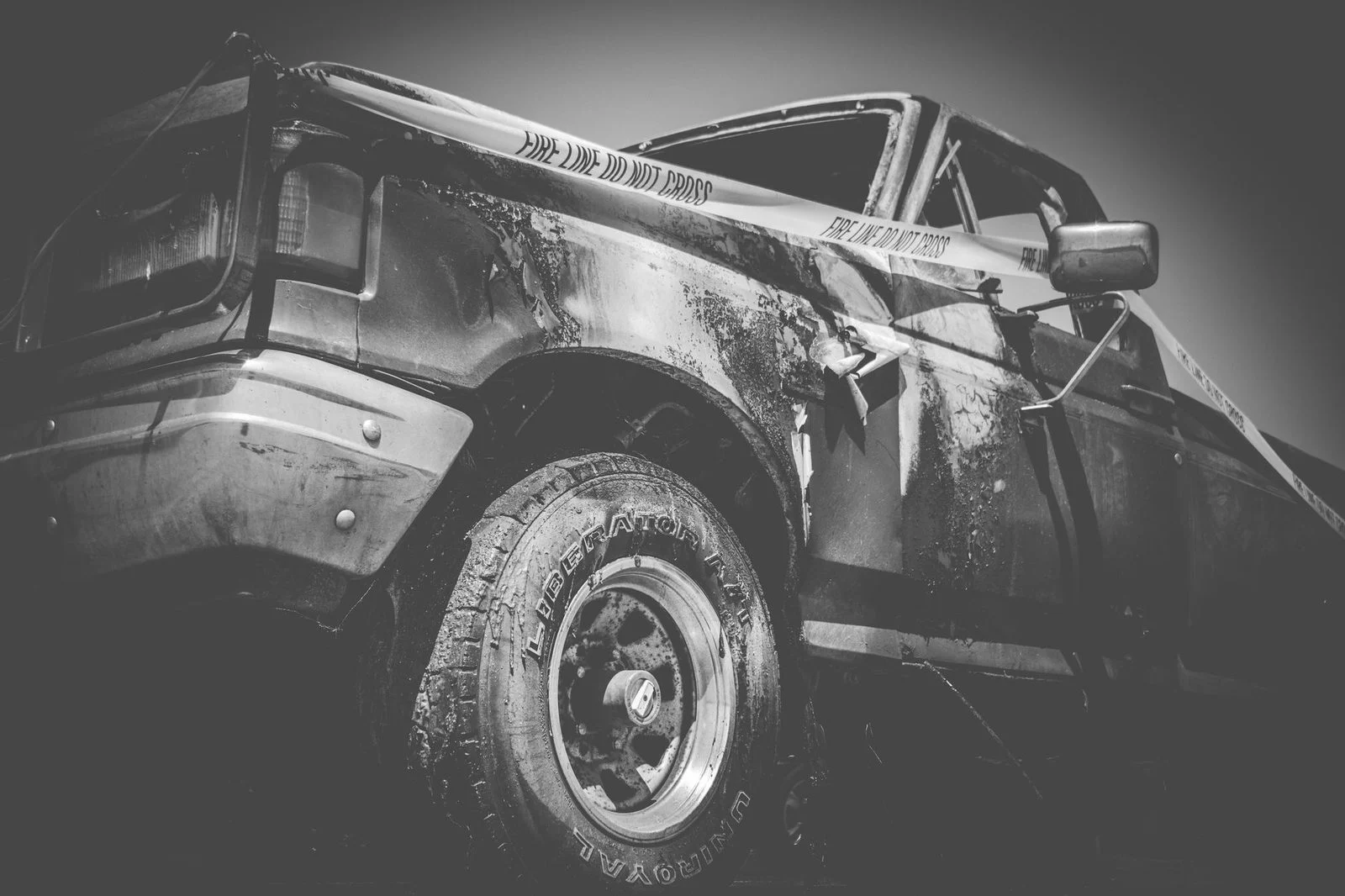
What a Catastrophic Truck Crash Claim Can Cover
A catastrophic truck crash claim can seek money for the losses the crash caused. Common categories include:
- Past and future medical care, rehabilitation, and assistive equipment
- Lost wages and lost ability to earn in the future
- Home changes, in-home or attendant care, and transportation needs
- Pain, suffering, and loss of enjoyment of life
- Wrongful death losses for families, explained in the FAQ below
Georgia treats damages as compensation for injury. Where an injury can be estimated in money, that compensation is the measure of damages, under Georgia damages law.
Future losses such as future medical costs can be reduced to present value. The jury may use a 5 percent discount rate or another rate it finds appropriate.
For injuries to feelings and peace of mind, the law leaves the amount to the “enlightened consciences of impartial jurors.”
No amount can be predicted in advance. Each claim depends on its own medical records, wage proof, and other evidence.
Who Can Be Held Responsible in a Truck Crash
More than one party can share responsibility in a truck crash. Possible parties include:
- The driver, for negligent driving, fatigue, distraction, or impairment
- Some truck accident claims also look at the motor carrier’s own conduct, such as how it hired, trained, supervised, or dispatched its drivers.
- Vehicle owners, lessors, or maintenance contractors when brakes, tires, or other equipment fail
- Companies that load cargo when the load is not secured
- Makers of defective truck parts when a part failure contributes to the crash
Federal rules also show what a carrier had to do. In Montgomery v. Caribe Transport II (2026), the U.S. Supreme Court held that a state-law negligent-hiring claim against a broker that selected an unsafe motor carrier falls within a federal safety exception and is not preempted.
How the Truck Accident Claim Process Works
The process starts with a free, confidential first consultation. The firm then gathers evidence before making a demand. Typical steps are:
- First consultation. You describe what happened and your injuries. There is no obligation to continue.
- Preservation requests. The firm asks carriers to keep logs, dash-cam footage, maintenance files, and driver records.
- Investigation. The team reviews the scene, the police report, vehicle data, and witness statements.
- Medical documentation. Treatment records are tracked as injuries develop.
- Demand and negotiation. The firm presents the claim to insurers. If needed, it files a lawsuit in the appropriate Georgia court.
Georgia generally requires personal injury actions to be brought within two years after the right of action accrues, though actions involving loss of consortium have four years, under O.C.G.A. § 9-3-33. Trucking cases can take longer to build than standard car claims.
Case costs, such as records fees, medical reports, and reconstruction work, are discussed at the start. The client may still be responsible for court costs and case expenses.
How Fault and Insurance Affect Recovery in Georgia
Georgia reduces an award by the injured person’s share of fault. If you are 50 percent or more responsible, you cannot receive damages, under O.C.G.A. § 51-12-33.
Each liable person pays only its own share of the award. The fault of every party or entity that contributed to the injury is considered, even if that party was never named in the suit.
Insurers may ask for a recorded statement early. Many people speak with a lawyer before giving one.
A truck crash can involve several insurance policies, such as the carrier’s and the driver’s. How coverage applies depends on the facts, and it affects how claims are filed.
Whether a deadline or fault rule applies depends on the facts of each case.
Why Work With a Catastrophic Truck Accident Injury Lawyer in Georgia
Slam Dunk Attorney represents people hurt in truck, car, motorcycle, pedestrian, and rideshare accidents, along with dog bite, premises, nursing home, and wrongful death matters. The firm is based in Duluth, Georgia.
- Responsible lawyer for this page: Peter F. Jaraysi. The firm’s lawyers include Peter F. Jaraysi and Brian D. Wright.
- Support staff: Assistants and office staff help organize records, bills, and deadlines.
- Plain-language updates: The team explains what each step means for your decisions.
Not sure what your next step is?
Talk it through with our team — the first consultation is free, confidential, and carries no obligation.
Frequently Asked Questions
How long do I have to file a truck crash claim in Georgia?
Georgia generally requires personal injury actions to be brought within two years after the right of action accrues. Other deadlines can apply, depending on the facts.
Do I have to pay to talk with the firm?
No. The first consultation is free, confidential, and carries no obligation to continue.
Can I recover if I was partly at fault?
Yes, but your award is reduced by your share of fault (O.C.G.A. § 51-12-33; Quynn v. Hulsey (2020)). You cannot recover if you are 50 percent or more responsible.
Can a family file after a fatal truck crash?
Under O.C.G.A. § 51-4-2, a surviving spouse or, if there is none, the decedent’s child or children may recover the full value of the decedent’s life. When death results from a crime or from criminal or other negligence, the personal representative of the deceased may recover funeral, medical, and other necessary expenses under O.C.G.A. § 51-4-5.
Does an injury claim end if the injured person dies?
No. Under O.C.G.A. § 9-2-41, if the plaintiff dies and there is no right of survivorship in any other person, an injury claim survives to the personal representative of the deceased plaintiff.
Should I talk to the trucking company’s insurer?
Many people speak with a lawyer first before giving any recorded statement.

Talk With Our Team About Your Truck Crash
If a loved one is living with a spinal cord injury, brain injury, amputation, or burns after a truck collision, you do not have to sort out the claim alone. Request your free consultation or call for a free case review with Slam Dunk Attorney, which is confidential and carries no obligation to continue. Contact us to start.
Attorney advertising. Peter F. Jaraysi is the responsible lawyer for this page. Slam Dunk Attorney, Duluth, Georgia. This page gives general information, not legal advice, and it does not promise any outcome.
How Our Lawyers Approach Your Case
Built Around Your Recovery
Catastrophic injuries affect your health, your work and your family. We start by understanding your medical needs and what your life looks like now.
Careful Investigation
Truck crashes often involve multiple parties and large volumes of records. Our team works to identify the evidence that matters to your claim.
Clear, Plain-Language Updates
We explain each step in terms you can follow, so you know what is happening and what decisions are ahead.
Advocacy for Serious Harm
We focus on helping injured people and their families pursue fair compensation from the parties responsible for the crash.
Be Careful Before Speaking With Insurers
Trucking companies and their insurers may move quickly after a crash. Before you give a recorded statement or sign any papers, talk with a lawyer who can review what is being asked of you.
Factors That Can Contribute to Serious Truck Crashes
Driver Fatigue
Long hours and pressure to meet delivery schedules can lead to exhausted drivers on the road.
Vehicle Maintenance Problems
Worn brakes, tires or other mechanical failures can turn a routine trip into a catastrophic collision.
Improper Cargo Loading
Unsecured or overweight loads can shift, affect steering and cause rollovers or loss of control.
Distracted or Impaired Driving
Phone use, medication or substance impairment can prevent a driver from reacting safely to traffic.