
Dog Bite Injury Claims | Duluth, Georgia
Bitten by a Dog in Georgia? You Don't Have to Figure Out the Next Step Alone
Our Duluth law firm helps people injured by dog bites across metro Atlanta and Georgia understand their options. Your first consultation is free, confidential, and comes with no obligation to continue.
By Peter F. Jaraysi · Published November 3, 2026
Can I Sue If a Dog Bit Me in Georgia?
Yes, in many cases a person bitten by a dog in Georgia may be able to bring a claim against the dog’s owner. Whether a claim is viable depends on the facts of the bite. This guide explains the core questions, the filing deadline, and what to document, especially when a bite causes serious injury.
If a bite needed surgery, damaged nerves or tendons, or left facial scars, and you're unsure whether the owner can be held responsible, our team can review your situation with you. Talk it through with our team — the first consultation is free, confidential, and carries no obligation.
Can You Sue After a Dog Bite in Georgia?
A dog bite claim is generally brought against the person who owns or keeps the dog, not against the dog itself. That person may be the owner, a household member, or someone else who was responsible for the animal at the time.
Three questions shape most of these cases. Was the dog vicious or dangerous? Did the person responsible handle the dog carelessly, or let it run loose? Did the injured person provoke the attack? The answers to these questions connect directly to whether a claim exists.
A bite that needs surgery, damages nerves or tendons, or requires facial reconstruction raises the stakes. These injuries usually mean more medical records, higher bills, and more time away from work. That makes careful documentation far more important from the first day.
How Georgia Law Assigns Responsibility to Dog Owners
Under O.C.G.A. § 51-2-7, a person who owns or keeps a vicious or dangerous animal may be liable for injuries caused by careless management or by letting the animal go at liberty. The injured person must not have provoked the injury by their own act.
In plain terms, “vicious propensity” means the dog has a tendency toward dangerous behavior. The statute gives one clear example. If a city, county, or consolidated government ordinance required the dog to be at heel or on a leash, and the dog was not on a leash when the bite happened, that alone is enough to show vicious propensity.
Careless management can take many forms. An unlatched gate, a dog running loose in a place where it should be leashed, or ignoring known aggressive behavior are common examples. Each one raises a question of fact that the records and witnesses must answer.
Georgia also looks at the injured person’s own share of fault. Under O.C.G.A. § 51-12-33, damages are reduced in proportion to the injured person’s percentage of fault. If that person is 50 percent or more responsible, they cannot recover damages under that statute.
When a Dog Bite Becomes a Catastrophic Injury
A dog bite becomes catastrophic when it causes lasting harm. Examples include deep wounds that need surgical repair, damage to nerves or tendons, fractures, and infections that require hospital care. A bite to the hand, for example, can injure the tendons that control the fingers and affect grip strength.
Bites to the face and neck can require reconstructive surgery and leave scarring. Scarring can affect appearance and daily life, and children are especially affected. Emotional distress after a violent attack is also a real harm that deserves attention.
The medical record is the main proof of how serious an injury is. Operative reports, imaging, treatment notes, therapy plans, and follow-up visits all show what happened and what care was needed. Symptoms such as numbness or reduced strength can appear or worsen after the first visit. Report new symptoms to your doctor and write them down with dates.
The Two-Year Deadline and What Can Pause It
Under O.C.G.A. § 9-3-33, actions for injuries to the person must be brought within two years after the right of action accrues.
The clock is tied to the injury, not to when the medical bills arrive or when treatment ends. Ongoing surgery or therapy is not listed in the statute as a pause, so plan around the two-year date from the start.
Some circumstances change the starting point. Under O.C.G.A. § 9-3-90, a person who was under 18 when the claim accrued gets the same time as other people after turning 18 to bring an action. The same statute gives people who were legally incompetent because of intellectual disability or mental illness the same time after their disability is removed to bring an action as other persons have.
Loss of consortium claims, such as those tied to a spouse’s injury, follow a different period. Under the same § 9-3-33 card, those claims must be brought within four years. Because a missed deadline can end a claim, confirm your own timing early.
What a Claim May Cover and Why No Single Number Applies
No single figure applies to every dog bite. Compensation depends on the losses that can be documented in each case.
Under O.C.G.A. § 51-12-2, general damages are those the law presumes to flow from a wrongful act, and they can be recovered without proof of an amount. Special damages actually flow from the act and must be proved.
Medical expenses have their own rules. Under O.C.G.A. § 51-12-1.1, medical expenses are limited to the reasonable value of medically necessary care. Treatment under a letter of protection, an arrangement to pay from a future award, also makes related records discoverable.
For harm to peace, happiness, or feelings, the statute does not set a formula. Under O.C.G.A. § 51-12-6, in a tort action in which the entire injury is to the peace, happiness, or feelings of the plaintiff, no measure of damages can be prescribed except the enlightened consciences of impartial jurors. That is why clear records of daily limits and pain matter.
Not sure what your next step is?
Talk it through with our team — the first consultation is free, confidential, and carries no obligation.
Steps to Take After a Serious Bite
The most useful steps are to get medical care, report the bite, and record what happened. Start these steps as soon as you can:
- Get medical care right away. Go even if the wound looks minor. Follow every referral and therapy plan.
- Report the bite. Contact the local animal control office where the bite happened, whether that’s in Duluth, Lawrenceville, or elsewhere in the metro area. Keep the report or case number.
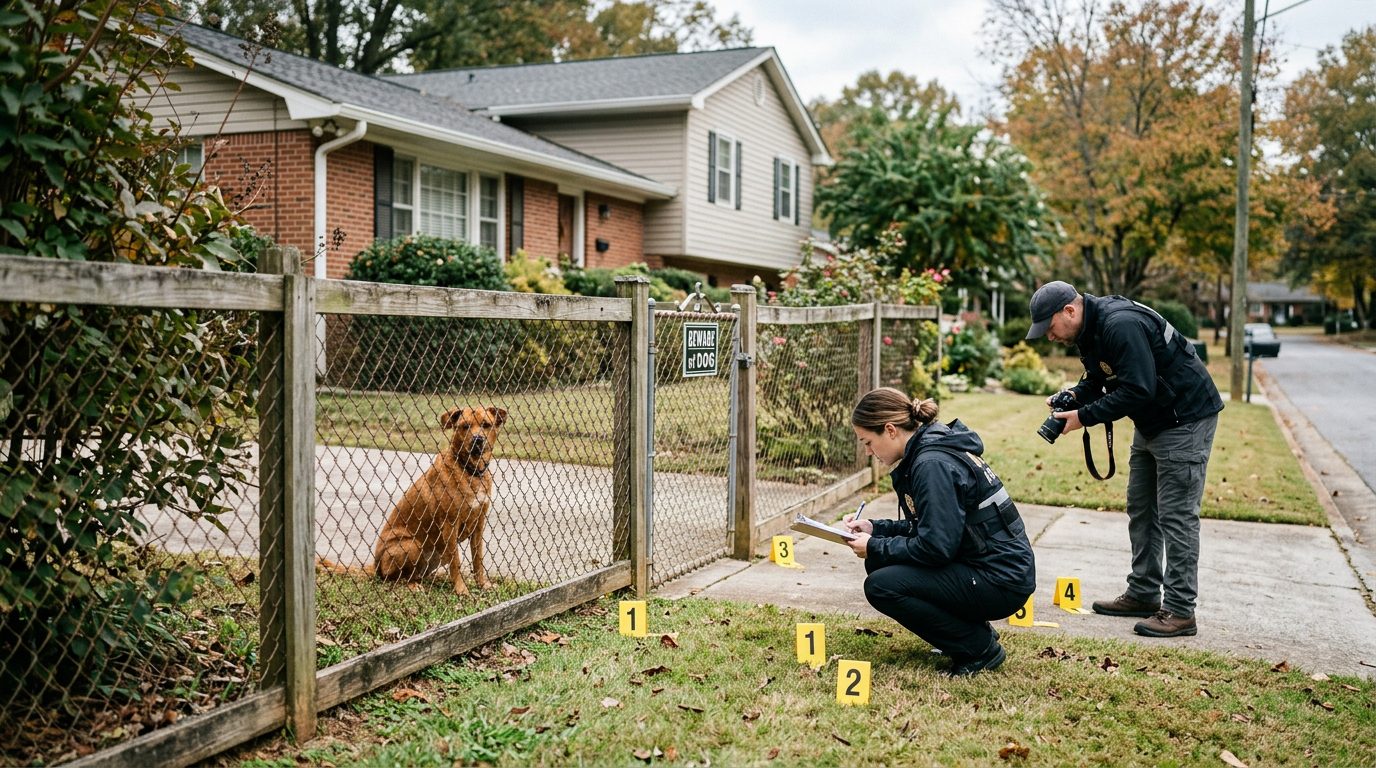
- Gather details. Write down the owner’s name, address, and contact information, a description of the dog, and the names and contact details of any witnesses.
- Document your injuries. Photograph wounds over time, the scene, and any scarring. Keep a daily note about pain, sleep, and activity limits.
- Keep records. Save bills, pharmacy receipts, and records of missed work.
- Be careful with insurers. Think before giving a recorded statement to the owner’s insurance company. Get advice on how the statement may be used first.
Early evidence is hard to recreate later, so these steps matter most in the first weeks.
Is It Hard to Sue for a Dog Bite?
Many people who ask whether they can sue if a dog bit me in Georgia also ask how difficult the process is. The work is mostly about proof.
Disputes often focus on what the owner knew, how the dog was restrained, and what the injured person was doing when the bite happened. Under O.C.G.A. § 51-11-7, if the injured person could have avoided the harm with ordinary care, they cannot recover. In other cases, the owner is not automatically relieved just because the injured person contributed in some way.
The paperwork is demanding. Animal control reports, photos, witness statements, and medical files all need to line up. Gaps in early evidence are the most common problem, and they are easier to prevent than to fix later.
Frequently Asked Questions
Can I sue if a dog bit me in Georgia?
In many cases, yes. A bitten person may be able to bring a claim against the owner, and the facts decide it.
What is the deadline for a dog bite claim in Georgia?
Under Georgia law, injury claims generally must be filed within two years. Some exceptions, such as for minors, can change the starting point.
Does the owner have to know the dog was dangerous?
Not always. Careless management or letting the dog go at liberty can also support a claim under the statute.
What counts as a catastrophic dog bite injury?
Examples include nerve or tendon damage, facial reconstruction, and injuries that need surgery or long-term treatment.
Is it hard to sue for a dog bite?
The main work is proving the owner’s responsibility and documenting the injury with records and evidence.

Talk With Our Team About Your Dog Bite Injury
If a bite left you with surgery, nerve or tendon damage, or facial scars, you may be weighing whether the owner can be held responsible and what the deadline means for you. Our first consultation is free, confidential, and comes without obligation to continue. You can request a free case review through our contact page.
Attorney advertising. This page is general information, not legal advice. The responsible lawyer for this page is Peter F. Jaraysi, Slam Dunk Attorney, Duluth, Georgia. Contact: https://slamdunkattorney.com/contact-us/. Nothing on this page predicts how any case will turn out.
How We Work With Dog Bite Clients
Plain-Language Answers
We explain your situation in clear terms, without legal jargon, so you know what to expect.
Compassion First
A dog bite can be frightening and painful. We take the time to listen to what happened and how it has affected you.
Careful Review of the Facts
We look closely at the circumstances of the bite, the medical care you received, and the information you have gathered.
Serving Duluth and Metro Atlanta
Our firm is based in Duluth and assists clients throughout metro Atlanta and across Georgia.
Important: Get Medical Care First
Your health comes first. Seek medical attention for any dog bite, even if the wound looks minor, because some injuries, such as infections, can develop later. Keep records of your treatment, and if possible, note the dog's owner, the location, and any witnesses.
Steps That May Help After a Dog Bite
1. Seek Medical Care
Visit a doctor or urgent care promptly. Follow treatment instructions and keep copies of bills and medical records.
2. Report the Bite
Make sure the bite is reported to the police or local animal control so there is an official record of what happened.
3. Document the Scene
Take photos of your injuries, the location, and the dog if it is safe to do so. Write down what you remember while it is fresh.
4. Talk With Our Team
Contact us for a free, confidential consultation. We can review your situation and explain the questions to consider next.
Talk With Our Duluth Team About Your Dog Bite
Related practice areas
- Catastrophic Injuries in Georgia: What to Know After a Serious Accident
- Dog Attack Wrongful Death Lawyer in Georgia