
Georgia Car Crash Guide | Duluth, Georgia
Incident or Accident? Why the Words You Use After a Georgia Crash Matter
The terms sound alike, but they mean different things. Here is a plain-language guide to what each word describes, and why it matters when you talk about a crash.
By Peter F. Jaraysi · Published October 19, 2026
An accident is an unplanned event that causes harm or damage. An incident is a broader word for any event that happened, with or without injury. So, what is an incident vs an accident? In everyday talk after a car crash, people almost always say accident. Police forms and insurance reports sometimes use incident instead.
This guide explains each word and how other fields use them. It also lists what to write down after a crash. The word you choose does not decide who was at fault, and that matters more than the label.
Accident vs. Incident: The Short Answer
In plain English, an accident is an unintended event that causes injury, property damage, or loss. An incident is the wider category: any event or occurrence, including ones where nobody was hurt.
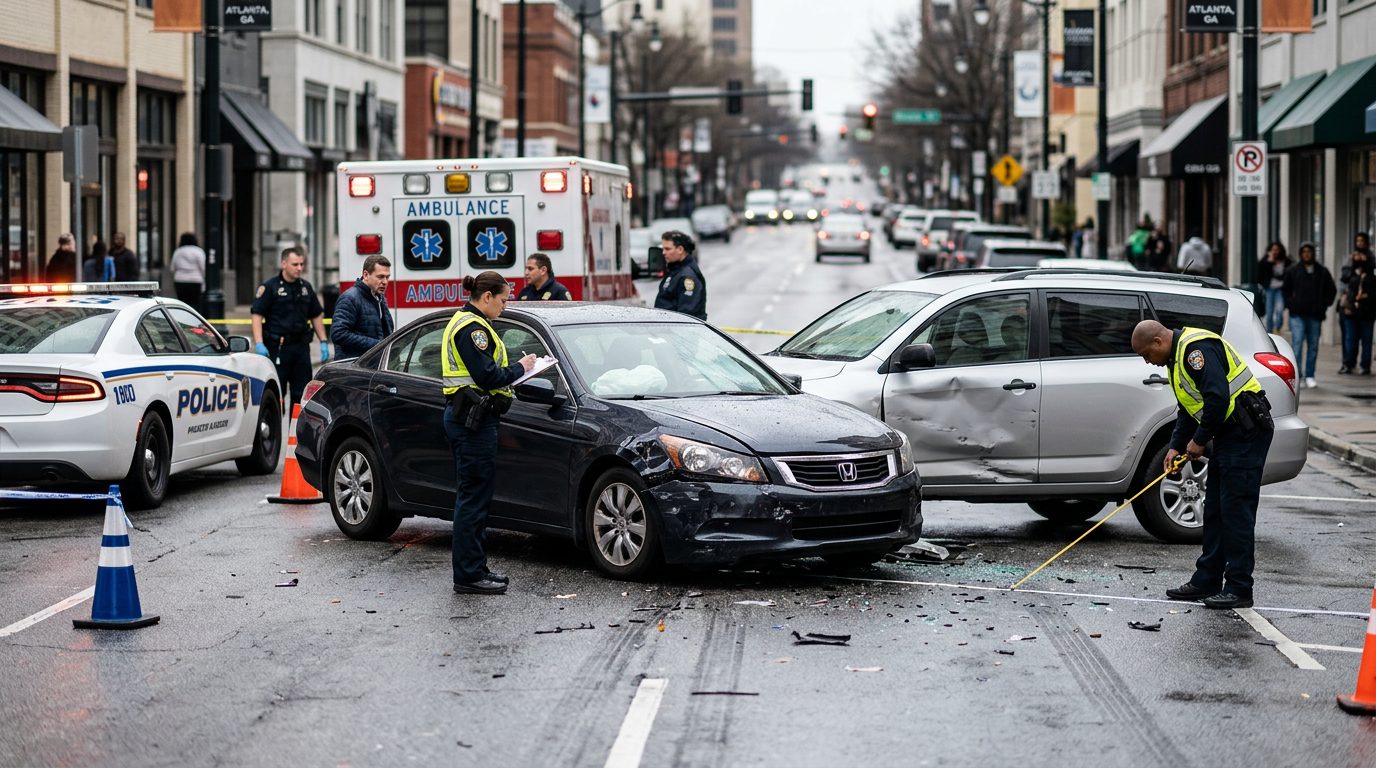
A crash on a busy road in Gwinnett County is a car accident in everyday speech. A report or form might call the same crash an incident. Both words describe the same event. Neither word settles the legal questions that come later.
The rest of this page explains each term, why the words differ in other settings, and what to record after a crash.
If you are dealing with injuries, insurer calls, or a crash report you have not read yet, our team is glad to talk through what happened with you. Talk it through with our team — the first consultation is free, confidential, and carries no obligation.
What Is an Accident?
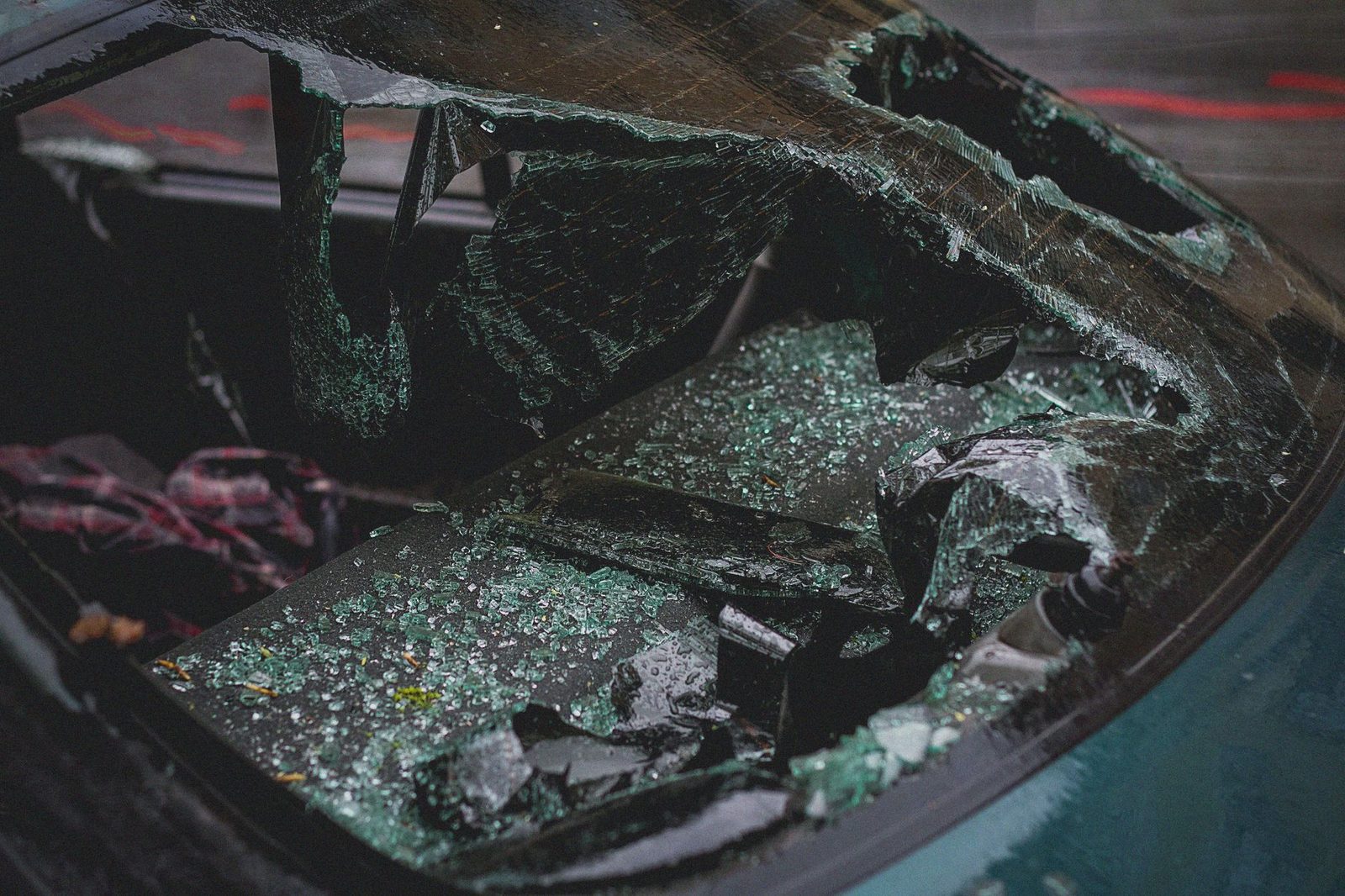
An accident is an unintended event that causes injury, property damage, or loss. Nobody plans a crash.
A driver rear-ended in heavy traffic on a Duluth or Norcross commute has been in an accident. So has a driver whose car slides on wet pavement after a summer storm. In both cases, the event was not planned, and harm followed.
The word describes the event. It does not describe how the event should be judged. A crash can be an accident and still involve a driver who made an error. A crash can also be an accident where no driver did anything wrong. That distinction matters later, when the facts of the crash are examined.
What Is an Incident? How the Word Is Used Elsewhere
An incident is a broader term for an event or occurrence. It can cover events that caused harm and events that did not.
In workplace safety, the word has a more specific use. Safety programs often track near misses, which are events that could have caused injury but did not. Those definitions come from workplace safety programs. They are built for tracking hazards, not for deciding a car crash claim.
For a car crash, the everyday word accident is the one most people use. Official crash data in Georgia also starts with police crash reports. The Georgia Department of Transportation crash reporting page explains that these police reports are used to collect and share crash data. That report is the best place to check the official account of what happened.
Does Calling It an Accident Mean Nobody Was at Fault?
No. Calling a crash an accident does not decide who was at fault.
A mistake is an error by a person. An accident is an unintended event. A crash can involve one driver’s error, errors by more than one driver, or no driver error at all. The word on a report does not answer that question.
Georgia’s fault rules work with percentages. Under O.C.G.A. § 51-12-33, if you are partly responsible, the judge reduces your damages in proportion to your share of fault. If you are 50 percent or more responsible, you are not entitled to receive any damages. The same statute says each person found liable pays only its own share, and those damages are not joint liability among the persons liable.
What to Record After a Car Crash, Whatever You Call It
Write down the basic facts as soon as you safely can. Record the date, the time, the exact location, the road and weather conditions, and the direction each vehicle was traveling. Small details fade fast.
Take photos of vehicle damage, the scene, and any visible injuries. Save names, phone numbers, insurance details, and any witnesses’ contact information. Note the police report number if an officer came to the scene.
Get checked by a medical provider, even if the injury seems minor. Some injuries, such as concussions, can show symptoms later. A medical record made close to the crash helps show what happened and when.
A crash report is one record that may be part of reviewing an accident claim.
Talk With Our Team About Your Crash
Many people reading this are dealing with a crash they did not choose. Some are handling their own injuries, and others are helping a family member who was hurt.
Slam Dunk Attorney is based in Duluth, Georgia. Our team represents people in car, truck, and motorcycle accident cases across metro Atlanta and Georgia, including Lawrenceville and Marietta. If you want to talk through what happened in plain terms, request a free first consultation. It is confidential and carries no obligation to continue.
Frequently asked questions
Is an incident the same as an accident?
Not exactly. An incident is a broader term that can include events where no one was hurt. An accident usually means an unintended event that caused harm or damage.
Does calling a crash an accident mean the other driver was not at fault?
No. The word describes the event, not who was responsible. Georgia’s fault rules use percentages for each person involved.
Can I get a copy of my crash report?
A crash report is one of several records that may be part of reviewing an accident. Our team can talk with you about the records relevant to your situation during your free, confidential initial consultation, which carries no obligation to continue.
How Our Team Approaches Your Case
Plain-language answers
We explain the terms, the paperwork and the process in everyday language so you always know what is happening.
Focused on protecting your position
We help you understand what to say, and what to avoid saying, while your case is still taking shape.
Careful with the details
Our team helps organize the facts, records and reports that describe what happened on the road.
Respectful of what you have been through
A crash can affect your health, your work and your family. We take the time to hear your story before offering any advice.
A Key Tip: Stick to the Facts
After a crash, describe what you saw and felt, such as the road conditions, the signals and the time of day. Avoid guessing about who caused the crash or saying you are sorry, even out of politeness. Those words can be repeated later, so it is wise to talk with a lawyer before giving a detailed account to anyone other than the police or medical providers.
Key Terms at a Glance
Incident
A broad term for any event that happened, including events where no one was hurt and no property was damaged.
Accident
An unintended event that caused harm or damage. Many people use the word for any crash, but it describes what happened, not who was responsible.
Collision or crash
A common, neutral word for vehicles striking each other or a fixed object. It describes the physical event itself.
Liability
A legal question about who may be responsible for harm. Answering it depends on the facts of each case and is not decided by the words used to describe the crash.
Talk With Peter F. Jaraysi About Your Crash
Related practice areas
- Car Accidents
- Gwinnett County Car Accident Lawyer | Slam Dunk Attorney