
Wrongful Death | Georgia Law
When a Loved One Dies Due to Someone Else's Negligence
Understanding wrongful death claims and your family's legal options in Georgia
By Peter F. Jaraysi · Published September 30, 2026
Examples of Wrongful Death: What Qualifies Under Georgia Law
Wrongful death is a civil claim filed by surviving family members when another person’s negligence, recklessness, or intentional misconduct causes someone to die. The death must result from conduct that would have supported a personal injury lawsuit if the person had lived. These claims exist to compensate families for their loss and hold responsible parties accountable.
If someone you love died in circumstances involving another person's negligence or carelessness—whether in a vehicle accident, on an unsafe property, or in a facility's care—you may have questions about whether a claim exists for your family. Talk it through with our team — the first consultation is free, confidential, and carries no obligation.
What Is Wrongful Death?
Wrongful death occurs when someone dies due to another party’s negligence or wrongful act—not through accident or natural causes, but through someone else’s failure to exercise reasonable care. The key element is that the defendant’s conduct was the direct cause of death. Under Georgia law, surviving family members can bring a wrongful death claim on behalf of the deceased person’s estate. This is a civil matter, separate from any criminal charges that might apply.
For a wrongful death claim to succeed, four things must be true: the defendant owed a duty of care to the deceased person; the defendant breached that duty; the breach directly caused the death; and the family members suffered damages as a result. These elements must be proven through evidence and testimony.
What’s Classified as a Wrongful Death?
A death is classified as wrongful when it results from conduct that breached a legal duty—meaning the defendant had a responsibility to act safely or avoid harm, and failed to do so. The defendant’s actions or inactions must be the direct cause of death. Wrongful death claims span accidents, negligence, unsafe conditions, and professional failures across multiple settings.
The law recognizes that surviving spouses, children, parents, and dependents who relied on the deceased for financial support have standing to bring these claims. Wrongful death is distinct from criminal homicide; it’s a civil action seeking compensation, not criminal punishment.
Common Causes of Wrongful Death
Wrongful death claims arise from many scenarios. Motor vehicle accidents—car, truck, and motorcycle collisions caused by negligent or reckless driving—are among the most common. Pedestrian accidents, where a person is struck by a vehicle due to driver negligence or unsafe road conditions, also frequently result in wrongful death claims. Dog bite fatalities, where the owner knew or should have known the dog was dangerous, can give rise to claims. Deaths resulting from unsafe property conditions, inadequate maintenance, or failure to warn of hazards fall under premises liability. Slip and fall injuries that prove fatal, nursing home neglect or abuse, and deaths caused by inadequate security measures are also recognized causes.
Wrongful Death Examples in Motor Vehicle Accidents
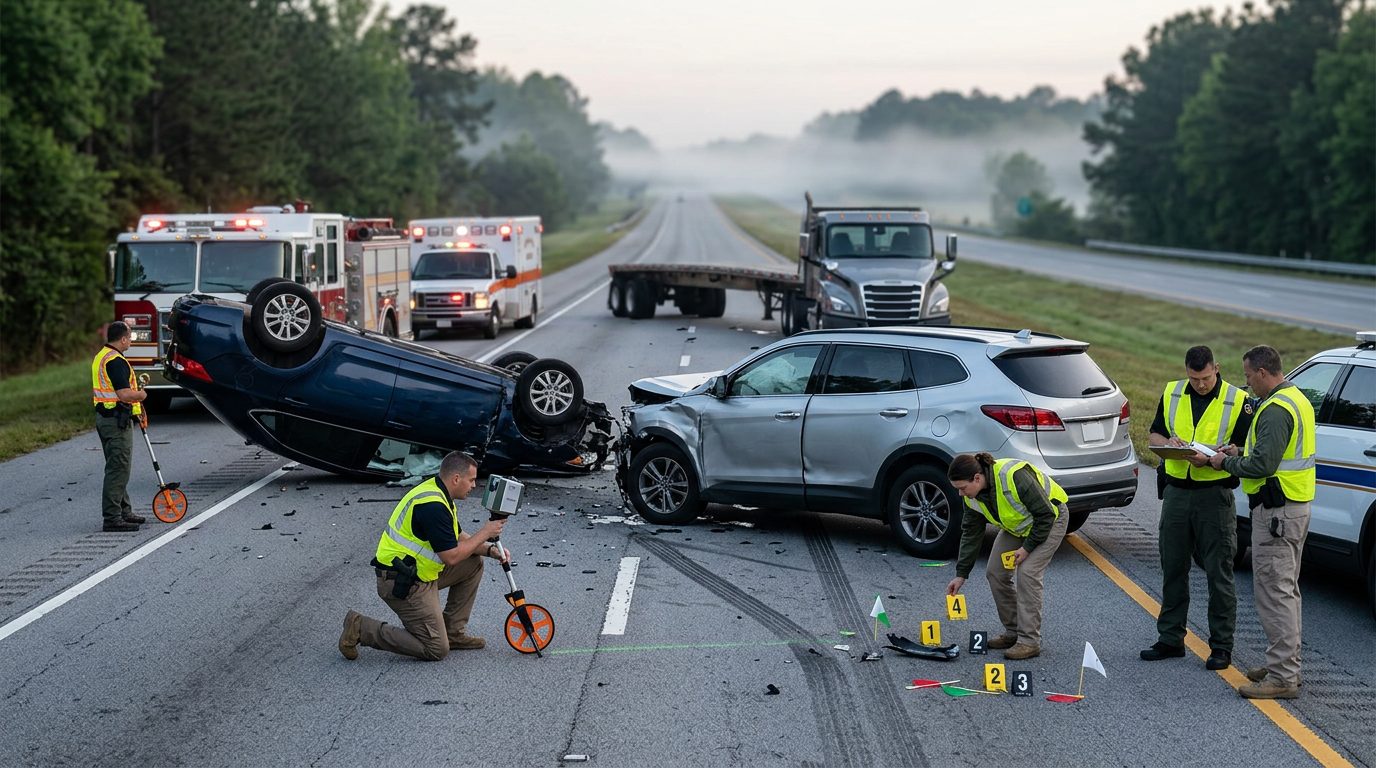
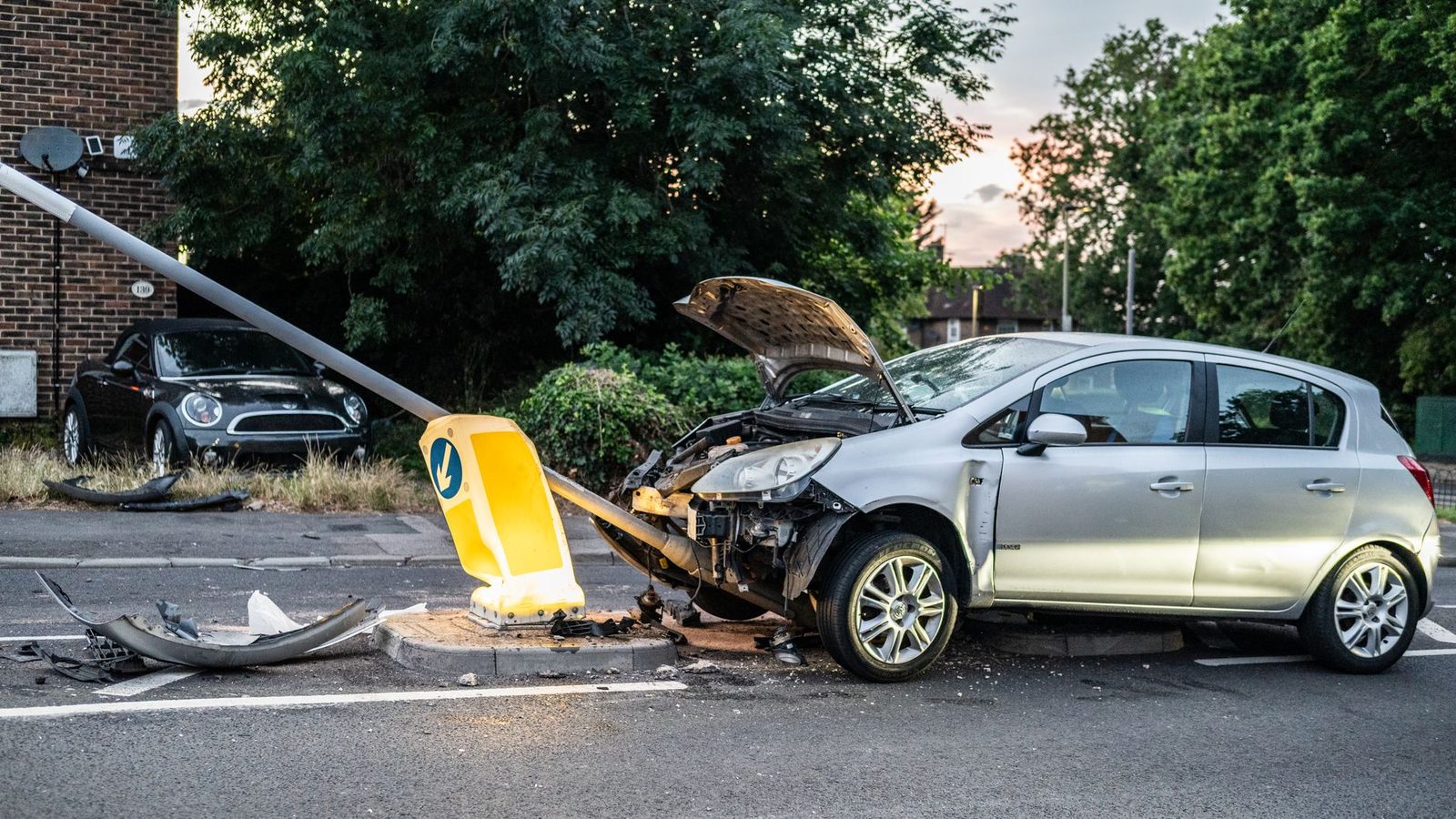
A driver operating under the influence strikes and kills a pedestrian or occupant of another vehicle. A truck driver falls asleep at the wheel, causing a multi-vehicle collision that results in death. A motorcyclist is killed in a crash caused by another driver’s failure to yield or distracted driving—such as texting or adjusting a navigation system. A passenger dies in a car accident caused by a driver’s speeding or reckless behavior on a Georgia highway. A commercial vehicle operator causes a fatal accident due to inadequate vehicle maintenance, such as failed brakes or worn tires.
In the motor vehicle accident cases our attorneys handle, negligence often involves violations of traffic laws, impaired driving, or failure to maintain safe vehicle conditions. Each scenario involves a breach of the duty all drivers owe to others on the road.
Wrongful Death Examples in Premises Liability and Slip and Fall
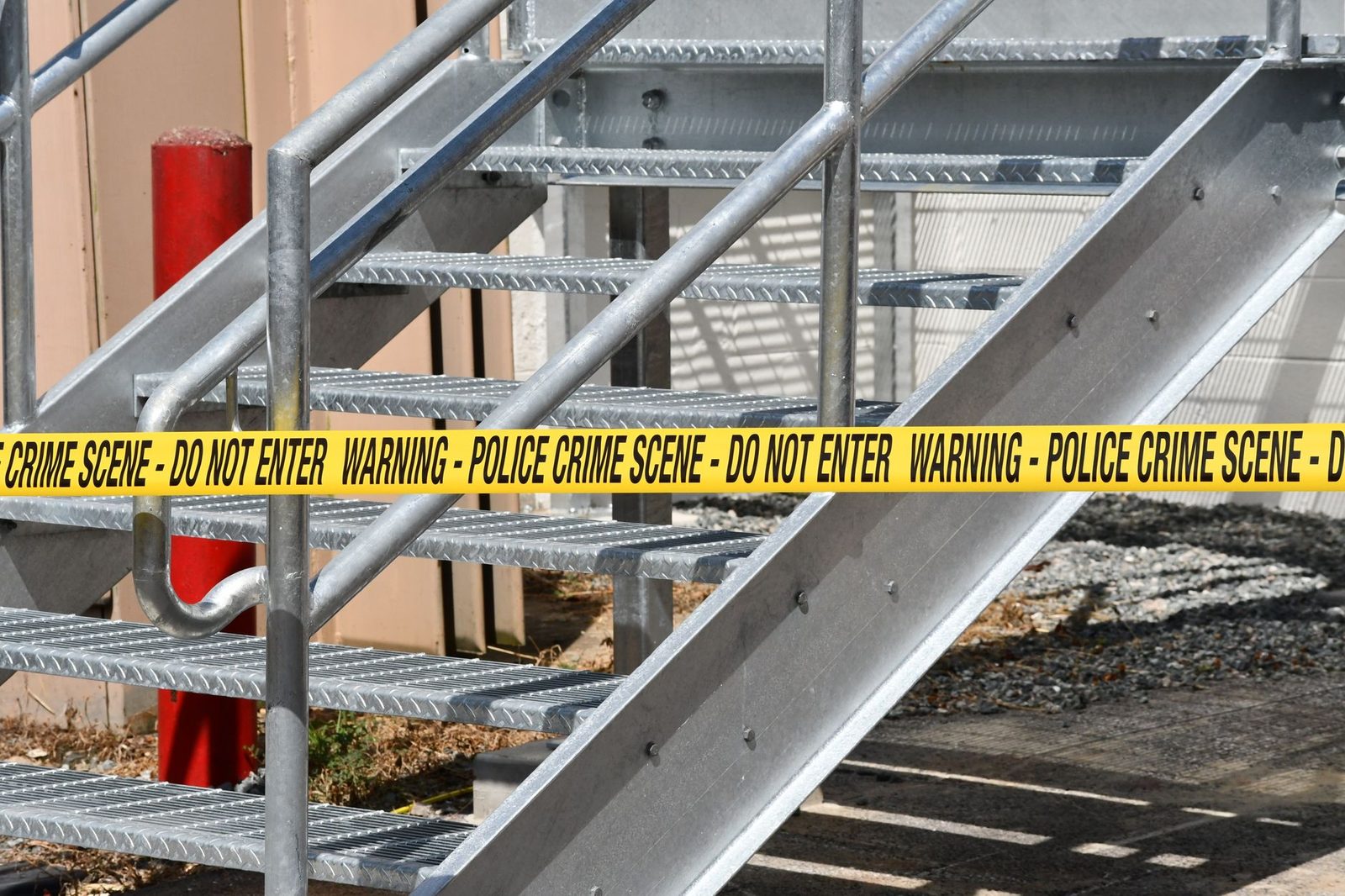
A person dies from injuries sustained in a fall on a property owner’s premises due to a hazardous condition that was not repaired or marked with a warning. A visitor is fatally injured after falling through a defective staircase or railing that the owner failed to maintain. A death results from a fall caused by inadequate lighting or poor maintenance of a commercial space, such as a grocery store or office building. A person dies after being struck by an object that fell due to the property owner’s negligence in securing or maintaining it.
Property owners have a duty to maintain their premises in a reasonably safe condition and to warn visitors of known hazards. When they fail to do so, and that failure results in death, surviving family members may have a wrongful death claim.
Not sure what your next step is?
Talk it through with our team — the first consultation is free, confidential, and carries no obligation.
Wrongful Death Examples Involving Dog Bites
A dog with a known history of aggression attacks and kills a child or adult. A fatal dog attack occurs on the owner’s property or in a public space where the owner failed to control the animal. A person dies from injuries or complications—such as infection, shock, or blood loss—following a severe dog bite.
Georgia recognizes that dog owners are responsible for controlling their animals and liable when a dog causes fatal injury, particularly when the owner knew or should have known the dog was dangerous.
Wrongful Death Examples in Nursing Home Settings
A resident dies due to neglect, such as failure to provide adequate nutrition, hydration, or medical care. A death results from medication errors or improper administration of medication by facility staff. A resident dies from injuries sustained in a fall that could have been prevented with proper supervision or safety measures. A death occurs due to abuse or mistreatment by nursing home staff or other residents under inadequate supervision.
Nursing home facilities have a duty to provide safe, adequate care to residents. When they fail to do so, and that failure contributes to a resident’s death, families may pursue a wrongful death claim.
Wrongful Death Examples Involving Negligent Security
A person is killed by a criminal on a property where security measures were inadequate or absent. A death results from a violent crime in a location where the property owner failed to provide reasonable security despite known risks—such as a history of crime in the area. A visitor is fatally injured during a robbery or assault at a business that did not maintain adequate lighting, locks, or security personnel.
Property owners and managers have a duty to provide reasonable security measures to protect visitors and customers from foreseeable criminal acts. When they fail to do so, and a death results, surviving family members may have a negligent security claim.
Can You Give Me an Example of an Accidental Death?
An accidental death is one that occurs without intent to harm, but results from negligence or failure to exercise reasonable care. A person dies in a car accident caused by another driver’s momentary distraction or failure to follow traffic laws. A death occurs when someone is struck by a falling object due to a property owner’s failure to secure or maintain it properly. A fatal injury results from a slip and fall on a wet floor that was not marked with a warning sign.
These deaths are “accidental” in that no one intended them to happen, but they are “wrongful” because they were caused by another’s negligence or breach of duty. The distinction matters: accidental deaths that result from someone else’s carelessness may support a wrongful death claim.
What Makes a Death “Wrongful” Under Georgia Law?
For a death to be classified as wrongful under Georgia law, several elements must be present. The death must be caused by the defendant’s negligence, recklessness, or intentional misconduct. The defendant must have owed a duty of care to the deceased person—a legal obligation to act safely or avoid harm. The defendant must have breached that duty through action or inaction. The breach must have directly caused the death; there must be a clear causal link between the defendant’s conduct and the fatal outcome. Finally, surviving family members must have suffered damages as a result of the death, such as loss of financial support, companionship, or emotional distress.
If someone you love died in circumstances involving another person's negligence or carelessness—whether in a vehicle accident, on an unsafe property, or in a facility's care—you may have questions about whether a claim exists for your family. Talk it through with our team — the first consultation is free, confidential, and carries no obligation.
Who Can File a Wrongful Death Claim in Georgia?
Under Georgia law, the following people may file a wrongful death claim:
- The spouse of the deceased
- Children of the deceased (including adopted children)
- Parents of the deceased (if the deceased had no spouse or children)
- Other dependents who relied on the deceased for financial support
These claims are typically filed by a representative of the deceased’s estate, such as an executor or administrator appointed under Georgia’s probate law. The representative acts on behalf of the family members and the estate.
Frequently Asked Questions
What’s the difference between wrongful death and criminal homicide?
Wrongful death is a civil claim seeking compensation for the family; criminal homicide is a criminal charge seeking punishment for the defendant. Both can arise from the same incident.
How long do I have to file a wrongful death claim in Georgia?
Georgia law sets strict time limits for filing. Consulting with an attorney early is essential to protect your rights.
Can I recover damages if the defendant was not convicted of a crime?
Yes. Wrongful death is a civil claim with a lower standard of proof than criminal cases. A defendant can be liable for wrongful death even if they were not criminally charged or convicted.
What damages can surviving family members recover?
Damages may include loss of financial support, loss of companionship and guidance, funeral and medical expenses, and pain and suffering of the family members.
Next Steps if You’ve Lost Someone
If you’ve lost a family member in circumstances that may have involved another party’s negligence—whether in a vehicle accident, on an unsafe property, in a nursing home, or due to inadequate security—you likely have many questions about whether a wrongful death claim applies to your situation. Understanding the facts and the law that applies requires a careful review of what happened and how Georgia law addresses it. Many families in your position reach out to discuss their loss and explore their options without any pressure or cost. Our team is here to listen and help you understand your rights.
Contact Slam Dunk Attorney for a free case review to discuss what happened and whether your family may have a claim. There’s no obligation, and many families find it helpful simply to talk through their situation with someone who understands Georgia wrongful death law.
Time Matters
Georgia law imposes strict deadlines for filing a wrongful death claim. The sooner you reach out, the sooner we can protect your family's rights and begin gathering evidence.
Common Wrongful Death Scenarios
Car, Truck & Motorcycle Accidents
Fatal collisions caused by reckless driving, speeding, impaired driving, or failure to follow traffic laws.
Pedestrian Accidents
Deaths resulting from a driver striking a pedestrian due to negligence or inattention.
Premises Liability & Slip and Fall
Fatal injuries on someone else's property due to unsafe conditions, poor maintenance, or negligent security.
Nursing Home Abuse & Neglect
Deaths caused by inadequate care, abuse, or neglect in a long-term care facility.
Dog Bites
Fatal injuries from a dog attack when the owner knew or should have known of the animal's dangerous propensity.
Negligent Security
Deaths resulting from foreseeable criminal acts that inadequate security failed to prevent.
Why Families Turn to Slam Dunk Attorney
Compassionate Guidance
We understand the grief and complexity of losing a loved one. We listen, explain your options clearly, and guide you through every step.
Focused on Your Family's Recovery
We pursue fair compensation for medical expenses, funeral costs, lost income, and the loss of your loved one's companionship.
Thorough Investigation
We gather evidence, consult experts, and build a strong case to hold the responsible party accountable.
Available When You Need Us
Based in Duluth, Georgia, we serve families across metro Atlanta and throughout Georgia with direct access to our team.
Your Family Deserves Answers and Advocacy
Related practice areas
- Can You Go to Jail for Wrongful Death? Georgia Law