
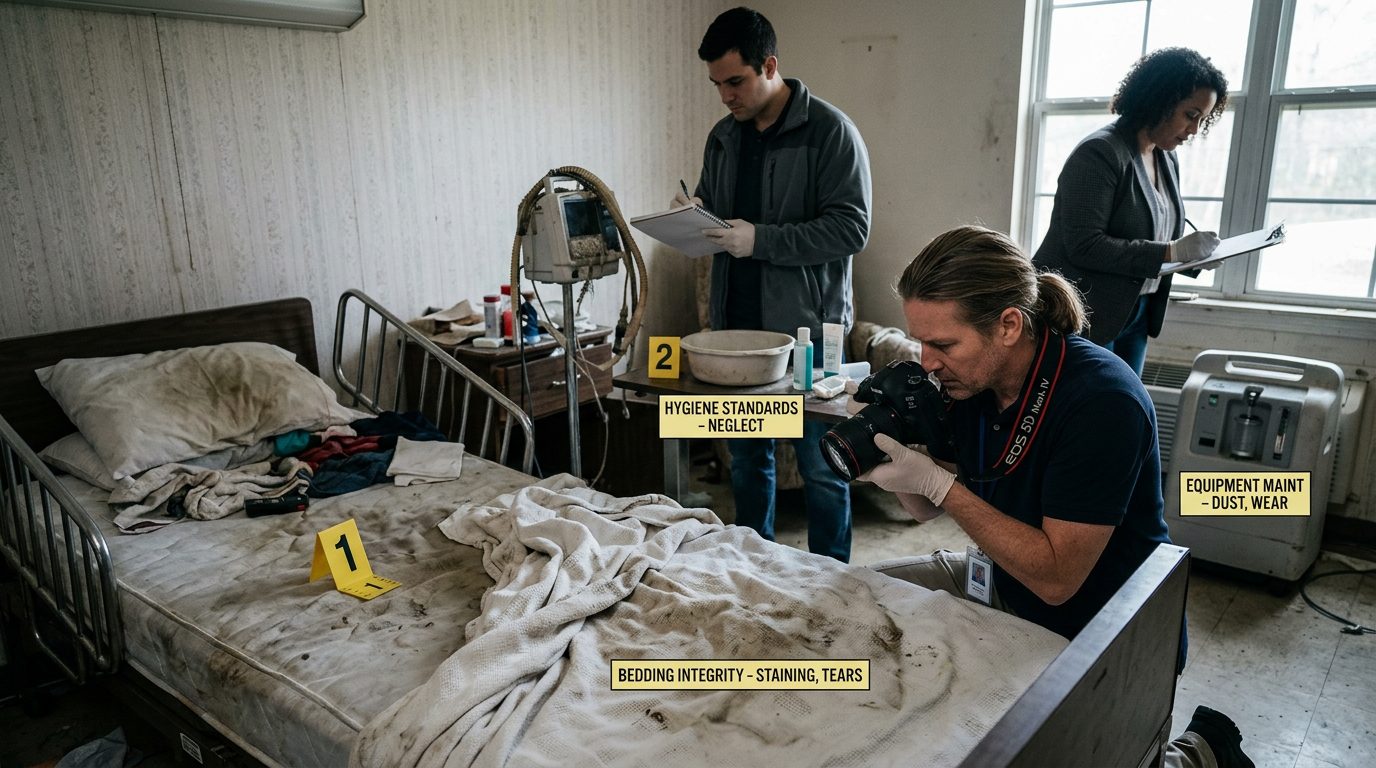
Nursing Home Abuse | Duluth, Georgia
Thinking About a Nursing Home Lawsuit? Start With Your Family's Questions
No odds figure can predict how your loved one's case will turn out. Slam Dunk Attorney, based in Duluth, Georgia, helps families across metro Atlanta understand what happened, what their options may be, and what the next steps look like.
By Peter F. Jaraysi · Published October 13, 2026
No reliable percentage exists for the chances of winning a lawsuit against a nursing home. Results depend on the facts of each resident’s care, the harm that occurred, the facility’s conduct, and Georgia law, which has exceptions. No lawyer can promise an outcome. This page explains what “winning” can mean, why odds figures don’t fit any one family, and how to think through your situation. If you’re reading this for a parent, you’re not alone in asking.
What “Winning” Means in a Nursing Home Lawsuit
Winning can mean a negotiated settlement, a judgment entered by a court, or a case that ends without any payment. Each path has its own terms, and those terms vary from case to case.
A settlement is an agreement that resolves the claim without a trial. A judgment is a decision a court enters after the case is heard. Neither one can be promised before the facts are known.
Which path a case takes depends on the facts, the evidence, the parties involved, and the law that applies. Lawyers cannot promise how any case will end. Anyone who promises it is making a claim they cannot back up.
If you’re asking this question, you may be worried about a parent or other relative in a facility. You may be dealing with a fall, an infection, a bedsore, a medication error, or a death. That is a lot to carry. Wanting straight answers before you decide anything is a reasonable response.
If your family is trying to make sense of what happened to a loved one in a Georgia facility, you don't have to sort through the facts alone; we're glad to talk them through with you. Talk it through with our team — the first consultation is free, confidential, and carries no obligation.

Why No One Can Give You a Reliable Odds Percentage
No reliable odds percentage exists because every nursing home claim turns on its own facts. A general number would describe a group of different cases, not yours.
Several factors shape how any single matter is analyzed. These include the resident’s health before care began, the care that was provided, what went wrong, when it happened, and who was responsible for each part of that care.
Online win rates and settlement figures are not a verified measure of how your matter will turn out. Many of these numbers come without a published method. They don’t show the facts, parties, or injuries behind them.
Georgia rules for these claims have exceptions. A general rule may not fit your dates or your family’s situation.
Be careful with any website that promises a result or names a dollar amount for your situation. That claim goes beyond what anyone can know before reviewing the facts and records.
Facts That May Be Considered in Evaluating a Possible Claim
The facts that may be considered include who provided care, what the written care plan called for, and how events unfolded. Each one is a question that depends on the facts. None of them predicts a value.
Questions families often ask include:
- Who was responsible for the resident’s care on each shift?
- What did the care plan call for, and was it followed?
- How were medications given and tracked?
- What incident reports did the facility write, and when?
- What did the hospital or physician records say about the injury?
Records like these document care. They show what care was given and when. They don’t, by themselves, decide who is responsible or what a claim is worth.
Georgia law says residents should receive care that is adequate and appropriate, given with reasonable care and skill and in line with applicable laws and regulations. Those rights are listed in O.C.G.A. § 31-8-108. Whether a facility met that standard depends on the facts.
The cause of an injury or death can also be disputed. Medical questions may require review of the resident’s medical information, and answers may not be clear at first. Medicare Care Compare publishes federal inspection information. That information reflects compliance at the time of an inspection. It doesn’t establish what happened to one resident.
Is It Difficult to Sue a Nursing Home?
Suing a nursing home can involve more parties and more steps than many families expect. How hard it is depends on the case.
A facility may be run by one company while care is provided through staffing contractors or other entities. Who may be responsible depends on the facts.
Records can be detailed and may take time to collect. A resident or representative has a right to inspect and receive copies of medical records unless medically contraindicated. The facility may charge a copying fee that does not exceed actual cost. This right of access appears in O.C.G.A. § 31-8-108.
Some medical malpractice claims require a sworn statement from a qualified professional filed with the complaint. O.C.G.A. § 9-11-9.1 contains this requirement for certain professional-malpractice actions. Whether it applies depends on the claims and parties.
Some families wait a long time before asking for records, which can slow down gathering them. Whether that affects a particular case depends on the facts.
So the process isn’t always hard, and it isn’t always simple. It depends on the case.
How Long a Nursing Home Lawsuit Can Take
A nursing home lawsuit has no fixed timeline. Timing depends on the facts, the parties involved, court schedules, and whether the matter resolves before trial.
Cases usually move through a few stages. The first is investigation, when the facts and records are gathered. Next comes filing the complaint, the document that starts the lawsuit. Then comes discovery, the formal exchange of information between the sides. The case may settle at any stage, or it may go to trial.
Each stage can take time. Records requests, depositions (recorded questioning under oath), and court calendars can all add weeks or months. Some matters move faster, and others take longer.
Once the facts are known, a lawyer can explain the likely sequence for your case. Until then, no one can give you a reliable schedule.
Why Settlement Figures Online Don’t Predict Your Case
Published settlement figures do not predict what your case will be worth, because each figure describes a different matter. Those examples can differ in the resident’s age and health, the injury, the number of defendants, the evidence, the law that applied, and the terms of the agreement. A headline number leaves out nearly all of those details.
Slam Dunk Attorney does not publish results or dollar figures for past matters. This page does not estimate what any case is worth, and no number on this page applies to your family.
Any compensation a family may be able to pursue depends on the facts of the case and on the law that applies to it. Georgia’s rules on who may bring a wrongful death claim, and how any recovery is divided among survivors, are set out in O.C.G.A. § 51-4-2. Who may recover depends on family circumstances.
Not sure what your next step is?
Talk it through with our team — the first consultation is free, confidential, and carries no obligation.
Deadlines Family Members Should Know About
Georgia generally sets time limits for filing injury and wrongful death lawsuits. These limits depend on the type of claim, and exceptions may apply.
For injuries to the person, O.C.G.A. § 9-3-33 generally provides a two-year period after the right of action accrues, though exceptions may apply depending on the facts. Other rules can apply to other claims.
Nursing home claims may fall under medical malpractice rules. Under O.C.G.A. § 9-3-70, that term is defined to include care rendered by a nursing home or its employees within the scope of employment. Exceptions to this deadline can exist depending on the facts, so please talk with a lawyer about your own situation.
Some people have extra time. O.C.G.A. § 9-3-90 covers people who were legally incompetent or under 18 when a claim accrued. Whether that applies depends on the facts.
Don’t assume a deadline doesn’t apply to your family’s situation, and don’t rely on a general rule. Talk with a lawyer about your own dates.
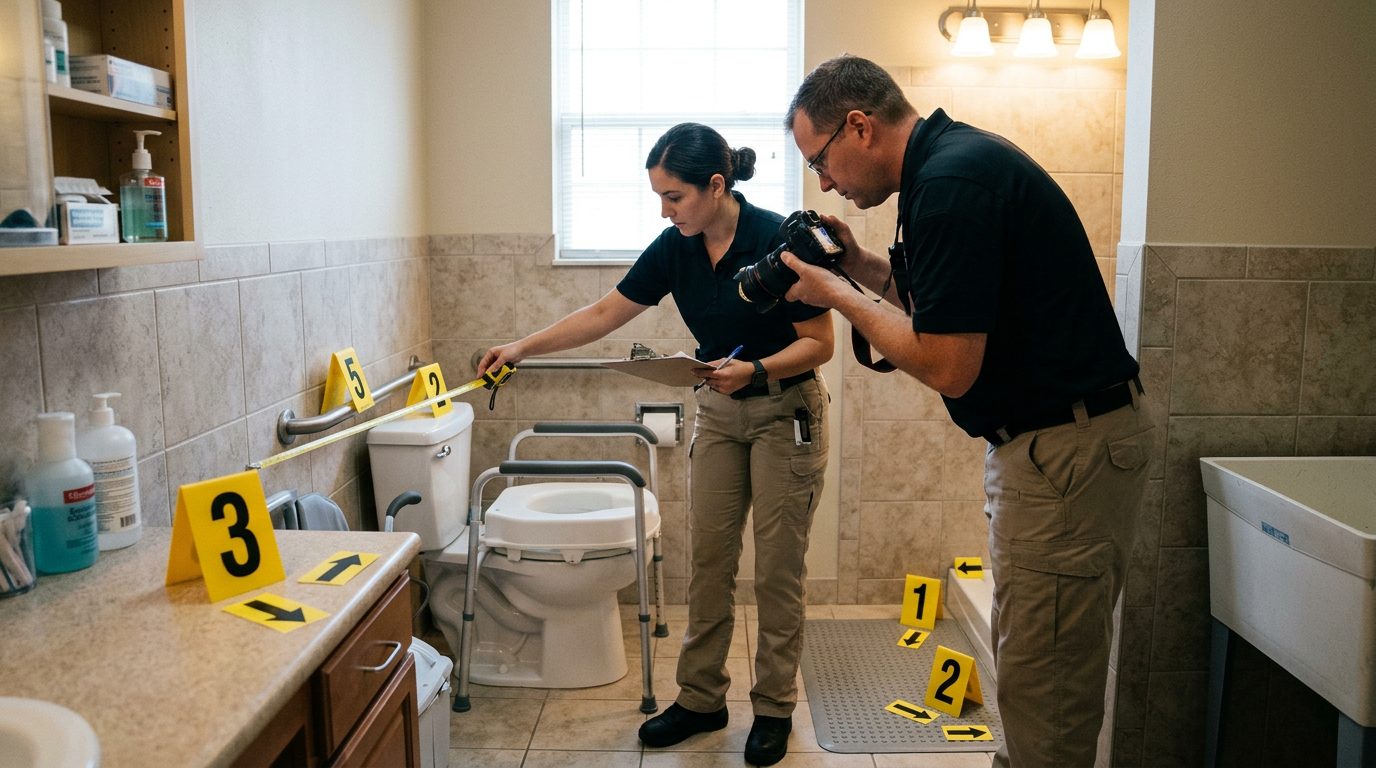
Talking Through Your Parent’s Situation With a Duluth Injury Lawyer
A loved one’s injury or death in a facility can raise questions your family never expected to ask. Writing down what you know, and keeping copies of letters, bills, and notices, can help you talk through the situation clearly.
If a spouse, child, or personal representative is considering a wrongful death claim, the answer depends on the family and the facts. O.C.G.A. § 51-4-5 covers when an administrator or executor may bring the action for the next of kin, if no one else is entitled to bring it.
What are the chances of winning a lawsuit against a nursing home?
No one can give a reliable prediction. Each case depends on its own facts, the records, and the law that applies.
Can you sue a nursing home in Georgia?
Whether a claim exists depends on the facts of your situation. A lawyer can review those facts and explain your options.
Is a nursing home lawsuit the same as a medical malpractice claim?
Not always. Whether a claim falls under medical malpractice rules depends on the facts and the claims asserted.
This page is general information, not legal advice. Reading it does not create a lawyer-client relationship. Slam Dunk Attorney is a personal injury firm based in Duluth, Georgia.
If you want to talk through the facts of your loved one’s situation, contact Slam Dunk Attorney for a free consultation.
How We Approach Your Questions
Plain answers, not promises
We explain how Georgia law may apply to a situation like yours. Whether a claim exists depends on the facts, and no outcome can be promised.
Records that document care
Care plans, incident reports, and medical records document what happened to your loved one. Reviewing them is a step toward understanding the facts.
Family-focused conversations
We listen to the concerns of the people who love the resident, including questions about safety, communication with the facility, and what comes next.
Clear about costs and fees
Fees and case costs are explained in your written fee agreement. Ask us to walk you through it before you decide anything.
A Caution About Odds Figures
Articles that quote a win rate or percentage for nursing home lawsuits can create false expectations. Those numbers do not account for your loved one's medical history, the specific care they received, or the facts of the case. Consult a lawyer about your own situation before relying on any general figure.
Questions to Think Through With a Lawyer
What happened to my loved one?
Write down the changes you have noticed, such as injuries, infections, weight loss, or medication concerns, along with approximate dates.
What did the facility document?
Care plans, incident reports, staffing information, and visitor notes may help show what care was provided. Keep copies of anything you receive.
Who was responsible for care?
The facility, its staff, contractors, or other parties may be involved. Whether any of them may be legally responsible depends on the facts and on Georgia law.
What are the time limits?
Deadlines for filing a lawsuit can depend on the type of claim and other circumstances, and exceptions may apply. Speak with a lawyer promptly so your options are clear.
Talk Through Your Loved One's Situation
Related practice areas
- Premises Liability Attorney Atlanta GA | Slam Dunk Attorney