
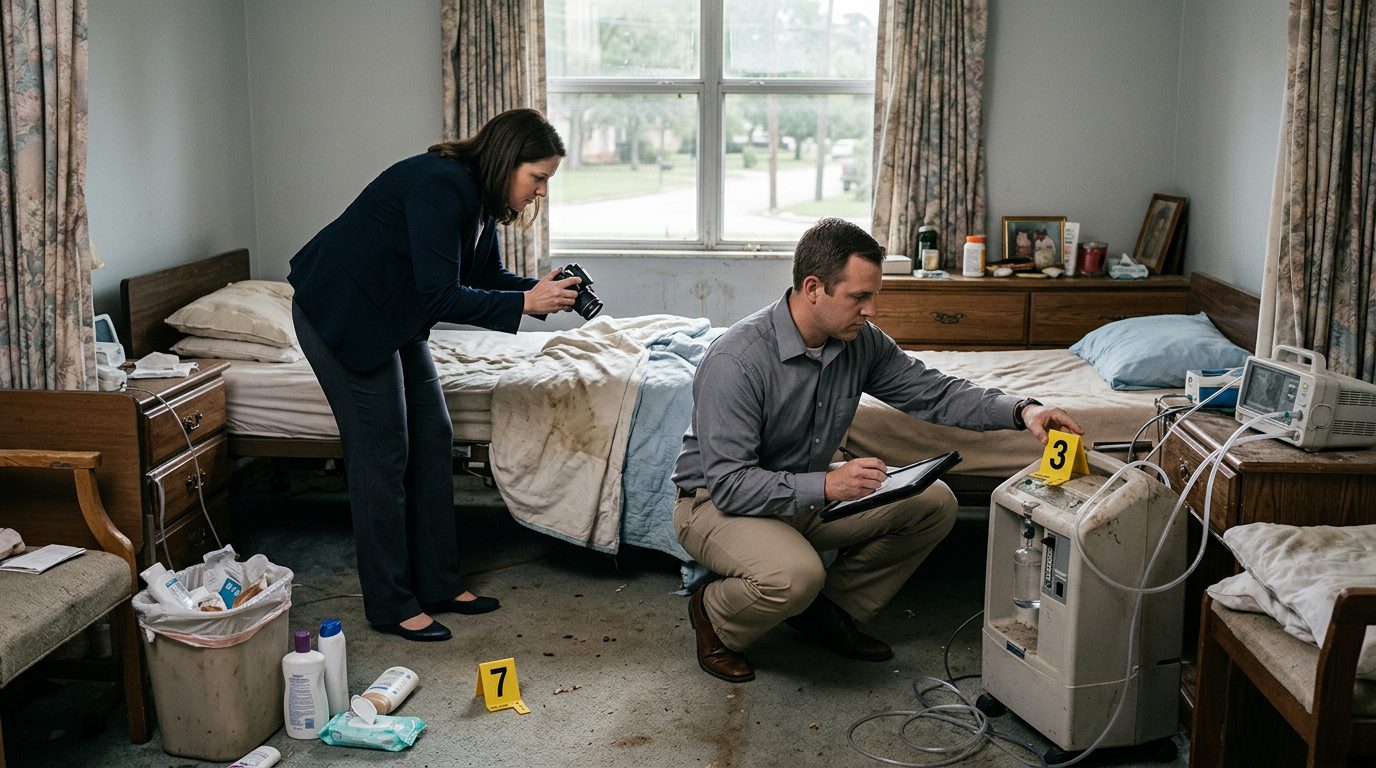
Nursing Home Abuse | Duluth, Georgia
Concerned About a Nursing Home? Here's How to Report It in Georgia
A plain-language guide to filing a report online, what to include, and how to decide whether to share your name. If you are worried about a loved one, you do not have to figure this out alone.
By Peter F. Jaraysi · Published October 19, 2026
To anonymously report a nursing home online in Georgia, use the official complaint form of the state agency that oversees the facility. Leave your name blank only if that form allows it. Ask the agency first how it protects the identity of the person who files.
This page walks through that process in plain steps. It is general information, not legal advice about your situation.
Start Here: What Anonymous Reporting Means
Anonymous reporting means your name is not shared publicly. It does not always mean the agency has no way to reach you.
Maybe you are worried about a parent or grandparent. Maybe you are the resident, and you feel afraid to speak up. Many people reach this point with a loved one in a facility and no clear next step.
Agencies may still ask for contact information so they can follow up. Some forms make that optional and others don’t. Practices can differ from one agency to another, so ask each one how it handles the identity of the person who files.
Families often wonder what standards apply to the facilities where their loved ones live. Under O.C.G.A. § 31-8-108, each resident shall receive care, treatment, and services which are adequate and appropriate, provided, among other requirements, “with reasonable care and skill,” “in compliance with applicable laws and regulations,” “without discrimination in the quality of a service based on the source of payment for the service,” and “with respect for the resident’s personal dignity and privacy.”
Federal rules add a baseline. Nursing home residents depend on staff for their safety and daily care, so any sign of abuse or neglect deserves careful attention. Knowing these rights helps you describe what you saw in clear terms.
If you are weighing whether to report what you saw, or what comes next for your loved one, our team is glad to talk with you in a confidential first conversation. Talk it through with our team — the first consultation is free, confidential, and carries no obligation.
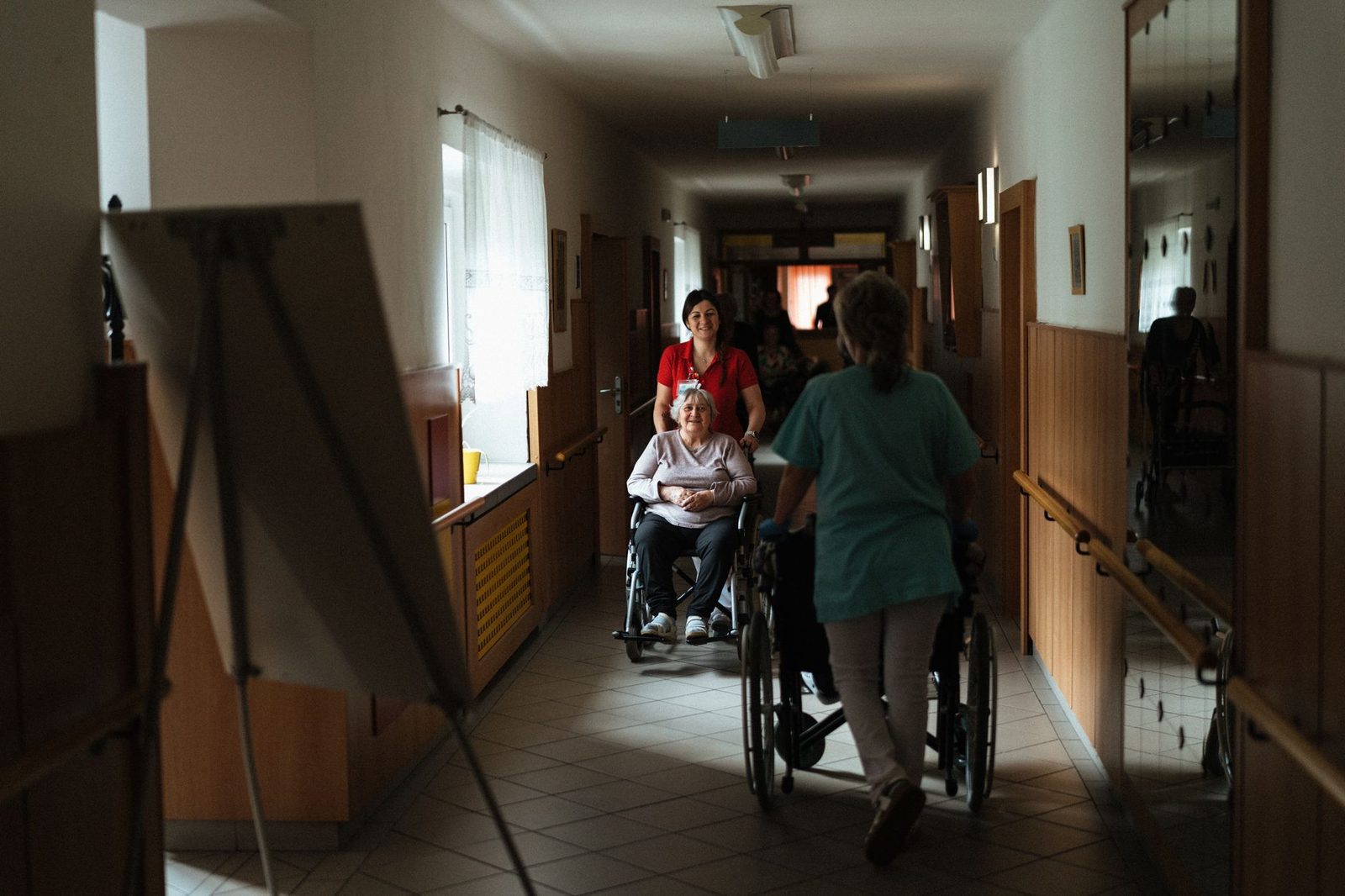
Gather Basic Details Before You Report
Before you report, gather the resident’s full name, the room or unit, and the facility’s full name and address. The agency needs these facts to find the right place and the right file.
Next, write down what you saw and when. Note the dates and times of each incident. Note how often it has happened, even if you are unsure of the exact count.
Describe the problem in plain words. Examples include unexplained bruises, falls, weight loss, bedsores, dirty rooms, missed medications, or a sudden change in behavior. Write what you saw, not what you think caused it.
List any staff members involved, if you know their names. Also note other residents or family members who saw the same events.
Keep medical records, photos, texts, and notes in a safe place. Do not change or edit them. Under O.C.G.A. § 31-8-108, each resident may inspect and receive a copy of the medical records, unless medically contraindicated. The facility may charge a fee, but that fee cannot exceed actual cost.
Where to Report Nursing Home Abuse in Georgia
The main places to report are the state agency that oversees licensed facilities, the long-term care ombudsman program, and law enforcement. The right choice depends on how urgent the concern is.
The Georgia Department of Community Health covers oversight of long-term care facilities. Its page explains how residents or others can raise concerns about resident safety or care.
The Georgia Long-Term Care Ombudsman Program advocates for residents of these facilities. You can raise a concern with the program as well as with the state agency.
The Georgia Judicial Branch lists statewide hotlines for reporting suspected abuse, neglect, or exploitation of an older adult or an adult with a disability in a long-term care facility.
If a resident is in immediate danger, or a crime may have happened, call 911. Police can respond to the facility right away.
You may also notify the facility’s administrator or director of nursing in writing. That notice goes to the facility itself. Many families do this alongside an agency report, and it creates a dated record.
How to Submit an Online Complaint, Step by Step
To file online, find the agency’s official complaint form and fill it out in order. Start from the Department of Community Health page linked above, which explains how to raise a concern about a facility.
Enter the facility’s name and address first. Then select the type of concern, such as abuse, neglect, injury, or unsafe conditions. Pick the closest category, and use the description box to add detail.
Describe events in order. Use dates, times, and facts. Avoid conclusions like “they don’t care.” Say instead, “On March 3, I saw a bruise on her left arm that the staff did not explain.”
Review the form before you submit it. Check spelling of names and dates. Save any confirmation number or reference the system gives you.
Keep your own written record of what you reported and when. Store a copy of the form and any confirmation. This record helps if you need to add details later.
Anonymity: Questions to Ask Before You Submit
Before you submit, ask whether the form lets you leave your name blank. Also ask what contact details are required.
Ask how the agency protects the identity of the person who files and the resident. Ask whether the agency can share the report with the facility, and whether you can request records later.
Think about your own details. A report that describes a private conversation or a detail only one person knew can point back to the reporter. Consider this before you write.
Some families pair an anonymous report with a named, written notice to the facility. Others speak with the resident’s doctor about what they observed. Each path has tradeoffs, so think about what fits your family’s situation.
Choose the option that protects the resident and the reporter. Ask questions early, before you submit, so the choice is yours to make.
What Happens After You Report
After a report, the agency typically reviews it. It then decides whether the matter needs an inspection or investigation. The agency may also contact the facility.
Timelines vary by agency and by how serious the complaint is. Do not expect a set date for results. Plan to wait, and keep watching the resident’s condition in the meantime.
Findings may be shared with the facility. Under O.C.G.A. § 31-8-126, when a violation occurs, the department orders the facility to correct it. If the facility does not correct it within a reasonable time, the department may order it to stop admitting residents until the violation is fixed.
A report can lead to corrective steps. Each case turns on its own facts.
Keep watching the resident after you report. If the situation gets worse, report again and add the new details to your written record.
Not sure what your next step is?
Talk it through with our team — the first consultation is free, confidential, and carries no obligation.
When a Report Is Not the Only Step
A report to a state agency is separate from a civil claim for money damages. The two can run at the same time.
Georgia law allows a person harmed by a facility’s failure to honor residents’ rights to sue. Under O.C.G.A. § 31-8-126, that person may bring a cause of action for damages, and may do so without first using administrative relief.
Time limits matter. Under O.C.G.A. § 9-3-33, actions for injuries to the person must be brought within two years after the right of action accrues. Loss of consortium claims have a four-year period under the same section.
When a resident dies, a different law may apply. Under O.C.G.A. § 51-4-2, a surviving spouse or, if there is no surviving spouse, a child or children may recover for the homicide of the spouse or parent the full value of the life of the decedent, as shown by the evidence.
Keep medical records, bills, and notes in one place. These documents matter for a complaint and for any later claim.
Frequently Asked Questions
Can I report a Georgia nursing home without giving my name?
You can ask. Each agency sets its own rules, so check the form and ask how it handles the identity of the person who files.
Can I report a nursing home in Georgia by mail or phone?
Check the agency’s listed options. Ask which ones allow you to leave your name off the report.
Do I have to be the resident to file a complaint?
No. A family member or friend can often report on the resident’s behalf. Include your relationship and how you know what you saw.
How is a complaint different from suing a nursing home?
A complaint asks a state agency to review and act on a facility’s conduct. A lawsuit is a civil claim for damages brought in court.
What if the resident is in immediate danger?
Call 911 first. Then report the concern to the state agency and keep a written record.

Talk With Our Team About Your Loved One’s Situation
If you noticed unexplained bruises on a parent after a move, or a sudden decline you can’t explain, you may be deciding whether to report, step in, or seek legal advice. That is a hard place to stand, and you do not have to decide everything today.
Our team is glad to talk through what you have seen and what options exist. Contact Slam Dunk Attorney through our contact page to ask questions. Our free first consultation is confidential and comes with no obligation to continue.
This page is general information, not legal advice. Peter F. Jaraysi is the responsible lawyer for Slam Dunk Attorney, based in Duluth, Georgia. Contact details are on our contact page.
Why Reporting Matters
Protecting residents
Reports help state regulators look into possible neglect, abuse, or unsafe conditions so that problems can be checked and addressed.
Creating a record
A clear, dated report gives investigators a starting point and can help show patterns that might otherwise go unnoticed.
Speaking for someone who cannot
Residents who are frail, confused, or afraid to speak up often depend on family and friends to raise concerns on their behalf.
How to Prepare Your Report
1. Write down what you saw
Note the facility name, the resident's name, dates, times, and specific events. Describe what you observed in plain words.
2. Gather supporting details
Photos, messages, medical notes, or staff names can help. Keep copies of anything you share and store originals safely.
3. Check the reporting options
Review the form or contact instructions on the agency's website. Each agency sets its own process for online complaints, so read the instructions before you submit.
4. Ask about your name
Before you submit, look for how the agency handles the identity of the person who files. Rules on anonymity vary, so confirm them directly with the agency.
Important: Your Safety Comes First
If a resident is in immediate danger, call 911 right away. Online reports are not a substitute for emergency help. Keep a copy of your report and the date you submitted it.