
Nursing Home Abuse | Georgia Guide
How to Prevent Elder Abuse in Nursing Homes: A Georgia Guide
Practical, plain-language steps families can take to stay involved in a loved one's care, from our Duluth, Georgia office.
By Peter F. Jaraysi · Published October 11, 2026
How to Prevent Elder Abuse in Nursing Homes: A Family Guide
Families can help prevent elder abuse in nursing homes by visiting often, knowing the staff, reading the care plan, writing down concerns, and reporting problems in writing. No single step stops every case. This page is general education, not legal advice.
If your parent's care in a nursing home has left you uneasy, you don't have to sort out the next step alone, and we're glad to talk through your questions in a free case review. Talk it through with our team — the first consultation is free, confidential, and carries no obligation.
Why Families Are Asking This Question
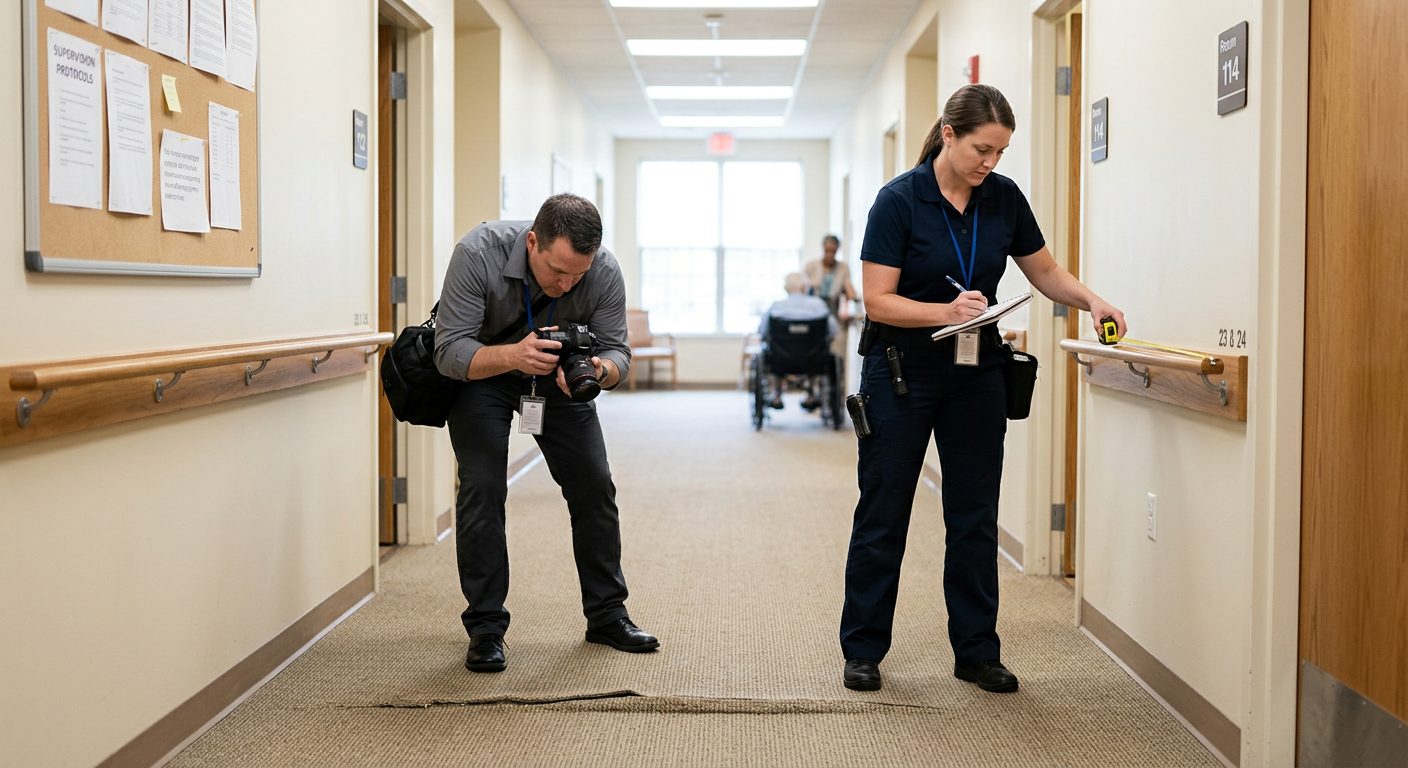
Families usually ask this question after something feels off. A parent seems quieter than usual, a bruise appears with no clear explanation, or a staff answer doesn’t match what you heard last week. Some readers are the residents themselves, asking how to protect their own dignity and rights.
Every situation depends on its own facts. This guide covers prevention, recognition, and reporting in plain terms. It does not decide whether any person or facility did something wrong. If harm has already happened, the section near the end explains what to think about next.
Georgia has a resident bill of rights in state law. O.C.G.A. § 31-8-108 describes care that is adequate and appropriate, given with reasonable care and skill. How that standard applies depends on the facts of each case.
The Main Forms of Elder Abuse and Neglect in Nursing Homes
Elder abuse is harm done to an older adult. Neglect is the failure to provide care the resident needs. Both can happen in a nursing home, and they often overlap.
Physical abuse means hitting, rough handling, or injuries with no clear cause. Emotional abuse means threats, insults, humiliation, or cutting a resident off from others. Financial exploitation means taking or misusing money, property, or checks. Sexual abuse means any unwanted sexual contact.
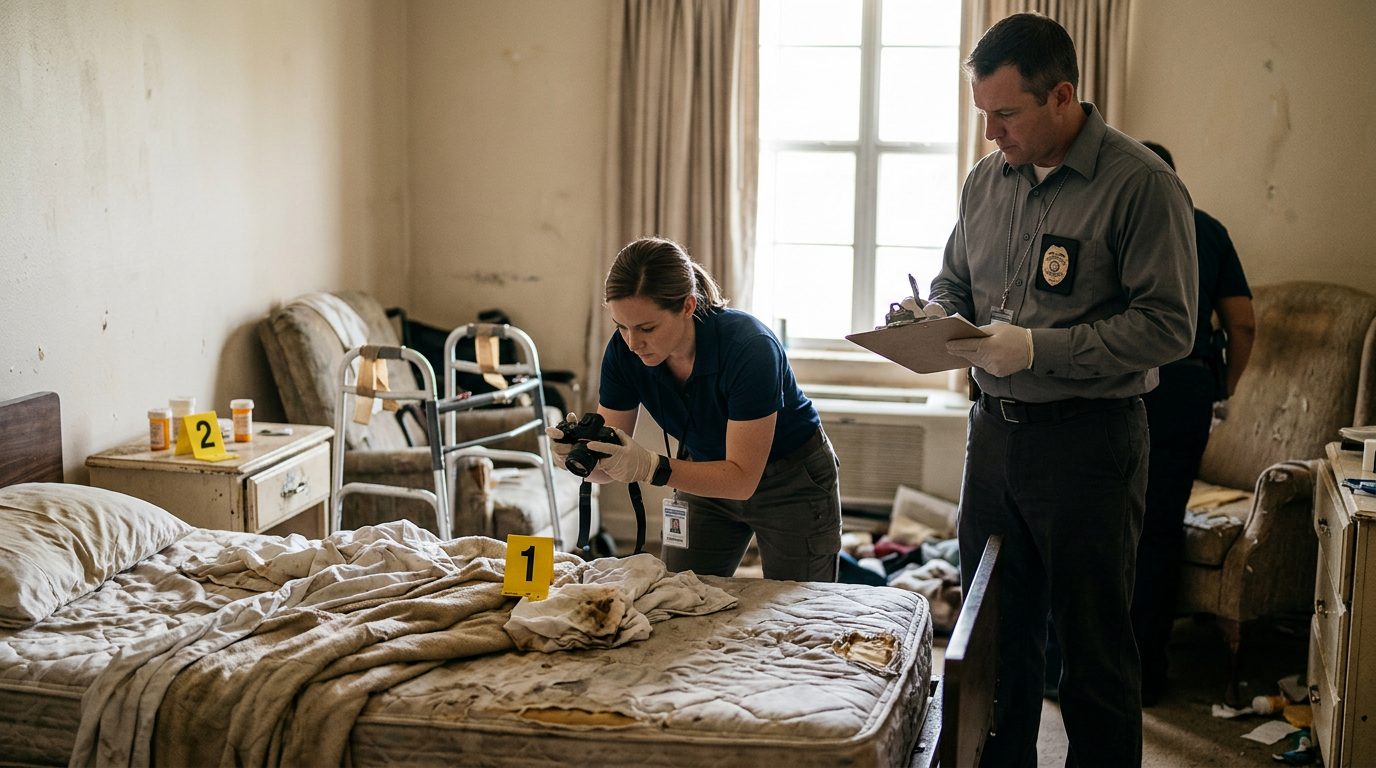
Neglect is often quieter. It can mean missed meals, water that is out of reach, skipped medications, poor hygiene, or no response to a medical problem. Neglect can build slowly through missed tasks rather than one single event.
Restraints need special attention. Families can ask whether any restraint is ordered by a physician, written into the care plan, and checked by staff. Families who are worried about how a loved one is being treated in a nursing home can talk with a lawyer about their concerns and about what options may exist based on the facts of their situation.
Risk Factors on the Resident Side and the Caregiver Side
Risk factors are conditions that research links with a higher chance of mistreatment. They are not causes. Having one does not mean abuse has happened, and many residents with these conditions are never mistreated.
On the resident side, factors can include memory loss, needing help with bathing or eating, and social isolation. A resident who has trouble speaking or has few visitors may have fewer ways to raise a concern. Families should keep this in mind when they plan visits and calls.
On the caregiver side, factors can include stress, burnout, limited training, long shifts, and little support from supervisors. Facilities may review these areas when they look at staffing and daily routines. Still, a factor is a reason to ask questions, not proof of anything.
The National Institute on Aging, part of the NIH, studies elder abuse and its warning signs. This guide avoids statistics because no verified figure is cited here.
Institutional Factors: Staffing, Training, and Supervision
Staffing levels, staff training, supervision, and turnover are common topics when people discuss nursing home quality. These are facility-level factors. They shape how often a resident gets help, how quickly staff respond, and whether new workers understand the rules.
Families can ask direct questions. How many staff work each shift? How is new staff trained to recognize and report abuse? How often do aides change? What happens when a staff member is reported? The answers depend on each facility’s own records and policies.
Federal and state requirements for nursing homes exist. Families can ask the facility how it meets them. For current requirements and facility information, check official sources. Medicare Care Compare lists nursing home information, including inspection ratings and other facility data.
Warning Signs Families Can Watch For
Warning signs are changes you can see, hear, or record. They are reasons to ask questions and write notes. Common examples include:
- Unexplained bruises, cuts, burns, or fractures
- Pressure sores or skin breakdown
- Sudden weight loss or signs of dehydration
- Poor hygiene, soiled bedding, or dirty clothing
- Unexplained withdrawal, or fear of a particular staff member
- New changes in mood, sleep, or appetite
- Missing belongings, or unexplained changes in money or bills
These signs can have other causes. A fall, an illness, or a medication side effect can produce some of them. A sign alone does not show that abuse happened. Whether any sign points to abuse depends on the facts.
A resident who cannot describe what happened may still show signs. Look at patterns over time, and write down what you notice and when.
Not sure what your next step is?
Talk it through with our team — the first consultation is free, confidential, and carries no obligation.
Practical Steps Families Can Take to Reduce Risk
Start by checking the facility’s visitor policy so you know the rules. Then build a routine that keeps you present in daily life.
Visit at different times of day and on different days of the week. Learn the names of the staff who care for your relative. Ask who is assigned to the resident’s care on a regular basis.
Review the care plan and ask how changes are shared with the family. Ask about medications, therapy, and nutrition plans, and ask whether they are being followed.
Keep a simple written log. Note the date, the time, what you observed, who you spoke with, and what they said. A log is a record of care and visits. It is not something that strengthens or improves any claim, and it does not replace the facility’s own records.
Keeping Residents Engaged, Connected, and Involved
Social contact and daily activities are often described as supporting a resident’s wellbeing. They also give more people a chance to notice changes in a resident’s mood, appetite, or behavior.
Families can stay involved in several ways. Schedule regular visits, call or video chat on a set schedule, and ask about activity programs. Where a resident council or family council is offered, families can ask about joining.
Engagement does not prevent abuse in every case. It is one part of a larger picture that also includes staffing, supervision, and clear reporting.
How to Report a Concern About a Nursing Home
Start with the facility’s administrator or director of nursing. Describe the concern clearly, and ask that it be written down. Ask for a written response if you can.
If the concern is not resolved, families can contact the state agency that oversees nursing home licensing. Georgia’s long-term care ombudsman program and Georgia adult protective services also take concerns. Confirm current phone numbers and addresses on official state websites before you call.
In an emergency, or if you think a crime has happened, call 911 or local law enforcement right away.
Rules on mandatory reporting depend on the reporter’s role and the facts. Check current Georgia requirements, or ask a lawyer how they apply to you.
What Families Should Know If Harm Has Already Happened
If a resident has been harmed, or a family has lost a loved one, questions about legal options are common. Georgia law says a person harmed by a long-term care facility’s violation of a resident right may have a cause of action for damages. Whether a claim succeeds depends on the facts.
Georgia’s general time limit for personal injury actions is two years under O.C.G.A. § 9-3-33 (Cameron v. JMP Pizza, Inc. (2026)), though exceptions may apply depending on the facts, so it is important to talk with a lawyer about your own case. Exceptions exist, and how the deadline applies depends on the facts of your situation. Ask a lawyer about your own timeline.
For general reading, see the firm’s wrongful death pillar page and its Atlanta nursing home wrongful death page. Reading them does not create any relationship with the firm.
Frequently Asked Questions About Preventing Nursing Home Abuse
What are some strategies to prevent elder abuse?
Visit at different times, get to know the staff, review the care plan, and keep written notes of concerns. Report problems in writing to the administrator first.
What are the signs that a nursing home is in bad condition?
Watch for repeated unexplained injuries, pressure sores, weight loss, poor hygiene, or a resident who seems afraid or withdrawn. Medicare Care Compare offers facility information that can help you ask better questions.
What are 5 ways to prevent abuse?
First, visit at varied times. Second, know the staff caring for your relative. Third, review the care plan and medication list. Fourth, keep written notes. Fifth, report concerns in writing. No single step can ensure prevention.
What are the three R’s of elder abuse?
Some educational materials use the phrase “three R’s” when discussing elder abuse. The sources reviewed for this page do not define it, so this guide does not offer a definition.
If your parent's care in a nursing home has left you uneasy, you don't have to sort out the next step alone, and we're glad to talk through your questions in a free case review. Talk it through with our team — the first consultation is free, confidential, and carries no obligation.
Talk With Our Duluth, Georgia Team About Your Family’s Situation
If a parent or relative is in a nursing home and something has you uneasy, you may be trying to tell whether a worry is a real problem. You don’t have to answer that question on your own. Slam Dunk Attorney, a personal injury firm based in Duluth, Georgia, offers a free case review. Reach out through the contact page to talk through your questions. No result can be promised.
Disclaimer: This page is general information, not legal advice. Reading it does not create an attorney-client relationship. Slam Dunk Attorney, Duluth, Georgia. Contact: slamdunkattorney.com/contact-us. Every case depends on its own facts, and no outcome can be promised.
Ways Families Can Stay Involved
Visit at different times
Stopping by on weekdays, evenings and weekends can give you a fuller picture of daily life and care at the facility.
Get to know the staff
Learning the names of nurses, aides and administrators can make it easier to ask questions and raise concerns when they come up.
Review the care plan
Ask to see your loved one's care plan, understand what it includes, and ask how it is updated as needs change.
Keep written notes
Record dates, times, observations and conversations. Written notes can help you track changes over time.
Report concerns in writing
Start with the facility administrator and keep a copy of everything you send. Written reports create a record of what was raised and when.
Signs That Deserve a Closer Look
Repeated unexplained injuries, pressure sores, unexplained weight loss, poor hygiene, or sudden changes in mood, withdrawal or fear around certain staff can be warning signs. These signs do not prove abuse or neglect on their own, but they are reasons to ask questions and document what you see. Whether any situation involves a legal claim depends on the facts. If you have concerns, a lawyer can review your specific circumstances.
If You Have Concerns, Consider These Steps
Document what you see
Write down what you notice, when you notice it, and who was present. Photos taken with dates may also help, where the facility allows it.
Ask for answers in writing
Request written explanations from the facility about injuries, medication changes or care decisions, and keep copies of the responses.
Check on your loved one often
Regular visits and calls can help you notice patterns, such as changes in appetite, sleep or personal care, before they become serious.
Talk with a lawyer about your situation
Every situation is different. Speaking with our team can help you understand how the facts of your loved one's case may apply to Georgia law.