
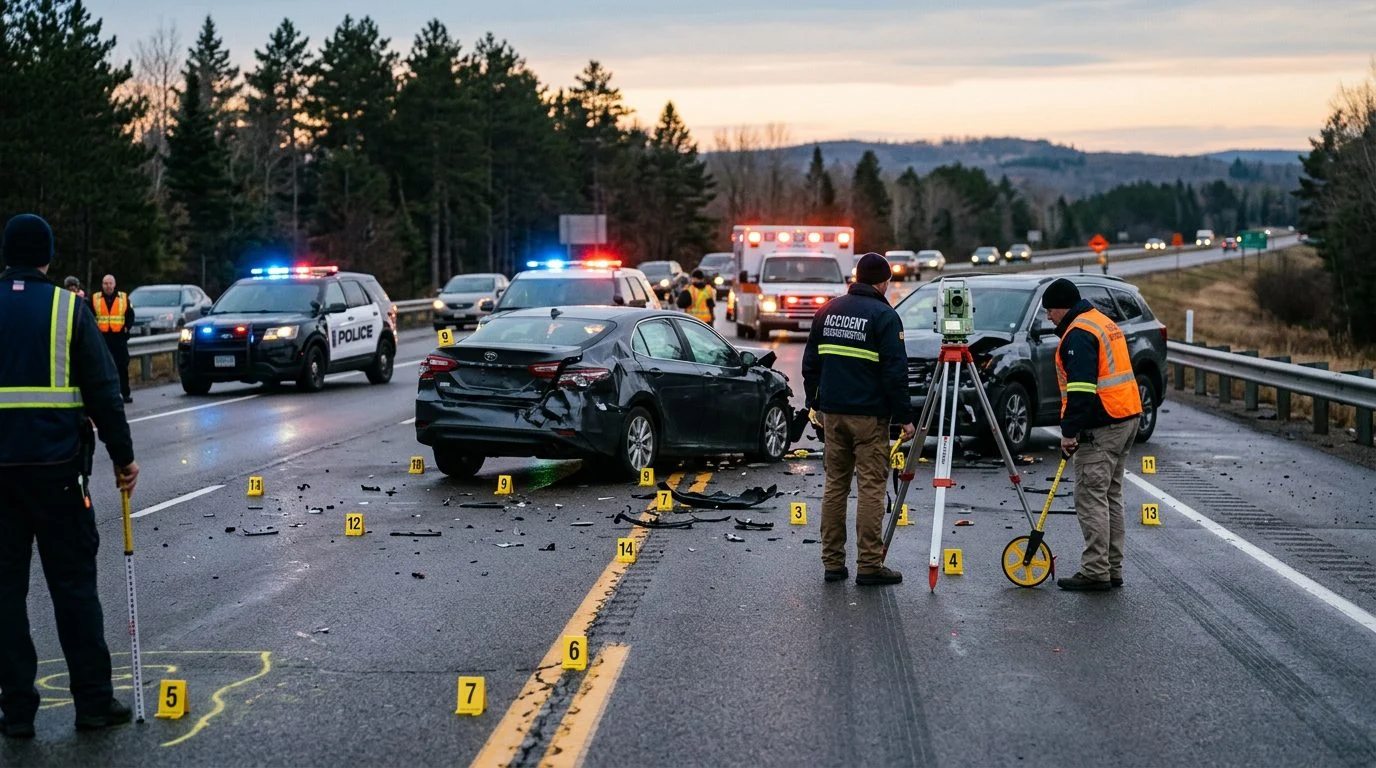
Wrongful Death Attorneys | Duluth, Georgia
Helping Families Hold Responsible Parties Accountable
When a loved one dies because of someone else's negligence, the grief is overwhelming. Slam Dunk Attorney represents families in Duluth, metro Atlanta and across Georgia. Our team offers a free, confidential first consultation with no obligation to continue.
By Peter F. Jaraysi · Published November 2, 2026
A Georgia wrongful death claim is a civil lawsuit that a family can bring after a person dies because of someone else’s negligence or wrongful conduct. Slam Dunk Attorney is a personal injury firm based in Duluth, Georgia. The firm represents families in wrongful death matters across metro Atlanta and throughout Georgia. This page explains who can file, what a claim may cover, the deadlines that matter, and what happens at your free first consultation.
What a Georgia Wrongful Death Claim Is and Who It Is For
A wrongful death claim asks a court to award money to the family for losses caused by a death. Generally, the surviving spouse may bring the claim. If there is no surviving spouse, a child or children may bring it. Georgia law says the surviving spouse or, if there is no surviving spouse, a child or children may recover for the death of a spouse or parent the full value of the life of the decedent, as shown by the evidence.
If no one in those groups can sue, the estate’s administrator or executor may bring the action for the next of kin. This is the personal representative route. The recovery still follows the full value of the decedent’s life.
A wrongful death claim is separate from any criminal case. A civil claim seeks compensation for the family. A criminal case is brought by the government.
This page is for families asking whether a loss may be legally actionable. The free consultation is the place to confirm who can file in your situation.
If a crash, unsafe property, or care setting has taken your loved one, you don't have to sort out the next steps alone. Request a free consultation or call us for a free case review. Talk it through with our team — the first consultation is free, confidential, and carries no obligation.
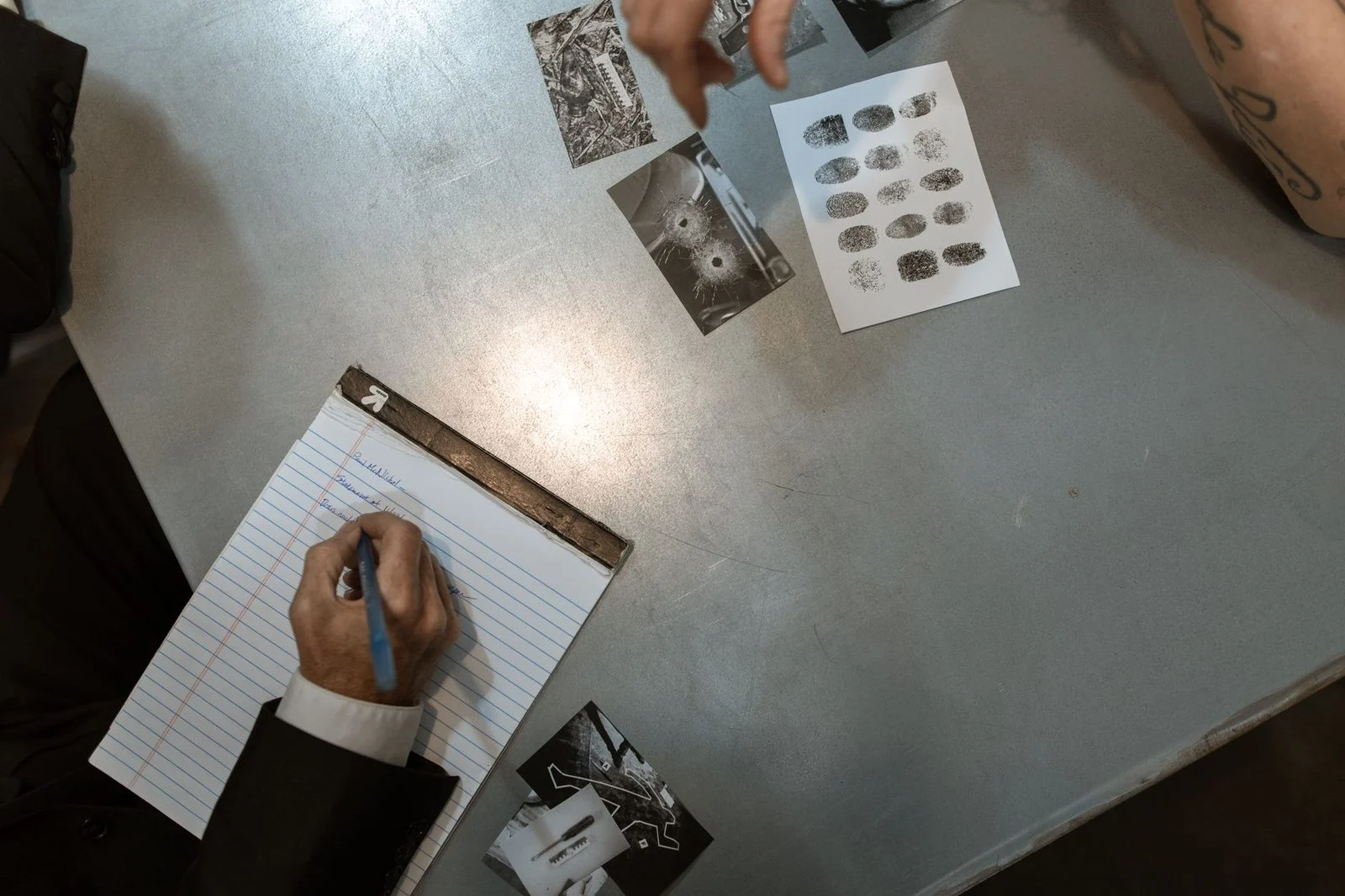
Fatal Incidents Our Firm Handles
The firm handles wrongful death matters arising from these types of incidents:
- Fatal car accidents
- Fatal truck accidents
- Fatal motorcycle accidents
- Fatal pedestrian accidents
- Rideshare crashes involving Uber or Lyft
- Deaths on unsafe property, including short-term and vacation rentals
- Deaths linked to negligent security at an apartment complex, business, or parking area
- Deaths caused by nursing home abuse or neglect
Each category raises different questions about who may be responsible. A crash may involve a driver, a trucking company, or a rideshare driver. A property death may involve the owner or occupier of the land.
Georgia’s negligent security statute sets out specific proof requirements. Under O.C.G.A. § 51-3-51, the plaintiff must prove, among other things, that the third person’s wrongful conduct was reasonably foreseeable.
Each rideshare claim depends on its own facts. Under O.C.G.A. § 51-3-51, and subject to the exceptions in Code Section 51-3-54, liability for negligent security applies to injuries an invitee sustains upon the owner’s or occupier’s premises if the plaintiff proves the listed conditions.
Nursing home deaths may involve a care facility’s violation of a resident’s rights.
If your loss doesn’t fit neatly into one category, describe it during your free consultation.
What a Wrongful Death Claim Can Recover
Under Code Section 51-4-4, the right to recover for the homicide of a child is as provided in Code Section 19-7-1 and Code Section 53-1-5. Under Code Section 51-4-5, when no person is entitled to bring an action for wrongful death under Code Section 51-4-2 or 51-4-4, the administrator or executor of the decedent may bring the action for the benefit of the next of kin, and the amount recovered is the full value of the life of the decedent.
Some expenses are also recoverable. When a death results from a crime or from criminal or other negligence, the personal representative may recover funeral, medical, and other necessary expenses. The rule appears in O.C.G.A. § 51-4-5.
Under O.C.G.A. § 51-4-2, when the decedent leaves a surviving spouse and children, the surviving spouse receives no less than one-third of the recovery as the spouse’s share.
Punitive damages are a separate category. Georgia allows them only when the defendant’s conduct meets a high standard. The conduct must be proven by clear and convincing evidence, such as willful misconduct, malice, fraud, wantonness, oppression, or an entire want of care which would raise the presumption of conscious indifference to consequences. Punitive damages punish and deter. They do not compensate the family. See O.C.G.A. § 51-12-5.1.
Fault matters too. Georgia’s fault statute, O.C.G.A. § 51-12-33, addresses how fault is assigned among the people involved in an injury. A person who is 50 percent or more responsible recovers nothing.
No one can promise a dollar amount before a claim is investigated. The value of any claim depends on its facts.
Georgia Deadlines and Why Timing Matters
Georgia’s general deadline for personal injury lawsuits is two years after the right of action accrues, except for injuries to the reputation, which shall be brought within one year after the right of action accrues, and except for actions for injuries to the person involving loss of consortium, which shall be brought within four years after the right of action accrues. Under O.C.G.A. § 9-3-33, actions for injuries to the person must be brought within two years after the right of action accrues, except as otherwise provided in that article, such as within one year for injuries to reputation and within four years for actions involving loss of consortium. Families should review timing questions early, because the deadline keeps running.
Some defendants have shorter notice rules. A claim against the state must be given in writing within 12 months of when the loss was discovered or should have been discovered. See O.C.G.A. § 50-21-26. A claim against a municipal corporation, such as a city, must be presented in writing to its governing authority within six months of the event. See O.C.G.A. § 36-33-5.
Evidence can disappear quickly. Families should preserve the following items as soon as they can:
- The police or incident report
- Photos of the scene, vehicles, or property
- Phone records and messages related to the incident
- Medical and employment records of the person who died
- The death certificate and any insurance letters
Contact the firm soon so that evidence can be gathered while it is still available.
How a Wrongful Death Case Works, Step by Step
A wrongful death case usually moves through four stages. The timeline varies with the facts, the parties, and the court schedule, so no timeline can be promised in advance.
- Free first consultation. You describe the death, the incident, and any documents you have. The consultation is free and confidential.
- Investigation. The firm reviews reports, medical and employment records, and witness information. The firm may consult professionals to understand what caused the death.
- Demand and negotiation. The firm presents the family’s documented losses to the responsible parties and their insurers.
- Lawsuit, if needed. If a fair resolution can’t be reached through negotiation, a lawsuit may be filed. Georgia civil wrongful death cases can proceed in courts such as Fulton County State Court’s Civil Division.
Why Families Contact Slam Dunk Attorney
Slam Dunk Attorney is based in Duluth, Georgia. The firm represents families in wrongful death and other personal injury matters across metro Atlanta and throughout Georgia.
Peter F. Jaraysi is the responsible lawyer for this page. Brian D. Wright is also one of the firm’s lawyers. Our team includes support staff who help families with documents and scheduling.
Our approach is to listen first. We aim to explain each stage in plain language, so families know what is happening and why.
The firm focuses on the fatal incident categories listed above. It also handles catastrophic injury cases. If your loved one was seriously hurt before passing, you can discuss those injuries during your consultation.
Not sure what your next step is?
Talk it through with our team — the first consultation is free, confidential, and carries no obligation.
Frequently Asked Questions About Wrongful Death Claims in Georgia
Who can file a wrongful death claim in Georgia?
Generally, the surviving spouse can file. If there is no surviving spouse, a child or children can file. If no one in those groups can sue, the estate’s personal representative may bring the claim.
How long do I have to file?
Georgia’s general deadline for injury lawsuits is two years after the right of action accrues (O.C.G.A. § 9-3-33; Kenneth B. Cameron v. Jmp Pizza, Inc (2026)). Claims against the state or a city have shorter notice rules.
Do we need criminal charges before we can file?
No. A civil wrongful death claim is separate from any criminal case.
What should we bring to the consultation?
Bring any police or incident reports, medical records, photos, insurance letters, the death certificate, and a short written timeline.
What does the first consultation cost?
The first consultation is free, confidential, and carries no obligation to continue.

Talk With a Duluth Wrongful Death Lawyer About Your Family’s Loss
If your family lost someone in a crash, on unsafe property, or in a care setting, you may be deciding what to do next. Our team can talk through the facts and who may be responsible. Request a free consultation or call for a free case review with Slam Dunk Attorney.
Responsible lawyer: Peter F. Jaraysi, Slam Dunk Attorney, Duluth, Georgia. Contact details are on our contact page.
How We Support Grieving Families
Compassion First
We understand that a legal matter is the last thing on your mind after a death. We take the time to hear your family's story in your own words.
Clear Communication
We explain the process in plain language, so you know what to expect and can make informed decisions at your own pace.
Careful Investigation
Our lawyers look closely at the facts, records and circumstances surrounding the death to understand what happened.
Room to Grieve
Our team handles the details of your case so your family can focus on each other and on healing.
Keep Important Information
If you are able, gather the police or incident report number, medical and hospital records, funeral and expense receipts, and any messages, photos or video related to the event. Sharing these with our team early can help us understand your family's situation.
Situations Our Firm Handles
Car and Truck Crashes
Fatal collisions involving passenger vehicles, commercial trucks and other large vehicles on Georgia roads.
Motorcycle and Pedestrian Accidents
Deaths involving motorcyclists or pedestrians struck by drivers, including in busy metro Atlanta corridors.
Rideshare and Nursing Home Cases
Deaths connected to Uber or Lyft accidents, or to neglect and abuse in nursing homes and care facilities.
Premises and Security Incidents
Deaths caused by dangerous property conditions, unsafe short-term rentals or negligent security.