
Truck Accidents | Buford, Georgia
Hurt in a Truck Accident? Get Clear Answers Before You Talk to Anyone Else
Collisions with commercial trucks often involve several companies, insurers and sets of records. Our lawyers focus on personal injury cases across metro Atlanta and Georgia, and we can help you understand your options.
By Peter F. Jaraysi · Published October 28, 2026
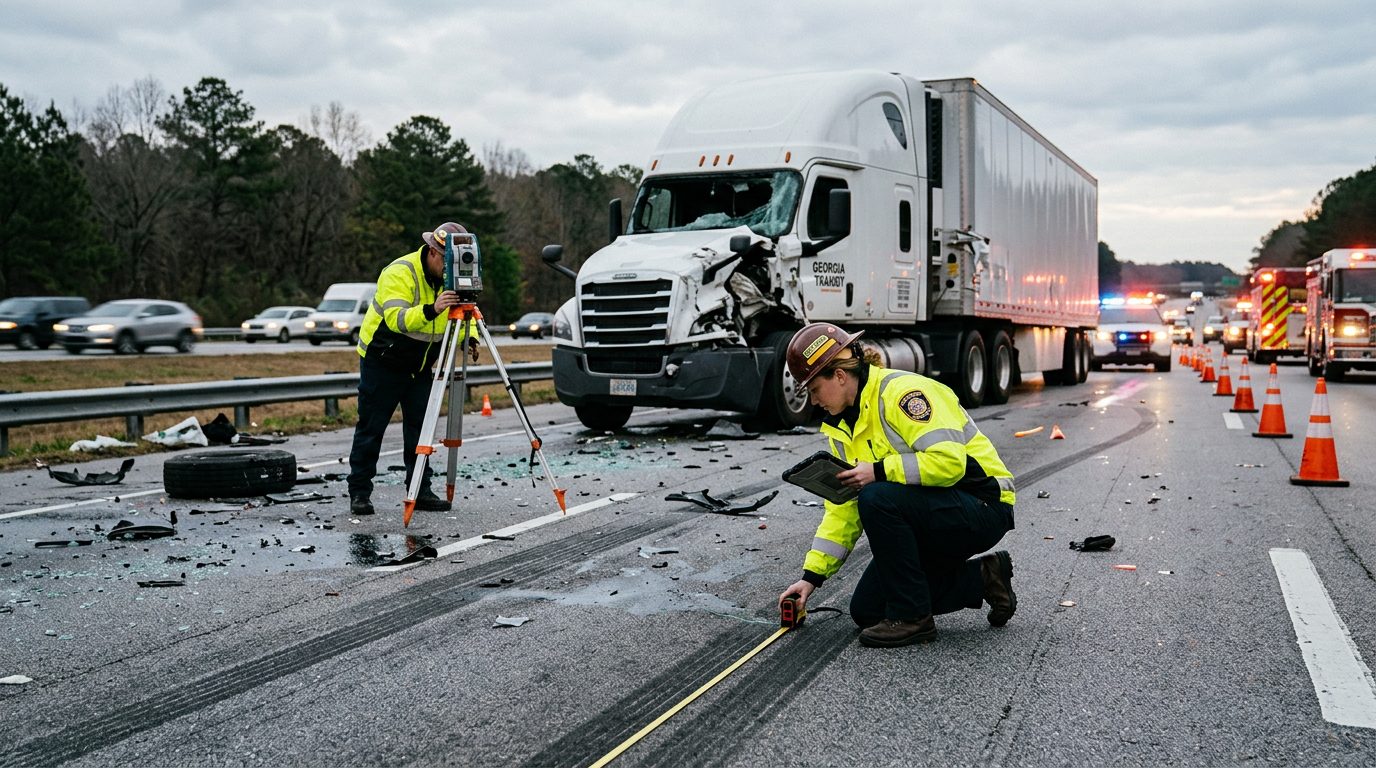
A jackknife truck accident happens when the trailer of a tractor-trailer swings out at an angle to the cab, often blocking or crossing several lanes. If you were hurt in one near Buford, you have legal options. Slam Dunk Attorney represents injured people across metro Atlanta and Georgia, including Buford and Gwinnett County. This page explains how these crashes happen, what evidence matters, and how Georgia’s fault and deadline rules work.
What a Jackknife Truck Accident Is and Who It Affects
A jackknife is a crash where the cab and trailer fold toward each other, like a folding knife closing. The trailer can then slide across lanes and strike vehicles beside or behind it.
Common setups include:
- Sudden or hard braking that causes the trailer to push past the cab.
- Wet, icy, or slick pavement.
- Speed that is too fast for the road or the weather.
- Cargo that shifts during braking.
Federal rules require extreme caution when hazardous conditions, such as snow, ice, sleet, fog, mist, rain, dust, or smoke, hurt visibility or traction. Drivers must reduce speed, and they must stop driving if conditions become too dangerous under the federal hazardous-conditions rule.
Many people are hurt in these crashes. The truck driver, passengers in the truck, drivers in nearby cars, motorcyclists, and people who stop to help can all be affected. Crashes like this can involve several vehicles on busy metro Atlanta interstates and highways. The Georgia large-truck traffic safety facts report fatalities and serious injuries in large-truck crashes, including people in other vehicles. If a jackknifing truck hit your car, our lawyers can walk you through what happened.
Not sure what your next step is?
Talk it through with our team — the first consultation is free, confidential, and carries no obligation.
Common Causes and Who May Be Liable Under Georgia Law
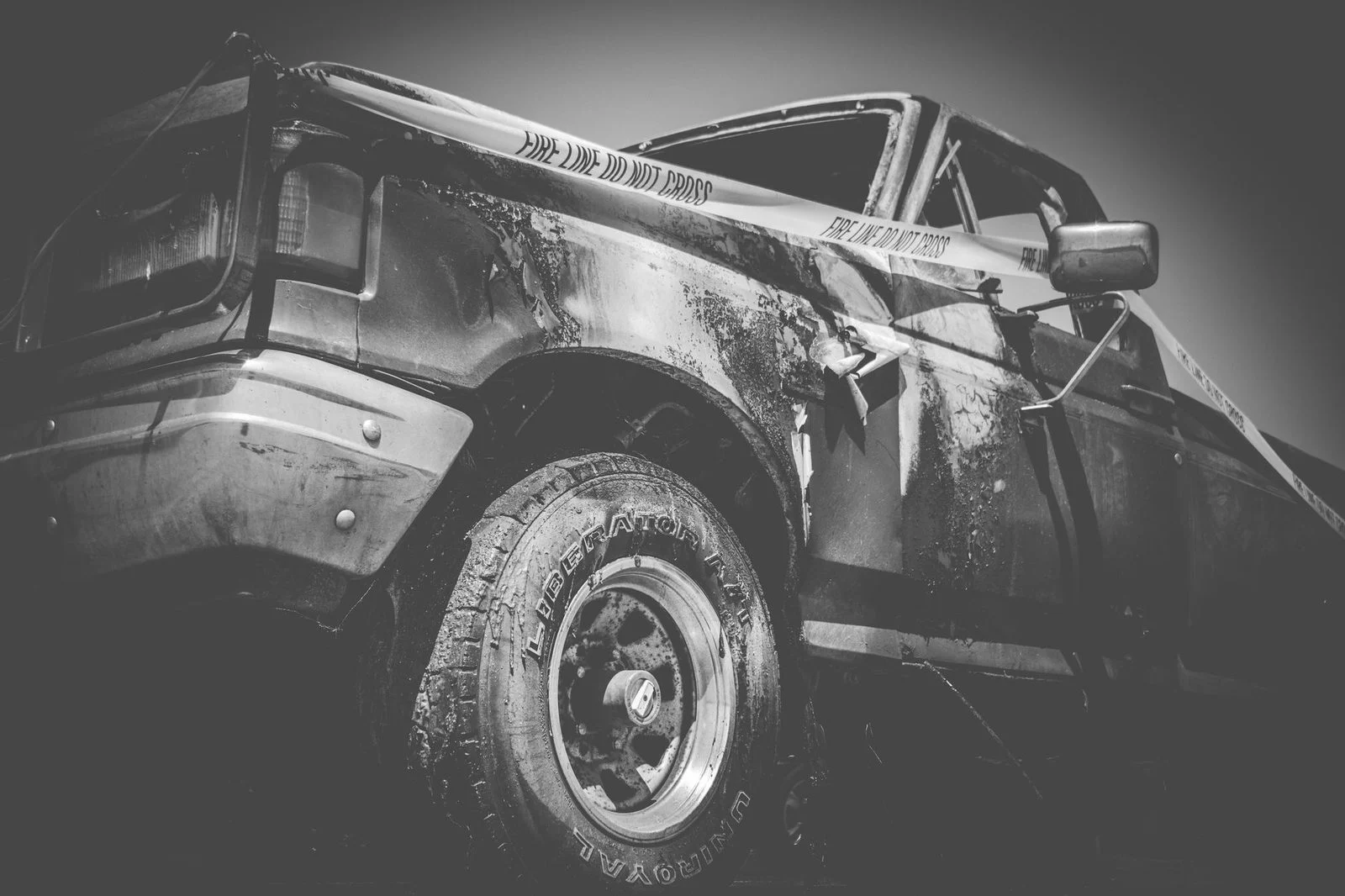
More than one party can share responsibility in a jackknife crash. The driver, the trucking company, or both may be involved.
- Driver conduct: following too closely, speeding, improper braking, fatigue, distraction, or impairment.
- Carrier decisions: how the company hires, trains, and supervises drivers, and whether scheduling pushes drivers to rush.
- Equipment: federal rules require carriers to keep parts that affect safe operation, such as suspension, wheels, axles, and steering, in safe and proper condition at all times, under the federal maintenance rule.
- Cargo: loads must be firmly immobilized or secured, under the federal cargo-securing rule, except commodities in bulk that lack structure or fixed shape (e.g., liquids, gases, grain, liquid concrete, sand, gravel, aggregates) and are transported in a tank, hopper, box, or similar device that forms part of the structure of a commercial motor vehicle.
Georgia uses a fault-sharing rule. Under O.C.G.A. § 51-12-33, a judge reduces the damages you can recover by your percentage of fault. If you are 50 percent or more responsible, you recover no damages.
Each party found liable pays only its own share, not a joint amount. The fault of everyone who contributed to the injury is considered, even if that person was never named in the lawsuit, though a nonparty’s negligence or fault is considered only if the plaintiff entered into a settlement agreement with the nonparty or a defending party gives notice not later than 120 days prior to the date of trial that the nonparty was wholly or partially at fault.
Evidence to Preserve After a Jackknife Crash
The records a trucking company must keep are often central proof after a jackknife crash. Some of these records have set retention periods, so early action matters.
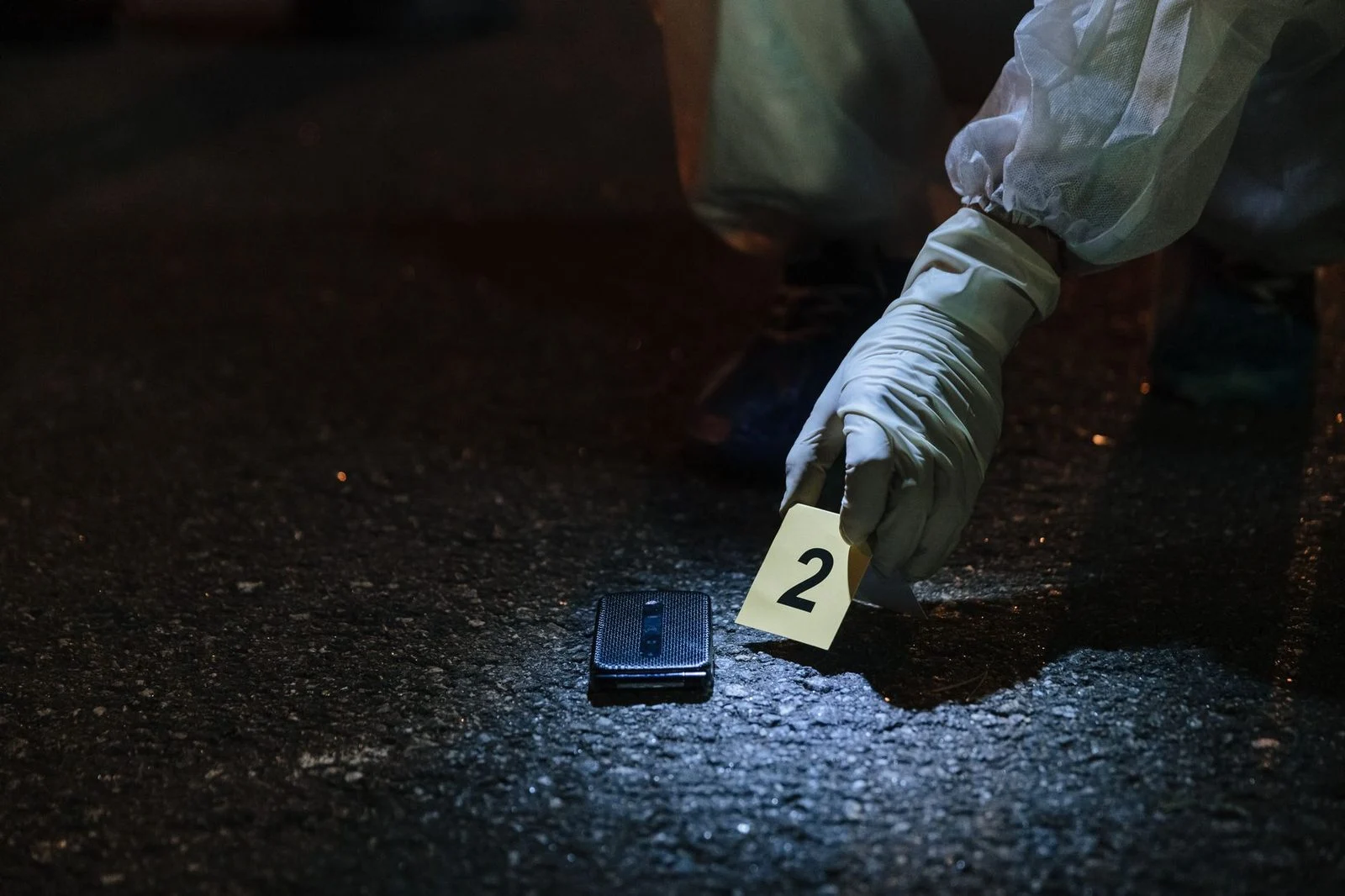
- Crash report: the police report, including the diagram and the officer’s notes.
- Duty-status records: federal rules require a carrier to make each covered driver record duty status for each 24-hour period, under 49 C.F.R. § 395.8. That same rule bars false reports about duty status.
- Driver qualification file: a carrier keeps it while the driver works there and for three years after, though some records in it, such as annual driving-record reviews and medical examiner’s certificates, may be removed three years after they were made, under 49 C.F.R. § 391.51.
- Maintenance and inspection records: these are kept one year, and six months after the truck leaves the carrier’s control, under 49 C.F.R. § 396.3.
- Post-crash drug and alcohol testing: after certain crashes, the employer must test surviving drivers as soon as practicable. If an alcohol test is not given within two hours, the employer must record why. Alcohol testing attempts stop after eight hours, and drug testing attempts stop after 32 hours.
- Your own proof: photos, dash camera video, witness names, and a written timeline made soon after the crash.
Georgia Deadlines and Types of Compensation
Georgia generally gives two years to file a personal injury lawsuit. Under O.C.G.A. § 9-3-33, actions for injuries to the person must be brought within two years after the right of action accrues, except for actions for injuries to the person involving loss of consortium, which shall be brought within four years after the right of action accrues. Waiting too long can cost you the right to sue.
Injury claims may include several types of loss:
- Economic losses: medical bills, future medical care, lost wages, and property damage.
- Non-economic losses: pain, emotional distress, and loss of enjoyment of life. Where the entire injury is to the peace, happiness, or feelings of the plaintiff, Georgia law leaves the measure of damages to the enlightened consciences of impartial jurors, under O.C.G.A. § 51-12-6.
- Catastrophic injuries: spinal cord injury, traumatic brain injury, amputation, and severe burns often bring long-term costs that take time to measure.
When a crash causes a death, Georgia law generally gives the surviving spouse the right to bring a wrongful death action, or the children if there is no spouse; when a child dies, the right to recover is set by Code Sections 19-7-1 and 53-1-5 under O.C.G.A. § 51-4-4; and an administrator or executor may bring the action only when no person is entitled to sue under O.C.G.A. §§ 51-4-2 and 51-4-4. Under O.C.G.A. § 51-4-5, when there is no person entitled to bring a wrongful death action under Code Sections 51-4-2 or 51-4-4, the amount recovered is the full value of the decedent’s life. When death results from a crime or from criminal or other negligence, the personal representative of the deceased can also recover funeral, medical, and other necessary expenses under O.C.G.A. § 51-4-5.
How Our Firm Handles a Jackknife Truck Claim
Our firm starts with a free, confidential first consultation with no obligation to continue. From there, the case moves through five steps.
- Consultation: we review what happened, your injuries, and any paperwork you already have.
- Records requests: we send preservation requests to the carrier, driver, and insurers, asking them to keep the logs, maintenance files, and testing records described above.
- Medical documentation: we gather treatment records and bills from your providers.
- Claim presentation: we present the claim to the insurers and, where it makes sense, negotiate a resolution.
- Filing decision: if negotiation does not resolve the claim, we discuss filing a lawsuit within Georgia’s deadlines.
How long each stage takes depends on the facts, your injuries, the records, and how the insurers respond. Each stage moves at the pace of those records and responses.
Why Work With Slam Dunk Attorney in Buford and Metro Atlanta
Slam Dunk Attorney is a personal injury firm based in Duluth, Georgia. We represent injured people across metro Atlanta and Georgia, including Buford, Lawrenceville, Johns Creek, Norcross, and Alpharetta.
Our firm handles truck, car, motorcycle, pedestrian, and rideshare accidents, along with catastrophic injury and wrongful death claims. Its work covers the Georgia cases described on this page.
Peter F. Jaraysi is the responsible lawyer for this page. Our lawyers include Peter F. Jaraysi and Brian D. Wright. Our team of assistants and office staff supports them on each case.
Not sure what your next step is?
Talk it through with our team — the first consultation is free, confidential, and carries no obligation.
Jackknife Truck Accident Questions Answered
Most people ask whether to speak with an insurer and how long they have to act.
Should I talk to the trucking company’s insurer?
Insurers may ask for a recorded statement early. Talk with a lawyer before you agree to one.
Can I recover if I was partly at fault?
Georgia reduces your damages by your share of fault. You recover nothing if your share is 50 percent or more (O.C.G.A. § 51-12-33; Quynn v. Hulsey (2020)).
How long do I have to file?
Georgia generally allows two years to file a personal injury lawsuit (O.C.G.A. § 9-3-33; Kenneth B. Cameron v. Jmp Pizza, Inc (2026)). Early action also helps preserve evidence.
Can I sue the trucking company, or only the driver?
Claims can involve more than one party. Under Georgia’s apportionment rule, each liable party generally pays only its own share.
Who can bring a wrongful death claim?
When there is no person entitled to bring a wrongful death action under Code Sections 51-4-2 or 51-4-4, the administrator or executor of the person who died may bring the claim for the next of kin.
Talk With Our Lawyers About Your Jackknife Crash
If a tractor-trailer jackknifed and hurt you or someone in your family, reach out to Slam Dunk Attorney for a free case review. Contact Slam Dunk Attorney and describe what happened, and our team will help you decide your next step.
Responsible lawyer: Peter F. Jaraysi, Slam Dunk Attorney, Duluth, Georgia. This page gives general information, not legal advice. Contact us through the contact page.
How We Can Help You
Plain-Language Guidance
We explain each step of a truck accident claim in terms you can follow, so you know what to expect.
Protecting Your Claim
We deal with insurance companies and trucking companies so you can focus on your recovery.
Building the Record
Our team works to gather crash reports, photos, witness information and medical records early.
Respect for Your Situation
Serious injuries affect your health, work and family. We treat every client with patience and care.
Be Careful With the Trucking Company's Insurer
An insurance adjuster may ask you for a recorded statement soon after a crash. Speak with a lawyer before you agree to give one or sign any paperwork.
Why Truck Cases Are Different
Multiple Parties
A truck crash can involve the driver, the carrier, a cargo company, a maintenance contractor or a manufacturer. Identifying each party matters.
Federal and State Rules
Commercial trucks are subject to safety regulations on hours of service, driver qualification and vehicle maintenance. These records can be important.
Serious Injuries
Large trucks can cause spinal cord injuries, brain injuries, amputations and wrongful death. Medical care and recovery may take a long time.
Evidence Disappears Quickly
Electronic logs, dash camera footage and maintenance files can be overwritten or discarded. Early action helps preserve them.
Our Fee Structure
Free First Consultation
Your first consultation is free, confidential and comes with no obligation to continue.
No Fees Unless There Is a Recovery
You do not pay attorney fees unless there is a recovery. You may still be responsible for court costs and case expenses, which we will explain before we move forward.