

Premises Liability
Slip and Fall in Public Places: Know Your Rights in Georgia
When a business or property owner's negligence leaves you injured, you may have a claim. Slam Dunk Attorney is here to help you understand your options.
By Peter F. Jaraysi · Published September 27, 2026
Slip and Fall in Public Places: Your Rights in Georgia
If you’ve slipped and fallen in a grocery store, restaurant, mall, or other public place in Georgia, you may have a legal claim against the property owner or manager. Georgia premises liability law requires property owners to maintain reasonably safe conditions for visitors—and when they fail to do so, they can be held responsible for your injuries.
Understanding your rights under Georgia law is the first step toward determining whether you have a valid claim and what evidence matters most.
If you've slipped and fallen in a public place in Georgia and suffered injuries, you may have a valid claim—and people in your situation contact us regularly to discuss what happened and their options. Talk it through with our team — the first consultation is free, confidential, and carries no obligation.
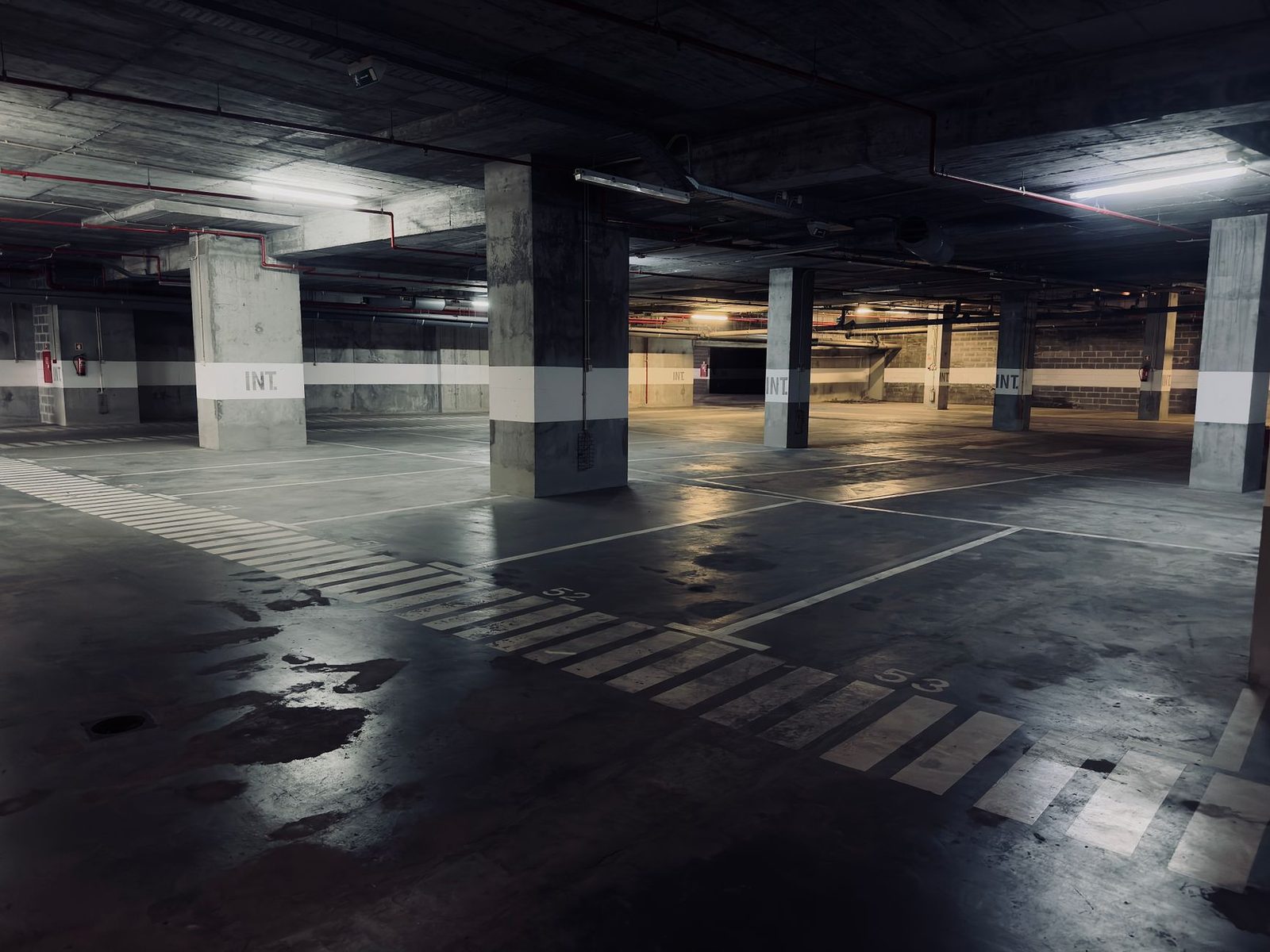
What Is a Slip-and-Fall Claim in a Public Place?
A slip-and-fall claim is a personal injury lawsuit arising from a fall caused by a hazardous condition on someone else’s property. These claims fall under the broader category of premises liability (the legal duty a property owner owes to people on their property). In Georgia, slip-and-fall accidents in public places—stores, restaurants, malls, parking lots, offices, and similar locations—are governed by premises liability law. This is distinct from workers’ compensation, which covers employees injured on the job, and from claims involving intentional harm.
What Duty Does a Property Owner Owe You in Georgia?
Georgia law requires property owners and managers to maintain reasonably safe premises for visitors. This duty includes regular inspection for hazards, prompt repair or removal of dangers, and warning of known risks. The duty applies to invitees (customers and patrons who enter for business purposes) and, in some cases, licensees (social guests invited onto the property).
Importantly, the law does not require a property to be perfectly safe—only reasonably safe given the circumstances. A grocery store, for example, must inspect floors regularly for spills and debris. A restaurant must warn customers of wet floors after mopping. A parking lot must repair obvious cracks and potholes. What counts as “reasonable” depends on the nature of the business and the type of hazard.
What Must You Prove to Have a Valid Slip-and-Fall Claim?
To succeed in a slip-and-fall claim in Georgia, you must establish four key elements:
1. The property owner owed you a duty of care. In public places, this is almost always true. Property owners have a legal duty to maintain safe conditions for customers and visitors.
2. The owner breached that duty. This means they failed to maintain safe conditions or warn of hazards. Examples include ignoring a spill, failing to repair a broken step, or neglecting to post a warning sign.
3. The hazard directly caused your fall and injury. You must show a causal link between the dangerous condition and your accident. If you tripped over your own shoelace, for instance, the property owner’s negligence did not cause your fall.
4. You suffered actual damages. These include medical bills, lost wages, pain and suffering, and other quantifiable losses from your injury.
Georgia follows comparative negligence law, which means your own carelessness may reduce your recovery. If you were texting and not watching your step, or if you ignored a visible wet-floor sign, the property owner’s liability may be reduced. Critically, if you are found to be 50% or more at fault for your own fall, you cannot recover anything under Georgia law, but if your share of fault is 49% or less you can still recover, with your damages reduced by your percentage of fault.
What Counts as a Hazardous Condition?
Hazardous conditions that can trigger premises liability include:
- Wet or slippery floors from spills, rain, or cleaning water without warning signs
- Debris, clutter, or objects left on walkways or in aisles
- Broken or uneven flooring, cracked pavement, missing steps, or absent handrails
- Poor lighting that obscures hazards or makes it difficult to see obstacles
- Inadequate maintenance or failure to repair known problems
- Lack of warning signs or barriers around known dangers
The key question is whether a reasonable property manager, conducting regular inspections, would have discovered and corrected the hazard.
The “Constructive Notice” Rule: How Long Must a Hazard Exist?
Georgia law distinguishes between two types of notice. Actual notice means the property owner knew about the hazard. Constructive notice means the owner should have known about it through reasonable inspection.
For constructive notice to apply, the hazard must have existed long enough that a reasonable property manager would have discovered it during routine inspections. A hazard that appeared moments before your fall may not meet this standard. However, a spill that sat on a grocery store floor for an hour, or a cracked step that has been broken for weeks, likely does.
The nature of the business matters too. A grocery store’s duty to inspect for spills is higher than a residential landlord’s duty. A restaurant with a wet floor must inspect more frequently than a warehouse. Courts consider industry standards and common practices when evaluating whether the property owner should have known about a hazard.
Not sure what your next step is?
Talk it through with our team — the first consultation is free, confidential, and carries no obligation.
Georgia’s Comparative Fault Rule
Georgia’s comparative negligence law is critical to understanding your potential recovery. Under this rule, your damages are reduced by your percentage of fault. If you were 30% at fault and the property owner was 70% at fault, you can recover 70% of your damages.
However, Georgia enforces a 50% bar rule: if you are found to be 50% or more at fault, you cannot recover anything. This is a hard threshold. If the jury finds you 49% or less responsible, you can still recover, though your damages are reduced by your percentage of fault. But if you reach 50%, your claim fails entirely.
Examples of comparative fault include:
- You were distracted by your phone and didn’t notice a visible hazard
- You wore inappropriate footwear (high heels on an icy parking lot) that contributed to your fall
- You ignored a clearly posted warning sign
- You took an unsafe shortcut through an area marked as closed or dangerous
The property owner’s negligence must still be the primary cause of your fall. If you simply tripped over your own feet on a perfectly safe floor, comparative fault will likely eliminate your claim.
Common Defenses Property Owners Raise
Property owners and their insurers typically use several defenses in slip-and-fall cases:
“Open and obvious” hazard. The property owner may argue that the danger was so clear that a reasonable person should have avoided it. A large pothole in a parking lot or a visibly wet floor might fall into this category.
Comparative fault. The owner may claim you were careless or inattentive—that you weren’t watching where you walked or ignored warning signs.
No constructive notice. The owner may argue the hazard hadn’t existed long enough for them to discover it through reasonable inspection. If you slipped on a spill that appeared seconds before your fall, this defense may apply.
Assumption of risk. In rare cases, owners argue you knowingly accepted the danger. This defense rarely succeeds in slip-and-fall cases unless you explicitly acknowledged the hazard and proceeded anyway.
Acts of God. The owner may claim the hazard resulted from weather or natural events beyond their control. Ice from a sudden freeze or rain from a storm may fall into this category, though property owners still have a duty to address such hazards promptly.
Understanding these defenses helps you assess the strength of your own claim realistically.
What Evidence Strengthens Your Claim?
Strong evidence is essential to proving a slip-and-fall claim. Gather and preserve:
- Photos or video of the hazard and the scene immediately after your fall (taken from multiple angles)
- Witness statements from people who saw the fall or the condition (collect their contact information)
- Medical records documenting your injuries, treatment, and ongoing care
- Incident reports filed with the property owner or manager at the time of your fall
- Prior complaints or maintenance records showing the owner knew of similar hazards
- Surveillance footage from the property’s security cameras (request this promptly, as footage is often deleted after 30 days)
- Expert testimony about maintenance standards, industry practices, or how long a hazard likely existed
The more evidence you have, the harder it is for the property owner to deny liability or minimize your claim.
Steps to Take After a Slip and Fall in a Public Place
Immediate action protects your health and strengthens your legal claim:
-
Seek medical attention immediately, even if your injuries seem minor. Some injuries worsen over time, and medical records create a documented timeline.
-
Report the incident to the property manager or owner and request a written incident report. Ask for the manager’s name and contact information.
-
Take photos and video of the hazard, your injuries, and the surrounding area from multiple angles. Do this as soon as possible, before the hazard is cleaned up or repaired.
-
Collect witness contact information from anyone who saw the fall or the hazardous condition.
-
Keep all documentation: medical records, receipts, pay stubs showing lost wages, and any correspondence with the property owner or their insurance.
-
Avoid social media posts about your fall or injuries. Insurance companies monitor social media and may use your posts against you.
-
Do not sign any settlement or release without legal advice. Insurance companies often pressure injured people to settle quickly for less than their claim is worth.
When Should You Contact a Slip-and-Fall Attorney?
Consider consulting an attorney if:
- Your injuries are significant or require ongoing treatment
- The property owner or their insurance denies liability or offers an unreasonably low settlement
- You’re unsure whether you have a valid claim under Georgia law
- Comparative fault is disputed and you believe you were not primarily responsible
- The insurance company is pressuring you to settle quickly
- You need help preserving evidence or understanding your rights
Early consultation protects your rights and ensures critical evidence is preserved. Many slip-and-fall cases are resolved through settlement, but having an attorney on your side from the start strengthens your negotiating position.
If you've slipped and fallen in a public place in Georgia and suffered injuries, you may have a valid claim—and people in your situation contact us regularly to discuss what happened and their options. Talk it through with our team — the first consultation is free, confidential, and carries no obligation.
FAQ
What is the time limit to file a slip-and-fall lawsuit in Georgia?
Georgia’s statute of limitations for personal injury claims is two years from the date of your injury. If you miss this deadline, you lose your right to sue.
Can I sue a business if I slipped and fell in their store?
Yes, if the business owner or manager failed to maintain safe conditions and their negligence caused your fall. You must prove they owed you a duty of care, breached it, and caused your injury.
What if the property owner says the hazard was “open and obvious”?
“Open and obvious” is a common defense, but it doesn’t always succeed. If a hazard was visible but still dangerous—such as a slippery floor even with a warning sign—you may still have a claim.
Does comparative fault mean I can’t recover if I was partly at fault?
You can recover even if you were partly at fault, as long as you were less than 50% responsible. If you’re 50% or more at fault, you cannot recover under Georgia law.
How long do I have to report the incident to the property owner?
Report it as soon as possible. The sooner you document the hazard and your injury, the stronger your evidence. Delayed reporting may weaken your claim.
Can I recover damages for pain and suffering in a slip-and-fall case?
Yes. Damages in slip-and-fall cases typically include medical bills, lost wages, and pain and suffering. The amount depends on the severity of your injuries and the circumstances of your case.
If you’ve slipped and fallen in a public place in Georgia and your injuries are affecting your daily life or medical bills are mounting, reach out to discuss your situation. Many people who’ve been hurt in slip-and-fall accidents aren’t sure whether they have a valid claim or what their rights are—and that’s exactly why we’re here. Contact us for a free consultation to review what happened and explore your options.
Time Matters
Georgia law sets a two-year deadline to file a personal injury lawsuit from the date of your injury. Waiting too long can cost you your right to pursue a claim.
When a Business May Be Liable
Failure to Maintain Safe Conditions
A property owner or manager has a duty to keep their premises reasonably safe. If they neglect to repair hazards, clean spills, or warn visitors of dangers, they may be liable for injuries that result.
Lack of Reasonable Care
Businesses must inspect their property regularly and address known risks. If they knew—or should have known—about a hazard and did nothing, that negligence can form the basis of your claim.
Inadequate Warnings or Barriers
When a hazard cannot be immediately fixed, property owners must warn visitors or block access. Failure to do so, such as leaving a wet floor unattended without signage, may constitute negligence.
Negligent Security
If inadequate security allows a third party to harm you—such as an assault or theft on the property—the owner may be held responsible for failing to provide reasonable protection.
How Slam Dunk Attorney Can Help
Thorough Investigation
We gather evidence, review surveillance footage, interview witnesses, and document the scene to build a strong case showing how the property owner's negligence caused your injury.
Clear Legal Guidance
We explain Georgia premises liability law in plain language, so you understand your rights, the process, and what to expect every step of the way.
Direct Communication
You work with our team throughout your case. We keep you informed and answer your questions promptly, so you're never left in the dark.
Compassionate Representation
We understand that slip-and-fall injuries can be painful and disruptive. We're committed to pursuing fair compensation so you can focus on healing.
Common Questions About Slip-and-Fall Claims
Do I have to prove the owner caused the hazard?
No. You must show that the owner knew about the hazard (or should have known through reasonable inspection) and failed to fix it, warn you, or block access. The hazard itself doesn't have to be the owner's fault.
What if I was partly careless?
Georgia recognizes comparative negligence. Even if you were partially at fault, you may still recover damages, though your award may be reduced by your percentage of fault.
What damages can I recover?
You may seek compensation for medical expenses, lost wages, pain and suffering, and other losses caused by your injury. Each case is unique, and we evaluate your specific circumstances.
Do I need a lawyer?
While not required, an attorney can help you navigate complex liability rules, gather evidence, negotiate with insurers, and protect your rights. Many slip-and-fall cases are stronger with legal representation.
Ready to Discuss Your Slip-and-Fall Injury?
Related practice areas
- Slip and Fall Accident Lawyer in Georgia | Slam Dunk Attorney
- What to Do After a Slip and Fall Injury in Georgia