
Restaurant Slip and Fall Lawyers in Georgia
Hurt at a Restaurant? Talk With Our Lawyers for Free.
Slippery floors, wet spots and poorly marked hazards can cause serious injuries. Our Duluth, Georgia firm helps people across metro Atlanta understand their options after a slip and fall. Your first consultation is free, confidential and comes with no obligation to continue.
By Peter F. Jaraysi · Published October 24, 2026
Injured in a fall at a restaurant or bar? This page explains how Georgia law treats these cases and what to expect from restaurant slip and fall lawyers in Duluth, Georgia. The short answer: if a business failed to keep its floors reasonably safe, and that failure caused your injury, you may have a claim. The details depend on the facts, so the rest of this page walks through them.
Restaurant and Bar Slip and Fall Claims: Who This Page Is For
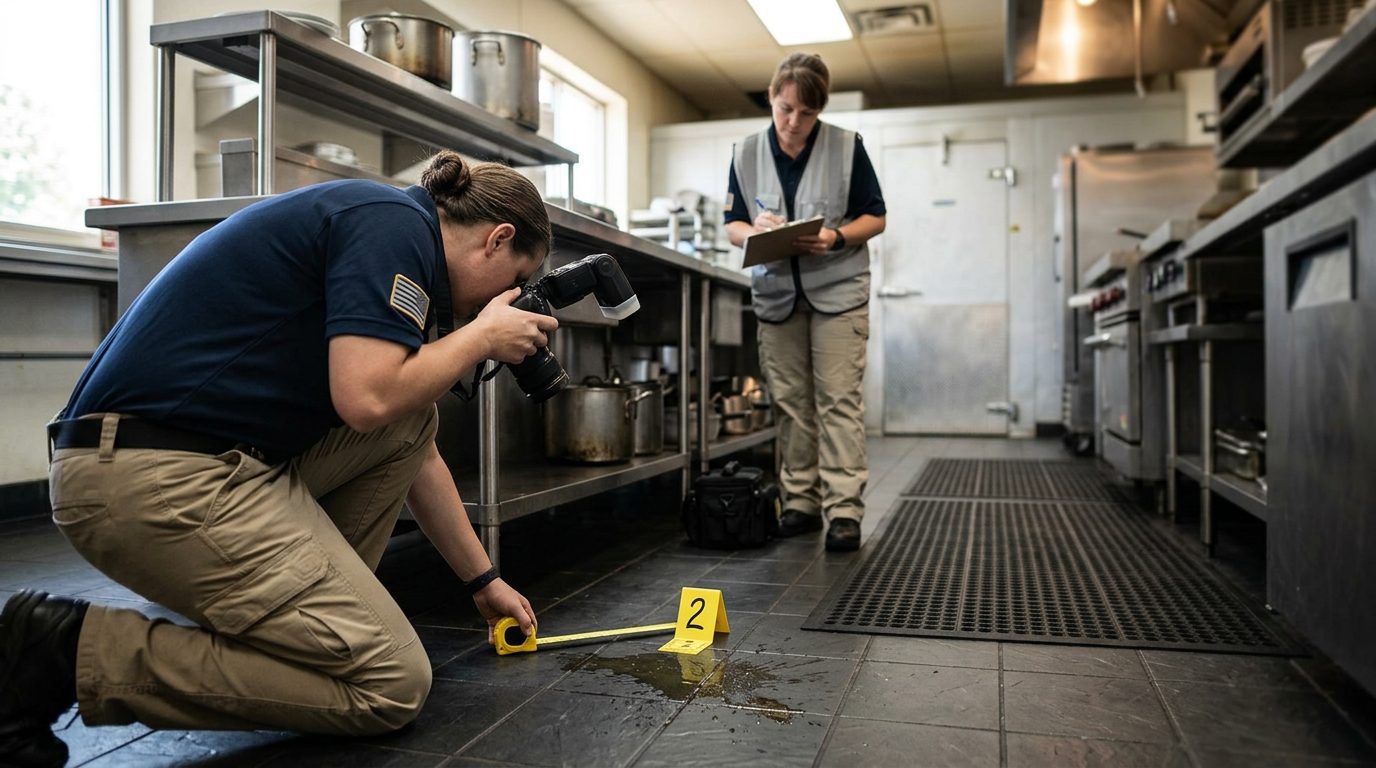
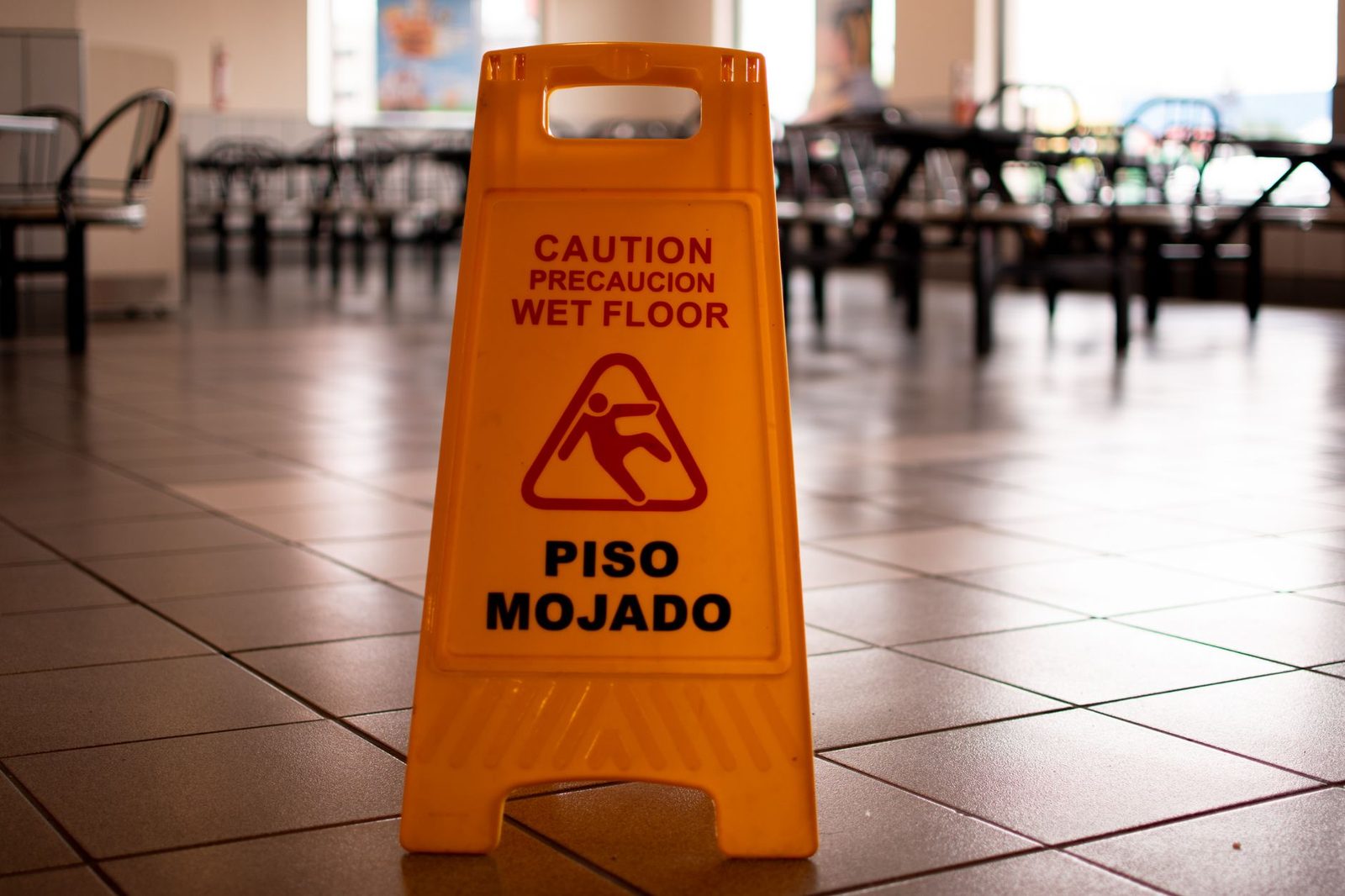
A restaurant or bar slip and fall happens when a hazard on the business’s property causes a person to fall. Common hazards include a spill, a wet or unmarked floor, a torn floor mat, an uneven step, or poor lighting.
These falls happen in many places, including:
- Dining rooms and bar areas
- Restrooms and kitchen entrances
- Patios and outdoor seating
- Parking lots and walkways leading to the entrance
This page is for adults hurt in these falls. It’s also for family members helping an injured person decide what to do next. If you aren’t sure whether your injury is serious enough to report, that’s a common worry, and it’s worth talking through. Pain can grow after a fall, so a medical check early creates a clear record. Falls in public areas of a business are generally handled under premises liability principles, the body of law about injuries on someone else’s property.
If a fall at a restaurant or bar left you with pain, medical bills, or missed work, our team can review what happened in a free, confidential consultation. Talk it through with our team — the first consultation is free, confidential, and carries no obligation.
How Georgia Premises Liability Law Applies to Restaurants and Bars
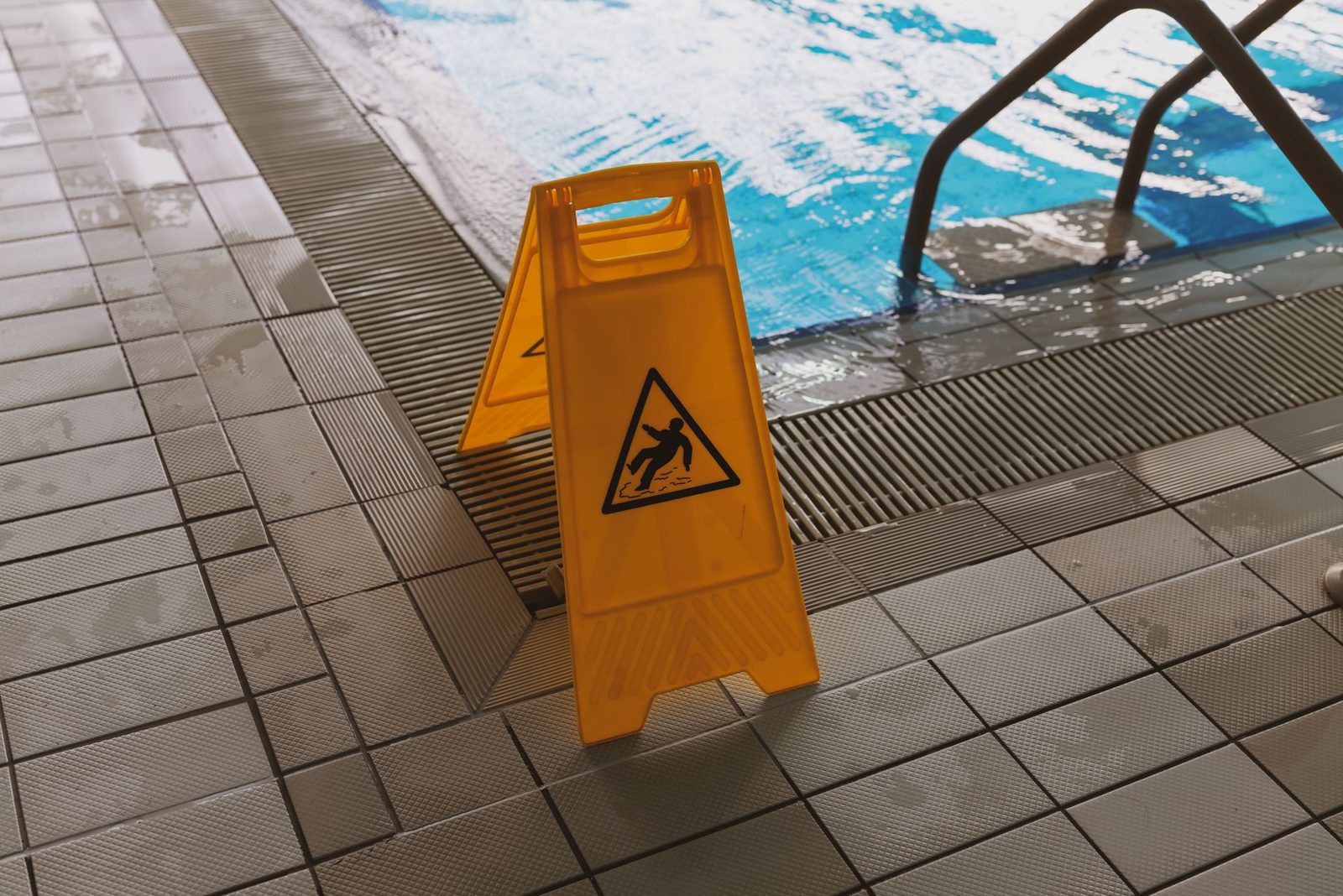
Georgia law requires a restaurant or bar to use ordinary care to keep its premises and approaches safe for people it invites in. Customers are usually invitees, meaning people the business invites onto its property for a lawful purpose. O.C.G.A. § 51-3-1 states this duty.
The business is not an insurer of your safety. A claim often asks:
- Did the business create the hazard, such as a spill from a drink service or a kitchen cleanup?
- Did staff know about it?
- Should staff have found it through reasonable inspection?
Cleaning schedules, inspection logs, and incident reports can help answer these questions. The Georgia DOAS slip-and-fall guidance lists housekeeping, removing obstructions, addressing spills, and keeping walkways safe as prevention practices.
Fault matters too. Georgia reduces your damages in proportion to your percentage of fault under O.C.G.A. § 51-12-33. If you are 50 percent or more responsible for your injury, you cannot recover damages. Georgia generally gives two years to file a personal injury lawsuit under O.C.G.A. § 9-3-33. Timing matters, so raise it early.
What a Restaurant or Bar Fall Claim Can Include
A claim can seek compensation for medical costs, lost income, and pain and suffering, based on your facts. Georgia law treats some losses differently. General damages are presumed from a wrong and need no proof of an amount. Special damages must be proved, as explained in O.C.G.A. § 51-12-2.
Typical items include:
- Medical expenses. Emergency care, imaging, surgery, physical therapy, and future care a doctor recommends. Under O.C.G.A. § 51-12-2, special damages are those which actually flow from a tortious act, and they must be proved in order to be recovered.
- Medical costs limits. Medical expenses are limited to the reasonable value of medically necessary care, under O.C.G.A. § 51-12-1.1.
- Lost wages. Missed work and reduced ability to earn. Future economic losses may be reduced to present value, using a 5 percent rate or another rate the judge or jury (the trier of fact) selects, under O.C.G.A. § 51-12-13.
- Pain and suffering. Physical pain, emotional distress, and loss of everyday activities.
- Out-of-pocket costs. Prescriptions, medical equipment, rides to appointments, and help at home during recovery.
Small injuries have limits. If an injury is small or mitigating circumstances are strong, Georgia law allows only nominal damages, as stated in O.C.G.A. § 51-12-4. The value of a claim depends on the injuries, the medical record, and the evidence. No one can promise a specific result.
How We Handle Your Restaurant or Bar Slip and Fall Case
Our process starts with a free, confidential consultation and then moves to evidence, records, and the claim itself. Timelines vary with your medical course and the business’s response.
- Free consultation. We review what happened, where, when, and what treatment has followed. There is no obligation to continue.
- Evidence requests. We ask for the incident report, surveillance video, and names of staff and witnesses. Some records, such as video, can be overwritten over time, so early requests help.
- Documentation. We gather photos of the scene and your injuries, medical records and bills, and records of lost work time.
- Claim presentation. We notify the business and its insurer, and present the claim with supporting documents.
- Negotiation or lawsuit. We discuss settlement options with you. If a fair resolution isn’t reached, we prepare to file suit before the two-year deadline under O.C.G.A. § 9-3-33 runs out.
Why Reach Out to Slam Dunk Attorney in Duluth
Slam Dunk Attorney is based in Duluth, Georgia. The firm represents people hurt in premises and other accidents across Georgia, including clients in Atlanta, Lawrenceville, Johns Creek, Alpharetta, Marietta, Norcross, Kennesaw, and Dunwoody.
Our lawyers, Peter F. Jaraysi and Brian D. Wright, and our team handle slip and fall matters. Our support staff help with scheduling, records, and client communication.
What you can expect:
- A first conversation that is free, confidential, and carries no obligation to continue.
- Plain-language explanations of your options, the process, and the questions the other side may ask.
- Clear answers about the Georgia rules that affect your claim, such as the two-year filing deadline and the 50 percent fault bar.
Common Questions About Restaurant and Bar Slip and Fall Claims
Do I need restaurant slip and fall lawyers for this kind of fall?
A lawyer can explain your rights, the evidence you need, and how insurers communicate. The first consultation is free and confidential.
What should I do right after the fall?
Get medical care, tell the manager and ask for an incident report, photograph the scene, and write down witness names.
Can I still recover if I was partly at fault?
Possibly. Under O.C.G.A. § 51-12-33, the judge reduces the amount of damages otherwise awarded to the plaintiff in proportion to the plaintiff’s percentage of fault, but the plaintiff shall not be entitled to receive any damages if the plaintiff is 50 percent or more responsible for the injury or damages claimed.
How long do I have to file?
Georgia generally allows two years for personal injury lawsuits under O.C.G.A. § 9-3-33. Acting early helps protect evidence.
Will the restaurant’s insurer contact me?
It may. It’s wise to speak with a lawyer before giving any recorded statement.
Does a restroom or parking lot fall count?
Falls in public areas of a business are generally handled under premises liability principles, so these cases can still apply.
Not sure what your next step is?
Talk it through with our team — the first consultation is free, confidential, and carries no obligation.
Call Slam Dunk Attorney for a Free Case Review
If your fall at a restaurant or bar left you with pain, medical bills, or missed work, you don’t have to sort out the next steps alone. Contact Slam Dunk Attorney today for a free case review. We’ll listen to what happened, explain how Georgia law may apply, and answer your questions before you decide anything.
Responsible lawyer: Peter F. Jaraysi, Slam Dunk Attorney, Duluth, Georgia. Contact us at our contact page. This page is general information, not legal advice.
What to Do Right After a Restaurant Fall
Get medical care
Even if you feel okay, some injuries appear hours or days later. A medical record also documents what happened.
Report the fall
Tell the manager on duty and ask for an incident report. Keep a copy of anything you sign.
Document the scene
Photograph the floor, the spill or hazard, lighting, warning signs and your footwear if you can. Take pictures before the area is cleaned, if possible.
Collect witness details
Write down the names and phone numbers of anyone who saw the fall, including staff and other diners.
How Our Firm Can Help
Plain-language answers
We explain your situation clearly, without legal jargon, so you know what to expect.
Help gathering evidence
We discuss the records, reports and photos that can support a claim about what happened.
Dealing with insurers
Insurance companies communicate with injured people in many ways. We can explain how those conversations work and what to watch for.
Respectful, confidential support
Your first consultation is free and confidential, and we take time to listen to what you have been through.
Be Careful With Insurance Adjusters
An insurance representative may call soon after your fall and ask for a recorded statement. Before you speak with an adjuster or sign any release, consider talking with a lawyer about how those statements might be used.