
Premises Liability
Slip and Fall Liability in Georgia: What Property Owners Owe You
When a hazardous condition on someone else's property causes your injury, you may have a legal claim. Learn how Georgia law holds property owners accountable.
By Peter F. Jaraysi · Published September 28, 2026
Slip and Fall Liability in Georgia: What Property Owners Owe You
A property owner may be liable for your slip and fall injury if they knew or should have known about a hazard on their property, failed to fix it or warn you of it, and that failure directly caused your fall. Slip and fall liability is a specific type of premises liability claim—the legal responsibility a property owner bears when their negligence creates unsafe conditions that injure a lawful visitor.
Understanding what property owners owe you under Georgia law helps you recognize whether negligence played a role in your injury and whether you may have a valid claim.
If you've slipped and fallen on someone else's property in Georgia and aren't sure whether negligence played a role, our team can review what happened and explain your options—many people in your situation reach out to discuss their case. Talk it through with our team — the first consultation is free, confidential, and carries no obligation.
What “Slip and Fall Liability” Means in Georgia
Liability is the legal responsibility a property owner bears when their failure to maintain safe conditions causes someone’s injury. In Georgia, premises liability law recognizes that property owners have a duty of care toward people lawfully on their property. When a property owner breaches that duty—by failing to inspect, repair, or warn of hazards—and someone is injured as a result, the owner may be liable for damages.
Slip and fall liability doesn’t arise automatically from every fall. It depends on three things: whether the property owner owed you a duty of care, whether they breached that duty, and whether that breach directly caused your injury. A property owner’s liability also depends on your legal status on the property and the foreseeability of the hazard.
The Property Owner’s Duty of Care Under Georgia Law
Georgia law recognizes different levels of duty depending on your status when you were on the property. This framework shapes whether a property owner bears responsibility for your injury.
Invitees are people invited onto property for business purposes—customers in stores, restaurant diners, office visitors, and guests at public events. Property owners owe invitees the highest level of protection. They must maintain premises in a reasonably safe condition, conduct regular inspections to discover hazards, and either fix hazards or warn visitors of their presence.
Licensees are people with permission to be on the property but not for a business purpose—social guests, friends, or family members. Property owners owe licensees a moderate duty: they must not create new hazards and must warn of hazards they actually know about.
Trespassers have no legal permission to be on the property. Property owners owe trespassers minimal protection under Georgia common law, though they cannot intentionally harm them.
Most slip and fall claims involve invitees—people injured while lawfully visiting a business or public property. For invitees, property owners must inspect premises regularly, maintain them in safe condition, and address foreseeable risks (hazards a reasonable property owner would anticipate).
What Property Owners Must Do to Avoid Liability
Property owners have specific obligations to keep their premises safe. Understanding these duties clarifies when a property owner’s failure creates liability.
Regular inspections are foundational. Property owners should routinely check for unsafe conditions like wet floors, broken stairs, poor lighting, debris, or obstacles in walkways. The frequency of inspection depends on the type of property and its use—a busy retail store requires more frequent checks than a private residence.
Prompt repairs are essential. When a property owner discovers a hazard, they must fix it in a timely manner. If repair takes time, they must cordon off the area or make it inaccessible to visitors until the work is complete.
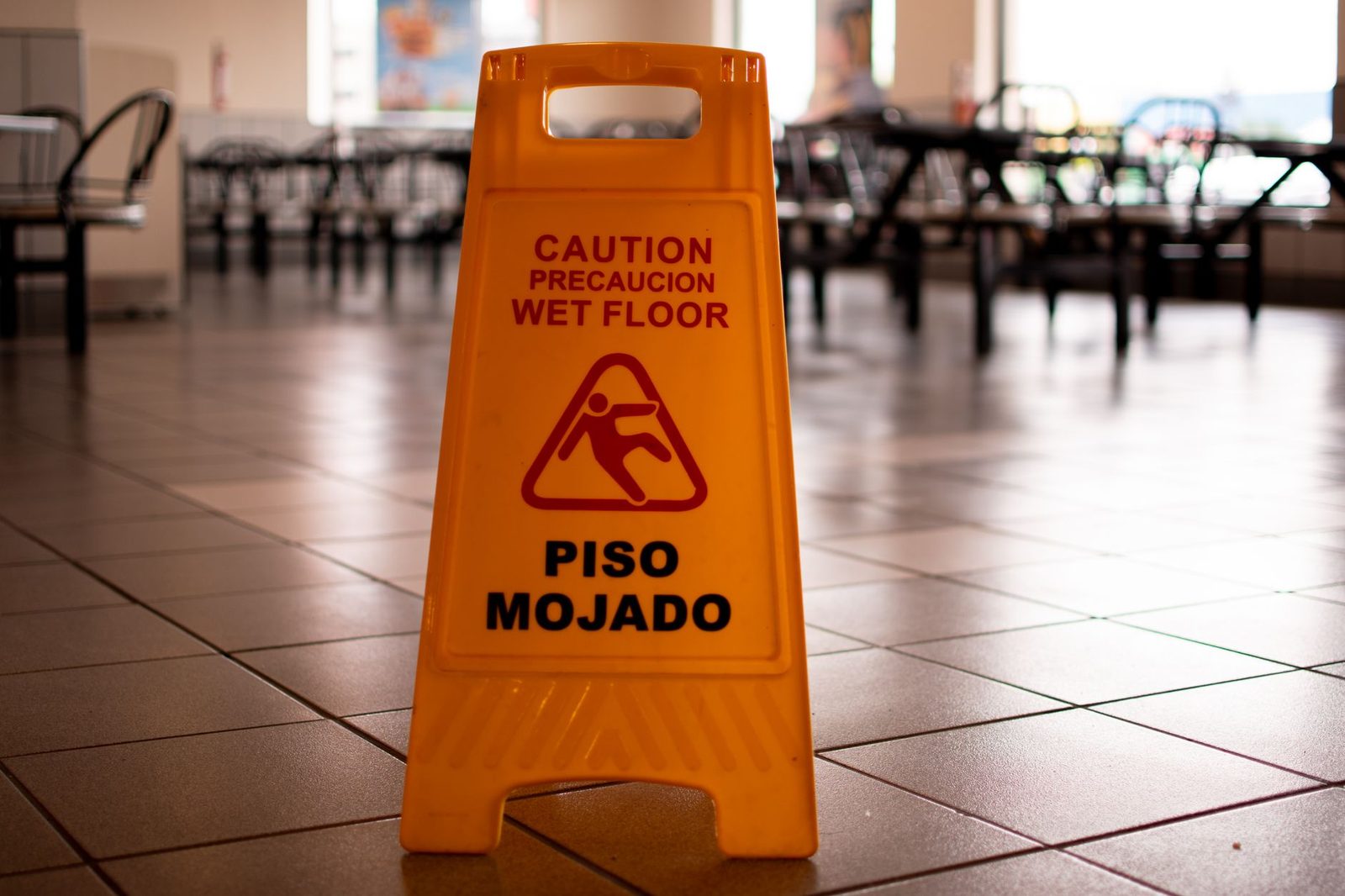
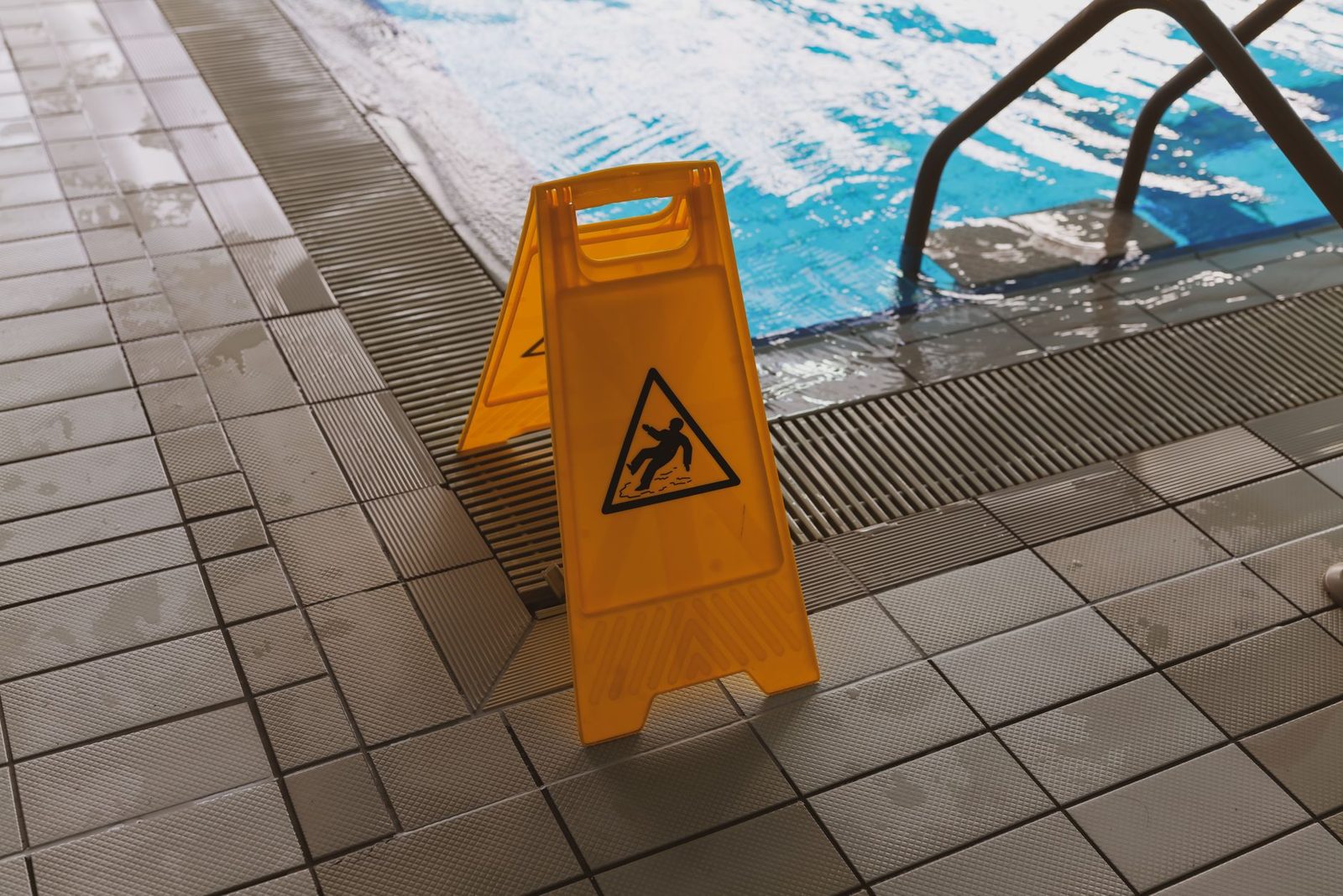
Clear warnings must be posted if a hazard cannot be immediately fixed. A wet floor sign, caution tape, or verbal warning must be visible and understandable. A sign placed where visitors can’t see it, or a warning that’s too vague, may not satisfy the property owner’s duty.
Maintenance of floors, walkways, stairs, and common areas keeps hazards from developing. Regular cleaning, removal of debris, and repair of worn surfaces prevent many slip and fall injuries.
Weather-related hazards require attention. Snow, ice, and rain create foreseeable slip risks. Property owners must address these through clearing walkways, applying salt or sand, or posting warnings. The extent of the duty depends on the severity of the weather and the foreseeability of the hazard.
When a Property Owner May Be Liable for Your Slip and Fall
A property owner’s liability for slip and fall injuries turns on specific factual questions. Courts and juries in Georgia consider whether the owner’s negligence caused your injury.
A property owner may be liable if:
-
The hazard existed long enough that a reasonable property owner should have discovered it through ordinary inspection. This is the “reasonable inspection” standard. A spill that appeared moments before your fall typically does not create liability because the owner had no reasonable opportunity to find it. A broken stair or a puddle that’s been there for hours or days is different.
-
The property owner knew or should have known about the hazard. This means either they had actual knowledge or they failed to conduct a reasonable inspection that would have revealed it.
-
The hazard was foreseeable—a reasonable property owner would have anticipated this type of risk. A wet floor in a restaurant is foreseeable. A broken step on a staircase is foreseeable. An icy parking lot in winter in Georgia is foreseeable.
-
The property owner’s failure directly caused your injury. The hazard must have been the actual cause of your fall, not some other factor.
-
You were lawfully on the property and using it in an ordinary way. You weren’t trespassing, and you weren’t using the property in an unusual or prohibited manner.
Common Slip and Fall Scenarios Involving Property Owner Liability
Slip and fall liability often arises in predictable situations. Recognizing these scenarios helps you evaluate whether negligence played a role in your fall.
Wet or slippery floors in retail stores, restaurants, offices, or other businesses without warning signs or prompt cleanup are a frequent source of liability. If a customer spills something and the floor remains wet for an extended period without a sign or cleanup, the property owner may be liable.
Broken, uneven, or poorly maintained stairs or walkways create obvious hazards. Cracked concrete, loose steps, or missing handrails can cause falls. Property owners have a duty to maintain these structures.
Inadequate lighting makes hazards difficult to see. A dark stairwell, an unlit parking lot, or a hallway without working bulbs can prevent visitors from noticing and avoiding hazards.
Debris, clutter, or obstacles left in walkways or common areas create trip and slip hazards. A box in an aisle, a tool left on a step, or clutter blocking a path may establish liability if it causes a fall.
Spills or leaks from plumbing problems, roof damage, or equipment malfunction that create slip hazards without warning or prompt cleanup can establish liability.
Outdoor hazards like uncleared ice, snow, or broken pavement that the owner failed to address are common in Georgia, especially during winter months. If a property owner knows snow and ice are present and does nothing to clear or warn of them, liability may attach.
Not sure what your next step is?
Talk it through with our team — the first consultation is free, confidential, and carries no obligation.
Factors Georgia Courts Consider in Slip and Fall Liability Cases
When a slip and fall case goes to court, judges and juries in Georgia evaluate several factors to determine whether the property owner was negligent.
How long the hazard likely existed before your fall is critical. The longer a hazard has been present, the more likely the property owner should have discovered it through reasonable inspection. A hazard that’s been there for minutes may not create liability; one that’s been there for hours or days likely does.
Whether the property owner had actual knowledge of the hazard or evidence they should have discovered it through inspection shapes the outcome. Did they see the spill? Did they fail to inspect when they should have? Did an employee report the hazard but the owner did nothing?
The foreseeability of the risk matters. Would a reasonable property owner anticipate this type of hazard in this location? A wet floor in a restaurant is foreseeable; an unexpected manufacturing defect in a product you bought there is not.
Whether adequate warnings or barriers were in place affects liability. A visible wet floor sign or caution tape may reduce or eliminate liability if the hazard was otherwise not obvious.
Your own conduct is also considered. Did you contribute to the fall by not paying attention, ignoring obvious warnings, or being careless? Georgia follows comparative fault principles, meaning your own negligence may reduce your recovery or bar it entirely, depending on the degree of fault.
The nature of the property and the type of business or use matters. A busy grocery store requires more frequent inspection than a quiet office building. A parking lot in winter requires more attention to ice and snow than a covered indoor walkway.
What Liability Does NOT Cover
Understanding the limits of property owner liability helps you assess whether your situation involves negligence.
Temporary or transient hazards that appeared moments before your fall and the owner had no reasonable opportunity to discover typically do not create liability. If someone spilled water seconds before you walked by, the property owner likely had no chance to find it.
Hazards you created yourself or that resulted entirely from your own carelessness do not establish the property owner’s liability. If you knocked over a display and immediately fell in the mess, the owner isn’t liable.
Falls caused by your own medical conditions or loss of balance unrelated to the property’s condition don’t establish liability. If you fainted or your leg gave out for reasons unrelated to any hazard, the property owner isn’t responsible.
Obvious hazards you should have noticed and avoided may not create liability, though this is fact-specific. If a large hole in the floor is plainly visible and you walk into it anyway, the property owner may not be liable—but if the lighting is poor or the hazard is hidden, that analysis changes.
Why Understanding Property Owner Liability Matters
Knowing what property owners owe you under Georgia law helps you evaluate your situation. Slip and fall liability is the foundation for premises liability claims that can cover medical bills, lost wages, pain and suffering, and other damages. Many property owners carry liability insurance that can compensate injured visitors.
Understanding these principles also helps you recognize whether the property owner’s negligence played a role in your injury—a critical first step in determining whether you have a valid claim.
Next Steps If You’ve Been Injured in a Slip and Fall
If you’ve slipped and fallen on someone else’s property, taking immediate action strengthens your claim.
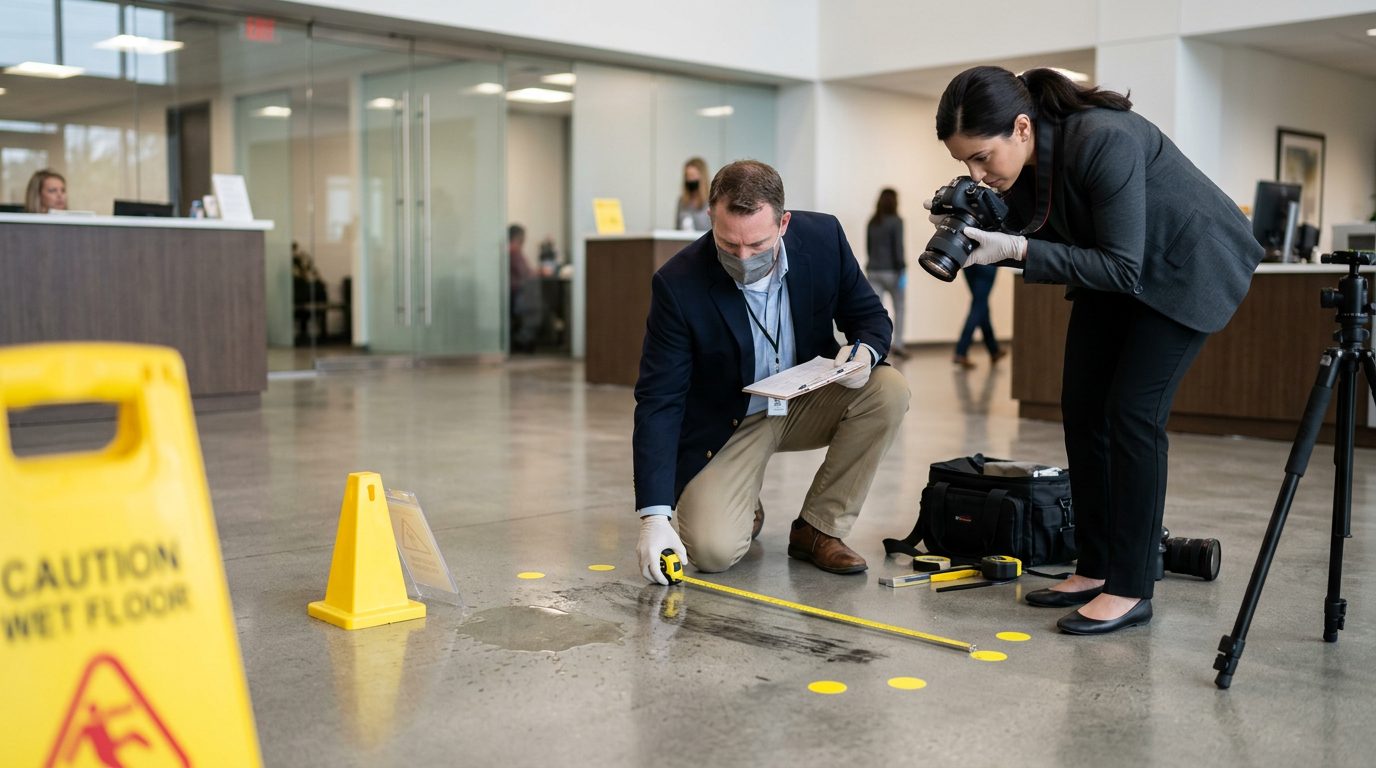
Document the scene by taking photos of the hazard, the area, lighting conditions, and any warning signs or lack thereof. Photograph the exact spot where you fell and any conditions that contributed to it.
Report the incident to the property owner or manager and request a written incident report. Ask them to document what happened, when, and what caused it.
Seek medical attention and keep records of all treatment, expenses, and recommendations. Medical records establish the extent of your injury and its connection to the fall.
Gather witness contact information if anyone saw your fall or the conditions that caused it. Witnesses can corroborate your account of what happened.
Preserve evidence by keeping the shoes or clothing you wore when you fell. Note the exact date, time, and location of the fall. Photograph any visible injuries.
Consult with a premises liability attorney to understand your rights and whether the property owner’s liability applies to your situation. An attorney can evaluate the facts, explain Georgia’s slip and fall law, and help you determine whether you have a valid claim.
Frequently Asked Questions
What’s the difference between premises liability and slip and fall liability?
Premises liability is the broader legal concept—a property owner’s duty to maintain safe conditions. Slip and fall liability is a specific type of premises liability claim based on a fall caused by an unsafe condition.
How long does a hazard have to exist before a property owner becomes liable?
Georgia law applies a “reasonable inspection” standard. The longer a hazard exists, the more likely a reasonable property owner should have discovered it. A hazard present for hours or days is more likely to create liability than one present for minutes.
Can I recover if I was partly careless?
Georgia follows comparative fault principles. Your own carelessness may reduce or eliminate recovery depending on the degree of your fault. An attorney can evaluate how your conduct affects your claim.
What counts as a foreseeable hazard?
A foreseeable hazard is one a reasonable property owner would anticipate. Wet floors in restaurants, ice in winter parking lots, and broken stairs are foreseeable. Unusual or unexpected hazards may not be.
If you’ve slipped and fallen on someone else’s property in Georgia and you’re unsure whether the owner’s negligence contributed to your injury, we can help you understand what happened and what your options are. People in your situation contact us regularly to discuss their premises liability claims—reach out to request a free consultation.
Key Differences: Premises Liability vs. Slip and Fall
Premises Liability
The broader legal duty a property owner has to maintain safe conditions and warn visitors of known dangers.
Slip and Fall Liability
A specific type of premises liability claim arising when an unsafe condition—like a wet floor, torn carpet, or debris—directly causes your fall and injury.
What Property Owners Must Do Under Georgia Law
Maintain Safe Premises
Property owners are required to keep their property in a reasonably safe condition for visitors and guests.
Warn of Known Hazards
If a dangerous condition exists, the owner must either fix it or post a clear warning so visitors can avoid injury.
Address Hazards Promptly
A property owner cannot ignore a hazard indefinitely. The longer a dangerous condition persists, the stronger your potential claim.
Document and Inspect
Responsible owners keep records of inspections and maintenance. The absence of such records can support your case.
How Long Must a Hazard Exist?
Georgia law does not set a specific time limit. Instead, courts consider whether the property owner knew or should have known about the dangerous condition through reasonable inspection. A hazard that existed for hours, days, or longer—without being addressed or marked—strengthens your claim that the owner was negligent.
Common Slip and Fall Scenarios
Retail and Commercial Spaces
Wet floors from spills or cleaning, debris in aisles, or broken fixtures that create tripping hazards.
Apartment Buildings and Rental Properties
Poorly maintained stairs, broken railings, inadequate lighting, or unrepaired flooring.
Parking Lots and Walkways
Cracked pavement, potholes, ice accumulation, or missing handrails on slopes.
Restaurants and Hospitality
Spilled food or beverages, grease on kitchen floors, or inadequate warning signs.
Why You Need Legal Representation
Understand Your Rights
Georgia premises liability law is complex. We explain what the property owner owed you and whether they breached that duty.
Gather Critical Evidence
Photos, maintenance records, witness statements, and incident reports are vital. We know what to collect and preserve before it disappears.
Handle Insurance Companies
Property owners' insurers often deny or minimize slip and fall claims. We negotiate on your behalf to pursue fair compensation.
Clear Communication
We explain the process in plain language and keep you informed every step of the way.