

Slip and Fall | Atlanta and Georgia
Hurt on Icy or Snowy Property? Talk With Our Team
Ice and snow can turn a routine walk into a serious injury. Here is how our Duluth firm helps people understand what happened and what comes next.
By Peter F. Jaraysi · Published November 10, 2026
Slipping on ice or snow can leave you hurt and wondering who should pay. In short, a property owner can be responsible when it fails to use ordinary care to keep its property safe for people it invites in. Slip and fall litigation in Atlanta usually turns on how the ice formed, what the owner knew, and what it did about it. This guide walks through those questions in plain language. It is general information, not advice about your own claim.
Why Winter Slip and Fall Claims in Metro Atlanta Depend on the Facts
A fall on ice or snow is still a premises question. That means the facts about the property decide most of it. Metro Atlanta winters are short and hard to predict. A walkway, parking lot, or store entrance can turn icy fast, and an owner may not treat it in time.
Three questions matter most. Who controlled the area where you fell? What did the owner know about the hazard? How did the owner respond once it knew, or should have known, about the ice?
Every claim depends on the facts. So this guide explains the framework rather than predicting a result for any one fall. Keep that in mind as you read the rest.
If you slipped on ice or snow and want to know whether the property owner may be responsible, our team can talk it through with you. Talk it through with our team — the first consultation is free, confidential, and carries no obligation.
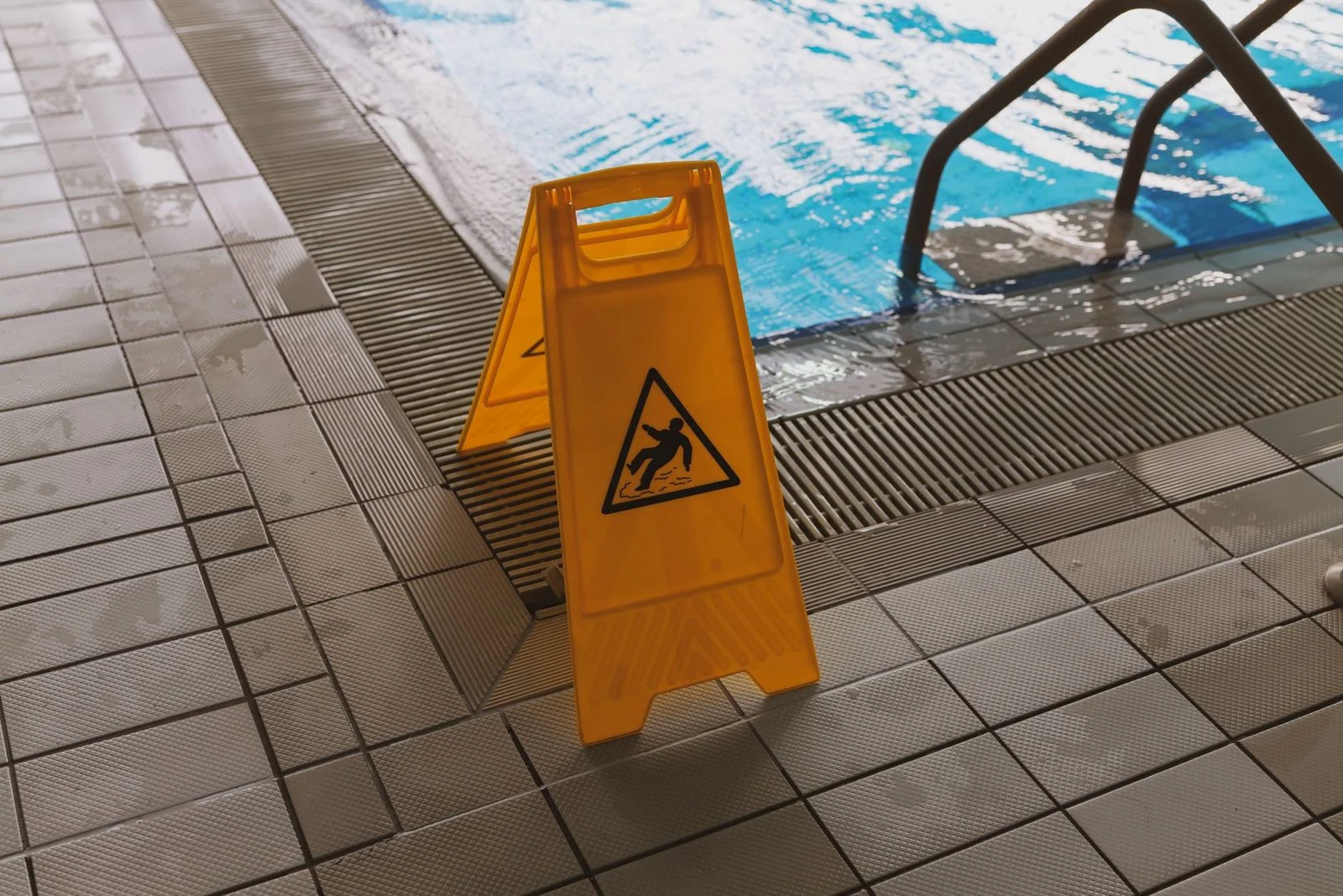
What Georgia Law Requires of Property Owners
Georgia law requires an owner or occupier to use ordinary care in keeping its premises and approaches safe. That duty applies to people who come onto the property by invitation for a lawful purpose. The rule is set out in O.C.G.A. § 51-3-1. Customers and visitors on business are typical examples.
Ordinary care is a plain standard. Under O.C.G.A. § 51-1-2, ordinary diligence is the care that ordinarily prudent people use in similar circumstances. Failing to use that care is called ordinary negligence.
Status matters, too. Under O.C.G.A. § 51-3-2, a licensee is someone who is not a customer, servant, or trespasser, does not stand in any contractual relation with the owner of the premises, and is permitted to go on the premises merely for his own interests, convenience, or gratification. A licensee has no contract with the owner and is on the property only for his own interests, convenience, or gratification. The owner is liable to a licensee only for willful or wanton injury. That is a different and narrower standard than ordinary care, so a visitor’s status can change the duty owed.
The Natural Accumulation Question: When Ice or Snow Becomes the Owner’s Responsibility
Every icy or snowy fall involves its own facts, so each situation is looked at on its own terms. Weather is often the first thing an owner points to. The facts can show more than the weather.
Some examples raise real questions:
- Ice that forms from a leaking gutter, a downspout, or a broken drain that sends water across a walkway.
- A hazard the owner created or made worse, such as snow piled in a way that melts and refreezes on a path.
- A known icy spot that was left unmarked or unaddressed after someone reported it.
What the owner did after notice is central. Did staff salt, sand, block off, or warn people? How long did the hazard sit there? These questions shape the analysis far more than the forecast does.
Common Winter Fall Locations Across Metro Atlanta
Winter falls often happen at store and restaurant entrances, parking lots and parking decks, apartment and condominium walkways, office steps, and short-term rental properties booked through Airbnb or VRBO.
Layout matters. Water runs toward low spots and can pool where it freezes. Shaded stairs and drive edges can stay icy long after open pavement dries. A drainage problem can keep a surface wet and freezing again and again.
Control matters too. An owner, a tenant, or a management company may each control different parts of a property. A fall on a rental’s front steps can raise different questions than a fall in a shared parking lot. Note who controls the spot where you fell.
Georgia’s Department of Administrative Services slip-and-fall prevention guidance lists housekeeping, removing obstructions, addressing spills, and keeping walkways safe as prevention steps. Those are useful benchmarks for what a well-kept property looks like.
Time Limits, Comparative Fault, and Why Early Action Helps
Most personal injury claims in Georgia must be filed within two years. Under O.C.G.A. § 9-3-33, except as otherwise provided in this article, actions for injuries to the person must be brought within two years after the right of action accrues, except for actions for injuries to the person involving loss of consortium, which must be brought within four years after the right of action accrues. Other claim types can carry different deadlines, so check timing early.
Fault can be shared. Under O.C.G.A. § 51-12-33, a judge reduces damages in proportion to the injured person’s percentage of fault. If that share is 50 percent or more, the person cannot recover any damages.
Fault can also be divided among several people. A defending party may give notice, no later than 120 days before trial, that a nonparty was at fault. Each liable person’s share is its own, not joint liability.
Early steps matter because conditions change and records get lost. Georgia courts have said the duty to preserve evidence can arise once litigation is reasonably foreseeable to the party that controls it, as stated in Phillips v. Harmon. Getting medical care early also creates a record of your injuries.
Evidence to Preserve After a Fall on Ice or Snow
The best evidence shows the ice, the exact spot, and the conditions that day. Start with photos. Take wide shots of the area and close shots of the ice from several angles. Take them soon, before the spot is cleaned, salted, or repaired.
Write a short note while the details are fresh. Include the time, the weather, where you were walking, and what you were carrying. Save the shoes and clothes you wore, because they can show how the fall happened.
Ask the property for an incident report. Write down the names of any employees, managers, or witnesses you saw. Keep receipts for out-of-pocket costs, along with every medical record and bill.
Some public records can help, too. Fulton County’s Code Enforcement program covers commercial-property maintenance standards. It also describes the notice, compliance, and citation process for code violations. That is useful context for property in Fulton County.
Not sure what your next step is?
Talk it through with our team — the first consultation is free, confidential, and carries no obligation.
Winter Slip and Fall Claims in Lawrenceville and Johns Creek
Winter falls in Lawrenceville and Johns Creek often happen at shopping centers, office parks, apartment communities, and homes with walkways and driveways. Local layouts shape the facts. A wide parking lot drains differently than a narrow entrance walk. A shaded courtyard can hold ice long after the lot is dry.
Property type is a starting point, not an answer. Who owned, leased, or managed the spot where you fell usually matters most. Bring that information when you talk with a lawyer.
The firm is based in Duluth, Georgia, and represents people hurt in accidents across metro Atlanta and Georgia. The firm also has separate pages covering Lawrenceville and Johns Creek.
Frequently Asked Questions
Who is responsible for a slip and fall on ice in Georgia?
Under Georgia law, an owner or occupier who, by express or implied invitation, induces or leads others to come upon its premises for any lawful purpose must use ordinary care to keep the premises and approaches safe. Responsibility for a fall on ice or snow depends on the facts of each case.
How long do I have to file a slip and fall lawsuit in Georgia?
Under Georgia law, actions for injuries to the person must generally be brought within two years after the right of action accrues, but actions for injuries to the person involving loss of consortium must be brought within four years after the right of action accrues. Check your deadline early.
Can I recover damages if I was partly at fault?
Georgia reduces damages in proportion to your share of fault. If you are 50 percent or more responsible for the injury or damages claimed, you are not entitled to receive any damages (O.C.G.A. § 51-12-33(g)).
Do I need a lawyer for a slip and fall claim in Atlanta?
Many people talk with a lawyer early to learn their options and deadlines. A lawyer can review the facts of your fall with you.

What Happens at a Free Consultation With Our Team
The firm offers a free first consultation. It is confidential, and there is no obligation to continue. The conversation is a chance to talk through your fall, your options, and possible next steps.
It helps to bring the date, time, and place of the fall. Bring photos, names of anyone who saw it, medical information and bills, and any letters or reports from the property or its insurer.
This page is general information, not legal advice. Peter F. Jaraysi, one of the firm’s lawyers, is the responsible lawyer for this page.
If you slipped on ice or snow and want to know whether the property owner may be responsible, request your free consultation with our team.
How Our Team Can Help
Clear Answers
We explain how Georgia premises liability law may apply to your fall in plain language, so you know where you stand.
Evidence Review
We look at photos, weather records, incident reports and maintenance details that can shed light on what happened.
Protecting Your Claim
We handle communications with property owners and insurers so you can focus on your recovery.
Focused on Your Situation
Our lawyers and support staff take time to listen to the details that matter most to you and your family.
Protect Your Account of the Fall
Write down what happened while the details are fresh, including the time, location and weather. Keep the shoes and clothing you wore. Get medical care even if your injuries seem minor.
Steps to Take After an Icy or Snowy Fall
Seek Medical Care
Some injuries, such as head trauma or fractures, may not show symptoms right away. A medical record also documents your injuries.
Document the Scene
If you can, photograph the ice, snow, lighting and any warning signs or their absence. Note the names of any witnesses.
Report the Fall
Ask the property manager or owner to record the incident in writing, and keep a copy of any report you receive.
Talk With Our Team
A free, confidential consultation can help you understand your options and the information you should gather next.