

Marietta, Georgia | Slip and Fall Injuries
Hurt in a Slip and Fall in Marietta? Start With a Free Conversation
A fall can leave you with medical bills, time off work, and questions you did not expect. Our team listens first, then explains your options in plain language.
By Peter F. Jaraysi · Published November 13, 2026
A fall in a store, parking lot or apartment building can leave you hurt, unable to work and unsure who should pay. Georgia law asks whether the property owner failed to keep the area reasonably safe, and whether that failure caused your fall.
If you were lawfully on someone else’s property and a hazard they knew about, or should have found, caused your fall, you may have a premises liability claim. Here is how that works in Marietta and across Georgia.
What a Marietta Slip and Fall Case Covers
A slip and fall claim is a type of premises liability claim. It seeks compensation for injuries from a fall on property that someone owns, operates or controls.
Common hazards include:
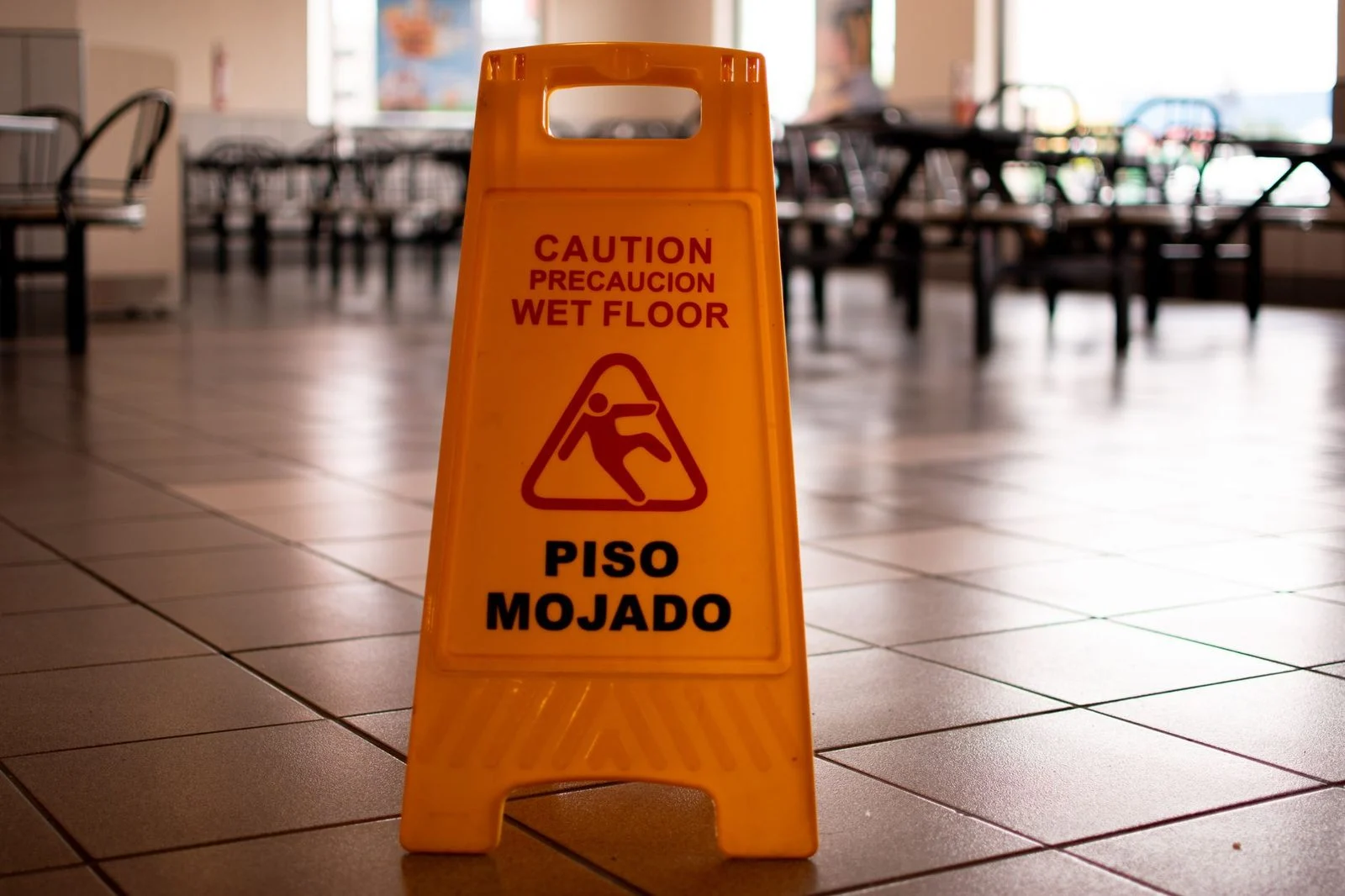
- Wet floors in grocery aisles, restaurants and restrooms
- Torn carpet, cracked tile or uneven flooring
- Icy, cracked or broken walkways
- Broken stairs or missing handrails
- Poor lighting or hazards with no warning sign
Injuries can range from bruises and sprains to fractures, head injuries and spinal injuries. Serious injuries like these fall under our catastrophic injury work. For the wider Georgia picture, read our Georgia slip and fall guide.
Families may also have questions when a fall leads to a death. Wrongful death is one of the matters we handle.
If a wet floor or broken stair in a Marietta store or building left you hurt, our team can review what happened and whether you may have a claim. Talk it through with our team — the first consultation is free, confidential, and carries no obligation.

Where Slip and Fall Accidents Happen in Marietta
Falls happen wherever the public walks. That includes shopping center parking lots, grocery stores, apartment complexes, restaurants and medical offices in Marietta and across Cobb County.
Most of these falls come from ordinary problems that were not fixed in time. A spilled drink sat on the floor. A pothole went unrepaired in a lot. A curb edge had no marking. A loose stair tread stayed loose.
Who is responsible depends on who controlled the area. It may be the business, a property manager, or a maintenance company hired to clean or repair the space. Georgia law can hold an employer responsible for a contractor’s negligence in some situations, under O.C.G.A. § 51-2-5.
If you can, take photos of the hazard, the surrounding area and any warning signs or missing signs. Write down the time, the weather and the names of anyone who saw the fall. Scenes change quickly, so early notes help.
What Georgia Law Requires of Property Owners
Under O.C.G.A. § 51-3-1, an owner or occupier who invites people onto its property must use ordinary care to keep the premises and approaches safe.
Ordinary care means reasonable care. It does not make the owner responsible for every accident. The question is whether the owner acted reasonably about the hazard.
Some facts often come up when people think about a premises injury:
- Actual knowledge: The owner knew about the hazard. A manager saw the spill and walked past it.
- Constructive knowledge: The owner should have known. How long a hazard was present is one of the details that can be looked at after a fall.
A spill that staff should have cleaned during a routine check can be viewed differently from one that appeared seconds before your fall.
Your status on the property also matters. A licensee is a person who is neither a customer, a servant, nor a trespasser, has no contractual relation with the owner, and is permitted to be there merely for their own interests, convenience, or gratification; under O.C.G.A. § 51-3-2, the owner is liable to a licensee only for willful or wanton injury.
Owners often argue that a hazard was obvious. How obvious a hazard was often depends on the specific facts of each situation. Read more in our open and obvious guide.
What a Slip and Fall Claim Needs to Show
A slip and fall claim usually needs to show four things. The owner owed you a duty. The owner failed to meet it. That failure left the hazard in place. A fall can lead to injuries and losses that affect daily life.
Helpful evidence includes:
- Photos and video of the hazard and the scene
- Incident reports and the names of witnesses
- Maintenance, cleaning and inspection records
- The shoes and clothing you wore
- Medical records that tie your injuries to the fall
Prompt medical care matters. Gaps in treatment give an insurer room to argue your injuries came from something else.
Evidence can disappear, so act early. Georgia case law in Phillips v. Harmon says the duty to preserve evidence can arise when litigation is reasonably foreseeable to the party that controls the evidence. It does not wait for a lawsuit to be filed.
Georgia also uses a shared-fault rule. Under O.C.G.A. § 51-12-33, a judge reduces your damages by your percentage of fault. If you are 50 percent or more responsible, you cannot recover damages.
The insurer’s first offer is not always the full value of a claim. Read any release carefully before you sign it. Don’t give a recorded statement until you understand what it covers.
How the Process Works, Step by Step
The process usually starts with a free, confidential first consultation. That first visit carries no obligation to continue.
- Consultation. You describe the fall, your injuries, and any bills or insurance contacts.
- Investigation. The firm reviews the incident report, medical records and property information, and identifies witnesses. It can also ask the property owner to preserve video and records.
- Claim presentation. The claim goes to the property owner’s insurer with supporting documents, and negotiations begin.
- Filing when needed. If the claim is not resolved fairly, it may be filed in court. Timelines vary with the facts, the injuries and the court’s schedule.
Under O.C.G.A. § 9-3-33, actions for injuries to the person must generally be brought within two years after the right of action accrues. Some exceptions can apply, so don’t wait. Evidence also gets harder to find as time passes.
The client may still be responsible for court costs and case expenses. Ask how these work at your consultation.
Why Injured Marietta Residents Contact Slam Dunk Attorney
Slam Dunk Attorney is a personal injury law firm based in Duluth, Georgia. It serves people injured in accidents across metro Atlanta and Georgia, including Marietta, Kennesaw, Norcross, Dunwoody and Alpharetta.
Peter F. Jaraysi is the responsible lawyer for this page. Brian D. Wright is also one of the firm’s lawyers. Our lawyers and support staff work together on premises and injury matters.
Our practice areas that overlap with fall cases include premises liability, slip and fall, negligent security, catastrophic injuries and wrongful death.
When you call, you can expect:
- A free, confidential first consultation with no obligation to continue
- A plain-language explanation of the steps ahead
- A direct conversation about your facts, without pressure
Not sure what your next step is?
Talk it through with our team — the first consultation is free, confidential, and carries no obligation.
Common Questions About Marietta Slip and Fall Claims
What is a slip and fall case?
It is a personal injury claim for injuries from a fall on property someone owns, operates or controls. The claim asks whether the owner failed to keep the area reasonably safe.
Should I report the fall?
Asking for an incident report is generally wise. Keep your description accurate and factual.
What if I was partly at fault?
Georgia reduces your damages by your percentage of fault (O.C.G.A. § 51-12-33; Quynn v. Hulsey (2020)). If you are 50 percent or more responsible, you cannot recover damages.
How long do I have to file?
Most Georgia injury claims must be brought within two years under O.C.G.A. § 9-3-33. Some exceptions can apply.
Do I have to go to court?
Many claims resolve without a trial. Some must be filed in court, and your lawyer can explain which path fits your facts.
What happens at the consultation?
The first consultation is free, confidential and carries no obligation to continue. Bring photos, medical records, bills and any letters from insurers.
If you slipped on a wet store floor or a broken stair in Marietta, and now face medical bills and calls from an adjuster, don’t wait to learn where you stand. Contact Slam Dunk Attorney for a free case review while the details are still fresh.
How Our Firm Can Help
Free First Consultation
Your first consultation is free, confidential, and comes with no obligation to continue.
Investigation of the Fall
We look at the property conditions, incident reports, and records that help explain how the fall happened.
Advocacy for Property Owners' Responsibility
We focus on whether the property owner or manager kept the area reasonably safe for visitors.
Attention to Your Recovery
We understand that your health comes first, and we keep you informed as your case moves forward.
Clear, Plain-Language Updates
You will know what is happening, what comes next, and what questions to expect.
Serving Marietta and Metro Atlanta
Our firm is based in Duluth, Georgia, and represents people injured across Marietta, Atlanta, and the surrounding communities.
Protect Your Health and Your Record
Get medical care promptly, even if your injuries seem minor. Ask the property staff for an incident report, and keep your description accurate and factual. Save photos, receipts, and names of any witnesses if you can do so safely.
Places Where Slip and Fall Injuries Happen
Retail and Grocery Stores
Wet floors, spills, uneven flooring, and poorly marked hazards can cause serious falls.
Parking Lots and Walkways
Potholes, cracked pavement, ice, and poor lighting are common concerns in shared spaces.
Apartments and Condominiums
Broken stairs, loose handrails, and unrepaired common areas can injure residents and guests.
Restaurants and Businesses
Slippery kitchens, recently mopped floors, and debris in dining areas create risks for customers.