
Dunwoody & Metro Atlanta | Short-Term Rental Injuries
Hurt at an Airbnb or VRBO? Talk With Our Team for Free
Guests injured at short-term rentals in Dunwoody and across Georgia often have questions about what happened and who may be responsible. Peter F. Jaraysi and our team can review your situation in a free, confidential consultation.
By Peter F. Jaraysi · Published October 26, 2026
Why Dunwoody Short-Term Rental Injuries Need a Local Look
A short-term rental injury happens when a guest gets hurt at an Airbnb, VRBO, or similar rental booked for a short stay. These cases can differ from hotel accidents in ways that affect who may be responsible.
A hotel usually has a front desk, staff on site, and one company in charge. A vacation rental often has none of that. The guest may never meet the host. The host may live across town or out of state. The guest is walking through an unfamiliar home, with unfamiliar stairs, bathrooms, and appliances.
Dunwoody guests often book homes in residential neighborhoods. Others stay near the Perimeter area for work, medical visits, or family events. Across north DeKalb County, rental homes vary widely in age and upkeep. Two houses on the same street can carry very different hazards.
Think of this page as general information, not legal advice. Every claim turns on its own facts and evidence, so no outcome can be promised.
If you were hurt at a Dunwoody rental and are weighing your next move, our team at Slam Dunk Attorney can talk through the facts with you. Talk it through with our team — the first consultation is free, confidential, and carries no obligation.
Common Injuries at Dunwoody Vacation Rentals and Short-Term Stays
Common rental hazards include falls, stairway problems, pools and hot tubs, broken equipment, and fire or electrical problems. Each one can cause harm that lasts well beyond the trip.
Slips and falls. Wet bathroom floors, slick entry steps, icy walkways in winter weather, and hidden changes in floor level all cause falls. A fall can break bones or cause a head injury. The Georgia Department of Public Health covers fall-related injuries, including traumatic brain injuries.
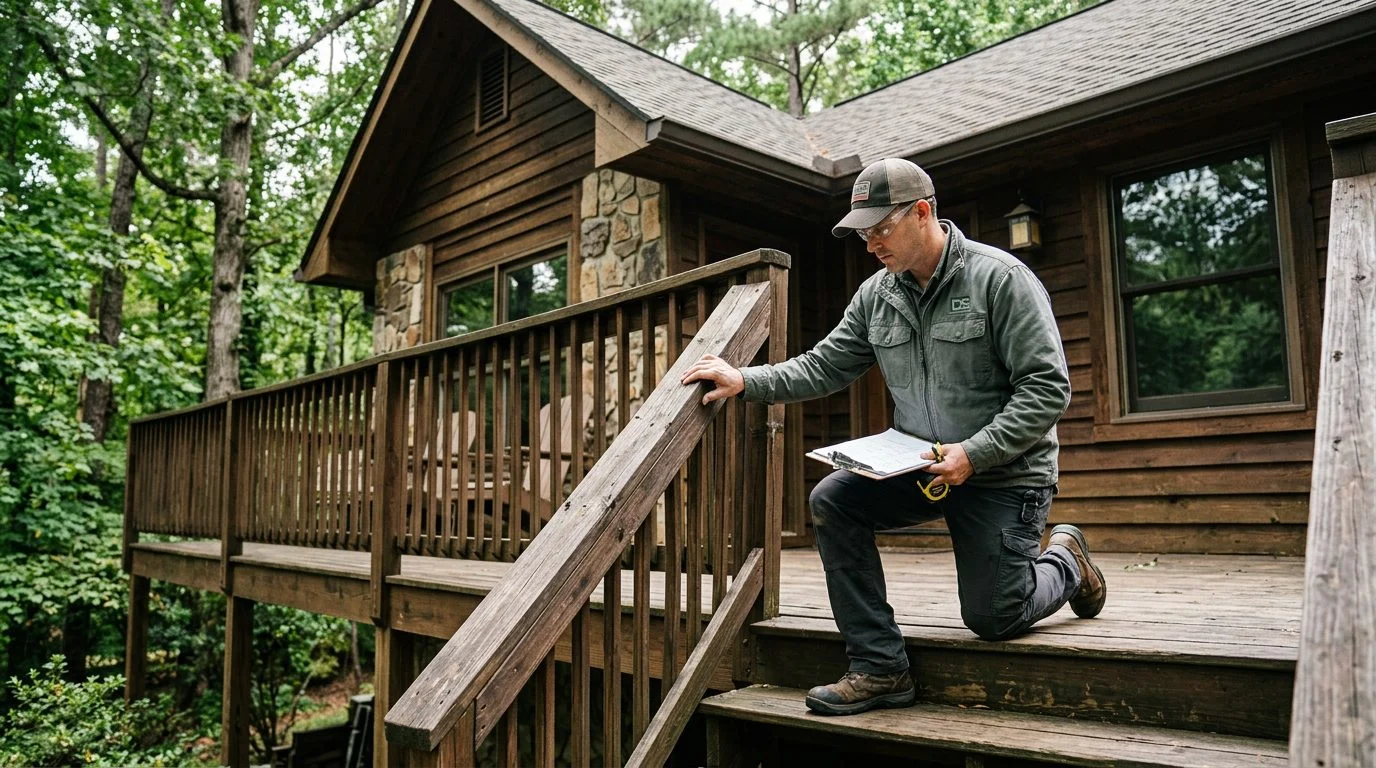
Stairways. Loose handrails, missing railings, uneven treads, and poor lighting make stairs risky. Guests may use unfamiliar stairs at night or while carrying bags.
Pools and hot tubs. Missing or broken fencing, slick decking, unsecured drain covers, and missing warning signs raise the risk. These hazards are hard for a guest to spot before getting in the water.
Equipment and structures. Broken furniture, faulty appliances, loose balconies or decks, and damaged outdoor grills can cause serious injuries.
Fire and electrical hazards. Faulty wiring or missing smoke detectors can turn a quiet stay into an emergency.
Who May Be Responsible for a Rental Injury
Responsibility can fall on the property owner, a management company, or a contractor, depending on who controlled the home and its upkeep. The answer turns on the facts of the stay.
The owner is the first place to look. The owner decides how the home is kept up and whether known hazards get fixed. A management company that handles cleaning, repairs, or check-in may share responsibility if it controlled the unit. A contractor who did recent work, like installing a railing or repairing a deck, may also play a role if that work created the danger.
A booking platform’s role can differ from one stay to the next. Keep your booking confirmation, house rules, and every message with the host or manager. These records show who booked the home, what rules applied, and who handled problems. Insurance is also a factor. According to the Insurance Information Institute, whether a homeowners or renters policy covers short-term rental activity depends on the policy and the activity.
How Georgia Premises Liability Applies to Rental Guests
Under Georgia law, an owner or occupier who invites people onto land must use ordinary care to keep the premises and approaches safe. Guests invited for a lawful purpose are covered by this duty.
Under O.C.G.A. § 51-3-1, an owner or occupier who, by express or implied invitation, induces or leads others to come upon the premises for any lawful purpose is liable for injuries caused by a failure to exercise ordinary care. O.C.G.A. § 51-1-2 describes ordinary care as the care an ordinarily prudent person would use in similar circumstances.
Landlord rules work differently. Under O.C.G.A. § 44-7-14, a landlord that has fully parted with possession and the right of possession is generally not responsible to third persons for damages resulting from the negligence or illegal use of the premises by the tenant. That landlord remains responsible for defective construction and for failing to keep the premises in repair.
Time limits matter too. Under O.C.G.A. § 9-3-33, actions for injuries to the person must generally be brought within two years after the right of action accrues. Acting early keeps your options open.
Shared fault also counts. Under O.C.G.A. § 51-12-33, damages are reduced in proportion to the injured person’s share of fault. Under this section, a plaintiff who is 50 percent or more responsible for the injury or damages claimed is not entitled to receive any damages.
Steps to Protect Your Claim After an Injury in a Dunwoody Rental
Get medical care first, then preserve the facts before the scene changes. Both steps protect your health and your ability to show what happened.
Keep every medical record, bill, and referral. Mention every symptom, including ones that show up days later, such as headaches, dizziness, or confusion after a fall.
Photograph the hazard, the surrounding area, and your injury from several angles before anything gets cleaned or repaired. Note the date, the time, and the lighting.
Write down what happened while memory is fresh. List who was present and any witnesses’ names and contact details.
Report the injury in writing to the host, manager, or booking platform. Save copies of every message and response.
Avoid posting detailed accounts of the accident or your injuries online. Insurers and other parties may review those posts.
Talk With Our Team About Your Dunwoody Rental Injury
Our team at Slam Dunk Attorney can review the facts of your stay with you. Your first consultation is free, confidential, and without obligation to continue.
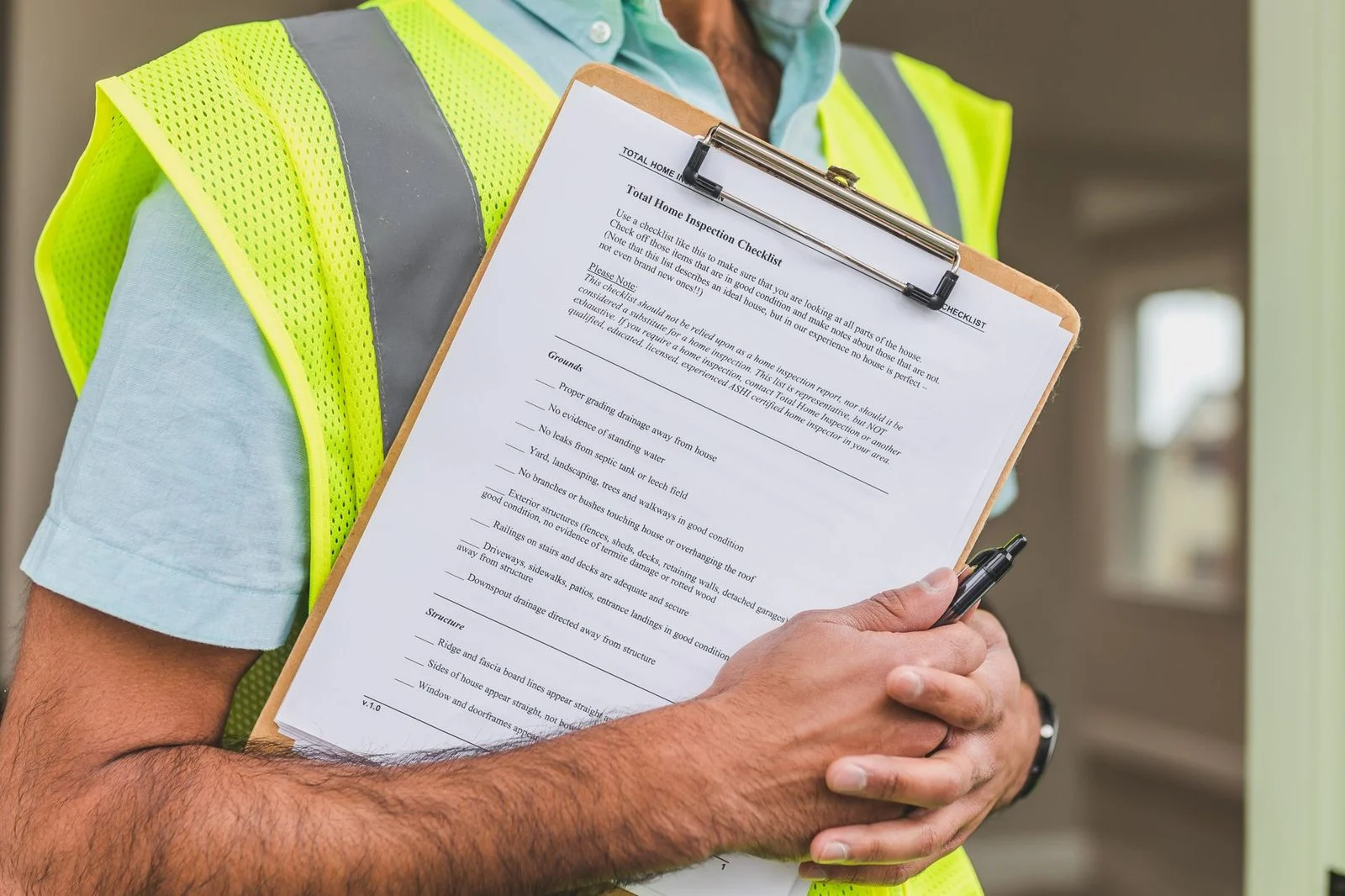
Bring your booking confirmation, photos, medical records, and any messages with the host or manager. These help us review what happened.
Frequently Asked Questions
Who is responsible if I get hurt at an Airbnb in Georgia?
The answer turns on who controlled the property and who was responsible for keeping it in repair. A host, manager, or contractor may be involved.
How long do I have to file a claim in Georgia?
Georgia generally requires injury claims to be brought within two years after the right of action accrues. Our team can explain how that applies to your date of injury.
What if I was partly at fault?
Georgia reduces damages in proportion to your share of fault. If you are 50 percent or more responsible for the injury or damages claimed, you are not entitled to receive any damages (O.C.G.A. § 51-12-33 (Quynn v. Hulsey (2020))(g)).
Responsible lawyer: Peter F. Jaraysi, Slam Dunk Attorney, Duluth, Georgia. This page is general information, not legal advice, and no outcome is promised.
If you were hurt at a Dunwoody rental and are weighing your next move, our team at Slam Dunk Attorney can talk through the facts with you. Request a free case review.
How We Help Guests Injured in Short-Term Rentals
Listen First
We take time to hear what happened, from the condition of the property to the steps you have taken since the injury.
Organize the Facts
We help gather the information that matters, such as booking records, photos, messages with the host or platform, and medical documentation.
Look Into Responsibility
Injuries at rentals can involve owners, property managers, contractors, or others. We look at who controlled the property and who was responsible for keeping it safe.
Focus on Your Recovery
You should be able to focus on healing. We work to keep the insurance process and paperwork moving so you do not have to carry it alone.
Before You Speak With an Insurer
Insurance adjusters may contact you quickly. Be cautious about giving recorded statements or signing releases before you have talked with a lawyer, and avoid posting details about the incident online.
Practical Steps Right After a Rental Injury
Get Medical Care
See a doctor or go to an emergency room, even if your injuries seem minor. Follow the treatment plan and keep every record.
Document the Scene
Take photos of the hazard, the area around it, and any visible injuries. Note the date, time, and names of anyone who saw what happened.
Save Your Booking Details
Keep your reservation confirmation, listing description, house rules, and all messages with the host or booking platform.
Report the Problem
Let the host or property manager know about the hazard in writing so there is a record. Keep a copy of anything you send.