
Pedestrian Injuries | Duluth, Georgia
What a Pedestrian Injury Means, and What to Know Next
A plain-language guide for people on foot in Duluth and across metro Atlanta who were hurt in a collision, fall, or other incident.
By Peter F. Jaraysi · Published October 25, 2026
What is the definition of a pedestrian injury? In plain terms, it is physical harm to a person who was on foot when a vehicle struck them or when a traffic incident hurt them. The term describes the harm to the person, not the crash itself.
If you’re reading this, someone you care about may be hurt right now. You may be trying to make sense of medical bills, a police report, or decisions you never expected to make. This guide explains the key terms in plain language so you can follow what comes next.
What a pedestrian injury means
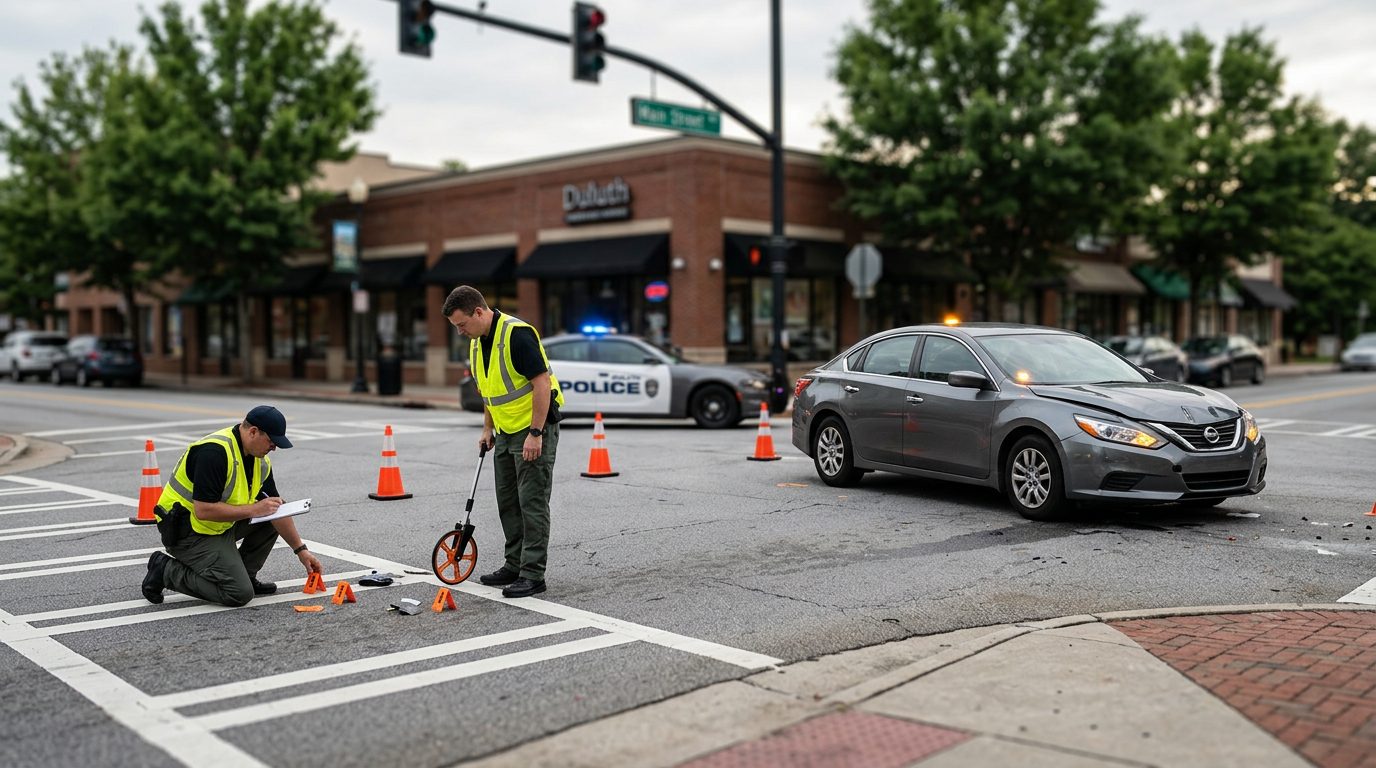
A pedestrian injury is harm to a person traveling on foot. Most often, a vehicle hits the person. It can also happen in a related incident, such as a car swerving onto a sidewalk or a driver striking someone stepping off a curb.
People often mix up two terms. A pedestrian accident is the event, the moment a vehicle and a person on foot meet. A pedestrian injury is what that event does to the body. Some injuries show up in the first hours. Others appear later.
The injuries vary widely. Some people leave with scrapes and bruises. Others face broken bones, brain injuries, or lasting changes to their daily lives. The Governors Highway Safety Association notes that people outside vehicles are especially vulnerable in collisions. It also states that these crashes can cause serious injuries, including head injuries.
If a family member was hurt while walking near traffic, you don't have to work out the next steps alone; our team offers a free, confidential first consultation with no obligation to continue. Talk it through with our team — the first consultation is free, confidential, and carries no obligation.
Who counts as a pedestrian under Georgia law
In everyday terms, a pedestrian is someone traveling on foot, including people walking, running, standing at the roadside, or crossing the street.
Georgia’s pedestrian statute provides that, notwithstanding other provisions of the chapter, every driver of a vehicle shall exercise due care to avoid colliding with any pedestrian upon any roadway, shall give warning by sounding his horn when necessary, and shall exercise proper precautions upon observing any child or any obviously confused, incapacitated, or intoxicated person. They cover crosswalks, right of way, and what drivers must do around people on foot.
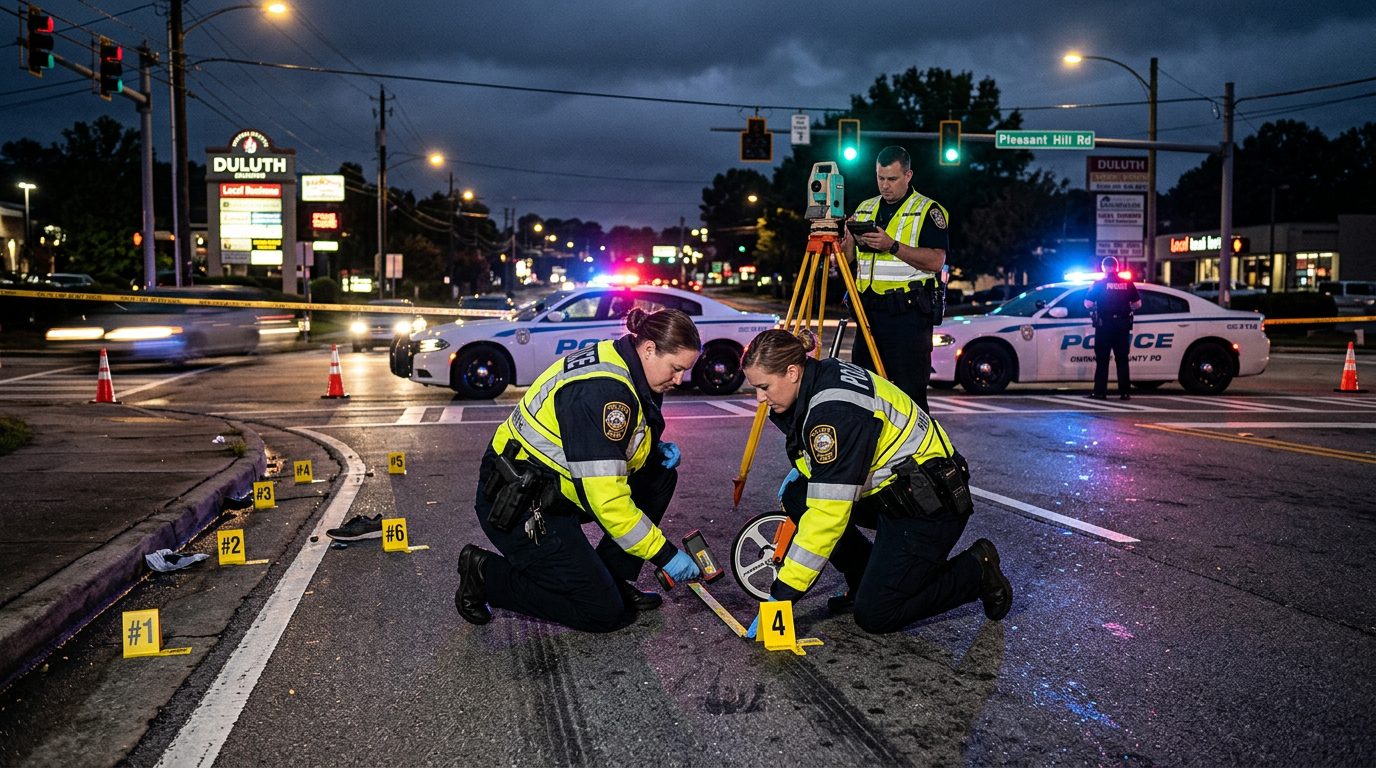
Where a person crosses matters. Within a crosswalk, marked or not, a driver must stop and remain stopped for a pedestrian on the driver’s half of the road, or one approaching and within one lane of the half the driver is traveling on or turning onto. This duty does not apply under the conditions stated in subsection (b) of Code Section 40-6-92 (O.C.G.A. § 40-6-91). Under O.C.G.A. § 40-6-92(a), a pedestrian crossing a roadway at any point other than within a marked crosswalk or within an unmarked crosswalk at an intersection shall yield the right of way to all vehicles upon the roadway unless the pedestrian has already, and under safe conditions, entered the roadway.
Drivers must also use due care to avoid hitting any pedestrian (O.C.G.A. § 40-6-93).
Common injuries that fall under the term
Pedestrian injuries cover many kinds of harm. Common examples include:
- Broken bones in the legs, hips, pelvis, or arms
- Head injuries, including concussions and traumatic brain injury
- Spinal cord injuries that can affect movement and feeling
- Internal injuries and bleeding that may not show right away
- Road rash, cuts, and other soft-tissue injuries
- In serious impacts, amputation or severe burns
Some symptoms take time to appear. A person may feel shaken but stable at the scene, then notice headaches, numbness, or pain days later. Keep notes about how you feel and copies of every medical visit.
The Georgia Department of Driver Services also notes that higher vehicle speeds increase the risk of serious or fatal pedestrian injuries. When a person does not survive, the family may face a wrongful death claim. When death results from a crime or from criminal or other negligence, the personal representative of the deceased person is entitled to recover funeral, medical, and other necessary expenses resulting from the injury and death. That rule appears in O.C.G.A. § 51-4-5.
Why the definition matters after a pedestrian accident
Knowing who counts as a pedestrian, and where they were, helps explain how an incident gets reviewed. It shows which driver duties may apply.
Timing comes early. Under O.C.G.A. § 9-3-33, actions for injuries to the person generally must be brought within two years after the right of action accrues. Understanding that deadline early helps you plan.
Fault can be shared. Under O.C.G.A. § 51-12-33, damages are reduced in proportion to the injured person’s own share of fault. Someone who is 50 percent or more responsible cannot receive damages at all.
Some losses must be proved. Under O.C.G.A. § 51-12-2, special damages, such as medical bills, actually flow from the act and must be proved.
Frequently asked questions
What is the difference between a pedestrian injury and a pedestrian accident?
A pedestrian accident is the event. A pedestrian injury is the harm that event causes to the person on foot.
Who counts as a pedestrian in Georgia?
In everyday terms, a pedestrian is someone traveling on foot, such as a person walking, running, or standing at the roadside.
How long do I have to file a pedestrian injury claim?
Georgia generally allows two years for injury claims under O.C.G.A. § 9-3-33.

Talking through your situation with our team
If you’re trying to understand a pedestrian injury, you don’t have to sort it out alone. Maybe a family member is in the hospital after being hit near a crosswalk, and you’re the one making phone calls and reading paperwork.
Our team at Slam Dunk Attorney, based in Duluth, Georgia, can talk through what happened and what may come next. The first consultation is free, confidential, and comes with no obligation to continue.
When you’re ready, reach out for a free case review.
Responsible lawyer for this page: Peter F. Jaraysi, Slam Dunk Attorney, Duluth, Georgia.
Key Points About Pedestrian Injuries
Accident vs. injury
The accident is the event that happened. The injury is the physical harm it caused to the person on foot.
Who counts as a pedestrian
In everyday terms, a pedestrian is anyone traveling on foot, including people walking, running, jogging, using a wheelchair or mobility device, or standing at the roadside.
Injuries can appear later
Some injuries, such as concussions and internal injuries, may not show symptoms right away. A medical evaluation helps document what happened.
Keep your records
Photos, witness names, police reports, medical notes, and receipts can help create a clear record of the incident and its effects.
Get Medical Care First
If you were struck or hurt as a pedestrian, see a doctor or go to an emergency room as soon as you can, even if you feel okay. Your health comes first, and a prompt evaluation creates an accurate record of your injuries.
Common Pedestrian Injury Situations
Vehicle collisions
Cars, trucks, motorcycles, and rideshare vehicles can strike people on foot at intersections, crosswalks, parking lots, and roadways.
Dog bites and animal incidents
A person walking on a sidewalk or property may be bitten or knocked down by a dog, which can lead to serious wounds and lasting harm.
Premises and slip-and-fall incidents
Unsafe walkways, poor lighting, wet floors, and hazardous conditions on private property can cause falls and pedestrian injuries.
Negligent security
Some assaults and injuries happen on properties where safety measures were inadequate. Pedestrians on those properties may be hurt.