
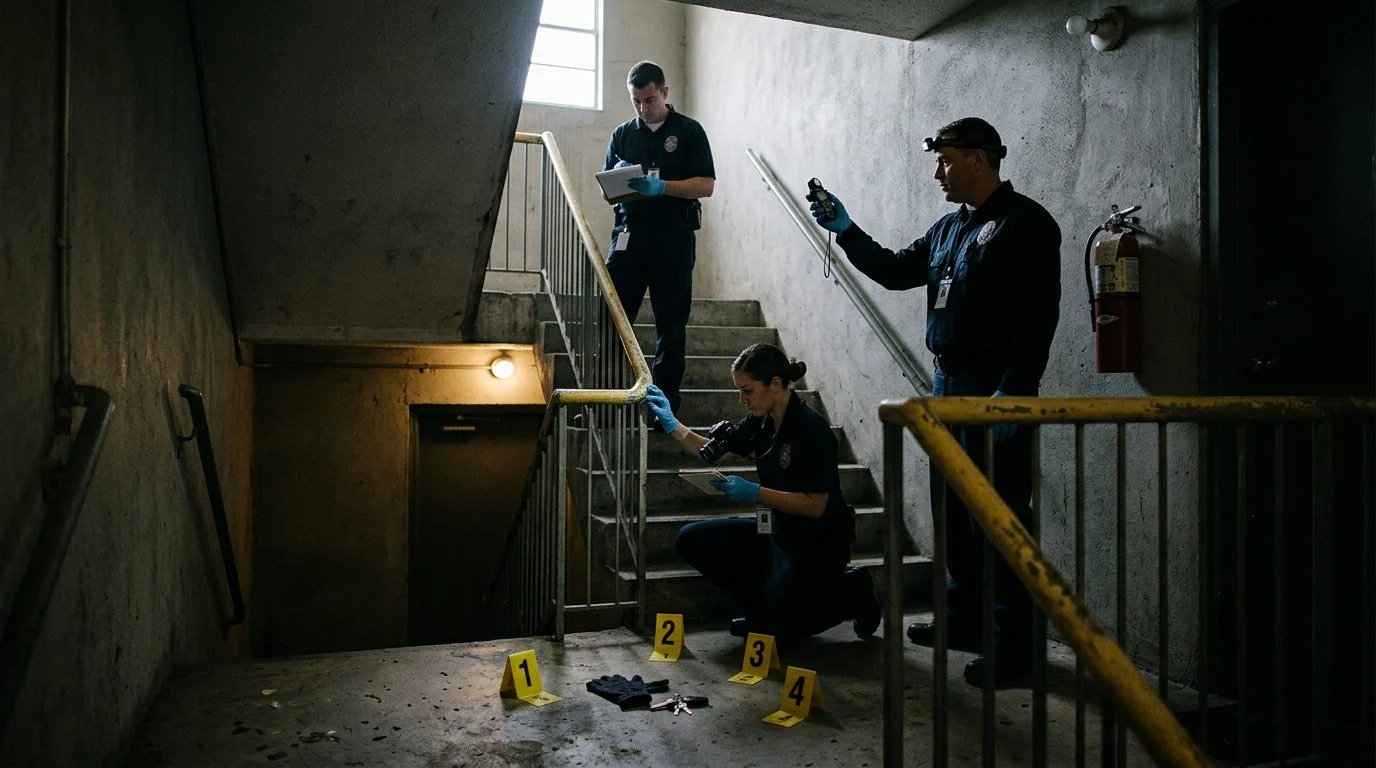
Negligent Security | Duluth, Georgia
Hurt in an Apartment Complex Assault? Learn Who May Be Responsible
Slam Dunk Attorney represents people injured in negligent security cases across metro Atlanta and Georgia. Our team can help you understand your options and the questions to ask.
By Peter F. Jaraysi · Published November 3, 2026
If someone was assaulted at an apartment complex in Georgia, the attacker may not be the only party who is liable. Georgia law can also reach the property owner, a management company, or a security contractor. The answer depends on who controlled the area, what they knew, and what security they provided.
So, who is liable for assault at apartment complex Georgia cases? Usually the attacker, and sometimes the property side, when the facts meet the legal tests. This guide explains those rules in plain language.
Slam Dunk Attorney represents people hurt in premises and negligent security cases in metro Atlanta and across Georgia. This page is general information, so you can understand the process before you decide anything.
What Georgia Law Expects From an Apartment Complex
An apartment owner must use ordinary care to keep the property reasonably safe. That duty covers people invited there, including tenants, their guests, and visitors. Georgia’s premises statute says an owner who invites people onto the property is liable for injuries caused by failing to use ordinary care to keep the premises and approaches safe (O.C.G.A. § 51-3-1).
Georgia landlords also have a repair duty. Under O.C.G.A. § 44-7-13, a landlord must keep the premises in repair. A lease for a home is also treated as including a promise that the home is fit for human habitation. Broken gate latches, dead stairwell lights, and faulty door locks can all fall under that duty.
Ordinary care is not perfect safety. An owner also is not required to take over the role of government for law enforcement and public safety (O.C.G.A. § 51-3-55). The question is whether reasonable steps were taken.
If someone you care about was attacked at an apartment complex, our team can review the facts with you in a free, confidential first consultation. Talk it through with our team — the first consultation is free, confidential, and carries no obligation.
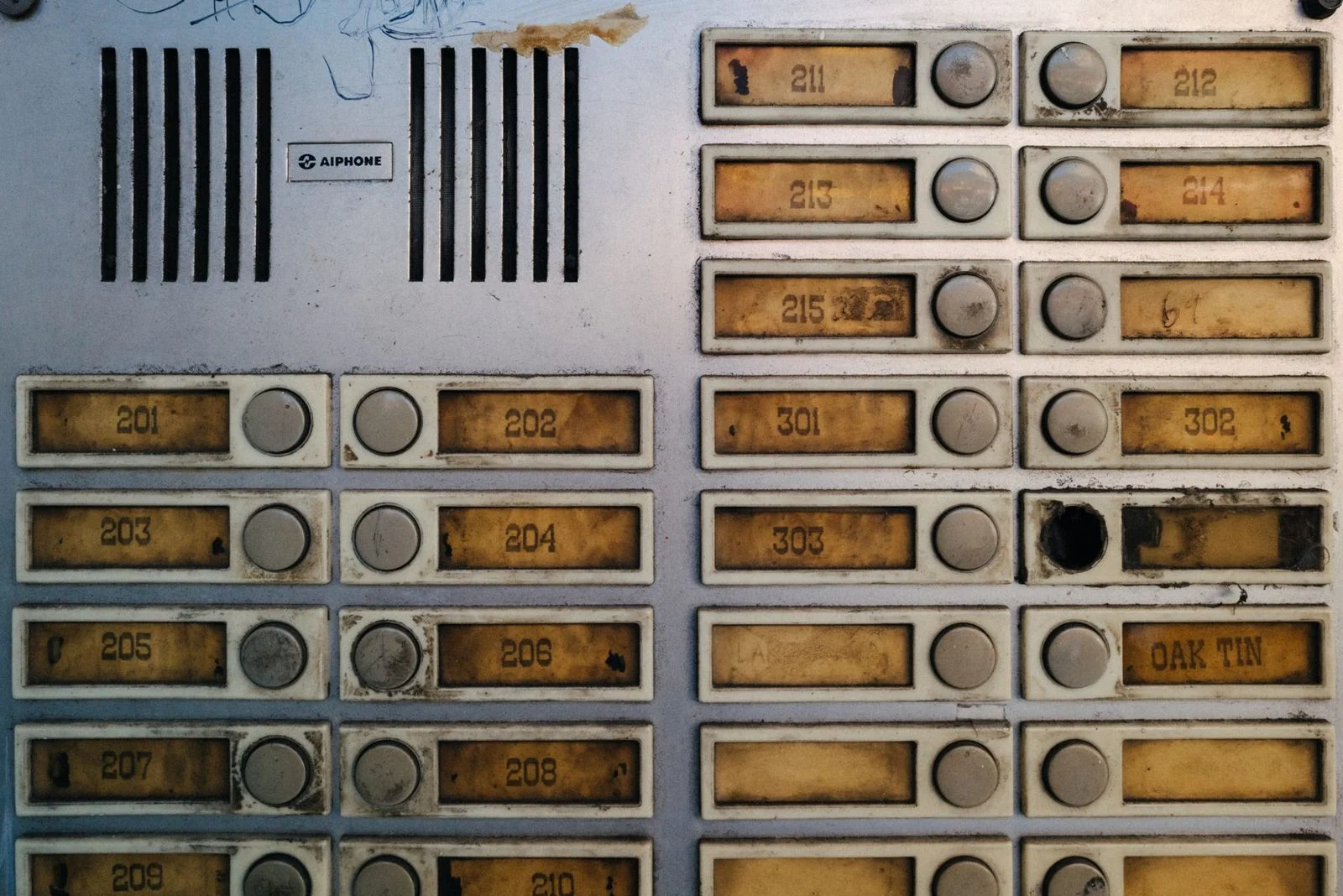
Who Can Be Held Liable for an Assault at an Apartment Complex
The person who committed the assault can be liable. Questions about how a claim against a property owner might proceed can be discussed during a free, confidential initial consultation with no obligation to continue. Other parties may also be named, depending on their role at the complex.
The property owner is the usual starting point. Owners generally control common areas, gates, locks, and lighting. A management company that runs the property day to day may be named when it handled security, repairs, or tenant complaints.
A security contractor hired to patrol or monitor the property can also be liable. Georgia law says a security contractor that assumes and undertakes a duty to invitees and licensees to keep all or part of a premises safe from third-person wrongful conduct faces the same limits that apply to an owner, and never a greater liability (O.C.G.A. § 51-3-57).
Control matters. A landlord who has fully parted with possession and the right of possession is not responsible to third persons for damages from the tenant’s negligence or illegal use of the premises, but stays responsible for defective construction and for failing to keep the premises in repair (O.C.G.A. § 44-7-14).
Where the attack happened also matters. Hallways, parking garages, laundry rooms, and fenced pool areas are usually common areas. A private unit can raise different questions. For wider context on serious injury claims, see our catastrophic injuries guide.
When Foreseeability Makes an Apartment Complex Responsible
An owner is generally responsible for a third person’s attack only when that attack was reasonably foreseeable. Georgia’s negligent security statute sets out what the injured person must prove (O.C.G.A. § 51-3-51). The owner must have known, or should have known, that wrongful conduct was reasonably likely.
- Prior substantially similar wrongful conduct on the property that the owner actually knew about.
- Prior substantially similar wrongful conduct on adjoining property, or otherwise within 500 yards of the premises, that the owner actually knew about.
- A particularized warning of an imminent attack.
- A known physical condition, such as a broken gate or a propped-open door, that a person could exploit to create a risk much greater than the area’s general risk.
A crime on the property does not prove negligence by itself. Each required element must be proven. Useful records include police call logs, incident reports, and tenant complaints that show what the owner knew and when.
What Reasonable Security Can Look Like
Reasonable security means measures that fit the property’s risks and that the owner could practically use. It does not mean every possible measure. Courts and juries look at the full picture.
Georgia law lists the factors the fact finder must weigh. These include the security measures in place at the time, the need for more measures, whether more measures were practical, and whether they would have prevented the injury (O.C.G.A. § 51-3-55).
Common examples in these cases include:
- Working lights in parking areas, stairwells, and walkways.
- Locks and gates that close and latch.
- Controlled entry for people who do not live there.
- Cameras, where the owner uses them.
- Prompt repairs after tenants report broken doors, windows, or gates.
Repair requests are often the strongest evidence. A written complaint about a broken latch, sent weeks before an attack, shows what the owner knew. Keep copies of every request and every reply. Our apartment security negligence guide covers this topic in more detail.
How Negligent Security Differs From a Random Crime
Negligent security is a claim about what the property did, or failed to do, before an attack. It is not a claim that the owner committed the crime. The attacker is responsible for the attack itself.
The difference matters. An attack with no link to the property’s conditions or past incidents is harder to connect to the owner. An attack that followed known problems and unrepaired security failures puts the focus on the owner’s conduct.
Georgia law also excludes some situations. An owner is not liable for negligent security to a trespasser. An owner is also not liable to an invitee or licensee who came onto the premises to commit a felony or certain misdemeanors, or who was committing one at the time of the injury (except a victim of a violation of Code Section 16-5-46) (O.C.G.A. § 51-3-54).
An assault is a serious crime against the victim first. A criminal case and a civil injury claim are separate processes.
Who Counts as the Injured Person and What Duty Is Owed
Many different people may be present at an apartment complex, and each situation depends on its own facts. Their status on the property affects the duty owed. A trespasser is treated differently under the statute.
A lease can add promises about security or repairs. Read it for any written terms about gates, cameras, patrols, or locks. Keep the original and any amendments.
When someone was killed, the family may have a claim. When death results from a crime or from criminal or other negligence, the personal representative of the person who died may recover funeral, medical, and other necessary expenses from the injury and death (O.C.G.A. § 51-4-5). If no one is entitled to sue directly, the administrator or executor may bring the action for the next of kin (O.C.G.A. § 51-4-5).
Not sure what your next step is?
Talk it through with our team — the first consultation is free, confidential, and carries no obligation.
How Fault Is Shared Under Georgia Law
Georgia reduces a recovery by the injured person’s own share of fault. It bars recovery when that share is 50 percent or more (O.C.G.A. § 51-12-33; Quynn v. Hulsey (2020)).
Under O.C.G.A. § 51-12-33, the judge reduces damages in proportion to the injured person’s fault. A plaintiff who is 50 percent or more responsible for the injury or damages claimed cannot receive damages.
In a negligent security case, fault is also divided among the owner, the person who committed the attack, and any other persons the law requires (O.C.G.A. § 51-3-56). The attacker’s share is part of the analysis. Damages apportioned by the trier of fact as provided in this Code section are not joint, and they are not subject to contribution (O.C.G.A. § 51-12-33).
Deadlines and Evidence to Preserve Early
For actions for injuries to the person in Georgia, the general deadline is two years after the right of action accrues, unless this article provides otherwise (O.C.G.A. § 9-3-33). Loss of consortium claims carry a longer four-year period under the same statute. Do not wait to ask about timing.
Evidence that often helps includes:
- Police and incident reports, with report numbers.
- Medical records and bills, starting from the first visit.
- Photos of the scene, the lighting, the locks, and any injuries.
- The lease and any written security terms.
- Maintenance and tenant complaint records.
- Names and contact details of witnesses.
Write down what happened while memories are fresh. Keep copies of every message with the property, management company, or insurer.
Apartment Assault Claims in Atlanta, Lawrenceville, and Johns Creek
Apartment complexes in Atlanta, Lawrenceville, and Johns Creek are often owned by one company and managed by another. The party that controlled security may be different from the party that owns the building.
That is why the names on the lease, the management arrangement, and any security vendor matter. Knowing who handled gates, lighting, and repair calls helps identify the right parties.
Each property’s facts, however, belong to that property alone. Layouts, records, and security arrangements can differ a great deal from one complex to the next.

Talk With Our Team About the Next Step
Dealing with an injury, or the loss of someone close to you, is hard. Deciding who may be responsible can feel like one more weight on top of that.
Common Questions
Who is liable for assault at apartment complex Georgia?
The attacker may be liable, and the property owner, a management company, or a security contractor may be too. Liability depends on control, what they knew, and whether the attack was reasonably foreseeable.
Can you sue an apartment complex for an assault?
You may have a negligent security claim if you can prove the elements Georgia law requires. The fact that an assault occurred does not, by itself, establish a claim.
How long do you have to file?
For most injury claims in Georgia, the general deadline is two years.
Does a crime at the complex automatically make the owner liable?
A crime alone does not prove the owner was negligent.
Can a family bring a claim after a fatal attack?
Georgia law allows certain recovery through the personal representative and for the next of kin.
If you are weighing what happened to someone you love, our team can review the facts with you. Contact us for a free, confidential first consultation, with no obligation to continue.
This page is general information, not legal advice. No result can be promised. Responsible lawyer: Peter F. Jaraysi, Slam Dunk Attorney, Duluth, Georgia. The firm handles matters in Georgia. Contact: slamdunkattorney.com/contact-us.
Parties That May Be Involved
The Attacker
The person who committed the assault may be legally responsible for the harm they caused.
The Property Owner
The owner of the apartment complex may be included in a claim, depending on what they controlled and knew.
The Management Company
Companies that run day-to-day operations, leasing, and maintenance may share responsibility for property conditions.
The Security Contractor
If the complex hired a security company, that company's duties and performance may be part of the review.
Important: Preserve Evidence Early
Police reports, security footage, lease agreements, maintenance requests, and medical records can be lost or overwritten over time. Keep copies of everything you have and speak with our team as soon as you can.
Questions to Ask About Your Situation
What Is Negligent Security?
Negligent security cases look at whether a property owner or manager took reasonable steps to protect people from foreseeable criminal harm.
What Did the Property Know?
Prior crimes, complaints, broken locks, or ignored security concerns can be important details in reviewing a case.
Who Controlled the Property?
Ownership, management, and contracted security roles can differ. Understanding who was responsible for each area matters.
What Should You Gather?
Write down what happened, note witnesses, save messages with management, and keep records of your injuries and treatment.