
Severe Burn Injuries | Duluth, Georgia and Metro Atlanta
What to Document After a Severe Burn Injury
Careful records made early can help tell the story of your injury. Here is what to save, photograph, and write down while your memory is fresh.
By Peter F. Jaraysi · Published October 29, 2026
Knowing what to document after severe burn injury Georgia residents face can help you keep the facts clear while you recover. In short, save the burn source, your first medical records, dated photos of healing skin, witness names, and every insurer letter. Keep them together in one folder, and start on day one. The sections below explain why each item matters and how to keep it.
Why Evidence After a Severe Burn Can Disappear Quickly
Evidence after a burn often changes within days or weeks. Scenes get cleaned, appliances get repaired, and damaged items get thrown away. That’s why the first stretch after an injury matters most.
Medical charts keep growing, but the earliest notes show how you arrived and how the burn looked at the start. Witnesses also move on, and their memories of times and details fade.
Georgia limits how long you have to bring an injury claim. Under Georgia’s injury filing deadline, actions for injuries to the person must be brought within two years after the right of action accrues. Evidence gathered early makes a clear timeline easier to build later.
Start one folder, paper or digital, on the first day. Date each page and add new items as they arrive. A simple log beats a memory that’s hazy six months later.
If a fire, scald, or electrical burn has left you facing bills and a scene that may change soon, our team can talk through what to save first. Talk it through with our team — the first consultation is free, confidential, and carries no obligation.

What Qualifies as a Severe Burn?
A burn is generally treated as severe when it goes deep, covers a large part of the body, or affects sensitive areas like the face or hands. Doctors describe burns by depth, and that depth shapes the treatment.
A superficial burn affects only the outer layer of skin. A partial-thickness burn reaches deeper layers. A full-thickness, or third-degree, burn goes through the full depth of the skin.
Medical professionals usually determine severity from the treatment record. Your chart is the main source for how deep the burn went and how much of the body it covers.
Georgia’s workers’ compensation law offers one useful reference point. Under Georgia’s workers’ compensation catastrophic injury law, second or third degree burns over 25 percent of the body as a whole, or third degree burns to 5 percent or more of the face or hands, count as a catastrophic injury. That rule applies to that statute’s rehabilitation provisions. Our team can explain how it fits your situation.
Medical Records and Treatment Documentation to Keep
Keep every record tied to your burn, from the first ambulance call to your most recent follow-up visit. A complete chart tells the story of your care.
Focus on these records:
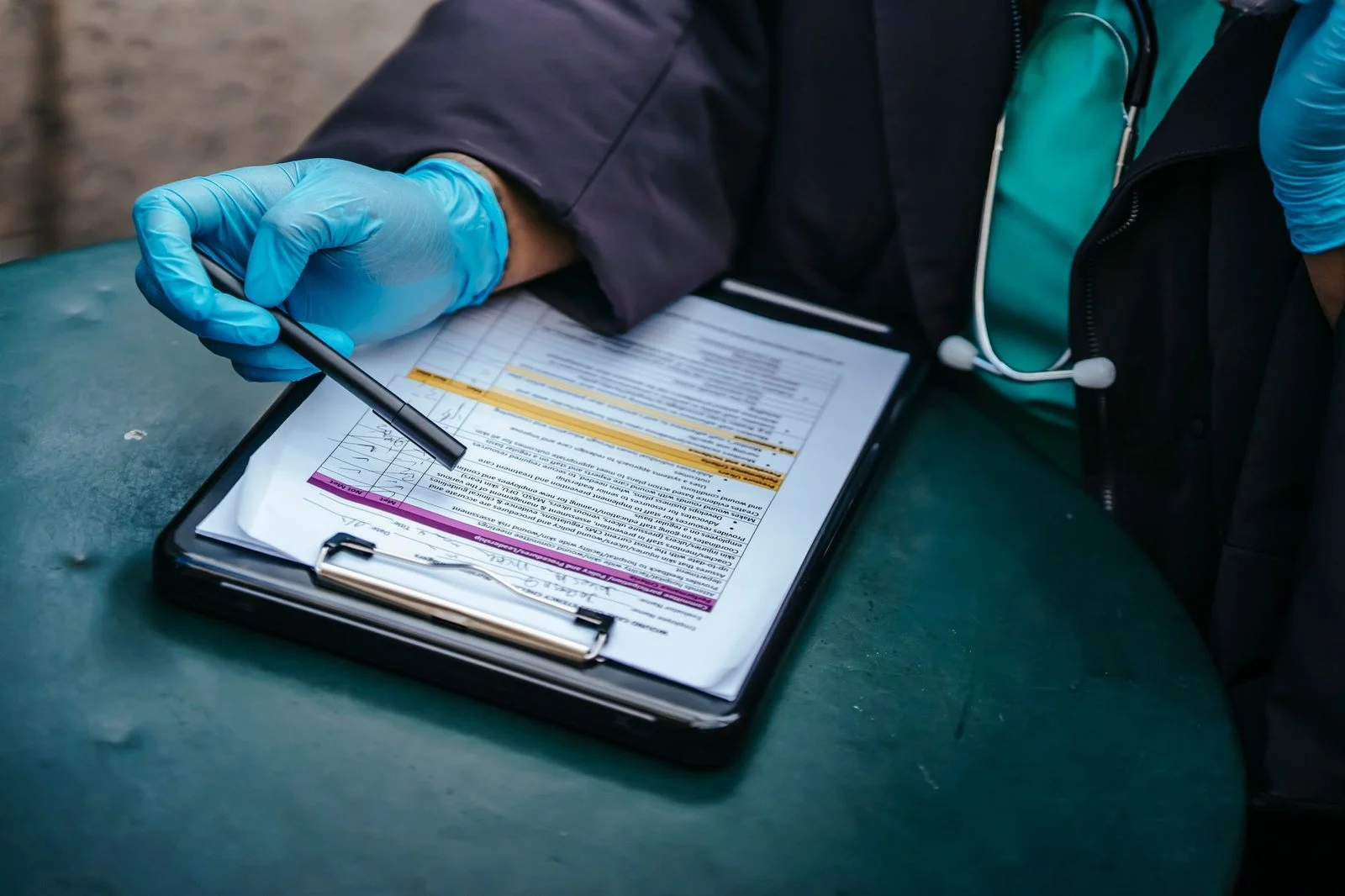
- Ambulance and emergency room reports
- Burn center admission and discharge summaries
- Operative reports for skin grafts or debridement (removal of dead tissue)
- Follow-up visit notes and nursing notes
- Wound care instructions and prescriptions
Bills matter too. Under Georgia’s medical expense statute, medical expenses are limited to the reasonable value of medically necessary care. The fact finder decides that amount. Keep itemized bills and every explanation-of-benefits statement from your health insurer.
If a provider treated you under a letter of protection (a promise to be paid from any settlement or judgment), keep that letter too. The same statute makes the letter, itemized charges, and referral details relevant in those cases.
Keep a dated list of every provider, facility, and appointment. It helps you recall the full course of treatment.
Photographs and Video of Injuries as They Heal
Take dated photos of your burn at regular intervals, using the same light and a ruler or coin for scale. Consistent photos show change over time.
Photos show what notes can only describe. Take pictures during dressing changes, at graft sites, as scars form, and where skin tightens and limits movement. Tight, pulling skin is called a contracture.
Keep the original image files. Phone photos carry date information inside the file. A copy sent by text or posted online may lose that information or be compressed.
A common mistake is deleting older photos to free up space. Another is saving only the worst days. Keep every set, including the ones that look better. A full set shows the whole healing process.
Photos don’t replace medical records. They work together with them.
The Scene, the Vehicle, or the Property Where the Burn Happened
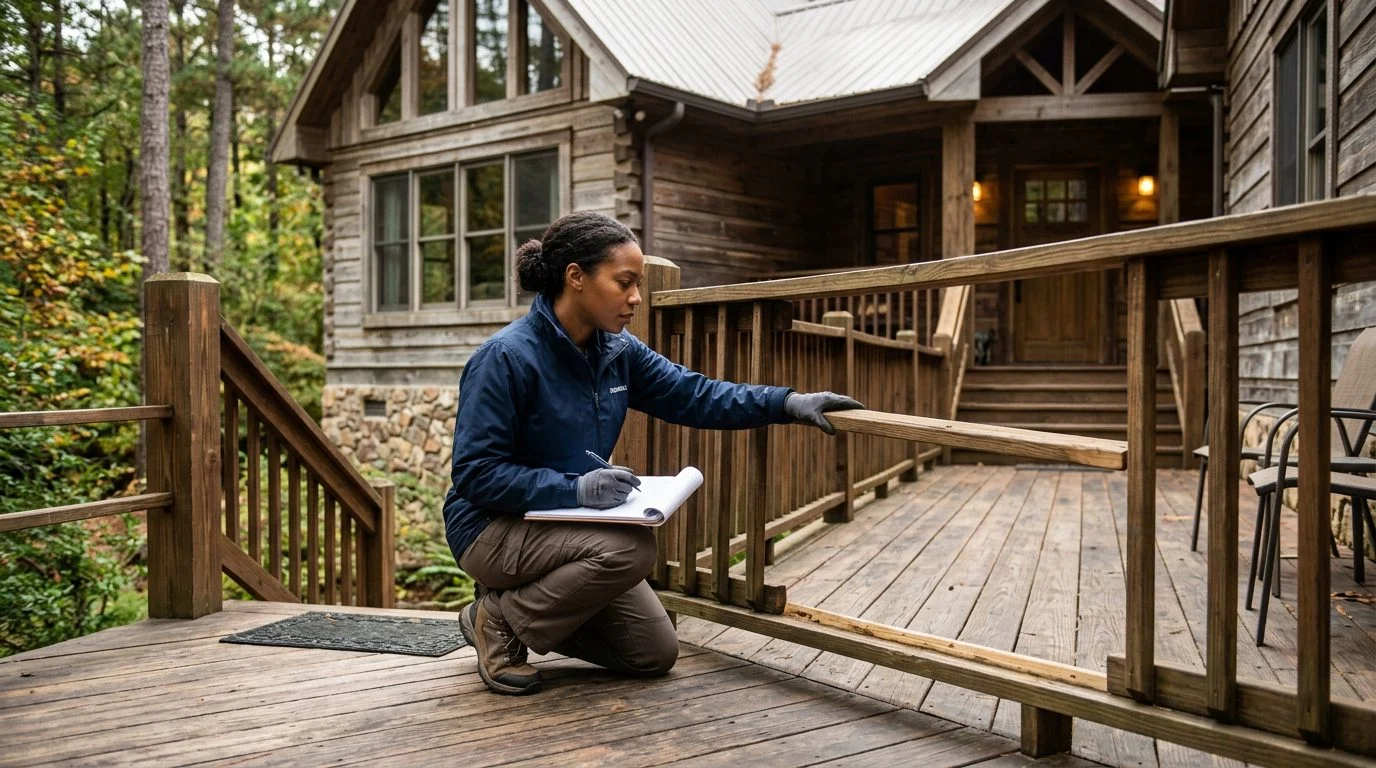
Photograph the location and the heat source or product before anyone repairs, cleans, moves, or throws it away. Physical evidence is often the first thing to change.
Burns happen in many places: a kitchen, a space heater, a water heater, a car fire, a rental unit, or a store. Write down the make, model, and serial number of any appliance. Photograph the outlet, cord, or fixture involved.
Under Georgia’s premises duty statute, an owner or occupier of land who invites people onto the property must use ordinary care in keeping the premises and approaches safe. Repair requests and maintenance records about the property can help show its condition.
A lawyer can send a written preservation request. It asks the other side to keep physical items and records in place.
If the burn happened at a short-term or vacation rental, keep your booking confirmation, messages with the host, and listing photos.
Witness Names, Incident Reports, and Written Accounts
Write down the names and phone numbers of anyone who saw the burn or arrived right after. Also record any report numbers you’re given.
Police, fire department, and property incident reports can carry key facts. Ask for a copy. Note the agency, the report number, and the date of the call.
Write a personal account while your memory is fresh. Include the date, time, location, what you were doing, what caused the burn, who was there, and what happened next.
Keep that account private. Don’t post about the event on social media or share details in comments. Share it with the lawyer you speak with instead.
Witnesses are easy to lose. A neighbor who moves or a coworker who changes jobs can be hard to reach months later. Collect contact details early.
Not sure what your next step is?
Talk it through with our team — the first consultation is free, confidential, and carries no obligation.
Insurance Letters, Claim Numbers, and Recorded Statements
Keep every letter, email, text, and voicemail from an insurance company. Add claim numbers, adjuster names, and dates to each entry.
Insurers may ask for a recorded statement or a signed medical authorization. Write down what was requested, when, and by whom. Keep a copy of anything you sign.
Georgia uses a modified comparative fault rule. Under Georgia’s comparative fault statute, damages are reduced by the injured person’s percentage of fault. A plaintiff who is 50 percent or more responsible recovers nothing. That’s why notes about what you were asked matter.
Questions about a settlement offer or a medical release can be discussed with a lawyer before you respond. Take the time you need.
A common mistake is relying on memory later. Notes made at the time of each call are far more reliable.
Work Records, Lost Income, and Workplace Burns
Keep pay stubs, tax records, work schedules, and any letter about missed work, restrictions, or changed duties. These papers show what the burn cost you at work.
A burn at work may lead to a separate workers’ compensation claim with its own reporting rules. Record when and how you told your employer. Keep copies of any injury report.
Georgia law counts necessary expenses from an injury. Under Georgia’s damages statute, necessary expenses consequent upon an injury are a legitimate item in the estimate of damages. Costs like bills and lost wages must be proved.
Track out-of-pocket costs. Include mileage to appointments, medical equipment, parking, and help with groceries or childcare.
Note the hours you couldn’t work, even if your employer didn’t reduce your pay. Those notes help show the full impact on your income.
Recording Long-Term Limitations, Scarring, and Daily Life
Keep a simple daily journal of pain, sleep, itching, mobility, and tasks that are now hard or impossible. Short daily entries add up over months.
Scarring, skin grafts, contractures, and changes in feeling or range of motion should appear in your medical records. Ask at follow-up visits how these changes are recorded in your chart.
Georgia separates general damages from special damages. General damages are those the law presumes flow from a wrongful act, and they can be recovered without proof of an amount. Special damages actually flow from the act and must be proved. Under Georgia’s damages statute, that distinction shapes how you should keep records.
Record help from family, friends, or caregivers. Note which tasks they handle, how often, and how long each task takes. Ask them to log time spent on dressing changes or transport.
Frequently Asked Questions
Here are short answers to common questions about what to document after severe burn injury Georgia families face.
What should I do first if the cause of my burn is still unclear?
Get medical care first, then save your medical records, photos, and any scene or object you can reach. Write down what you remember, and avoid guessing at fault in writing.
Should I keep the clothing or item that burned?
Yes, store it as it is, without washing or repairing it. Contact our team about how to store it safely.
Can family members collect these records for a burn survivor?
Family members often help gather records and paperwork. A lawyer can explain who may request them.
Does a burn have to be on the body to be documented?
No. Burns and their effects can be recorded through photos, medical records, and daily journals over time.
Talk With Slam Dunk Attorney About a Burn Injury in Georgia
A burn injury often leaves people with medical bills, insurer calls, and a scene or object that may change soon. If that’s your situation, our team can talk through what to preserve now. We can also explain how a lawyer may ask the other side to keep evidence in place.
The first consultation is free, confidential, and carries no obligation to continue. You can contact Slam Dunk Attorney in Duluth, Georgia to begin.
This page is general information, not legal advice. Results depend on the facts of each case. Responsible lawyer: Peter F. Jaraysi, Slam Dunk Attorney, Duluth, Georgia. Contact: slamdunkattorney.com/contact-us.
Why Documentation Matters After a Burn
Medical records tell the story
Burn injuries often need ongoing treatment, and your records show the diagnosis, the care you received, and how your recovery is progressing.
Evidence can be lost
Clothing, containers, appliances, and other items involved in a fire or scald can be thrown out or repaired. Keeping them as they are protects important evidence.
Your memory is fresh now
Details of how the burn happened fade over time. Writing them down early helps keep them accurate.
Your daily life matters
Burns can affect work, sleep, independence, and family life. A simple daily journal captures effects that a chart may not show.
What to Document, Step by Step
Medical care and records
Keep every discharge summary, bill, prescription, wound-care instruction, and appointment note. Ask providers for copies of records that you do not already have.
Photos and video
Photograph your injuries at regular intervals, including healing stages and scars. Also photograph the location where the burn happened, with dates visible when possible.
The scene and the source
If it is safe to do so, note the location, the equipment, the product, or the hazard involved. Save packaging, manuals, warnings, and any labels, and do not alter the area.
Clothing and items
Store anything that burned in its current condition. Do not wash, repair, or throw it away, and keep it in a clean, dry place.
Witnesses and contacts
Write down names and phone numbers of anyone who saw what happened or helped afterward. Note the names of employees, property managers, or hosts involved.
Your personal journal
Record pain levels, medications, sleep, activities you can no longer do, and missed work. Date each entry and write in plain, factual language.
Be Careful What You Say in Writing
Avoid guessing about who was at fault, and do not post about the incident on social media. Statements made to insurers or others can be used later, so speak with a lawyer before giving a recorded statement or signing any paperwork.
Talk With Our Team About Your Burn Injury
Related practice areas
- Catastrophic Injuries in Georgia: What to Know After a Serious Accident
- Catastrophic Injuries in Atlanta
- Catastrophic Injuries in Lawrenceville
- Catastrophic Injuries in Johns Creek
- How Long Does a Catastrophic Injury Case Take in Georgia?